1. Why Is Cleaning Glass Without Leaving Streaks Such a Challenge?
You just spent half an hour scrubbing, using the most expensive glass cleaner, confident that everything was perfect. But as soon as the sunlight shines through, you realize the glass surface is still full of smudges, hazy streaks, and lint particles clinging densely as if it had never been touched. It's not your fault; it's a real physical and chemical phenomenon that most people are handling the wrong way.
Glass is a material that reflects light directly, acting like a magnifying glass that amplifies every flaw in your living space. No matter how exquisitely or luxuriously a home is decorated, it will instantly lose its polished look if its windows are covered in fingerprints and water spots. Perfectly clear glass not only creates a sense of expanded space and optimizes natural light, but it also serves as a subtle measure of the homeowner's sophistication and neatness. However, maintaining this flawless state remains a difficult challenge.
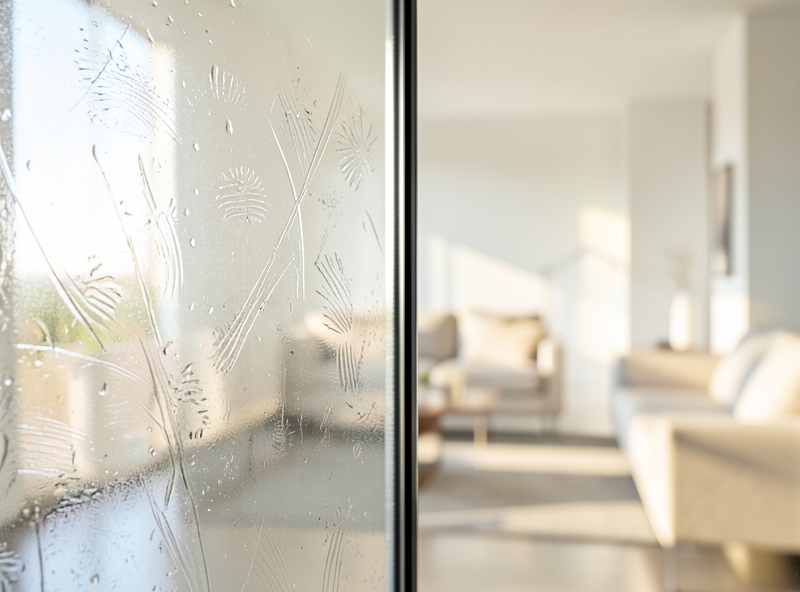
Why is it so easy to leave streaks when cleaning glass? The secret lies in static electricity and evaporation speed. When you use a regular cloth to scrub repeatedly, this action accidentally creates strong friction, generating a static charge on the glass surface and turning it into a "magnet" that immediately attracts fine dust floating in the air. In addition, most conventional cleaning solutions contain surfactants that are difficult to evaporate completely, leaving behind a thin chemical film—the main culprit behind those hazy streaks in the light.
| Impact Factor | Common Mistake | Expert Scientific Solution |
|---|---|---|
| Tools Used | Old cotton towels, paper towels (leave behind lint and micro-scratches on the surface). | Flat-weave microfiber cloths or professional rubber squeegees. |
| Timing of Cleaning | Cleaning on bright sunny days (high temperatures cause water to evaporate too quickly, creating streaks). | Cleaning on overcast days or when the glass surface is completely cool to the touch. |
| Chemicals Used | High-foaming dish soap, glass cleaners containing silicone that create a fake shine. | Natural solutions containing diluted alcohol or white vinegar that evaporate on their own without leaving residue. |
Achieving crystal-clear glass doesn't require expensive industrial equipment. It requires a scientific process and an understanding of surface physics. It's time to abandon labor-intensive yet ineffective traditional methods and step into the world of smart hacks, where simple ingredients will help you eliminate this frustration once and for all.
2. Uncovering the Reasons Behind Cloudy and Streaked Glass Surfaces
You have just spent an entire hour cleaning, but as soon as the sunlight hits, the glass surface reveals smudged streaks and a hazy, dull grey film. This feeling of frustration does not stem from a lack of effort, but because you are confronting silent physical and chemical reactions happening right on the glass surface. To break this futile cycle, you need to clearly understand the following 4 core culprits.
- Mineral deposits from hard water (Calcium and Magnesium): When you use regular tap water to clean glass, these dissolved minerals do not disappear when the water dries. They precipitate and bind tightly to the microscopic pores on the glass surface, forming extremely stubborn cloudy spots known professionally as "hard water stains."
- Overusing soapy cleaning chemicals: Many people mistakenly believe that more soap suds mean a cleaner window. The reality is quite the opposite. Surfactants in low-quality glass cleaners leave a thin residue film after drying. This film acts as a dirt "magnet," causing the glass to cloud up 3 times faster than usual.
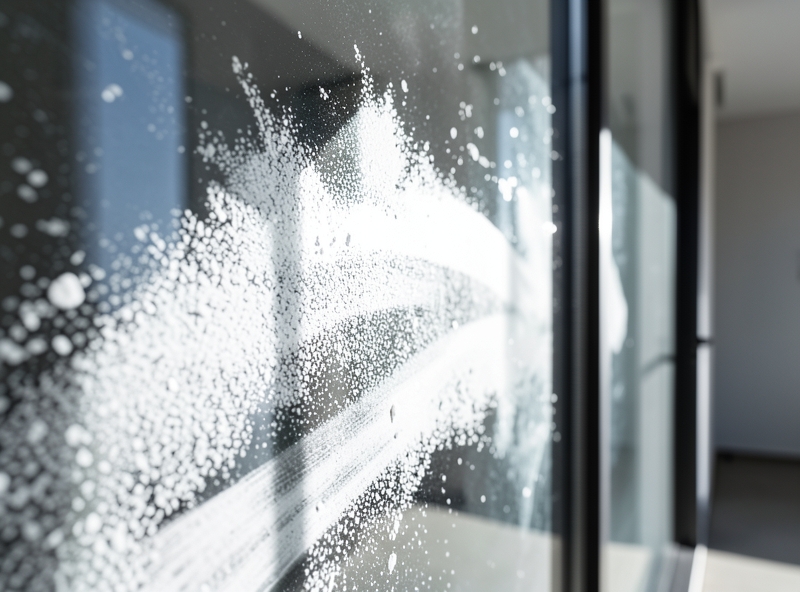
- Cleaning glass under direct, harsh sunlight: Direct sunlight accelerates the evaporation rate of the cleaning solution before you have time to squeegee it clean. This forced evaporation leaves behind all the dry chemicals and dirt right on the surface, creating long streaks along your wiping path.
- Using lint-heavy cloths: Old cotton towels or low-quality cloths leave behind thousands of microscopic lint fibers due to static friction that are hard to see with the naked eye. When exposed to air humidity, they clump together to form a cloudy film that obstructs the clarity of the glass.
"Cleaning glass is not merely doing chores; it is the art of controlling evaporation and surface chemical treatment."
To give you a visual perspective and help you change your cleaning habits immediately, below is a comparison table showing the impact of physical and chemical factors on glass transparency:
| Clouding Agent | Direct Mechanism of Action | Aesthetic Consequence |
|---|---|---|
| Hard water (Calcium, Magnesium) | Chemical precipitation as water evaporates, embedding deeply into the glass structure. | Water stains, fish-scale-like white spots, loss of shine. |
| High-foaming chemicals | Leaves behind a surfactant film that cannot break down naturally. | Oily sheen, prone to fingerprints and dust right after wiping. |
| High temperature (Harsh sun) | Solution evaporates too quickly before dirt can be wiped away. | Smudged streaks along the direction of squeegeeing. |
| Low-quality wiping cloths | Releases lint fibers due to static friction force. | A dense layer of microscopic fine dust clinging to the glass surface. |
Understanding these causes is a turning point that helps you stop wasting effort on ineffective cleaning methods, paving the way for applying more scientific and thorough treatment tips.
3. Preparing Expert-Grade Window Cleaning Tools and Solution
Have you ever spent hours wiping over and over again, only for the glass to still be full of streaky smudges when the sun shines through? The biggest mistake most people make is using old hand towels, newspapers, and bright blue glass cleaner sprays loaded with fast-evaporating chemicals. To achieve the absolute crystal clarity of 5-star hotels, you need to abandon old habits and immediately equip yourself with the professional-grade "arsenal" below.
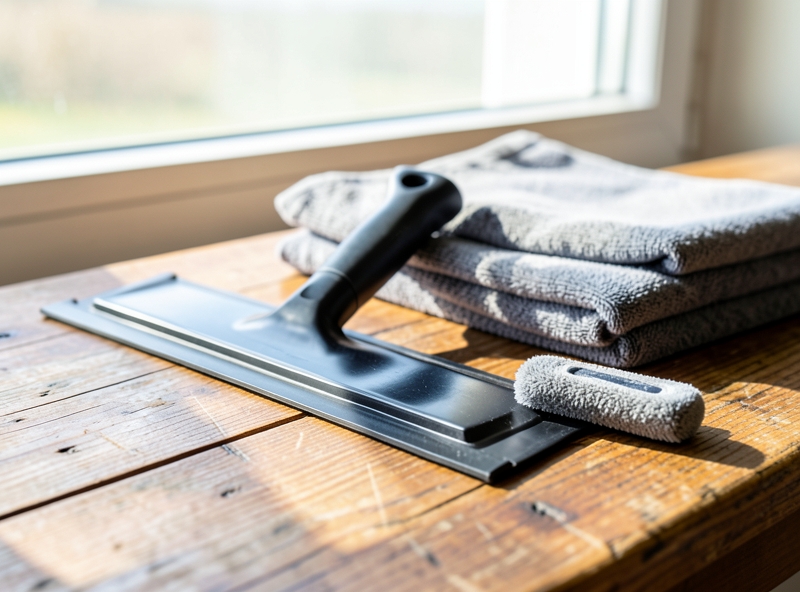
A standard tool set not only helps you save 80% of your effort but also protects the glass surface from fine, hard-to-repair scratches. Start upgrading your cleaning arsenal with these three irreplaceable items:
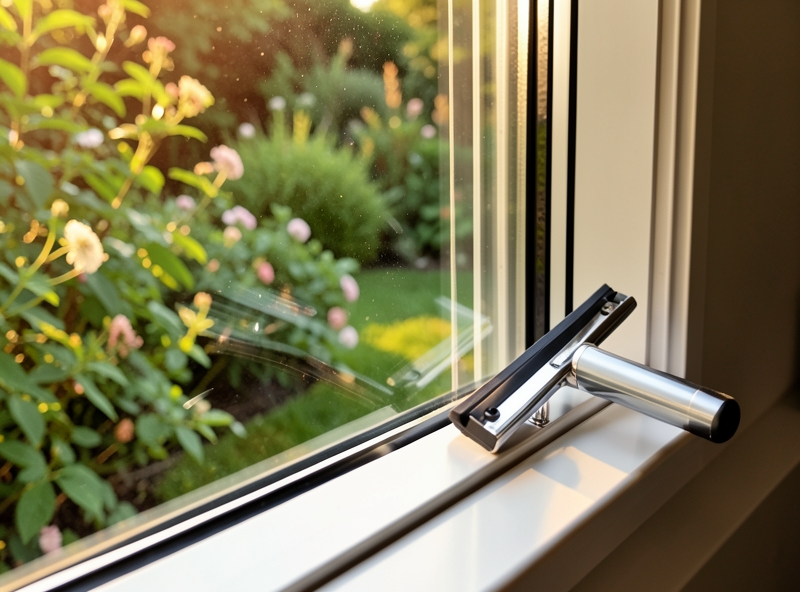
- High-Quality Rubber Blade Squeegee: This is the soul of the window cleaning process. Choose one with a flexible, highly elastic natural rubber blade instead of a hard plastic blade. A proper rubber blade sits flush against the glass surface, wiping away water and dirt in a single glide without leaving any water streaks behind.
- Window Washer Wand (T-Bar): Instead of tiring yourself out scrubbing by hand, a specialized microfiber/cotton-covered T-bar helps dissolve dirt quickly. The thick fleece holds water well, creates rich suds, and evenly covers the entire glass surface with cleaning solution in just a few seconds.
- Lint-Free Flat-Weave Microfiber Cloth: Strictly say no to regular cotton towels, which always leave annoying lint behind. Flat-weave microfiber cloths (specifically designed for glass and lenses) are remarkably effective at picking up leftover microscopic water droplets around edges and corners.
Once you have the right tools, the next thing you need is an effective cleaning solution. Instead of buying expensive commercial chemicals that can easily irritate your skin and respiratory tract, you can completely mix a "magic formula" solution right at home at a very low cost with superior performance:
"Golden Ratio Formula: 1 part white vinegar + 1 part warm water + 3 drops of mild dish soap. The acetic acid in vinegar automatically breaks down mineral bonds in hard water deposits, while the dish soap provides perfect glide for the squeegee blade to operate."
Warm water expands and softens stubborn stains such as bird droppings, tree sap, or long-accumulated dirt. To better understand why this natural formula beats standard commercial glass sprays on the market, take a look at the detailed comparison table below:
| Comparison Criteria | DIY Solution (Vinegar + Dish Soap) | Standard Chemical Glass Spray |
|---|---|---|
| Hard Water / Calcium Deposit Removal | Extremely high thanks to the natural acid concentration in vinegar. | Moderate; usually only cleans surface dust. |
| Health and Safety | 100% safe, free from toxic artificial fragrances. | Can easily cause nasal and skin irritation when used in enclosed spaces. |
| Evaporation Rate | Moderate; gives enough time to squeegee before drying. | Too fast; easily dries on its own, leaving streaks on glass. |
| Cost of Use | Ultra-economical; ingredients are readily available in the kitchen. | Costly; requires continuous repurchase. |
With just a few simple yet precise preparation steps, you are ready to move on to the actual cleaning process. Owning the right tools and standard solution not only optimizes your cleaning time but also brings ultimate satisfaction as you gaze upon crystal-clear, virtually invisible glass shining under the sunlight.
4. Technical Process for Using a Squeegee to Achieve Perfect Transparency
Most people make the same classic mistake: spraying glass cleaner and scrubbing furiously with paper towels. The result is streak marks, leftover lint, and static spots that attract dust again the very next day. To achieve the invisible clarity of glass seen in 5-star hotels, you need to shift from a "wiping" mindset to a "physical squeegee technique" using the standard 4-step process below.
Step 1: Wet the surface and release dirt bonds
Dirt on glass is not just fine dust; it is a sticky blend of grease, mold spores, and rainwater minerals. Squeegeeing directly without softening dirt will permanently scratch the glass surface. Use a washer wand or a soft cloth soaked in specialized cleaning solution, spreading it evenly across the glass in circular motions. This action creates a lubricating cushion that breaks the chemical bonds of stubborn grime without damaging the glass pane.
Step 2: Master professional squeegee techniques
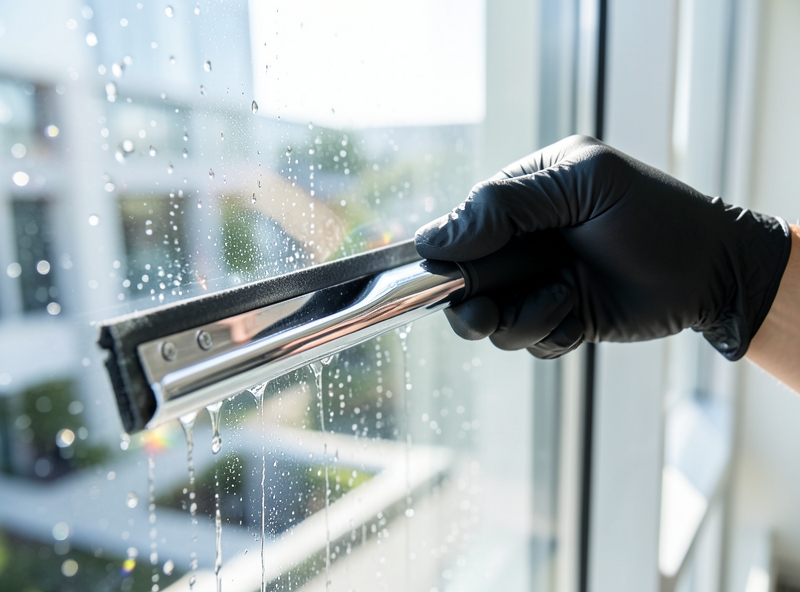
This step determines 90% of the clarity of the glass surface. Depending on the area and your skill level, you can choose one of the following two squeegee methods:
| Criteria | Straight-Stroke Technique (For Beginners) | S-Swivel Technique (Expert Level) |
|---|---|---|
| Execution | Place the squeegee blade flush against the top edge and pull straight down in one continuous stroke. Overlap the next stroke over the previous one by about 2 cm. | Move the blade continuously in a zigzag S-shape from the top left corner to the right, sweeping smoothly downward without lifting the squeegee. |
| Advantages | Easy to control pressure, provides even force, and is ideal for small to medium glass panes. | Extremely fast, leaves no overlap lines between strokes, perfect for large glass surfaces. |
| Optimal Angle | Maintain the rubber blade at a 45-degree angle to the glass. | Flexibly adjust the angle between 30 and 45 degrees according to the turns. |
Step 3: The "One Stroke, One Wipe" Rule
Why do streaks still appear after squeegeeing? The cause lies in dirty water left on the rubber blade from the previous stroke. When you start a new pass, this dirty water gets dragged across, leaving unsightly marks. Always keep a damp microfiber towel draped over your shoulder. After every single stroke, use the towel to wipe the dirty water off the rubber blade. A clean, dry blade is the golden key to absolute clarity.
Step 4: Detail edges and dead corners
Flat rubber blades always leave a small amount of water pooling in the right angles of the frame because they cannot achieve 100% contact in tight corners. If left to air-dry, this water will run down, leaving unsightly water spots. Immediately after squeegeeing the entire surface, wrap a dry microfiber cloth around your index finger and wipe along all four edges and corners of the window frame to completely eliminate excess moisture.
"Perfect clarity doesn't come from the most expensive glass cleaner; it comes from precision in every angle of the rubber blade and absolute dryness along the edges."
5. Summary
A dull, foggy glass window covered in streaky water spots after wiping not only obstructs your view but also inadvertently detracts from the elegance of your entire home. Many people spend hours with old newspapers and ordinary glass cleaner sprays, only to be met with exhaustion and persistent streaks sticking to the surface under the sunlight.
The secret to achieving crystal-clear, almost invisible glass windows doesn't lie in muscle power, but in the perfect combination of professional-grade tools and precise squeegee techniques. Instead of using cotton cloths that easily leave behind lint, investing in a high-quality soft rubber squeegee is a game-changer. When combined with a decisive top-to-bottom squeegee stroke at a 45-degree angle, all water molecules and residue are wiped away instantly, leaving absolutely no water streaks behind.

"Clean glass isn't just about clearing away dirt; it's how you expand your space, welcome natural energy, and elevate the elegance of your home."
Maintaining a regular glass cleaning routine once every two weeks is the optimal strategy to prevent glass water spots and etching (acid rain residue that hardens over time). This helps your living space stay full of vitality, airy, and fully showcases the sophisticated, modern beauty of your home.