1. What Is the Proprioceptive System? The Body's Sixth Sense
Imagine closing your eyes and touching your index finger precisely to the tip of your nose. Or when you miss a step on the stairs in the dark, your body instantly shifts its center of gravity to avoid a face-forward fall without losing a single second of thought. How do you do that when your eyes cannot see anything at all? The answer lies in the proprioceptive system (proprioception) – a biological GPS positioning system, often referred to by scientists as the body's true "sixth sense."
"If sight, hearing, or smell help you perceive the external world, then proprioception is the only sense that helps the brain recognize and locate every millimeter of the body precisely in three-dimensional space."
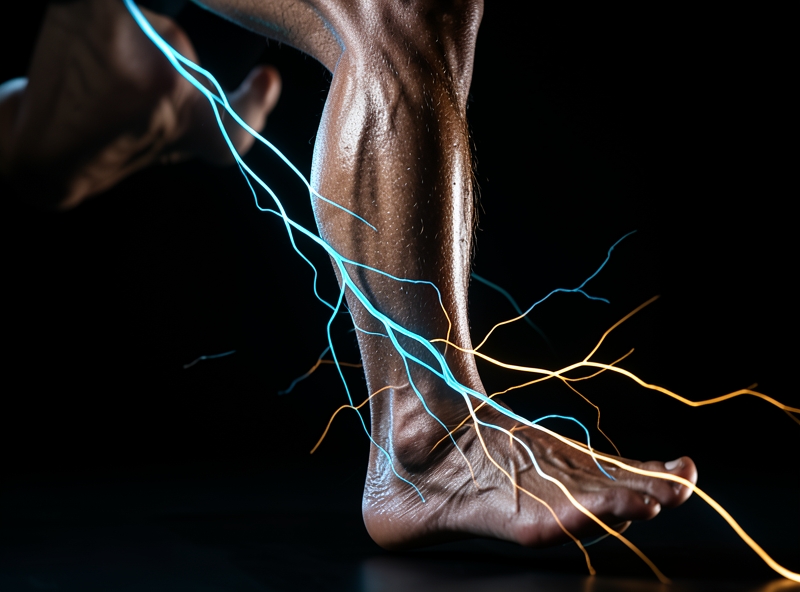
To understand it in depth, proprioception is not a vague concept. It is a super-speed neural feedback loop operating 24/7 thanks to the close coordination among three specialized groups of mechanoreceptors:
- Muscle Spindles: Located deep within muscle bellies, responsible for measuring changes in length and the rate of stretch of the muscle. They prevent muscles from being overstretched, which can lead to tearing.
- Golgi Tendon Organs (GTO): Located at the transition zone between muscle and tendon. This organ measures muscle tension. When you lift an object that is too heavy and exceeds your threshold, the GTO triggers an autogenic inhibition reflex to relax the muscle, protecting you from the risk of tendon rupture.
- Joint Receptors: Residing in joint capsules and ligaments, detecting changes in joint angles, helping you know clearly whether your limbs are bent or extended without needing to look directly.
Every microsecond you move, millions of signals from these receptors fire along the spinal cord up to the cerebellum and somatosensory cortex. The brain processes this data faster than any supercomputer, thereby issuing instant muscle adjustment commands to maintain balance, optimize force output, and protect joints from injury.
| Comparison Factor | When the Proprioceptive System Functions Perfectly | When the Proprioceptive System Is Impaired |
|---|---|---|
| Athletic Performance | Smooth, precise, energy-efficient movements, and instant explosive reflexes. | Clumsy movement, requires more effort, movements are "excessive" or lack force. |
| Injury Prevention Capability | Muscles automatically activate to protect joints during a bad landing or slip. | Prone to ankle sprains, anterior cruciate ligament (ACL) tears because muscles react too slowly. |
| Balance Sensitivity | Easily maintain balance on unstable surfaces (bosu balls, sand, mud). | Relies entirely on vision; loses balance immediately when eyes are closed or in low light. |
A deficit in proprioceptive ability is the "silent pain" that explains why many people, despite having very strong muscles, still frequently suffer from recurring injuries such as ankle sprains or chronic knee pain. When the neural connections between joints and the brain are weakened due to previous injuries that were not properly rehabilitated, your body loses its natural self-defense mechanism. Retraining this proprioceptive system is the golden key to elevating the athletic performance of any athlete.
2. Operating Mechanism: How the Brain Creates Spatial Maps and Controls Movement
Why can a tennis player turn and return a serve traveling at speeds up to 200 km/h in just a tenth of a second, while an average person can easily slip when stepping down a dark step? The difference does not lie in sheer physical strength or muscle power. It lies in the processing speed of the internal biological GPS system within the brain – where spatial maps are created and continuously updated in real-time.
To sustain life and optimize movement, the brain does not operate on vague guesswork. It functions like a state-of-the-art supercomputer, continuously gathering raw data from the "power trio" consisting of: Proprioception, Vision, and the Inner Ear Vestibular System. When one of these three links malfunctions or responds slowly, movement performance immediately collapses, leading to injury or execution errors.
| Sensory System | Role in Spatial Map Creation | Practical Operating Mechanism |
|---|---|---|
| Proprioception | Determines the position of body parts in space without the need for sight. | Pressure and tension receptors in muscles and joints continuously transmit signals to the spinal cord and cerebellum. |
| Vision | Provides external coordinate reference points and estimates the distance and speed of objects. | The retina receives light, converting it into electrical signals sent to the occipital lobe to construct 3D moving images. |
| Vestibular System | Detects acceleration, gravity, and the direction of head movement. | Fluid moving within the semicircular canals of the inner ear stimulates hair cells to send balance signals. |
The coordination among these three systems occurs at breakneck speed. When you take a leap over a hurdle, your eyes locate the height of the hurdle, the vestibular system calculates the tilt of your head relative to the ground, while your proprioceptive system reports the exact tension in your thigh muscles and the flexion angle of your knee joint. The Cerebellum receives this entire massive influx of data, compares it with the projected "movement blueprint," and makes postural adjustments within just 10 to 50 milliseconds.
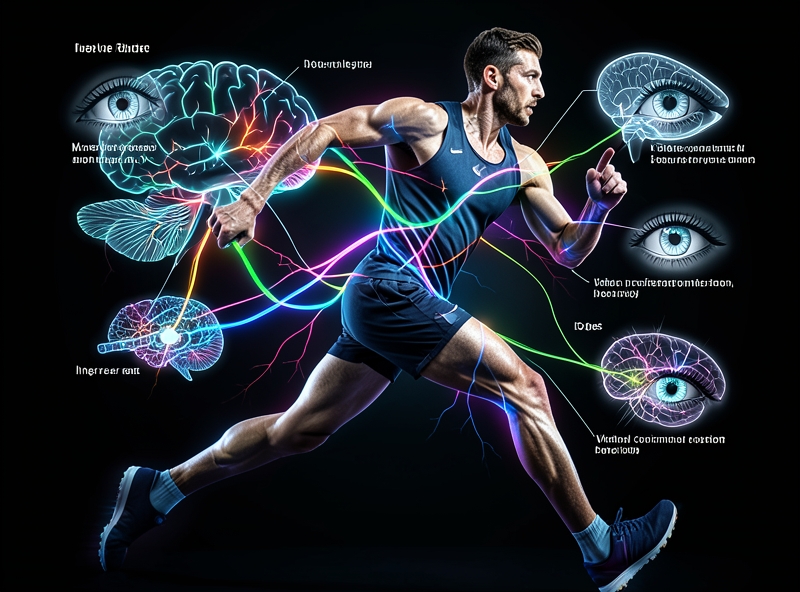
"The brain does not just react to the outside world; it actively predicts that world. Spatial maps are updated faster than your conscious speed of thought."
This is precisely why reflex and balance training exercises are not merely about making muscles stronger. Their core essence is upgrading the information transmission bandwidth of the nervous system. When neural pathways from the vestibular and proprioceptive systems are optimized, the body automatically executes instantaneous balance reflexes without requiring conscious intervention. This completely eliminates neuromuscular lag, protecting joints from dangerous physiological twists and unleashing the full explosive power potential of the athlete.
3. Core Role in Injury Prevention and Athletic Performance Optimization
An off-balance landing in just 0.1 seconds can strip you of 6 months off the field, ruining an entire year's worth of training. In elite sports or recreational movement, the boundary between an incredible burst of speed and a torn knee ligament injury is extremely thin. The key to mastering that boundary is the proprioception system and the alignment of the kinetic chain. This is not only a shield protecting the body from peak impact forces, but also a launchpad helping you break through your own physical limits.
When you execute a sudden change of direction, the body is subjected to a force 3 to 5 times your actual body weight. If the neuromuscular system does not react in time to activate the stabilizing muscle groups around the joints, this entire impact force will be directed straight into the ligaments and meniscus. This is the direct cause of classic injuries such as ankle sprains or anterior cruciate ligament (ACL) tears.
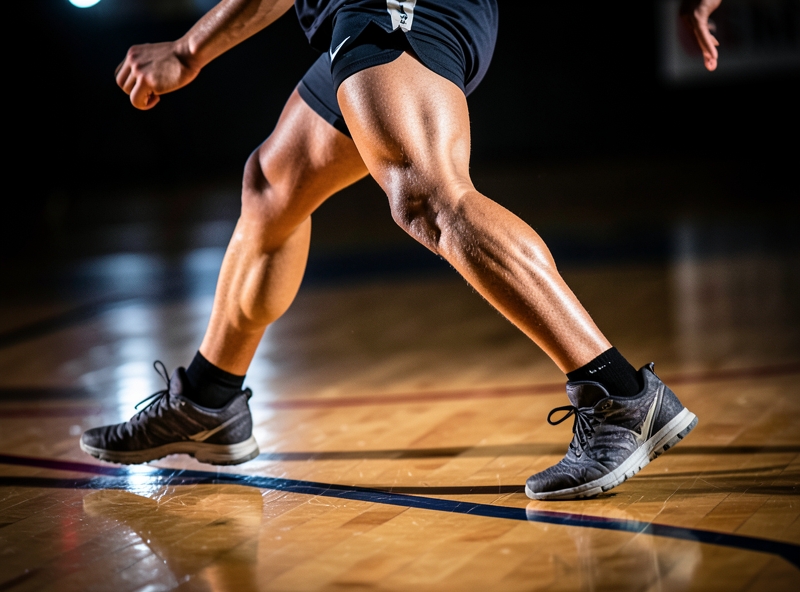
Training and optimizing this system brings three revolutionary effects to the body:
- Active defense at the cellular level: Accelerates the transmission of signals from joint sensory receptors to the brain. As a result, the body automatically adjusts its posture immediately upon detecting an unstable contact surface, thoroughly preventing the risk of accidental ankle sprains.
- Optimization of the kinetic chain: Force is generated from the ground, transmitted through the legs, hips, core, and directed to the hands or the entire body. A fluid movement system ensures there are no "energy leaks," helping every racket swing, kick, or stride achieve maximum mechanical efficiency.
- Shortened reflex latency: Helps muscle fibers transition from contraction to relaxation in a split second, creating explosive strides and superior balance even in the tightest spaces.
"Peak athletic performance does not lie in how big your muscles are, but in the nervous system's ability to coordinate how many muscle fibers fire together in a fraction of a millisecond."
To clearly see the difference between a body with an optimized proprioception system and a conventionally trained body, look at the performance analysis table below:
| Evaluation Metric | Proprioception-deficient body | Optimized movement system body |
|---|---|---|
| Muscle reaction time (ms) | Slow (>150ms) - Easily passive under impact | Extremely fast (<80ms) - Automatically adjusts posture |
| Knee & ankle joint stability | Loose, relying entirely on ligaments | Sturdy thanks to active tightening of surrounding musculature |
| Energy conversion efficiency | Low - Force loss through misaligned joints | Maximum - Linear force transmission, no loss |
| Post-exercise recovery speed | Slow due to continuous microtrauma in connective tissues | Fast thanks to pressure evenly distributed across large muscle groups |
Investing in improving flexibility and proprioception is not an optional add-on, but a vital foundation that determines your athletic longevity. When you master the movement of each joint, you not only protect yourself from persistent pain, but you are also unlocking a new threshold of strength that you never thought you could reach.
4. Advanced Exercises to Enhance Reflexes and Balance
More than 95% of amateur athletes focus only on muscle size or cardiovascular endurance, completely ignoring two core factors that determine agility and safety: balance and neuromuscular reflexes. Ankle sprains, anterior cruciate ligament (ACL) tears, or sudden falls do not happen because your muscles are weak. They happen because your proprioceptive system – the sixth sense that helps the brain perceive the body's position in space – reacted 0.5 seconds slower than the actual movement.
To comprehensively upgrade this natural defense and counter-attack system, you need a systematic training progression that scales from static to dynamic, and from stable to constantly changing.
| Level | Exercise Name | Target Impact | Recommended Frequency |
|---|---|---|---|
| Level 1 | Single-Leg Stance with Eyes Closed | Activates deep proprioception in the ankle and knee joints. | 3 - 4 times/week (30 seconds per leg) |
| Level 2 | Dynamic Balance with Bosu Ball | Strengthens core muscle groups (Core) and small stabilizing muscles. | 2 - 3 times/week (3 sets, 10-12 reps) |
| Level 3 | Agility Drills (Ladder drills, rapid direction changes) | Shortens force transition time and reflexes to counteract inertia. | 2 times/week (15-20 minutes per session) |
| Level 4 | Hand-Eye Coordination with Reaction Ball | Synchronizes vision, motor cortex, and the musculoskeletal system. | Daily or before main workout (5-10 minutes) |
"Strength without control is just wasted energy. Excellent balance is the foundation that helps you release maximum explosive force without losing the stability of your joint structures."
Level 1: Single-Leg Stance with Eyes Closed
When you close your eyes, you cut off 80% of spatial orientation information from vision. At this point, the brain is forced to direct all focus to the pressure receptors in the soles of the feet and the muscle-tendon groups around the ankle to keep the body stable.
- How to perform: Stand tall with feet shoulder-width apart. Slowly lift your left foot off the ground, keeping the knee bent at 90 degrees. Once stably balanced, close your eyes.
- Activation metric: Try to hold your balance for 30 seconds without letting your left foot touch the ground or moving your right foot from its starting position. Do the same with the other side.
Level 2: Dynamic Balance with Bosu Ball or Balance Pad
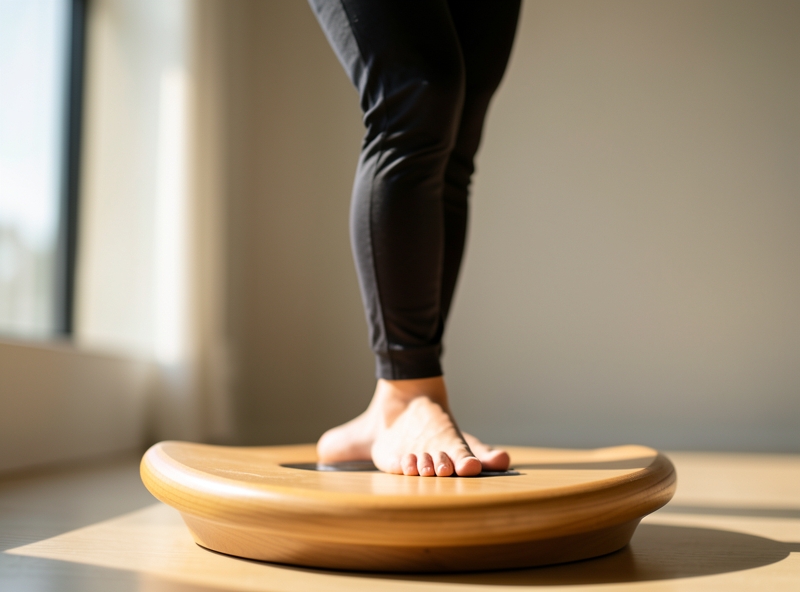
The unstable surface of the Bosu ball forces the core muscles and intercostals to work continuously to adjust the body's center of gravity.
- Exercise 1 - Bosu Squat: Stand with both feet on the soft surface of the Bosu ball. Perform a slow squat. The instability of the ball will activate the smallest stabilizing muscle groups in the hips, knees, and ankles.
- Exercise 2 - Single-Leg Deadlift on Pad: Stand on one foot on a balance pad, hinge forward at the hips while extending the other leg straight behind you. This is an optimal exercise to prevent hamstring injuries and increase ankle joint durability.
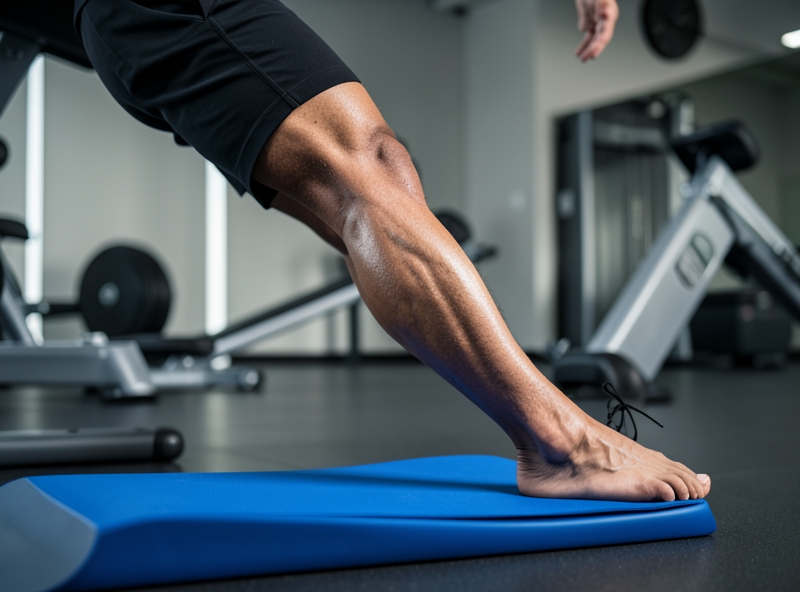
Level 3: Sudden Direction Change Drills (Agility Drills)
In actual competition, you do not move in a linear straight line. You must evade opponents, accelerate, brake suddenly, and change direction instantly. Agility Drills help shorten the response time between the brain's thought and the muscle's action.
- Figure-8 Drill: Place two cones 3 - 5 meters apart. Sprint in a figure-8 curve close to the cones. This exercise trains the ability to lean, lower the center of gravity, and lock the ankles at high speeds.
- Agility Ladder: Perform quick footwork drills such as the In-and-Out or Ickey Shuffle on the ladder. The goal is maximum foot precision, minimizing ground contact time.
Level 4: Hand-Eye Coordination Training
The ability to process visual information quickly determines whether you catch a ball correctly or avoid a collision in time. To upgrade this reflex, using quick-response support tools is mandatory.
- Reaction Ball Drop: This is a ball with an uneven, multi-faceted structure. When thrown against a wall or dropped onto the ground, the ball bounces in completely unpredictable directions. Your task is to move your feet and use one hand to cleanly catch the ball immediately after the first bounce.
- Juggling: Juggle 2 to 3 tennis balls with one or both hands while standing on one leg. The combination of keeping the lower body balanced and maintaining high visual focus on the upper body is the ultimate test for the central nervous system.
5. Conclusion
Many people spend hours in the gym lifting heavy weights, or running dozens of miles each week, only to watch helplessly as their bodies suffer from continuous injuries. The answer does not lie in the size of the muscles or the endurance of the lungs, but in the proprioceptive system (proprioception) — the internal GPS mapping system of your nervous system.
Recognizing and optimizing this system is the golden key that determines flexibility, reflexes, and absolute safety for the musculoskeletal system. When the spatial awareness of the joints is compromised, every step of a run or every squat carries the hidden risk of poor posture, leading to nagging chronic injuries.
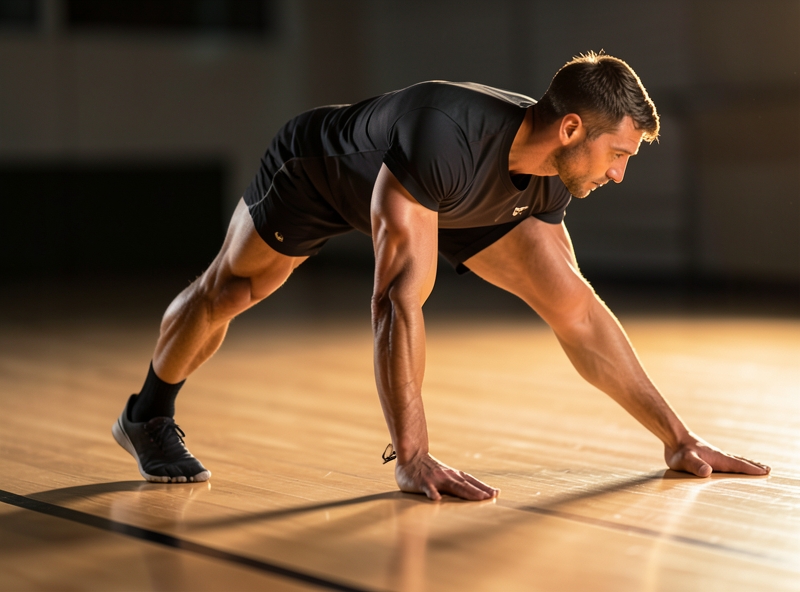
"Don't just train for larger muscles; train for your brain to communicate with your muscles faster. A sharp proprioceptive system is the only boundary between an experienced athlete and a trainee constantly plagued by persistent joint pain."
To build an injury-proof body, integrating exercises that activate this system into your daily lifestyle is essential. You don't need to change your entire current training program, but simply fine-tune it by inserting balance challenges into fixed time slots.
| Phase | Suggested Exercises | Duration / Frequency | Core Impact |
|---|---|---|---|
| Warm-up | Single-leg stance with eyes closed, or actively controlled ankle rotations. | 3 - 5 minutes before each workout session. | Wakens neural receptors at the ankle and knee joints, preparing for high-intensity movements. |
| Main Workout | Single-leg Romanian Deadlift, lunges on an unstable mat or training with a Bosu ball. | 2 - 3 sessions/week, integrated into leg/glute days. | Enhances the stability of the hip joints and spine under the pressure of load. |
| Active Recovery | Balance poses in Yoga (Tree pose, Warrior III) or slow movement exercises of Tai Chi. | 15 - 20 minutes on rest days. | Restructures neuromuscular fibers, relieving accumulated tension in deep connective tissues. |
Start today with the simplest action: stand on one leg while brushing your teeth in the morning and evening. Close your eyes if you want to increase the difficulty. This small change will reprogram how the brain controls the body, bringing true flexibility and an unlimited physical foundation.