1. The Importance of Regular Maintenance and Protection for Wood Furniture
Wood furniture is not merely items for daily use; in the mindset of design and real estate investment, wood is considered an asset that increases in value over time. From the unique beauty of the grain patterns to the cozy feeling this material provides, wood plays a leading role in defining the prestige of a living space. However, unlike metal or stone, wood is an organic material, possessing "breathing" characteristics and extreme sensitivity to fluctuations in the surrounding environment.
| Harmful Agents | Mechanism of Action | Practical Consequences |
|---|---|---|
| Humidity | Causes uneven swelling or shrinkage within the wood fiber structure. | Warping, cracking, jammed drawers, or cabinet doors that cannot close properly. |
| Temperature | Direct sunlight evaporates natural essential oils and destroys surface bonds. | Fading, embrittlement of the coating layer, and loss of natural gloss. |
| Termites & Mold | Cellulose-decomposing organisms attack from within the wood core. | Hollowing, rotting, and endangering the load-bearing structure of the furniture. |
Regular maintenance is not an additional expense but rather an insurance policy for the longevity of the items. Reality shows that the cost of refreshing a lightly scratched wood surface is ten times lower than restoring a set of wooden platforms or cabinetry where mold has penetrated deep into the core. When properly cared for using specialized polishes or waxes, the protective layer will prevent oxidation, helping to preserve the original wood grain patterns—often referred to as nature's "fingerprints," which create the core economic value of the piece.
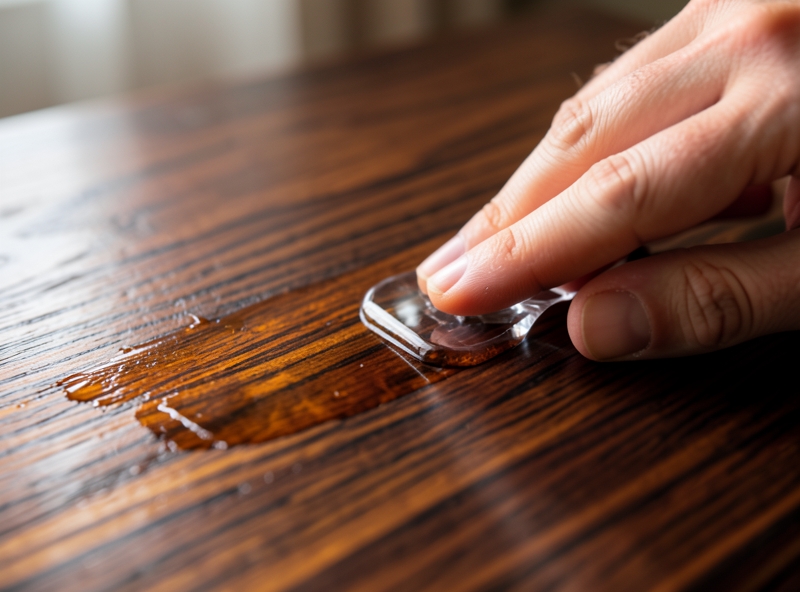
"In interior management, proactive maintenance always yields higher economic efficiency than passive repair. A regularly conditioned wood surface not only maintains aesthetics but also preserves the product's resale value in the future."
From a practical perspective, periodically inspecting and treating wood surfaces helps users early detect potential signs of damage. Tiny cracks or localized color changes are often warning signals of leaks or insect attacks. Timely intervention at this stage helps preserve the monolithic structure, ensuring that the aesthetic value and functionality of wood furniture remain at their optimal state.
- Preserving Original Value: Protecting the natural patina of the wood through many years.
- Optimizing Costs: Avoiding expensive overhauls due to severe damage.
- Ensuring Health: Preventing mold growth in damp environments, protecting indoor air quality.
2. Classification of Wood Types and Natural Resistance Characteristics
Understanding the nature of the material is the first step in optimizing furniture preservation. In woodworking, the resistance of wood does not depend on how "expensive" it is, but rather on the fiber structure and wood cell density.
| Wood Type | Fiber Structure & Density | Absorbency | Natural Insect Resistance |
|---|---|---|---|
| Hardwood (Oak, Walnut, Ironwood) | Tight wood fibers, many large vessels, complex structure. | Low (Requires time for oil to penetrate deeply). | High (Contains high levels of tannins or natural essential oils). |
| Softwood (Pine, Cedar) | Simple structure, numerous resin ducts, low density. | Very high (Easily absorbs moisture and preservative oils). | Medium (Based on resin content). |
| Engineered Wood (MDF, HDF, Plywood) | Compressed wood fiber fragments combined with glue and chemicals. | Extremely high at open edges (Prone to swelling). | Depends on the chemical concentration in the adhesive. |
Natural hardwood possesses an absolute advantage in durability thanks to its tight mechanical bonding structure. Conversely, softwood has high porosity, creating conditions for moisture and insects to penetrate more easily if the surface is not thoroughly treated. For engineered wood, the critical weakness lies in the broken fiber structure; its load-bearing capacity relies entirely on binders, making them extremely sensitive to environments with fluctuating humidity.
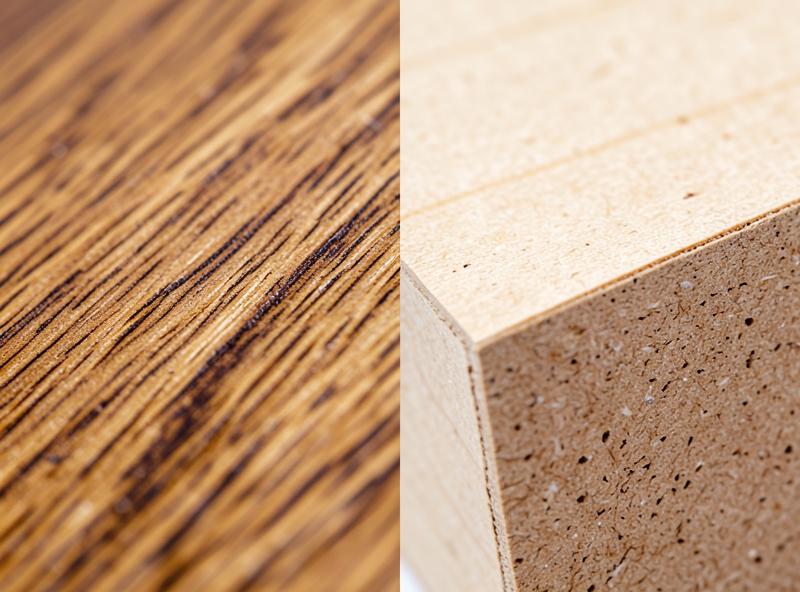
"The difference between a piece of furniture that lasts decades and one that fails quickly lies not just in the type of wood, but in how we compensate for the natural flaws in its fiber structure."
Based on physical characteristics, a practical care routine for each surface type is established as follows:
- For hardwood: Prioritize conditioning oils with small molecules (such as Tung oil or linseed oil) so they can penetrate the tight fiber structure. Avoid using thick waxes as they will only sit on the surface without providing internal protection.
- For softwood: Use a sealer before painting or oiling to control uneven absorption rates and prevent a blotchy surface. The porous nature of softwood requires periodic maintenance every 6-12 months.
- For engineered wood: Never allow standing water at the joints. The optimal solution is to use specialized waxes to create a mechanical moisture-proof film on the surface and seal open edges with plastic edge banding or waterproof paint.
Correctly identifying the wood type helps users avoid wasteful mistakes, such as using too much expensive conditioning oil on engineered wood (which cannot absorb it) or neglecting termite protection for softwood in humid environments.
3. Using Beeswax and Mineral Oil: The Secret to Nourishing Original Wood Grain
In a minimalist living space, wooden furniture is not just an object but a companion through the years. Instead of coating wood surfaces with shiny chemical paints that peel quickly, using Mineral Oil and Beeswax is a calm approach that respects the core value of the material. This method focuses on nourishing from within, helping the wood "breathe" and maintain its most original beauty.
Mineral oil acts as the perfect carrier. With its small molecular structure, mineral oil easily penetrates deep into each wood fiber, providing the necessary moisture to prevent shrinkage and cracking caused by weather changes. This is a crucial step in maintaining a sustainable structure for items such as wooden cutting boards, dining tables, or simple decorative shelves.
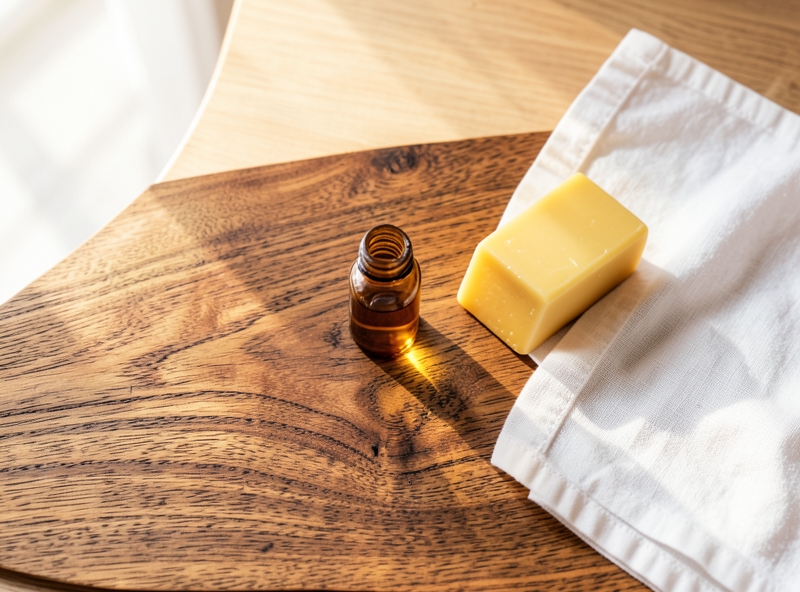
Once the wood has been "saturated" with oil, beeswax acts as the final protective barrier. Unlike industrial chemicals, beeswax creates a soft matte finish that is non-greasy yet provides effective waterproofing. This layer prevents the penetration of moisture and dirt while subtly highlighting the wood grain patterns.
"Caring for objects with pure ingredients is how we cherish their presence in our daily lives, minimizing waste and finding peace in meticulous tasks."
To perform the wood nourishing process at home, you can follow these simple steps:
- Clean the surface: Use a damp cloth to wipe away dust and let the wood dry completely.
- Apply mineral oil: Use a soft microfiber cloth soaked in mineral oil and wipe evenly along the wood grain. Let the oil penetrate for about 15-20 minutes, then wipe off any excess.
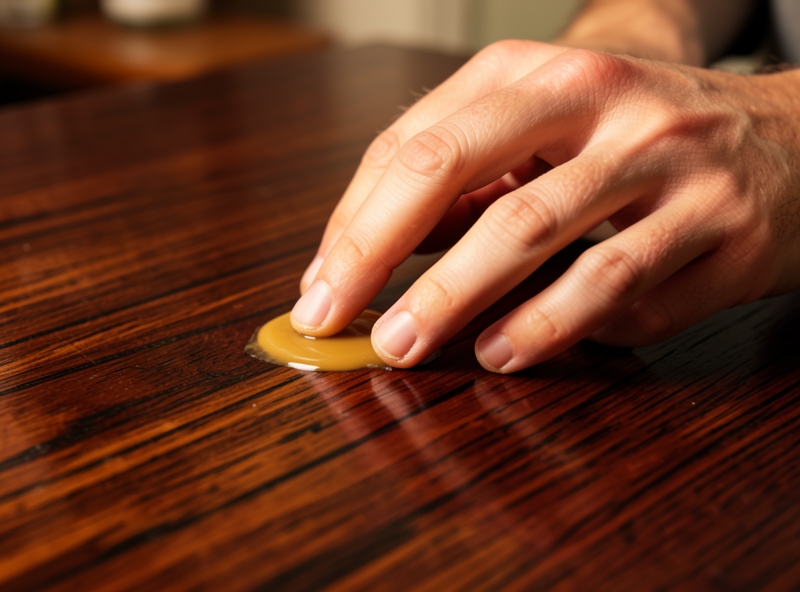
- Coat with beeswax: Take a small amount of beeswax (or a beeswax-oil mixture) and apply it evenly to the surface in circular motions.
- Light buffing: After about 30 minutes, use a clean cloth to buff the surface again to create a smooth finish and a warm feel to the touch.
| Characteristics | Mineral Oil | Beeswax |
|---|---|---|
| Main Function | Deep penetration, moisturizing, anti-cracking | Creates protective layer, waterproofing |
| Visual Effect | Darkens natural wood color | Creates an elegant matte finish |
| Safety | Food safe (Food Grade type) | Completely natural, non-toxic |
A minimalist lifestyle guides us toward smart consumption by choosing sustainable solutions. Maintaining a regular maintenance routine with beeswax and mineral oil not only extends the lifespan of wooden furniture but also helps us better understand the value of time settled on every wood fiber, bringing relaxation and a deep connection to our living space.
4. Termite Prevention Strategies and Handling Environmental Impacts
Imagine your home as a living organism, and your wooden furniture as its precious skeletal system. Termites are like silent "viruses"—they don't attack loudly but gnaw away from the inside. To protect this "body," we don't just need to treat it when sick; more importantly, we must build a strong immune system from the surrounding environment.
"Don't wait until you see wood dust falling to worry about termite control. A dry home is a steel shield that no insect wants to penetrate."
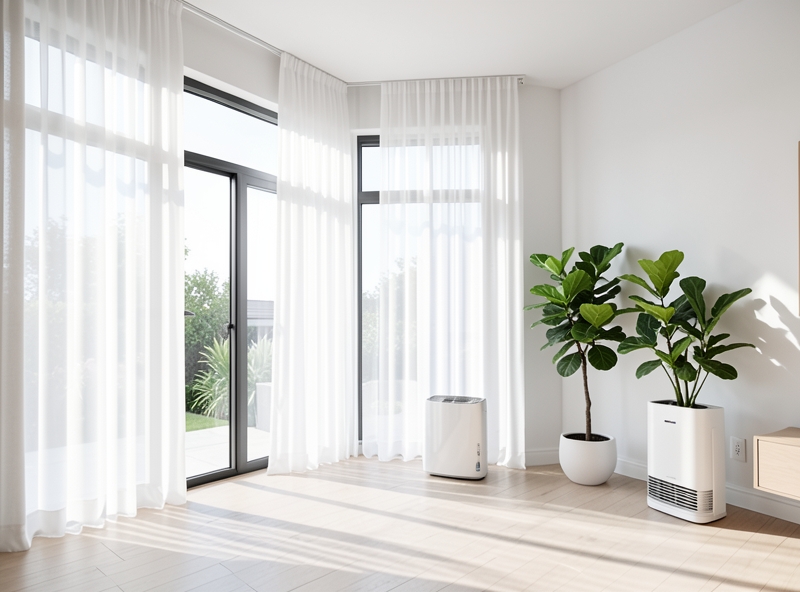
Moisture is both the "paradise" and the favorite "side dish" for termites. Dry wood is naturally hard and difficult to chew, but when soaked in water, it becomes soft and sweet to termites. Therefore, the first step in your defense strategy is moisture control. Pay close attention to wall corners, under cabinets, or areas with leaking pipes. Keeping your home airy and welcoming natural sunlight is like hanging blankets out in the sun—it kills mold and strips termites of their chance to survive.
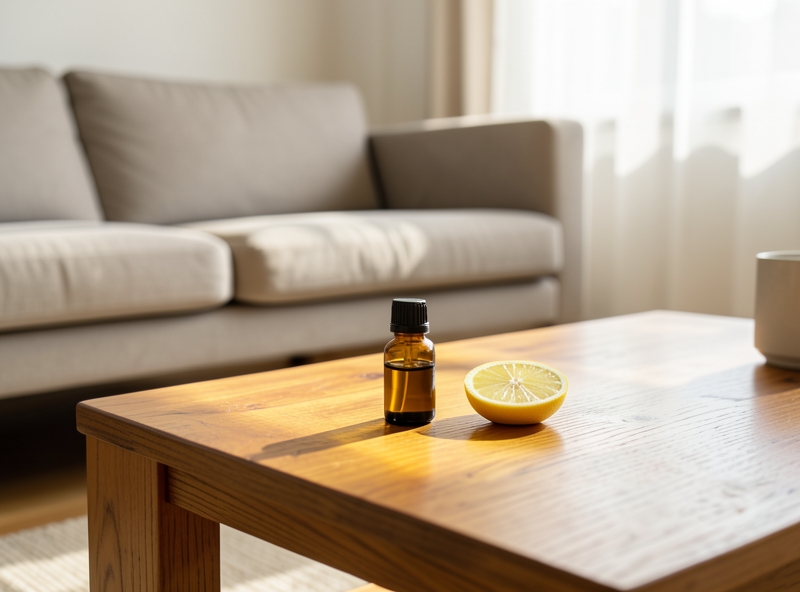
In addition to keeping things dry, you can set up an invisible "security fence" using natural essential oils. This method is civilized, fragrant, and extremely safe for your health:
- Orange oil: Orange peels contain D-limonene, an active ingredient that can dissolve the termite's exoskeleton, causing them to dehydrate and perish.
- Lemongrass or Neem oil: Their scent acts like a "No Entry" sign for wood-boring insects.
- How to use: Simply dilute the essential oil with water or alcohol, then spray into crevices and cabinet hollows on a monthly basis.
Next, we need to deal with another invisible "enemy": weather fluctuations. In hot, humid, or erratically dry climates, wooden furniture often "breathes." When it's humid, wood "drinks water" and expands; when it's dry, wood "dehydrates" and shrinks. This sudden change is the reason doors get stuck, tabletops crack, or cabinets warp.
To handle this situation, take a look at the seasonal furniture care comparison table below for appropriate solutions:
| Weather Condition | Impact on Wood | Protection Strategy |
|---|---|---|
| Hot & Humid (Rainy/Humid Season) | Wood swells, prone to mold and termites. | Use a dehumidifier, avoid wiping with overly wet cloths, keep doors closed. |
| Dry & Arid (Winter/Harsh Sunlight) | Wood shrinks, hairline cracks appear, becomes brittle. | Use a humidifier, avoid placing furniture in direct sunlight or near heat sources. |
A small but extremely effective tip is to use beeswax or specialized wood conditioners. This is just like applying moisturizer to prevent cracked skin in winter. This layer of wax fills the tiny pores on the wood surface, preventing moisture from penetrating too deeply or escaping too quickly, keeping the wood structure in a balanced and durable state over time.
5. Frequently Asked Questions (FAQ)
In my journeys through remote villages, from the stilt houses of the White Thai people to ancient manors in the French countryside, I have realized that caring for household items is not merely maintenance, but a silent dialogue between humans and the soul of objects. Below are the most common concerns I have gathered from practice and anthropological records on sustainable living.
How often should beeswax be applied to wood surfaces?
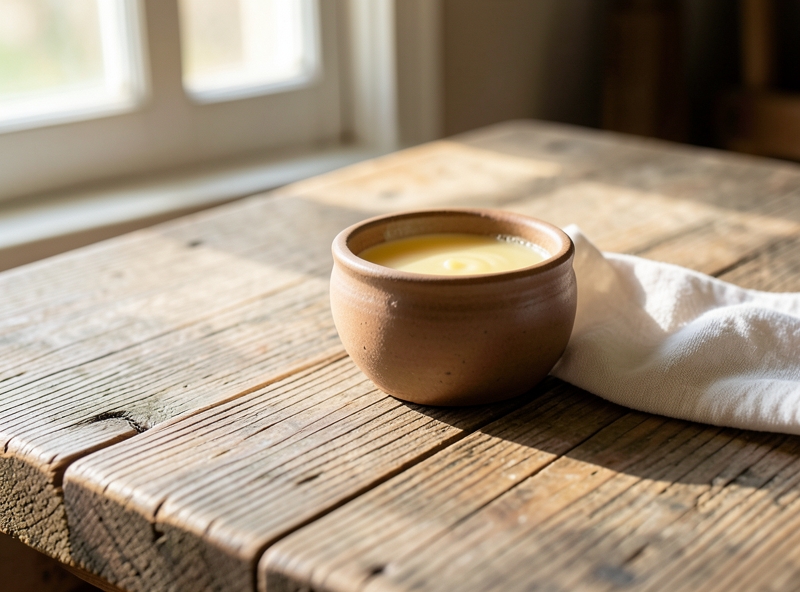
In a slow-living culture, beeswax acts like a protective membrane for the wood's breath. The ideal frequency is usually every 3 to 6 months. However, this depends on the "temperament" of the living environment. In arid climates or places where furniture is exposed to direct sunlight, wood easily loses its natural moisture and needs to be soothed with beeswax more frequently to prevent cracking.
| Impact Factor | Recommended Frequency | Signs Maintenance is Needed |
|---|---|---|
| High Humidity (Northern Monsoon Season) | Every 6 months | Dull surface, signs of light mold |
| Arid/Harsh Sunlight | Every 3 months | Rough wood, appearance of small cracks |
| Daily Use (Dining Table) | Every 1-2 months | Loss of sheen, rapid water absorption |
Should cooking oil be used as a substitute for Mineral Oil?
This is a common mistake I often see in modern kitchens. Cooking oils (such as peanut, sunflower, or olive oil) are organic compounds that oxidize easily. Over time, they become rancid, creating unpleasant odors and becoming a breeding ground for bacteria. Conversely, pure mineral oil is an odorless, colorless option that never spoils, keeping your cutting boards and wooden items in their purest state.
"Scratches are not damage; they are the wrinkles of time, telling the story of an object's existence in the flow of life."
How can you tell if wood has been deeply infested by termites or woodworms?
Termites are silent enemies, the hollowers of history from within. To identify them, use the ears and touch of an observer. When tapping lightly on the wood surface, if it produces a hollow "thud" instead of a solid sound, it is a sign of internal decay. Additionally, watch for tiny sand-like particles (frass) accumulating at the base of the furniture or tiny, sharp-edged holes on the surface – these are undeniable traces of deep invasion.
How to treat light scratches on oil-finished wood surfaces?
For wood surfaces already saturated with conditioning oil, healing a scratch is more of a "rebirth" than a repair. Use fine sandpaper (320 grit or higher) to gently sand along the grain at the damaged spot. After wiping away the wood dust, apply a new layer of mineral oil or conditioning wax to the area. The wood will absorb the nutrients, and the scratch will fade, blending into the whole as if there were never a separation.
- Always test on a hidden corner before applying to the entire surface.
- Use a microfiber cloth to avoid creating new fine scratches.
- Patiently wait for the oil to penetrate deep into each grain before wiping away the excess.