1. Overview of Vegan Fashion and Responsible Consumption Trends
Every luxury leather bag or sleek boot may quietly consume over 17,000 liters of water and release a barrage of persistent toxins before reaching store shelves. Vegan Fashion emerged not as a fleeting trend, but as a definitive answer to the ethical and environmental crisis of the luxury industry. At its core, vegan fashion commits to using zero animal-derived materials—from leather, fur, wool, and silk to animal-based glues—while completely eliminating animal testing across the entire supply chain.
The boom of this trend marks a historic transformation: redefining the concept of "luxury." Today, a high-value item is no longer measured by the rarity of crocodile skin or the softness of mink fur, but is valued by the intellectual capital, biotechnology, and humanity behind its production process.
"Modern luxury craftsmanship no longer lies in subjugating nature or taking lives, but in peak creativity that leaves no harm to the planet."
The momentum driving this large-scale shift stems from three psychological and practical pillars of responsible consumers:
- Humanitarianism and Compassion: A desire to end the bloody supply chain. Billions of animals are captive and slaughtered every year merely for short-term aesthetic purposes—a price far too steep that leaves consumers in a state of internal value conflict.
- Pressure to Mitigate Climate Change: The livestock industry for leather contributes up to 14.5% of total global greenhouse gas emissions, alongside discharging heavy metal chemicals from tanning into natural water sources. Choosing vegan materials is a direct action to reduce carbon footprints.
- Alleviating Eco-Anxiety: Consumers seek shopping experiences that offer peace of mind and pride, where every garment or pair of shoes they wear accurately reflects the humanistic core values they pursue.
Market purchasing power is experiencing explosive growth driven by two main customer segments: Gen Z and Millennials. International market statistics indicate that over 73% of young consumers are willing to pay higher prices for products with sustainability certifications. They are not merely buying a product; they are investing their trust in the brand's business philosophy.
| Comparison Criteria | Traditional Fashion (Animal Leather/Fur) | Next-Gen Vegan Fashion (Bio-Materials) |
|---|---|---|
| Environmental Impact | Consumes immense water resources, emits methane gas, and releases toxic chemicals from the tanning process. | Cuts carbon emissions by up to 80%, saves water, and optimizes biodegradability. |
| Ethical Value | Directly exploits and harms animal lives within the supply chain. | 100% Cruelty-Free, protecting biodiversity and natural ecosystems. |
| Technological Breakthrough | Relies on traditional chemical treatments, with limited room for innovation. | Applies pineapple leaf fiber (Piñatex), mushroom leather (Mycelium), and cactus leather with texture and durability comparable to real leather. |
The rise of vegan fashion does not stop at material replacement. It is a revolution in mindset restructuring: shifting from short-term, disposable ownership (Fast Fashion) to responsible, long-term investment. Wardrobe choices now serve as the most powerful declaration of a refined, conscious lifestyle committed to the future of our planet.
2. Review of Popular Plant-Based Alternatives to Animal Leather and Fur
An uncomfortable truth: Industrial leather tanning discharges millions of liters of wastewater containing highly toxic hexavalent chromium into the environment, while conventional Simili or PU synthetic leather is simply petroleum-based plastic that takes centuries to decompose into microplastics. Today’s luxury fashion consumers are no longer easily misled by "vegan leather" slogans attached to cheap plastic materials. The rise of next-generation bio-materials offers a comprehensive solution: maintaining luxury aesthetics, exceptional durability, and completely eliminating cruelty to animals.
Below is an in-depth review of 5 plant-based materials reshaping the definition of luxury in the global fashion industry.
Pineapple Leather (Piñatex): A Breakthrough from Agricultural Waste
Developed from pineapple leaf fibers—a byproduct typically discarded or burned after fruit harvesting—Piñatex creates a perfect circular value chain. The mechanical decortication process requires no additional land, water, or fertilizer resources.
Once extracted, the fibers are rolled and undergo a bio-process to form a flexible non-woven mesh. The finished product is coated with a bio-resin to enhance weather resistance. Piñatex features a naturally wrinkled texture, high elasticity, breathability, and is 30% lighter than genuine leather. It is an ideal choice for sneakers, travel bags, and premium street style apparel.
Cactus Leather (Desserto): A New Era of Durability from the Desert
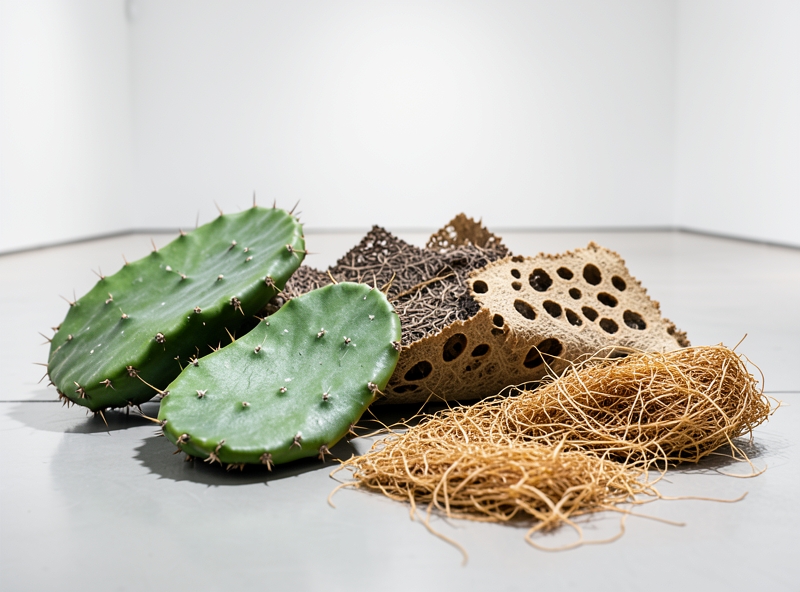
Extracted from the Nopal cactus grown in arid regions, Desserto is a symbol of optimized green technology. Cacti absorb massive amounts of atmospheric carbon and require only natural rainwater to grow. The harvesting process involves cutting only mature leaves, allowing the plant to remain alive and continuously regenerate for up to 10 years.
The cactus leaves are crushed, sun-dried for 3 days, and then mixed with non-toxic binders. The result is a soft, smooth material with incredible breathability and tear resistance comparable to high-grade cowhide. Desserto is fully water-resistant, mold-resistant, and boasts a lifespan of up to 10 years.
Apple Leather (AppleSkin): Alluring Softness from the Food Industry
Originating from the juice and jam manufacturing industry, apple pomace (including peel, seeds, and fiber) accounts for up to 50% of the fruit's weight discarded each year. Modern technology dries, grinds it into a fine powder, and blends this pomace with bio-based polyurethane to create AppleSkin.
With a natural component ratio of over 50%, AppleSkin provides a soft, smooth feel akin to goat leather or vegetable-tanned calfskin. This material reduces the carbon footprint by 50% compared to pure synthetic plastic production, making it a top choice for premium wallets, belts, and shoe linings.
Mushroom Leather (Mylo & Muskin): The Future of Haute Couture Fashion
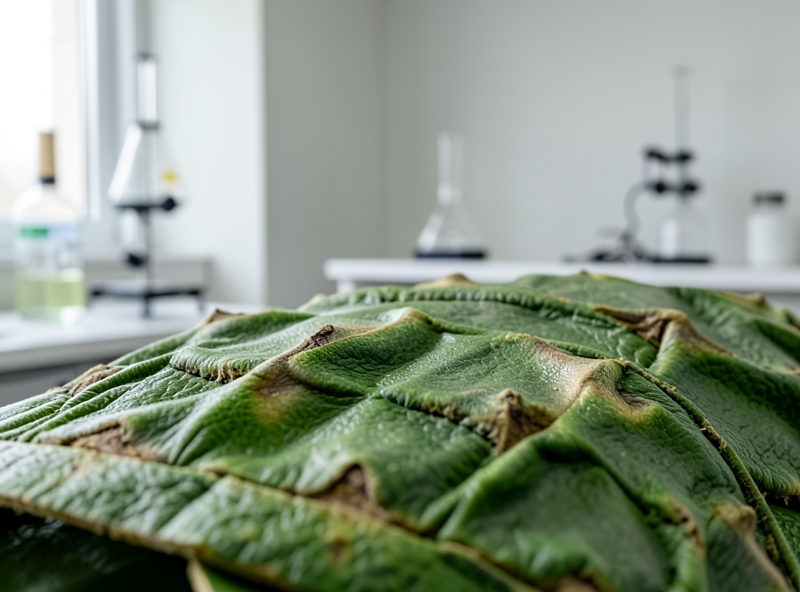
Without using any harvested plant components, mushroom leather is grown entirely from mycelium—the underground root network of fungi. In a strictly controlled laboratory environment regulating temperature and humidity, mycelium cells grow tightly bound together into a flexible, spongy sheet of material in just a few weeks.
This technology saves 99% of water and land compared to livestock farming while completely eliminating toxic chemicals. Mushroom leathers like Mylo or Muskin possess a natural cellular structure identical to genuine leather, offering a surface soft as suede and 100% biodegradability at the end of its life cycle. Leading luxury fashion houses have already applied mushroom leather to expensive limited-edition collections.
Bio-based Faux Fur: Warmth Without Sacrificing Life
Completely distinct from traditional artificial fur made from hard-to-decompose acrylic fibers, bio-based faux fur utilizes corn sugar components (Bio-PDO) combined with recycled fibers. This combination reduces energy consumption by 63% and sharply cuts greenhouse gas emissions.
This material perfectly replicates the supple drape, luster, and fiber density of natural mink or fox fur. Each bio-fiber delivers superior thermal retention and can be easily dyed in vivid Haute Couture hues without matting or stiffening over extended use.
"True 21st-century luxury is not measured by the costly toll on living beings, but defined by technological intelligence in complete harmony with the ecosystem."
| Material | Physical Origin | Key Ecological Benefits | Surface Characteristics & Applications |
|---|---|---|---|
| Piñatex | Pineapple leaves (Agricultural byproduct) | Requires no additional farming land/water, generates income for farmers. | Naturally wrinkled surface, durable, breathable. Ideal for shoes, travel bags. |
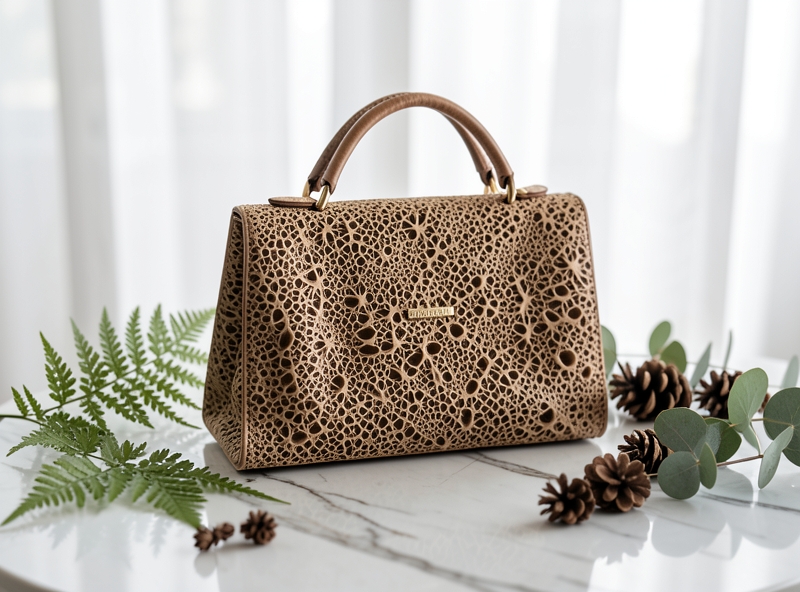
| Desserto | Nopal cactus | No irrigation system needed, harvesting does not harm the parent plant. | Smooth, good elasticity, water- and mold-resistant. Ideal for furniture, luxury handbags. |
| AppleSkin | Apple pomace (Juice industry byproduct) | Upcycles food waste, reduces carbon footprint by 50%. | Soft like goat leather, smooth finish. Ideal for small accessories, wallets, watch straps. |
| Mushroom Leather (Mylo/Muskin) | Mycelium | Growth cycle measured in days, 100% biodegradable. | Feels like high-end suede, luxurious. Ideal for Haute Couture fashion. |
| Bio-Faux Fur | Bio-corn sugar & Recycled fibers | Saves 63% production energy compared to petrochemical plastics. | Lustrous, soft, excellent heat retention. Ideal for luxury coats, decorative rugs. |
Choosing bio-based materials is not merely a passing trend, but a smart investment decision for your personal wardrobe. You achieve a high-class, stylish look without carrying any environmental or ethical guilt.
3. Evaluating Durability and Practical Application Compared to Traditional Leather
The harsh reality: most consumers remain skeptical that plant-based leather is merely a greenwashing gimmick—stylish when purchased, but prone to cracking and peeling after just a few months of use. To offer a fair assessment, we must strip away emotional factors and analyze the material structure from a purely technical perspective.
Regarding mechanical durability, next-generation plant leathers made from cactus (Desserto), pineapple (Piñatex), or mushroom (Mylo) have far surpassed the stereotype of "fragile vegan products." Tensile strength test results show that cactus leather achieves 28 - 35 MPa, approaching high-grade tanned cowhide (30 - 45 MPa) and completely outperforming traditional petrochemical PU leather (which only reaches 10 - 15 MPa). The density of natural fibers in pineapple leaves and mushroom mycelium creates a multi-dimensional interconnected network, giving the product tear resistance and an elastic recovery rate of up to 92% after continuous tension and compression deformation.
Scratch resistance and water resistance were once fatal weaknesses of bio-materials. Today, thanks to reinforced Bio-PU coating technology extracted from soybean or corn oil, plant-based leather achieves an ISO 811 standard water resistance rating (withstanding water column pressure > 5000mm H2O). The material surface can withstand over 100,000 Martindale abrasion cycles without showing signs of fraying or deformation.
| Evaluation Criteria | Next-Gen Plant-Based Leather (Bio-leather) | Traditional Animal Leather (Full-grain) | Petrochemical Synthetic Leather (PU/PVC) |
|---|---|---|---|
| Average Lifespan | 7 - 12 years (depending on plant source) | 15 - 30+ years (develops a rich patina over time) | 2 - 4 years (highly prone to cracking and aging) |
| Tensile Strength | Very high (28 - 35 MPa) | Extremely high (30 - 45 MPa) | Low - Medium (10 - 15 MPa) |
| Water Resistance & Maintenance Cost | Naturally water-resistant, minimal maintenance | Prone to water absorption, requires periodic conditioning | Good water resistance, unrepairable when damaged |
| Environmental Impact | Low carbon footprint, biodegradable | Resource-intensive, toxic tanning chemical waste | Generates microplastic waste, non-biodegradable |
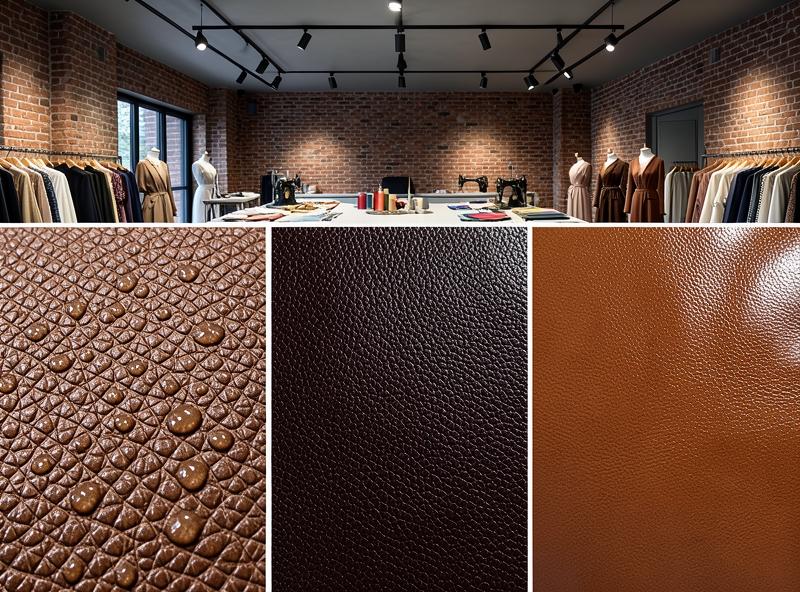
Despite possessing impressive specifications, the biggest limitation of plant-based leather lies in its patina development. Unlike animal leather, which develops a richer sheen and distinct character over time, plant-based leather maintains a stable original color but lacks this aging process. Additionally, adhesion between the bio-coating layer and the natural fiber core still requires the help of cross-linking agents to prevent delamination after 10 years of use.
"Modern luxury is not about depleting natural resources or clinging to materials that have existed for centuries; it lies in engineering materials that withstand the test of time without leaving scars on the planet."
To optimize the lifespan of fashion items made from plant-based leather, proper care habits play a decisive role:
- Stay away from harsh cleaning chemicals: Use only a soft cloth dampened with warm water or a mild neutral soap solution to wipe away surface stains. Absolutely refrain from using alcohol or industrial solvents.
- Control environmental humidity: Despite good water resistance, the natural plant-fiber core remains sensitive to prolonged moisture and mold. Store products in a cool, well-ventilated area with an ideal humidity level of 50% to 60%.
- Avoid overusing mineral oil-based polishes: Plant-based leather cannot absorb animal oils or heavy mineral waxes. Use a specialized water-based conditioner once every six months to maintain flexibility.
4. Aesthetics and the Footprint of Vegan Fashion on the Modern Runway
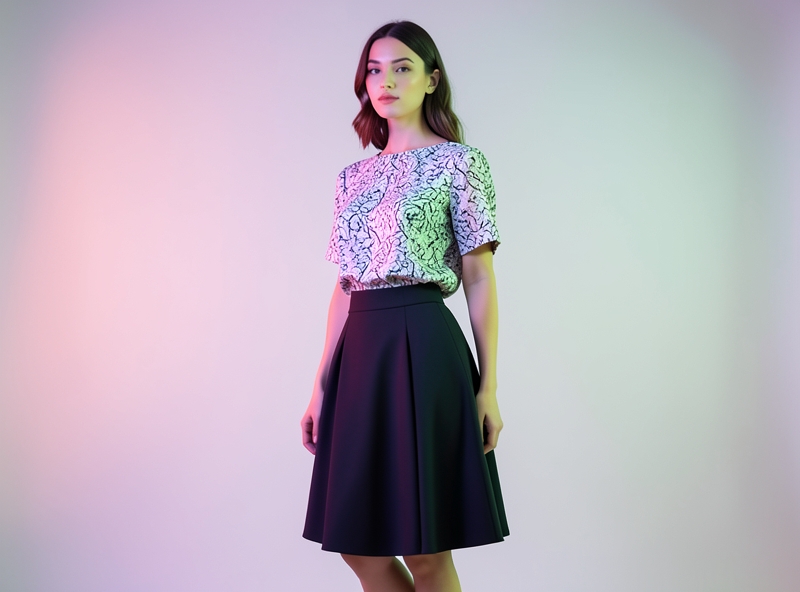
The stereotype that vegan materials are merely stiff, cheap "faux leather plastic" has been completely shattered. The emergence of next-generation biomaterials has ignited a pinnacle aesthetic revolution, where ethics no longer demand compromises in visual appeal or luxurious feel.
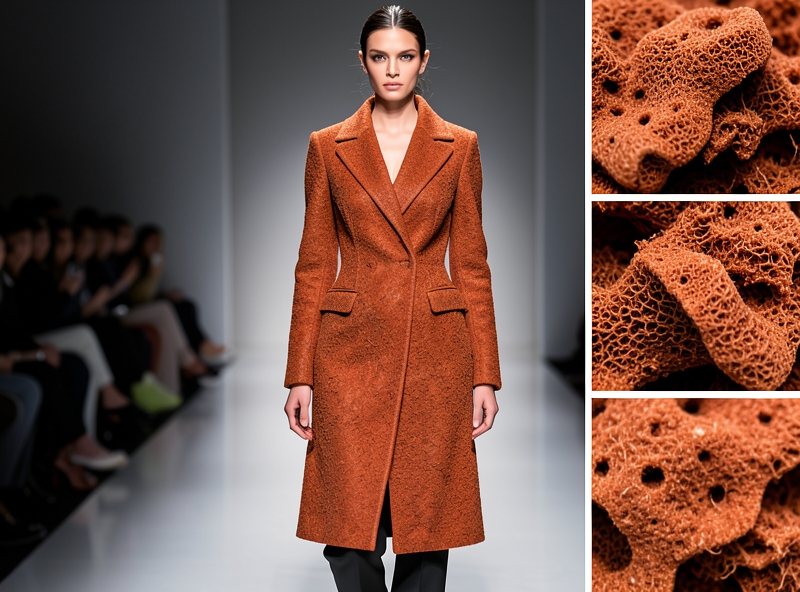
In terms of tactile experience (Handfeel), premium bio-leather achieves absolute softness, perfectly recreating the plush feel of high-end lambskin while possessing superior breathability. Material lines from mushroom (Mycelium) or pineapple fiber (Piñatex) feature a natural woven fiber structure, creating a surface with vivid textured depth that catches light naturally without the need for artificial glossy coatings.
Regarding color and surface effects, plant-based dyeing technology and mineral extractions allow vegan materials to achieve exceptionally rich color saturation—from subtle earth tones to vibrant neon shades. Colorfastness on bio-leather far surpasses traditional animal leather thanks to a uniform molecular bonding structure, avoiding patchy fading or surface cracking when exposed to harsh environments.
The ability to maintain silhouettes serves as a solid foundation for designers constructing garment shapes. Significantly lighter than traditional leather yet possessing superior elasticity, vegan materials enable the creation of structured garment architectures with sharp tailoring while retaining their natural drape.
| Aesthetic Criteria | Traditional Animal Leather | Next-Generation Bio-Based Vegan Leather |
|---|---|---|
| Tactile Experience | Soft but heavy, prone to stiffening in low humidity. | Soft, lightweight, flexibly adapting to body temperature. |
| Color Saturation | Good, but prone to cracking or fading over time. | Vibrant, high colorfastness due to uniform bio-fiber bonding. |
| Silhouette Shaping | Holds shape well but is heavy, limiting lightweight drape. | Maintains sharp architectural structure, versatile from rigid to draped silhouettes. |
The footprint of vegan fashion is no longer merely experimental concept work; it has taken over the most prestigious fashion capitals. Stella McCartney solidified her pioneering position by launching the Frayme Mylo bag line made entirely from mushroom roots, marking a historic turning point in the fusion of luxury aesthetics and biotechnology. Craftsmanship icon Hermès also demonstrated foresight by collaborating with MycoWorks to re-imagine the classic Victoria travel bag using Sylvania material—proving that even the most stringent standards of high fashion can be completely conquered by vegan materials.
In the commercial retail segment, this revolution is unfolding at breakneck speed. Adidas upgraded its decades-old living icon with the Stan Smith Mylo and Stan Smith Vegan versions, maintaining the legendary retro silhouette while completely replacing materials with eco-friendly alternatives. Meanwhile, H&M's Innovation Stories collections continuously utilize Vegea (crafted from winemaking byproducts) and Piñatex, turning red-carpet-worthy designs into accessible pieces while remaining infused with avant-garde flair.
"High fashion today no longer defines luxury by the scarcity of natural resources, but by the pinnacle of intellect in creating alternative materials with superior aesthetic qualities."
The dominant presence ranging from Haute Couture houses to sportswear giants has cemented the unrivaled position of vegan fashion: It is not a fleeting trend, but the new aesthetic standard shaping the entire modern fashion industry.
5. Frequently Asked Questions (FAQ)
The line between authentic sustainable fashion and greenwashing tricks is thinner than ever. Many consumers are willing to spend money on a vegan lifestyle, only to receive low-quality, toxic synthetic plastic products. Below is a candid breakdown from experts to help clear up all doubts and make smart investment decisions.
Q1: Is vegan fashion more expensive than traditional fashion?
Not entirely. If you compare a cactus leather bag to a Polyurethane (PU) bag from fast fashion brands, plant-based vegan fashion is certainly priced higher. However, when compared to mid-to-high-end animal leather, vegan fashion offers a more optimal price point, 20% to 30% lower while providing equivalent utility value.
The price difference lies in proprietary R&D technology, organic harvesting processes, and Fair Trade certified labor costs. Considering the Cost Per Wear metric, high-quality plant-based leather is a genuinely smart investment thanks to its durability that lasts decades, without peeling or cracking like cheap synthetic leather.
Q2: Is plant-based leather 100% biodegradable?
The hard truth: Nearly 90% of plant-based leather on the market today CANNOT fully biodegrade 100% in natural environments. This is an information gap that most brands intentionally ignore.
Famous materials like Piñatex (from pineapple leaves) or AppleSkin (from apple peels) still require blending with 20% to 50% bio-plastics (Bio-PU) or Polyurethane to reinforce structure, add elasticity, and provide water resistance. Currently, only a few pioneering technologies like MIRUM® achieve 100% bio-based origin and complete biodegradability because they contain zero plastics. Always ask to see the Material Safety Data Sheet (MSDS) if biodegradability is your top priority.
Q3: How do you distinguish between plant-based vegan leather and synthetic plastic leather (PU/PVC)?
The "Vegan Leather" label is often abused by fast fashion manufacturers to tag cheap PU/PVC plastic products. To avoid wasting your money, apply these 3 practical in-store test methods:
- Smell: PU/PVC plastic leather emits a strong chemical smell or harsh plastic odor upon close inspection. In contrast, plant-based leather has a natural organic earthiness, a faint woody scent, or is completely neutral.
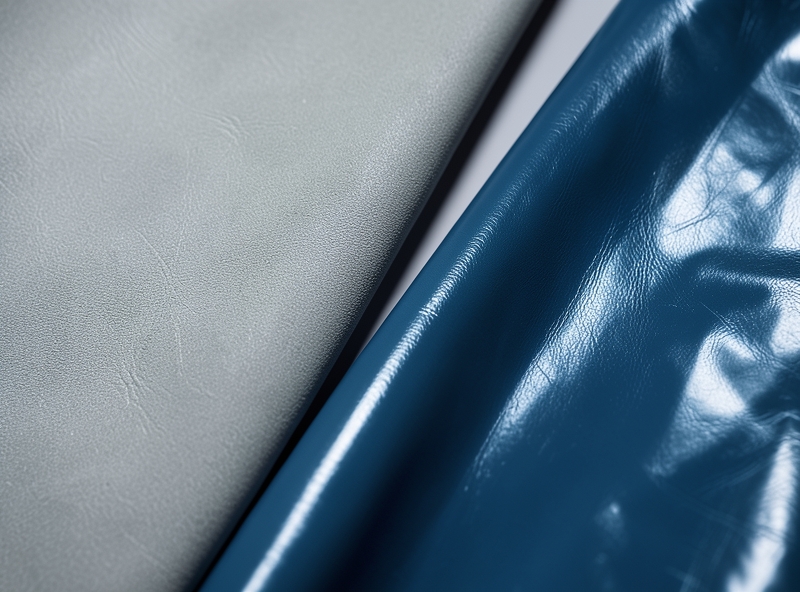
- Thermal Feel & Surface: Synthetic plastic feels artificially glossy, cold, and completely non-breathable. Plant-based leather adapts quickly to body temperature, features a naturally textured surface, is breathable, and displays unique, non-repeating grain patterns.
- Elasticity Test (Wrinkle Test): Press your finger firmly onto the product surface. Premium plant-based leather will form fine, natural micro-wrinkles and bounce back immediately. Meanwhile, faux plastic leather remains rigid, unchanged, or leaves permanent creasing.
| Comparison Criteria | Premium Plant-Based Leather | Synthetic Plastic Leather (PU/PVC) | Traditional Animal Leather |
|---|---|---|---|
| Origin | Cactus, pineapple, apple, mushroom, natural rubber | Petroleum derivatives (Plastic) | Animal hide processed with chemicals |
| Environmental Friendliness | Very high (80% lower carbon footprint) | Very low (Generates microplastics, non-biodegradable) | Low (Causes water pollution due to tanning) |
| Durability & Reusability | 7–15 years (No peeling) | 1–3 years (Prone to cracking and peeling) | 20+ years (Requires continuous maintenance) |
"The true luxury of modern fashion lies not in exorbitant prices or heritage brands, but in the knowledge and responsibility behind every purchase decision you make."