1. The World of Rodents: From Survival Instinct to the Need for Happiness
In recent years, the trend of bringing nature into modern living spaces has boosted the popularity of small rodents like Hamsters and Guinea Pigs. These tiny creatures not only bring joy with their adorable appearance but also serve as a bridge helping humans learn patience and understand the smallest links in the ecosystem. However, behind their presence in cages lies a complex world of psychophysiology, where survival instincts from millions of years ago still persist and demand respect.
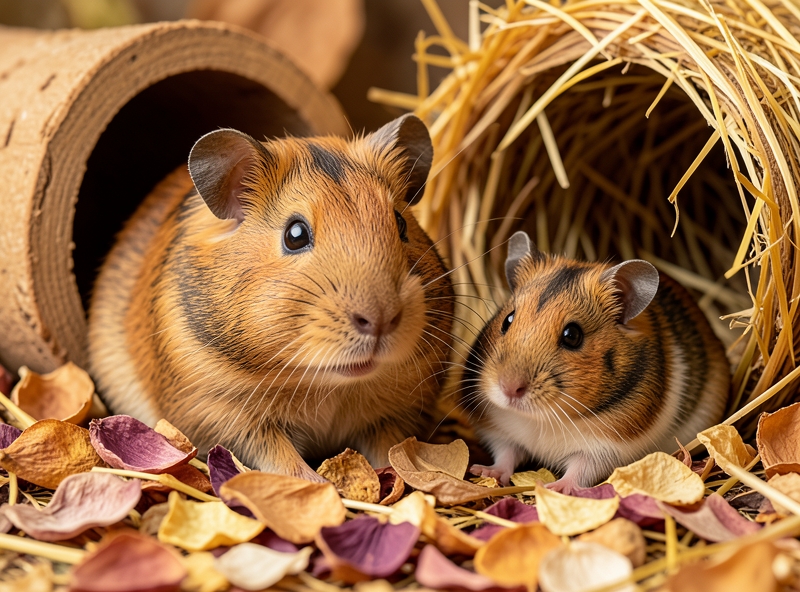
Nurturing a Hamster or Guinea Pig is not simply about providing food and water. To build a quality living environment, owners need to understand the core differences in their lifestyles:
- Hamsters: Solitary "burrowing engineers," nocturnal, needing enough space to run and store food according to their hoarding instinct.
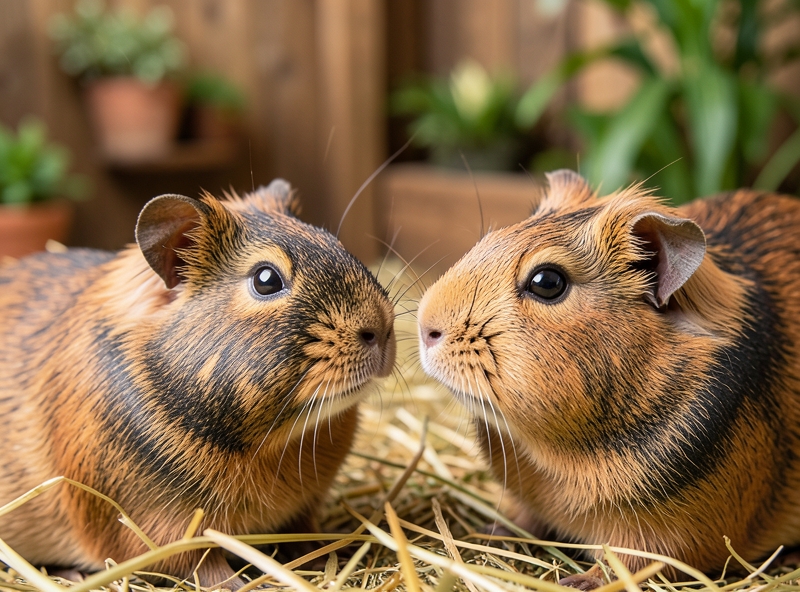
- Guinea Pigs: Highly social creatures, sensitive and requiring interaction with their own kind to avoid falling into states of depression or prolonged anxiety.
From a sustainable lifestyle perspective, caring for rodents is also a choice of materials. Instead of using synthetic plastics or chemical fragrances in bedding, replacing them with dried straw, hemp fibers, or recycled paper not only protects the pet's sensitive respiratory system but also minimizes the carbon footprint on the environment. A living environment that closely simulates nature is the key to relieving psychological pressure, helping them avoid negative behaviors such as gnawing on cage bars or self-plucking fur due to stress.
"The happiness of a tiny creature is not measured by the size of the cage, but by their ability to freely express the most natural behaviors of their species."
| Impact Factor | Impact on Pet Psychology | Green & Sustainable Solutions |
|---|---|---|
| Living Space | Reduces confinement, avoids chronic stress. | Use FSC-certified natural wood cages or recycled glass tanks. |
| Bedding | Keeps warm, facilitates burrowing and hiding. | Prioritize odorless compressed wood, organic straw, or natural sand. |
| Toys & Accessories | Stimulates intellect and maintains physical activity. | Utilize cardboard tubes, treated dried fruit tree branches (apple, guava). |
Understanding the psychophysiology of rodents is the first and most important step in the journey of responsible care. When we create a living space based on empathy and respect for nature, we not only receive a bond from our pets but are also practicing a kind and sustainable lifestyle with all life forms around us.
2. Decoding Social Behavior: The Difference Between Hamsters and Guinea Pigs
In the journey of exploring the world of these small creatures, we realize that each species carries its own distinct "evolutionary heritage," much like different cultures on an anthropological map. While Hamsters are solitary wanderers on the arid steppes of Syria, Guinea Pigs are inhabitants of cohesive tribal communities in the majestic Andes mountains. Understanding this social identity is not just knowledge for nurturing, but also a sign of respect for the soul of each species.
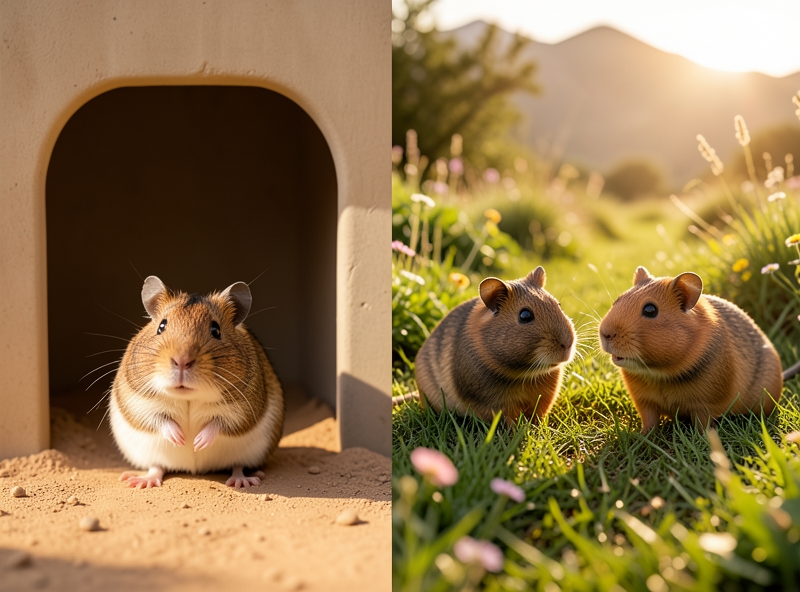
Hamsters, especially the Syrian Hamster (Teddy Bear Hamster), are true "hermits." In the wild, their survival depends on the ability to protect their territory and scarce resources. An unwanted encounter between two adult Hamsters usually ends in fierce conflict. This instinct is so powerful that forcing them to live together in a cramped space is a serious violation of their natural behavior, causing chronic stress for the animal.
"For a Hamster, solitude is not sadness, but a fortress of peace. Conversely, for a Guinea Pig, loneliness is a cruel sentence for their psyche."
In stark contrast, Guinea Pigs carry the blood of herd entities. They build a society with hierarchy, mutual support, and a rich system of vocal language. A Guinea Pig kept alone often falls into a state of melancholy, and may even suffer from a weakened immune system. They need the presence of their own kind to feel safe, to "talk" together, and to perform the characteristic communication rituals of their species.
| Social Characteristics | Hamster (The Solitary) | Guinea Pig (The Tribal Member) |
|---|---|---|
| Need for companionship | Absolutely not (Lives alone). | Mandatory (Should be kept in pairs or groups). |
| Territoriality | Very high, ready to fight to protect their space. | Low, inclined toward sharing living space. |
| Communication language | Mainly through scent and high-frequency auditory signals. | Diverse sound system: "wheek" sounds, purring, and squealing. |
To establish a humane nurturing regime, owners need to learn how to read the subtle signals from their bodies and sounds. This is the key to creating a living environment in harmony with the pet's primitive nature:
- Hamsters - Vigilance: When a Hamster stands on its hind legs with ears erect, it is a symbol of curiosity mixed with alertness. If they lie on their back and show their teeth, it is a signal of extreme fear or readiness to defend.
- Guinea Pigs - An Acoustic Symphony: A long "wheek wheek" is usually a greeting or a demand for food. The "popcorning" action (sudden jumping up) is a testament to pure happiness, a dance of freedom in a safe space.
- Human Interaction: Hamsters need patience to be tamed through gentle steps, while Guinea Pigs need regular stroking time to maintain social bonds.
Correctly identifying social behavior helps us escape the trap of blindly "anthropomorphizing" pets. Instead of imposing human definitions of happiness on them, we choose to step back, observe, and provide exactly what their instincts crave – whether that is a solitary kingdom of their own or a noisy, bustling family.
3. Identifying Signs of Stress and Common Causes of Tension
Have you ever wondered why a normally gentle dog suddenly growls when you approach, or why a beloved cat starts urinating in the wrong places despite being well-behaved before? Pets cannot speak, but their bodies and behaviors are the most honest "witnesses" reflecting their mental health status. Do not mistake stress as something only for humans; the world of our four-legged friends is also full of invisible pressures that we sometimes unintentionally overlook.
Imagine being locked in a narrow room with loud music blaring 24/7, with nothing to entertain you—how would you feel? Pets are the same. When stress reaches its threshold, they begin to send out SOS signals through unusual actions. Most easily seen is the phenomenon of "cage biting" in rodents or pet birds; this is a sign of frustration when the living space is too confined. Or the act of dogs and cats running in circles aimlessly and continuously, licking their fur to the point of leaving bald patches of skin—that is when they are trying to soothe themselves in the face of some anxiety.
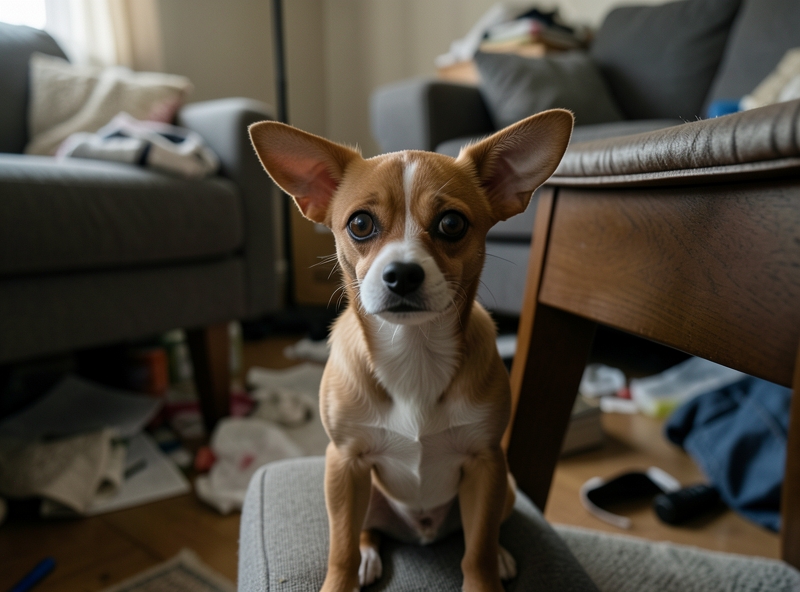
To help you easily grasp this, try comparing your pet's behavior with the checklist below:
| Identifying Signs | Specific Manifestations |
|---|---|
| Repetitive behaviors | Running in circles, tail chasing, pacing back and forth continuously over a short distance. |
| Changes in eating habits | Skipping meals, loss of appetite, or eating too fast due to feelings of insecurity. |
| Overreaction | Becoming aggressive, easily startled, or hiding in dark corners. |
| Destructiveness | Tearing up sofas, shoes, or causing self-injury. |
So, what has "stolen" their peace? Most stressors often stem from the very living environment we establish. A cramped space lacking natural light is no different from a box imprisoning their freedom. Furthermore, a lack of brain-stimulating toys or interactive activities causes pets to fall into a state of "idle hands are the devil's workshop," which eventually leads to depression.
In particular, a pet's hearing is many times more sensitive than a human's. An environment that is too noisy with car horns, excessively loud TV sounds, or construction noise next door can be an ordeal for them. Sudden changes in the family, such as the addition of a new member or a change in your daily routine, can also make pets feel "left out" and anxious about their status in the home.
"Stress in pets is not just a psychological issue; it is the beginning of many digestive and immune system ailments. Understanding how to love them correctly is the key to helping them live longer by your side."
Identifying these signs early not only helps you promptly adjust the living space but also strengthens the bond between owner and pet. Sometimes, just a quiet corner, a few new toys, or simply reducing unnecessary noise can help your little friend find balance in this busy life again.
4. Designing Nature-Inspired Living Spaces to Optimize Happiness
Gone are the days when pets were confined to monotonous iron cages. We, the Gen Z generation, now favor "Biophilic Design" – bringing nature into our living spaces. Designing a miniature ecosystem is not just for "Instagrammable" moments with artistic camera angles, but more importantly, it helps our "bosses" live according to their instincts, thereby reducing stress and elevating their happiness index.
The key to transforming a standard cage into a true "penthouse" lies in the bedding. Instead of just spreading a thin layer for show, boldly set up a thick bedding layer of 10-20cm using safe materials such as organic wood shavings, compressed paper, or natural moss. This is the "territory" where burrowing species like hamsters, rabbits, or guinea pigs can unleash their inner architects, creating their own burrow systems – an extremely "healing" activity for their spirits.
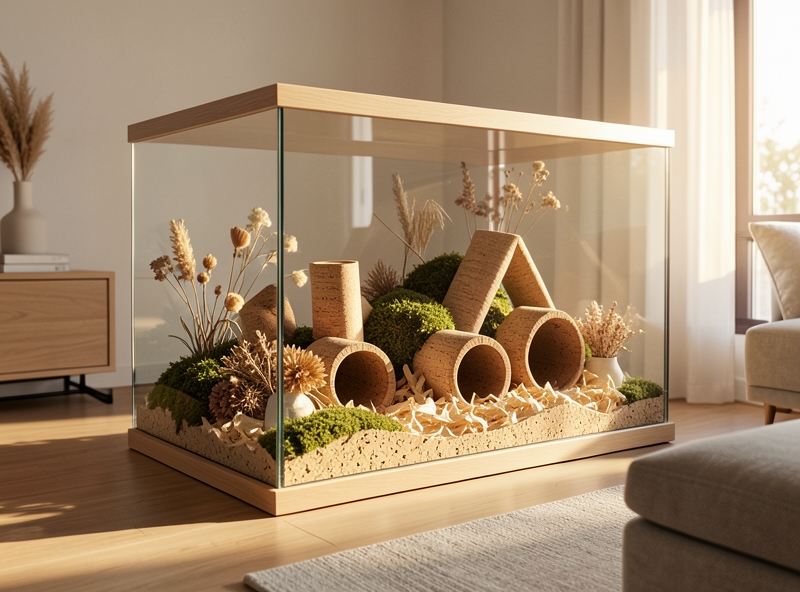
"A quality living space is not measured by square footage, but by the instinctive experiences a pet gets to engage in every day."
To optimize the experience, the layout requires careful calculation between open areas and secluded zones. Cork bark tunnels, bamboo tubes, or multi-chamber wooden boxes act as "safe zones," giving pets an immediate hiding spot when they feel insecure. Mix-and-match different textures like smooth pebbles, clean dry branches, and hay mats to stimulate their sense of touch, creating the feeling of a real adventure in the jungle or meadow.
| Design Element | Experience Value | Suggested Accessories |
|---|---|---|
| Geological Layer | Stimulates burrowing and nesting instincts | Paper fiber bedding, Aspen shavings, forest moss |
| Traffic System | Creates privacy and a sense of security | Multi-chamber hideouts, paper tubes, cork bark |
| Activity Zone | Maintains physical fitness and flexibility | Running wheels, wooden stairs, jumping platforms |
Finally, don't forget to upgrade the dining experience into an enrichment activity. Instead of passively filling a bowl with food, try the "Scatter Feeding" method – scattering food throughout the enclosure or hiding it inside the crevices of wooden toys or rattan balls. This method forces our little friends to use their sense of smell and critical thinking to find their rewards, perfectly mimicking foraging behavior in the wild. An interactive living space is the key to keeping the "boss" active, intelligent, and never falling into a state of boredom.
5. Frequently Asked Questions (FAQ)
In the journey of observing these tiny living beings, we do not merely play the role of nurturers but also act as anthropologists in a miniature world. Every habit, every fear they possess carries the echoes of millions of years of evolutionary history. Below are the most common reflections that pet lovers often ponder on the path to finding a soulful connection with their little friends.
| Question | Perspective from Natural Behavior | Practical Advice |
|---|---|---|
| Should Hamsters be housed together? | Hamsters are solitary "hermits" in nature, possessing an extremely high instinct to protect their territory. | It is absolutely not recommended to house them together (especially the Syrian breed). Forced coexistence only leads to bloody expeditions. |
| How to tame a shy Guinea Pig? | They are prey animals; caution is a survival heritage that has helped them endure through the centuries. | Patience is the key. Start with the "language of food" and gentle touches at a low level. |
| Frequency of changing the cage structure? | Monotony is the enemy of intellect. Changing the space is a way to stimulate the instinct for exploration. | Approximately every 2-4 weeks. Turn their home into a new land to be discovered. |
"Understanding a creature does not lie in forcing them to follow human rules, but in us learning to respect the wild essence remaining in their veins."
Regarding the issue of housing Hamsters together, look at the history of the Syrian Hamster in solitary burrows beneath the desert floor. They do not share resources, and in the small world of a wire cage, housing two individuals together is like forcing two kings to rule a single kingdom. Tragedy is inevitable. Conversely, with Guinea Pigs, they are highly social entities, but their shyness is a sturdy protective shell. To tame a Guinea Pig, you cannot rush. It is a ritual of trust, beginning with sitting by the cage, speaking in a warm, low tone, and inviting them with lush green leaves – the most ancient language of peace.
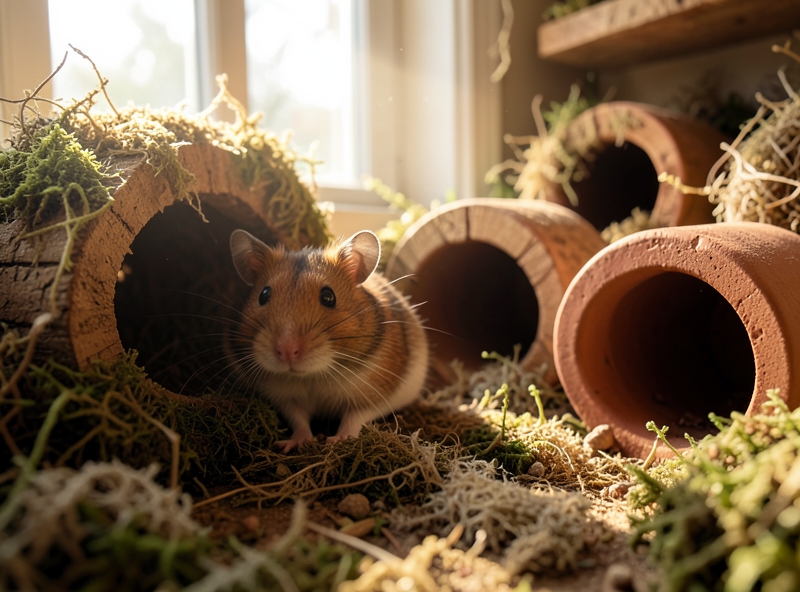
Finally, let's talk about the dynamics of space. A cage that keeps the same architecture for many months or years becomes a "prison" of boredom. Nomadic people on the steppes understand that movement keeps the soul fresh, and your pets are no different. Changing the position of tunnels, adding gnawing wood blocks, or hiding food at different high and low levels will spark the foraging instinct – a fascinating form of meditation for rodents. However, keep a familiar corner (such as the sleeping nest) so they still feel a sense of security amidst the changes of the "peripheral world."
- Note on Hamsters: Only some Dwarf breeds (such as Campbell's) can live together if introduced from a young age, but strict supervision is still required.
- Taming Tip: Always approach a Guinea Pig from the front, at eye level, and avoid bringing your hand down from above as they will mistake you for a bird of prey.
- Replacement Materials: Prioritize natural materials like wood, ceramic, and canvas to enhance the tactile experience for the pet.