1. Modern Cloth Diapers: A Transition from Tradition to Green Living Trends
A newborn baby consumes an average of 6,000 to 8,000 disposable diapers before becoming potty trained. This colossal number is equivalent to nearly 1.5 tons of plastic waste and compacted chemicals, taking up to 500 years to fully decompose in the environment. Every disposable diaper discarded today will "outlive" our children, grandchildren, and great-grandchildren. Behind the temporary convenience of disposable diapers lies a massive ecological burden and potential worries about bleaching chemicals and synthetic superabsorbent materials in direct contact with a baby's delicate skin.
"Green living is not a luxury slogan; it is about smart consumer decisions starting right from the diaper cradling your baby's skin every day."
To solve this headache of a problem, many parents are starting to look for alternative solutions. But when "cloth diapers" are mentioned, many people's memories immediately recall images of the rudimentary, easily soaked cloth wipes that required constant washing and leaked continuously decades ago. That is a misconception. Modern cloth diapers are a true textile technology revolution, completely redefining the concept of sustainable parenting.
| Comparison Criteria | Disposable Diapers | Traditional Cloth Diapers (Flats/Prefolds) | Modern Cloth Diapers (New Generation) |
|---|---|---|---|
| Decomposition Time | 250 - 500 years | A few months | Reusable for years, easily biodegradable |
| Leak Prevention | Good (thanks to moisture-locking chemicals) | Poor, prone to leaking out | Superior (thanks to leak guards and waterproof TPU membranes) |
| Baby Skin Safety | Risk of diaper rash due to chemical superabsorbent polymers (SAP) | Safe but easily wet if not changed promptly | Absolutely dry and breathable, naturally antibacterial (bamboo fiber, activated charcoal) |
| Economic Efficiency | Extremely high cumulative cost | Cheap but requires a lot of effort | One-time investment, saves up to 80% of long-term costs |
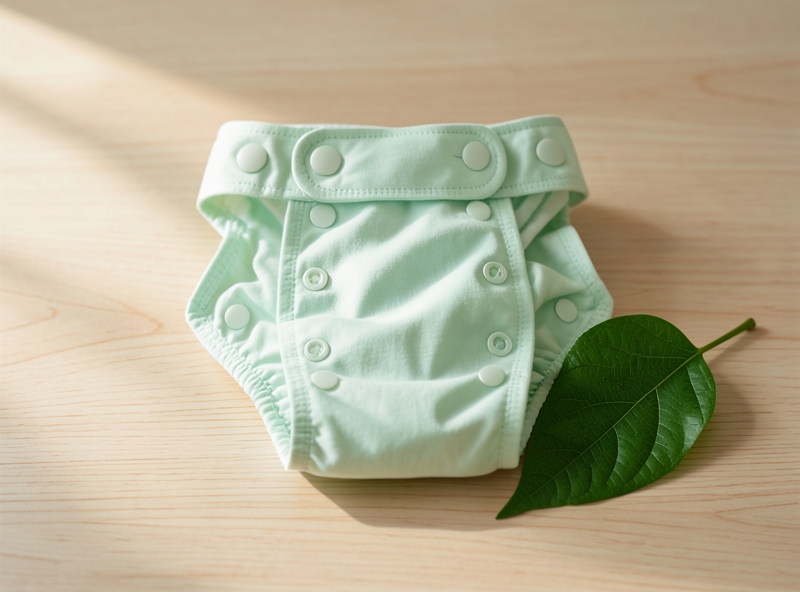
Today's modern cloth diapers are smartly designed with an optimized three-layer structure: a waterproof yet "breathable" TPU outer shell to release heat; a natural antibacterial bamboo fiber or activated charcoal inner lining that creates an instant dry feeling; and a super-absorbent microfiber or hemp core capable of holding water many times its own weight. A smart snap system allows a diaper to "grow" with the baby from newborn to 3 years old, completely eliminating the need to purchase new diaper sizes every month.
The shift from disposable diapers to modern cloth diapers is not merely a change in daily habits. This is a strong statement from young families about a responsible lifestyle. When choosing cloth diapers, you not only protect your child's skin from synthetic chemical compounds but also directly cut down on thousands of plastic diapers discharged into the ocean. Raising a child "green" starts with the smallest actions, and modern cloth diapers are the perfect, most convenient, and humane start on that journey.
2. Breaking Stereotypes: How Convenient and Fashionable Are Modern Cloth Diapers?
When you think of cloth diapers, what do you picture? Clumsy pieces of gauze, unsafe safety pins, and the "nightmare" scenario of washbasins overflowing with the smell of bleach? It's time to erase those outdated memories. Modern cloth diapers have undergone a complete textile technology revolution, becoming a modern, scientific, and aesthetic parenting solution that is second to none compared to any high-end disposable diapers.
| Features | Traditional Cloth Diapers | Disposable Diapers | Modern Cloth Diapers |
|---|---|---|---|
| Blowout & Leak Protection | Poor, easily shifts when the baby moves | Good (thanks to chemical SAP beads) | Excellent (TPU membrane and double leak guards) |
| Skin Safety | Average (prone to wetness) | Risk of diaper rash due to chemicals and absorbent gel | Absolutely Safe (natural chemical-free fabrics) |
| Reusability | Yes (but wears out quickly, stains easily) | No (waste takes 500 years to decompose) | Thousands of times (durability up to 3 years) |
| Long-term Cost | Low | Very high (continuous monthly purchases) | Most Optimal (one-time investment, reusable for next babies) |
This superiority comes from a smart three-layer design precisely calculated down to the millimeter:
- State-of-the-art leak-proof shell: The outermost layer is made of high-quality PUL or TPU fabric - specialized materials used in medicine. This membrane features millions of microscopic pores, large enough for moisture and heat to escape to keep your baby's bottom dry, yet small enough to completely prevent water molecules from leaking out.
- Super-absorbent core: No longer thin cotton pads. Modern cloth diaper inserts are a combination of naturally antibacterial bamboo carbon fiber or hemp fiber, which has the ability to hold water up to 8 times its own weight. Notably, the Suede fabric surface touching the baby's skin features a "stay-dry" property - instantly pushing urine down to the lower insert layer and keeping the contact surface dry for 4-6 hours.
- Multi-tier snap button system: Rows of smart, ultra-durable resin snap buttons are arranged vertically and horizontally along the diaper body. With a simple snap, you can adjust the diaper to fit snugly from a 3kg newborn up to a 16kg toddler. A single diaper accompanies your child's growth.
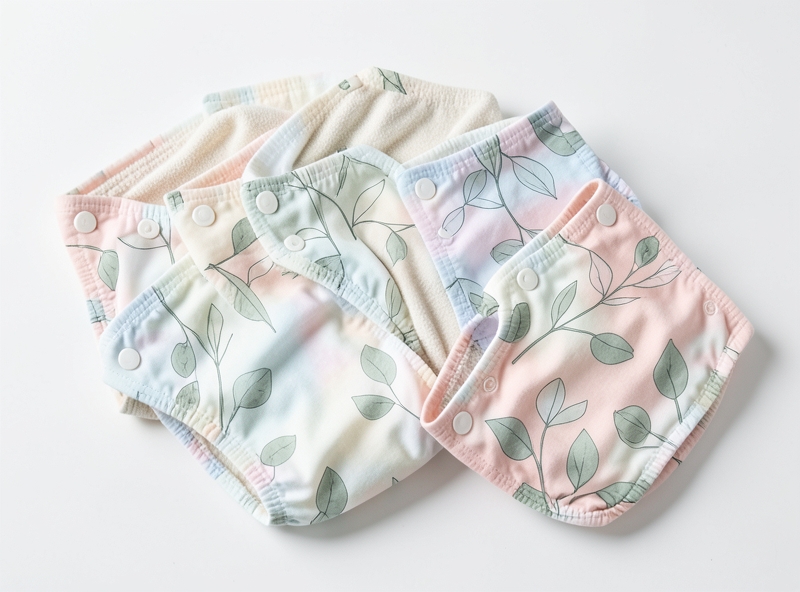
The biggest fear that makes many families hesitate is: "Is washing hard work?". The answer from real-life experience is: Completely effortless. Thanks to the stain-resistant technology of modern fabric fibers, your baby's solid waste does not penetrate deep into the fibers but easily flushes away under a toilet sprayer. The rest is the washing machine's job. You just need to gather the diapers into a laundry bag, press the button to choose a regular wash cycle with mild detergent. No boiling, no hand scrubbing required, modern cloth diapers dry extremely fast and are ready for the next cycle of use.
"Switching to cloth diapers is not a step backward into an inconvenient past, but a wise technological step forward. It is where the convenience of modern thinking meets a lifestyle that respects nature."
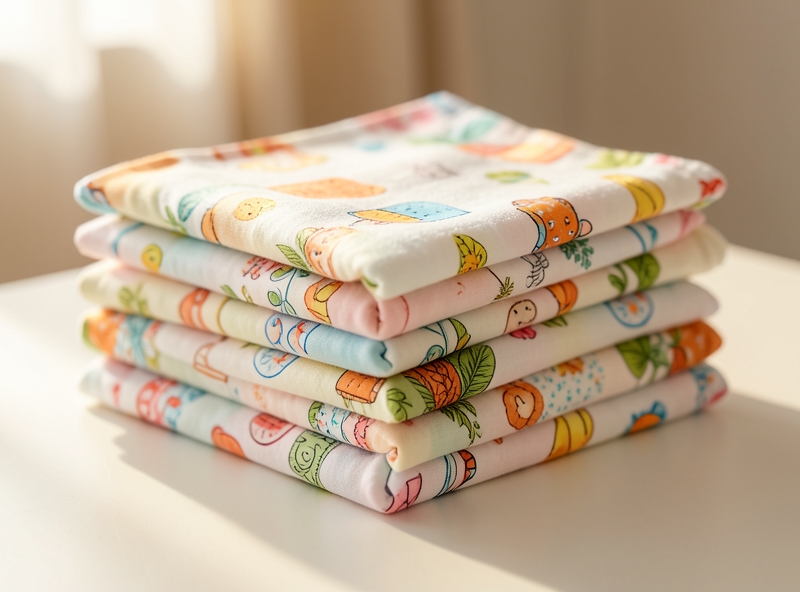
Going beyond a regular hygiene item, modern cloth diapers have evolved to become a true fashion accessory. With a trendy pastel color palette like sage green, dusty pink, mustard yellow, and a series of exclusive design patterns from illustrators, these cloth diapers make your baby look extremely stylish. On hot summer days, with just a thin T-shirt paired with an eye-catching patterned cloth diaper, your baby instantly has an outfit that is both cool for strolling down the street and outstanding with their own unique personality, something that no plain, white disposable diaper can ever do.
3. Economic and Environmental Puzzle: Saving Thousands of Plastic Diapers
Every time we throw a used disposable diaper into the trash, most of us do not realize we have just thrown away a portion of our family budget and left a centuries-long ecological "scar." The temporary convenience is hiding a double crisis of both finance and environment that every modern parent must face.
An average child consumes from 4,000 to 6,000 disposable diapers in their first 3 years of life. Imagine a giant mountain of waste weighing nearly 1.5 tons filled with plastics, absorbent chemicals, and organic waste. This waste takes 250 to 500 years to decompose, meaning that the diapers your baby uses today will still exist as toxic microplastics when our great-great-grandchildren grow up.
| Comparison Criteria | Disposable Diapers | Modern Cloth Diapers (Reusable) |
|---|---|---|
| Required Quantity (3 years) | 4,000 - 6,000 diapers | 20 - 24 diapers (washed and rotated) |
| Estimated Total Cost | Extremely expensive (ongoing monthly costs) | Save up to 80% (one-time investment only) |
| Decomposition Time | 250 - 500 years | Natural biodegradation (cotton, bamboo fiber materials) |
| Impact on Baby's Skin | Easy to cause diaper rash due to bleaching chemicals and superabsorbent polymers | Absolutely safe, naturally breathable, no toxic chemicals |
The emergence of modern cloth diapers is the perfect solution to this difficult puzzle. No longer the rough, leak-prone muslin cloths of decades past, the new generation of cloth diapers is a textile technology masterpiece. With the combination of a breathable, leak-proof polyurethane outer shell and a super-absorbent bamboo or microfiber inner core, modern cloth diapers are capable of being reused hundreds of times after each wash.
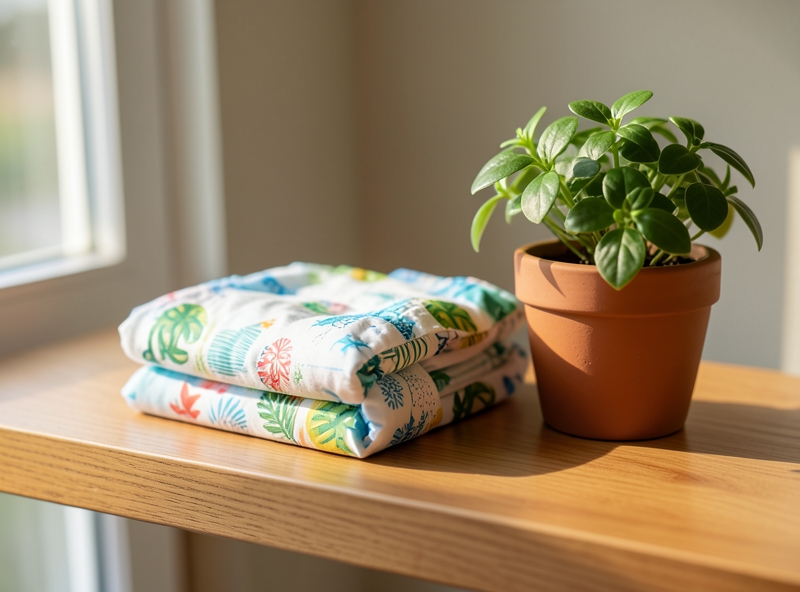
"Switching to cloth diapers is not simply a lifestyle choice, it is a sharp financial decision that frees up tens of millions of VND from the family budget, while directly cutting down on plastic waste flowing into the oceans."
The transition is not as complicated as many people think. You can completely master this green lifestyle roadmap with minimalist and effective steps:
- Smart Start: Start by equipping 3 to 5 cloth diapers for your baby to wear as a trial during the day, helping mom get used to the rhythm of changing and washing diapers.
- Minimalist Cleaning Process: Use a gentle detergent free of fabric softeners to preserve the maximum absorbency of the high-tech fibers.
- Investing for the Future: A high-quality set of cloth diapers can be preserved, sanitized, and continued to be used for a second or third baby, doubling the economic efficiency for the family.
4. Guide for Mothers to Start Their Scientific Cloth Diapering Journey
Many mothers shudder at the thought of washing cloth diapers, haunted by the images of bad odors, stuck feces, and stubborn yellow stains. In reality, modern textile technology has transformed cloth diapers into an extremely convenient, safe, and cost-effective hygiene solution. If you are tired of seeing your baby's skin redden from chemical diaper rash, or heartbroken looking at paper diaper bills costing millions of dong each month, the 4-step scientifically standard roadmap below is the key to completely transforming your parenting experience.
| Stage/Baby's Weight | Recommended Diaper Type | Structural Features & Change Frequency |
|---|---|---|
| Newborn (3kg - 6kg) | Newborn Cloth Diaper (Pocket or Prefold with Cover) | Thin, lightweight material, umbilical cord cutout design to avoid friction. Absorbs quickly, needs to be changed every 2 hours. |
| Baby Rolling and Crawling (6kg - 12kg) | Pocket Diaper or All-in-One (AIO) | Flexible stretch TPU waterproof cover, bamboo or highly absorbent microfiber insert. Change after 3 - 4 hours. |
| Nighttime Sleep (All Ages) | Specialized Night Diaper (Fitted Diaper combined with booster pads) | Maximum absorbent core made from hemp and organic cotton, keeping baby's bottom dry throughout 8 - 10 hours of sound sleep. |
"Using cloth diapers scientifically is not about returning to primitive laundry days. It is about applying modern antibacterial textile technology to protect your baby's delicate skin and cut down on thousands of plastic diapers discharged into the environment."
Step 1: "Picture-Perfect" Diapering Technique to Prevent All Leaks. Place the diaper under the baby's bottom, pull the front part up close to the navel. Adjust the snap fasteners around the hips and thighs to fit snugly but without leaving deep red marks. A quick way to check: Fit two fingers into the waistband and one finger into the baby's thigh area. If it fits snugly with no gaps when the baby stretches their legs, you have completely eliminated the risk of leaks.
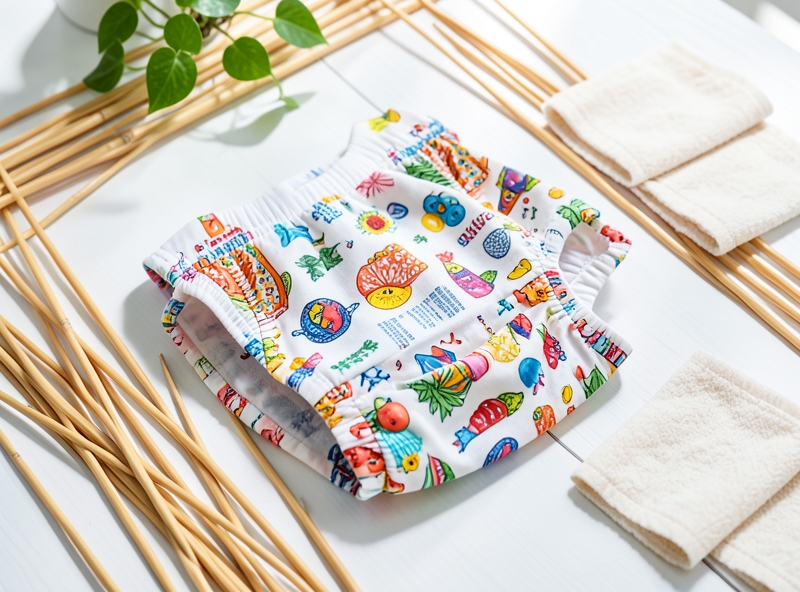
Step 2: Waste Treatment and Smart Dirty Diaper Storage (Dry Pail Method). When the baby has a bowel movement, use a toilet sprayer to spray forcefully to flush solid waste into the toilet. Absolutely do not soak diapers in a basin of water because a standing water environment is a paradise for bacteria to multiply and create stronger odors. Store dirty diapers dry in a plastic laundry basket with plenty of ventilation holes. Air circulation will keep the diapers dry, inhibiting mold growth for up to 2 days before collecting them for washing.
Step 3: 2-Cycle Wash Routine to Remove 100% of Dirt and Bacteria. To protect the TPU waterproof membrane and maintain the absorbency of the fabric core, set your washing machine according to the specialized formula:
- Cycle 1 (Pre-wash): Choose a quick wash cycle of 15-30 minutes with cold water, using a small amount of gentle liquid detergent. This step helps rinse away urine and tiny dirt particles clinging to the fabric surface.
- Cycle 2 (Main wash): Main wash with a standard amount of detergent, you can choose a water temperature from 40°C - 60°C for deep disinfection. Absolutely do not use fabric softeners because they will create a waterproof coating, making the diapers lose their water-absorbing ability.
Step 4: Line Dry in the Sun - The Ultimate Natural Disinfectant. Sunlight containing natural UV rays is the most effective "weapon" to kill bacteria, deodorize, and blast away stubborn yellow stains without the need for harsh chemicals. When hanging to dry, turn the inside of the diaper out. If using a dryer on wet, rainy days, choose a low-temperature drying setting to avoid melting the waterproof membrane of the diaper cover.
5. Frequently Asked Questions (FAQ) about Modern Cloth Diapers
Embarking on a green living journey with modern cloth diapers, any mother is bound to face an intense psychological battle. Doubts about convenience, fear of urine odors, or the prospect of being overwhelmed by piles of laundry are barriers that make many hesitate. Below are straightforward, scientific answers from experts to help dispel all your concerns.
Absolutely not, if you understand how the absorbent core works. Overnight leaks only occur when the volume of liquid exceeds the capacity of the insert or if the diaper shifts due to incorrect sizing. To help your baby sleep soundly for 8 to 10 hours, the secret lies in combining different insert materials.
Try combining a microfiber insert (extremely fast-absorbing) on top and a hemp or bamboo insert (superb water retention capacity) underneath. The waterproof diaper cover with an intelligent double-gusset leak guard design will lock in liquid, protecting your bedsheets absolutely.
Urine odors occur due to the buildup of ammonia from urine when the diapers are not deeply cleaned, not because of the nature of cloth diapers themselves. Overusing fabric softeners containing silicone will create an invisible waterproof barrier, locking bacteria tightly inside the fabric fibers.
- Pre-rinse immediately after changing: Use a toilet sprayer to rinse solid waste and urine off the diaper before putting it into a breathable basket to await washing.
- Double Wash cycle: Run a first machine wash on a Quick Wash cycle with cold water to rinse away surface waste. Run a second wash on a warm water cycle (40 degrees C) with a standard amount of laundry detergent for deep cleaning.
- Periodic diaper stripping: Use baking soda and white vinegar in a hot water wash cycle once a month to completely break down detergent residue and minerals clinging to the fabric fibers.
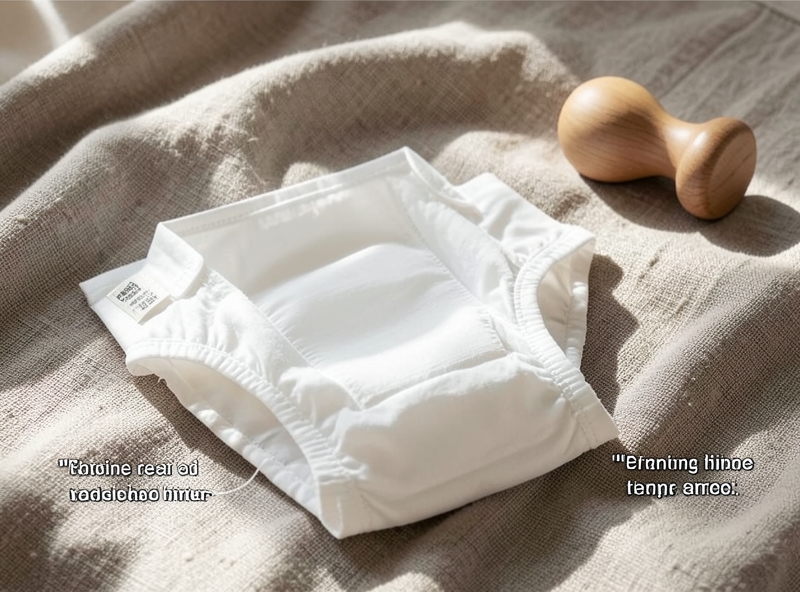
Many people imagine using cloth diapers means sitting and hand-scrubbing, boiling diapers in a pot of boiling water like in our grandparents' era. In reality, the support of modern washing machines has completely liberated labor. The total time you spend handling cloth diapers is only about 15 minutes a day.
| Step | Actual Time | Effort Level |
|---|---|---|
| Remove waste & pre-rinse with a sprayer | 1 - 2 minutes / diaper | Very low |
| Sort & toss into the washing machine | 2 minutes / day | Negligible |
| Hang diapers in natural sunlight | 5 minutes / day | Medium |
In exchange for those few brief minutes, you will save tens of millions of VND on the cost of disposable diapers and prevent thousands of non-biodegradable plastic diapers from entering landfills.
"Green living is not a religion of perfection. It is the effort of millions of mothers agreeing to change one small habit every day to create a cleaner future for their own children."
The green parenting journey does not require you to immediately discard all disposable diapers. Start slowly: experience 1 cloth diaper a day during cool afternoons. Once you master the rhythm of cloth diapers, you will confidently increase the frequency. Give yourself and your baby the chance to be pampered by soft, cool bamboo fabric fibers and feel the pride of seeing your household trash bin lighten day by day.