1. Why is Proper Care for Premium Garments Important?
In the modern fashion world, a premium garment is not simply defined by its price tag, but lies in the crystallization of superior natural materials such as silk, cashmere, organic linen, or exquisite handcrafted tailoring techniques. When we choose to invest in these items, we are not just buying a fashion product; we are honoring the labor of artisans and the precious resources from Mother Earth. Proper preservation is the vital next step to maintaining that original value.
Meticulous garment care helps protect the fabric structure from the negative impacts of harsh chemical detergents or extreme environmental conditions. Natural fibers possess their own soul and sensitivity; if handled incorrectly, they easily lose their luster, softness, and natural breathability. This not only diminishes the aesthetic appeal but also robs the wearer of the comfort they deserve.
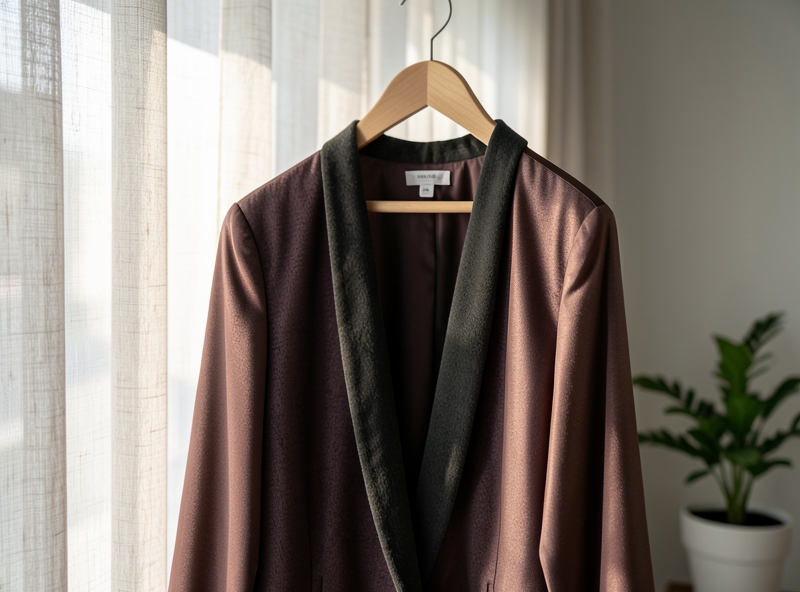
From an economic and environmental perspective, proper garment preservation is the clearest manifestation of a sustainable lifestyle. Instead of being swept away by the whirlwind of fast fashion – which puts immense pressure on ecosystems due to textile waste – extending the lifespan of a high-end item helps us minimize the need for continuous new purchases. This is a "slow" but profound approach, maintaining the product's silhouette over many years, turning each outfit into a small "heritage" piece in one's personal wardrobe.
"Caring for an outfit is not just about preserving your own appearance, but also a commitment to protecting the environment by reducing the waste of resources."
Below are the core values that proper premium garment preservation brings:
- Maintaining investment value: Helps garments stay looking like new, maintaining resale value if you intend to change your style later.
- Preserving structure and silhouette: Prevents sagging and distortion of the original shape caused by physical force or inappropriate temperatures.
- Protecting skin health: Using gentle, natural cleaning methods helps eliminate residual chemicals, protecting the wearer's skin and the water discharged into the environment.
- Extending product lifecycle: A well-cared-for item can accompany you for decades, reducing the burden of waste on landfills.
| Impact Factor | Harm of Improper Care | Benefits of Proper Care |
|---|---|---|
| Cleaning Chemicals | Wears down fibers, fades natural colors, and pollutes water sources. | Maintains color fastness, protects natural fiber structure, and is safe for the ecosystem. |
| Storage Methods | Causes mold, loss of shape, and creates permanent creases in the fabric. | Allows fabric to "breathe," maintains standard silhouette, and prevents insect infestation. |
| Laundry Frequency | Causes fibers to fatigue quickly, fade, and rapidly reduces lifespan. | Optimizes durability and retains the natural characteristics of premium materials. |
Looking at it deeply, preserving premium garments is neither fussy nor luxurious. It is an understanding of materials and a sense of responsibility for one's own choices. When we treat what we wear with kindness, we are contributing to a more humane and enduring fashion cycle.
2. Golden Rules of Cleaning: When to Dry Clean vs. Hand Wash?
Empirical data shows that 80% of damage to luxury garments stems from applying incorrect cleaning methods. Care labels are not merely recommendations; they are mandatory technical specifications that must be followed to maintain the original fiber structure and color.
| Original Symbol | Technical Meaning | Mandatory Action |
|---|---|---|
| Washtub icon | Standard water wash | Check the accompanying maximum temperature (usually 30-40°C). |
| Washtub + Hand icon | Hand Wash | Do not use a machine; apply low physical force. |
| Circle icon | Dry Clean | Use chemical solvents; absolutely do not use water. |
| Crossed-out triangle icon | Do not bleach | Keep away from Chlorine and strong oxidizing agents that cause fiber degradation. |
Dry Cleaning is a process that uses organic solvents (commonly Perchloroethylene) instead of water. For suits and garments with complex structures, dry cleaning is the optimal choice for preserving "shape retention." Water can deform the internal interlining of a suit jacket, leading to irreversible bubbling of the fabric.
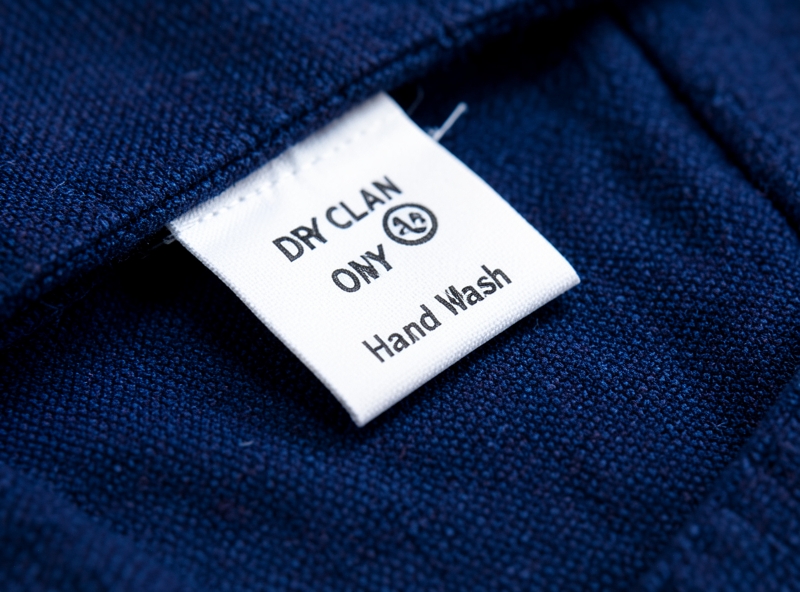
For Silk, dry cleaning helps prevent natural fiber shrinkage and the loss of its characteristic luster. However, the downsides of dry cleaning include high costs and the potential for chemical residue if the rinsing process is not up to standard. Conversely, hand washing is designated for sensitive natural fibers that are water-tolerant.
"Switching from machine washing to hand washing with cold water helps reduce natural fiber shrinkage rates from 5-10% down to less than 1%."
Standard hand washing techniques to protect natural fibers:
- Temperature Control: Maintain water at < 30°C. High temperatures expand hydrogen bonds in the fabric fibers, causing deformation.
- Specialized Chemicals: Use detergents with a neutral pH (pH ~ 7). Conventional detergents with high alkalinity will destroy proteins in silk and wool fibers.
- Physical Impact: Absolutely do not wring or twist. Use a gentle "pressing" technique with a dry cotton towel to remove excess moisture.
- Drying: Avoid direct sunlight (high-intensity UV rays break color bonds). Prioritize drying on a flat surface to prevent sagging due to water weight.
Colorfastness index analysis reveals that the misuse of harsh detergents and high temperatures in machine washing is the primary reason garments lose 40% of their aesthetic value after just the first 10 wash cycles. Strict adherence to hand washing or dry cleaning protocols is a smart investment in the longevity of your wardrobe.
3. Secrets for Preserving "Difficult" Materials: Leather and Cashmere
You know, owning an expensive luxury item is sometimes like "adopting" a finicky guest into your home. Leather and Cashmere aren't just clothing; they are investments. If we treat a leather jacket with the roughness of denim, or hang a Cashmere sweater on a hook like a T-shirt, we will sooner or later have to regretfully say goodbye to their elegance.
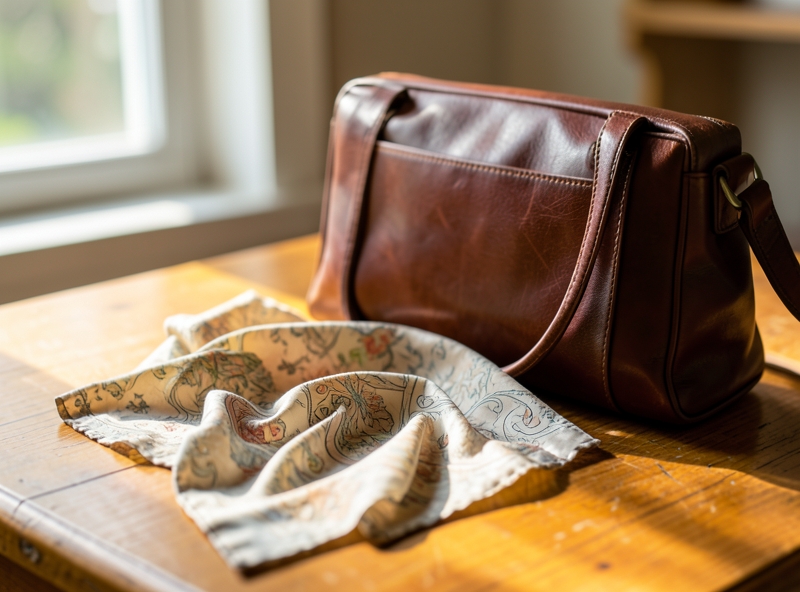
For leather goods, always remember that leather is like human skin; it needs to "breathe" and requires just enough moisture. When your bag or leather shoes get dirty after a day of wandering the streets, don't rush to use alcohol wipes – that's the fastest way to make the leather surface dry and cracked. Instead, use a soft, slightly damp microfiber cloth to wipe away dust. The real secret lies in using a specialized high-end leather conditioner. Every 3-6 months, take the time to "massage" them. This conditioning layer will penetrate the pores of the leather, keeping the item as soft and shiny as the day you first bought it.
"Caring for leather isn't about cleaning it when it's dirty, but about protecting it before time can leave its mark."
Particularly, the number one enemy of leather in the Vietnamese climate is mold. Never store leather goods in airtight plastic bags. Keep them in breathable fabric dust bags. If your household has a habit of using old newspapers, crumple them up and stuff them inside handbags or shoes. This helps maintain the shape while absorbing moisture extremely effectively and affordably.
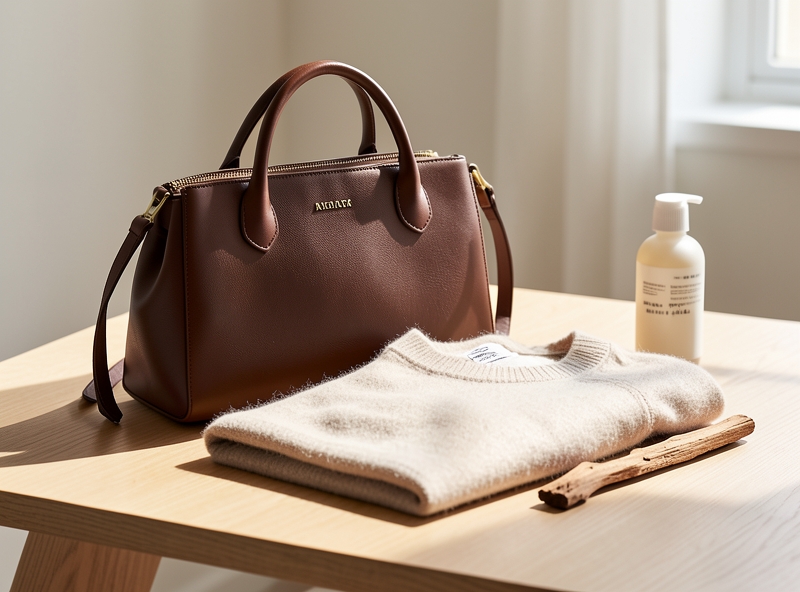
Moving on to the "muse" of fabrics, Cashmere – a fiber so soft it can make you melt from the very first touch. Our most common mistake is hanging sweaters on hangers. Gravity is the enemy of Cashmere; it will stretch the fibers, creating ugly "donkey ear" marks on the shoulders. The best way is to learn neat folding techniques and place them flat on a shelf. If you see tiny pilling appearing in the underarm or wrist areas, don't pull them off by hand – this only damages the wool fibers further. A specialized cashmere comb or a handheld fabric shaver will handle them smoothly, returning the surface to its like-new smoothness.
| Issue | Leather Goods | Cashmere Wool |
|---|---|---|
| Storage | Use dust bags, maintain shape with newspaper. | Fold neatly, lay flat, do not hang. |
| Main Enemy | High humidity causes mold. | Friction creates pilling and moths. |
| Quick Tip | Use specialized conditioner. | Use cedar wood to repel insects. |
Finally, a small but extremely sophisticated detail: use cedar wood pieces placed in your wardrobe. Instead of using mothballs with a harsh, unpleasant smell, cedar wood provides a natural, noble fragrance and is the "nemesis" of moths that prey on natural wool fibers. Caring for clothes is not just about preserving the appearance, but also about how we respect ourselves through what we wear every day.
4. Setting Up a Standard Storage Space at Home
Don't let your luxury items or favorite outfits be "mistreated" just because of negligence in preservation. Building a proper "home" for your clothes not only extends the life of the fabric fibers but is also a way for us to respect the value of our personal style. Treat your wardrobe like a true "luxury spa," where every item enjoys special care to always be in its best "ready-to-wear" state.
The prerequisite factor in preservation is controlling temperature and humidity. A space that is too damp will be a haven for mold and odors to "cling" to fabric fibers, while temperatures that are too high cause natural materials like silk, linen, or leather to become brittle and lose their inherent luster. Prioritize placing your wardrobe in a cool, dry place, avoiding direct sunlight, and don't forget to equip it with desiccant bags or mini sanitizers to maintain the most ideal environment.
"Clothes also need to 'breathe.' Don't cram them into a cramped space if you don't want to see permanent wrinkles and a degradation of the garment's shape."
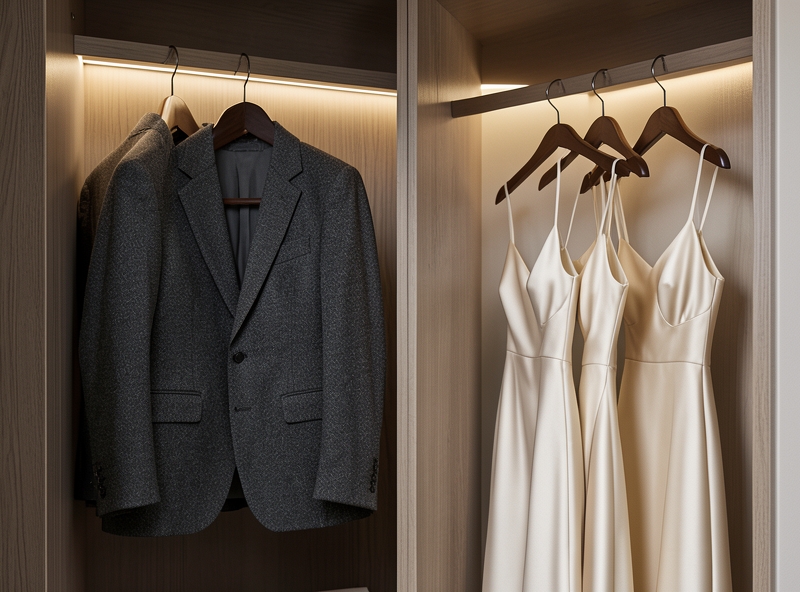
Choosing the "soulmate" for your garments through various types of hangers is also an art that fashion enthusiasts need to master. It is no coincidence that high-end boutiques are always strict in selecting the appropriate type of hanger for each item:
- Wooden Hangers: These are the "true love" for heavy coats, blazers, or leather goods. The width and curve of wooden hanger shoulders help maintain the proper shape, preventing "shoulder bumps" or deformation after long periods of hanging.
- Padded Hangers: Specifically for delicate silk dresses, satin tops, or high-end lingerie. The soft padding completely avoids unsightly indentations or fabric snags caused by friction with sharp edges.
- Lined Clip Hangers: The perfect solution for skirts and trousers to avoid creating stubborn creases at the hips or hems.
| Storage Accessory Type | Target Garment | Core Benefits |
|---|---|---|
| Wide Wooden Hangers | Wool coats, Blazers, Leather jackets | Maintains shoulder structure and garment shape. |
| Fabric/Padded Hangers | Silk dresses, Chiffon items, Camisoles | Anti-slip, protects fabric fibers from scratches. |
| Garment Bags | Designer pieces, Embellished items, Suits | Prevents dust and avoids contact between items. |
Finally, pay attention to the spacing between items. The "golden" rule is to always leave a small gap between pieces so the fabric can "breathe," allowing air to circulate and preventing odors. For special garments or off-season items, use non-woven fabric bags instead of airtight plastic bags to avoid yellowing. A smart storage system not only helps you find your favorite pieces in a "heartbeat" but also elevates your daily fashion experience right at home.
5. Frequently Asked Questions (FAQ)
In the journey of building a personal style, I’ve realized there are questions that keep coming up, from beginners to long-time luxury enthusiasts. It’s not just about dressing well, but also about the story of cherishing the items you own. Let me sit down here, brew a cup of tea, and answer these very relatable concerns for you.
Should I use a dryer for high-end clothing?
To be honest, the dryer is a wonderful invention for a busy life, but for high-end items (such as silk, cashmere, or linen), it’s more of a "nightmare" than a convenience. The high temperatures in a dryer cause natural fibers to shrink, lose their elasticity, and make the fabric surface look worn out very quickly. I often say that putting an expensive silk shirt in the dryer is like forcing a sensitive soul to endure a major storm.
"High-end clothing needs the breath of nature. If you aren't in a hurry, let them air dry in the shade – that is how you preserve the soul of the garment."
How often should leather goods be maintained?
Leather is essentially a type of "skin" that has stopped living, but it still needs to be moisturized. If you live in a place with high humidity like Vietnam, don't wait until your shoes or bag show cracks like a drought-stricken field before frantically looking for a way to save them.
- Daily use: You should lightly wipe off dust with a soft cloth after each use and condition them every 2-3 months.
- Rarely used: About every 6 months, you should take them out to clean, let them air out, and apply a layer of specialized conditioning cream to prevent mold.
- Small note: Always test the conditioning product on a hidden corner of the item before applying it entirely to ensure it doesn't change the leather's color.
How to remove odors from clothes without washing them too many times?
Washing too much is the "silent enemy" of a garment's shape, especially for suits or denim. Sometimes your shirt just picks up a bit of smoke or food smell after a party, but it isn't actually dirty. There’s a little trick I learned from skilled tailors: use a small spray bottle with a diluted mixture of vodka and water (1:1 ratio) and spray it lightly on the fabric surface. As the alcohol evaporates, it takes the odors and bacteria with it without leaving a trace.
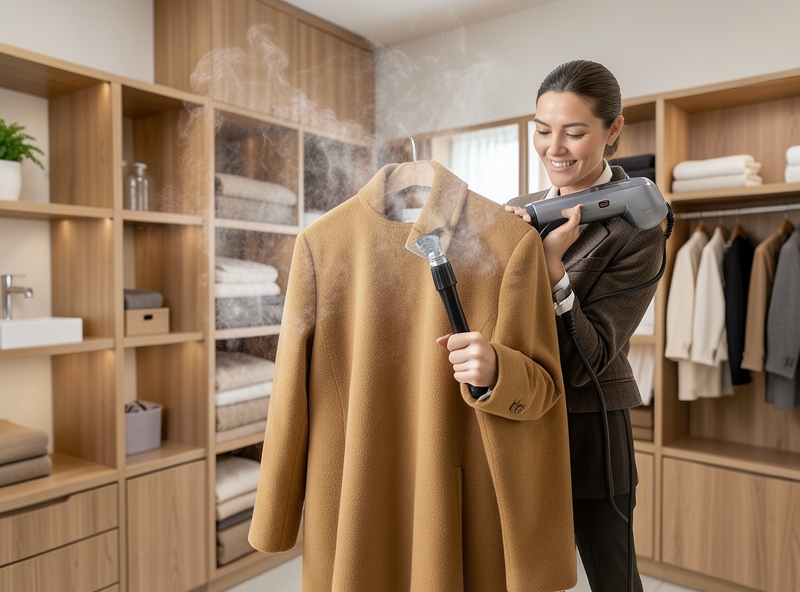
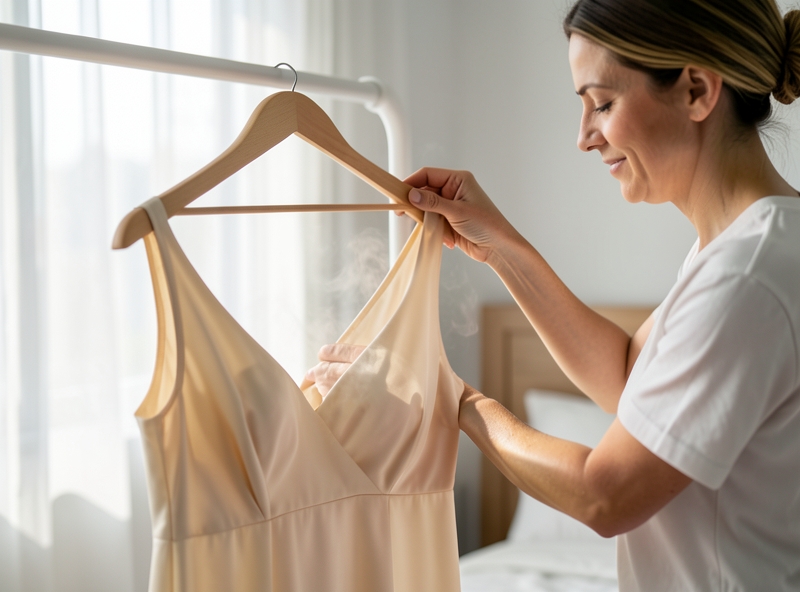
Additionally, you can hang clothes in the bathroom after taking a hot shower. The warm steam will help wrinkles relax and deodorize naturally. If you have the means, a handheld steamer is the most worthwhile investment for refreshing your outfits every morning without the need for harsh cleaning chemicals.
| Issue | Quick Solution | Important Note |
|---|---|---|
| Cigarette/Food odor | Spray diluted alcohol mixture or use steam | Do not spray directly on leather or silk too closely |
| Small stains on fabric | Use a damp cloth to gently blot | Absolutely do not rub hard as it damages the fiber structure |
| Damp leather shoes | Stuff with old newspaper or moisture-absorbing bags | Do not use a hairdryer to dry them directly |