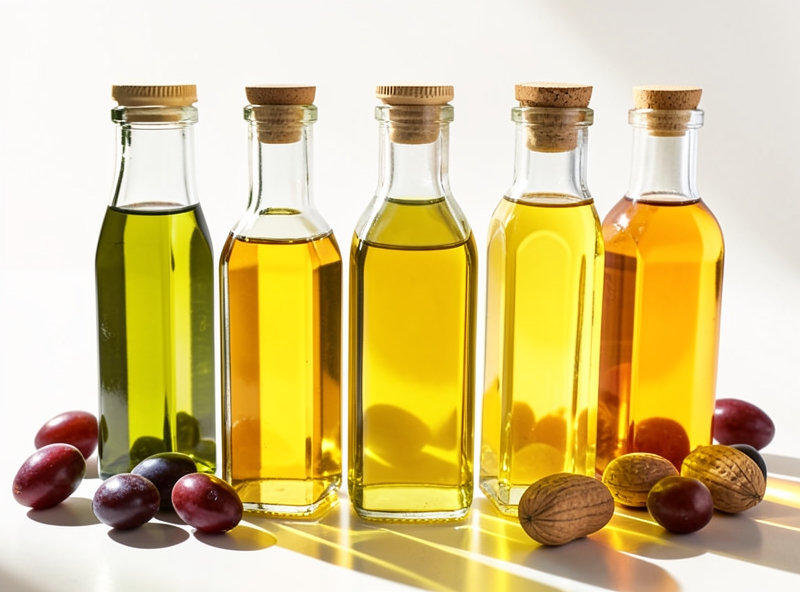
1. What is the smoke point of cooking oil and why does it matter?
You cannot master the kitchen without understanding the temperature limits of your ingredients! The Smoke Point is the exact temperature at which cooking oil begins to produce a continuous bluish smoke, loses its shimmer, and starts to chemically break down. This is not merely a visual cue; it is a warning bell that the oil's molecular structure is being completely destroyed.
"The smoke point is the vital boundary between a nutritious dish and a toxic mixture. Once you cross this limit, you are no longer cooking—you are poisoning yourself!"
When oil is heated beyond its smoke point, a disastrous chain of chemical reactions occurs. Triglyceride molecules are broken down, releasing Glycerol and free fatty acids. This process produces Acrolein – a pungent gas that is extremely irritating to the eyes and lungs. Simultaneously, excessive heat stimulates the formation of free radicals – the silent "saboteurs" of human cells.
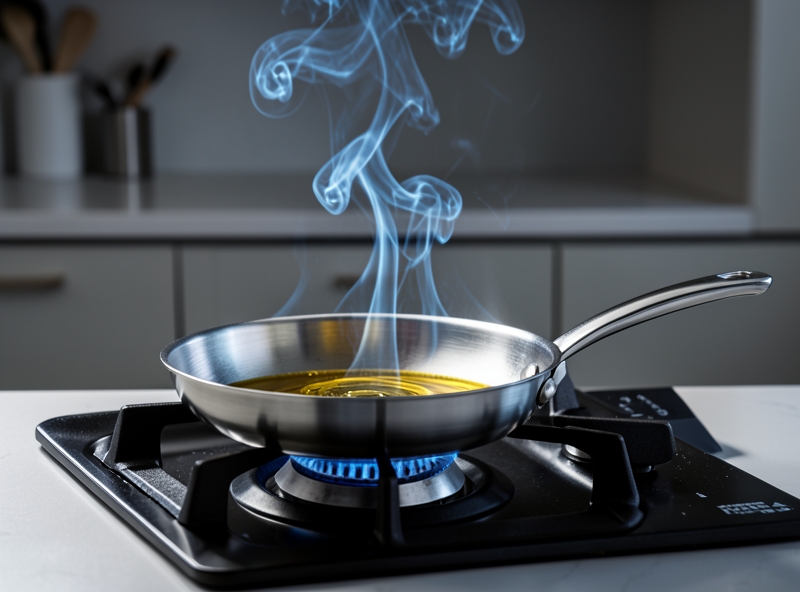
Using oil at the wrong smoke point not only ruins the flavor of the food but also leaves terrible consequences for your health. Toxic compounds such as Polycyclic Aromatic Hydrocarbons (PAHs) and Heterocyclic Amines produced during this process are leading causes of chronic inflammation in the body. More seriously, consuming food cooked in burnt oil repeatedly significantly increases the risk of gene mutations and the formation of cancer cells. You are fueling your body with "toxins" instead of energy if you do not control the oil temperature.
| Type of Cooking Oil | Smoke Point (°C) | Suitable Purpose of Use |
|---|---|---|
| Extra Virgin Olive Oil | ~160 - 190°C | Salad dressings, light sautéing, low-temperature cooking. |
| Soybean Oil / Sunflower Oil | ~230°C | Frying, sautéing, general cooking. |
| Rice Bran Oil / Avocado Oil | ~250 - 270°C | Deep frying, high-heat roasting/grilling. |
| Lard / Margarine | ~180 - 190°C | Pan-frying, adding flavor to dishes. |
Practical action plan for today:
- 1. Organize your oil cabinet: Clearly separate oils used for dressing (low heat) and oils used for frying (high heat).
- 2. Temperature control: Always heat the pan before adding oil, and never let the oil smoke heavily before adding food.
- 3. Disposal rule: Absolutely do not reuse oil that has been heated past its smoke point. Discard it immediately to protect your health!
- 4. Read the labels: Carefully check the "Smoke Point" information or usage instructions on the oil bottle packaging before purchasing.
2. Classification of Fat Groups and Their Corresponding Thermal Stability
To understand why one type of oil can explode with flavor at high temperatures while another smokes profusely and creates toxins, we must "look" deep into the core of their molecular structure. In the world of Lipids, the difference lies in the bonds between Carbon atoms. This is the "motherboard" that determines the heat resistance of every type of fat you use in the kitchen.
- Saturated Fat: Imagine this as a solid architectural block. In this molecule, all Carbon atoms are "saturated" with Hydrogen, without any double bonds. Because there are no double bond "gaps," they are extremely stubborn against oxidizing agents and high temperatures. This is why lard, coconut oil, or butter maintain incredible stability when deep-frying at high temperatures without undergoing chemical changes.
- Monounsaturated Fatty Acids (MUFA): This structure features a single "weak point" – a double bond (C=C). A typical representative is Oleic Acid in Olive oil. This double bond makes the molecule more flexible and heart-healthy, but it also begins to be more sensitive to heat compared to saturated fats.
- Polyunsaturated Fatty Acids (PUFA): These are the most "active" molecules, with two or more double bonds. Omega-3 and Omega-6 belong to this group. However, this activity comes at a high price: double bonds are extremely easy targets for heat and oxygen attacks. When exposed to high temperatures, PUFAs are easily broken down, creating free radicals and harmful compounds such as aldehydes.
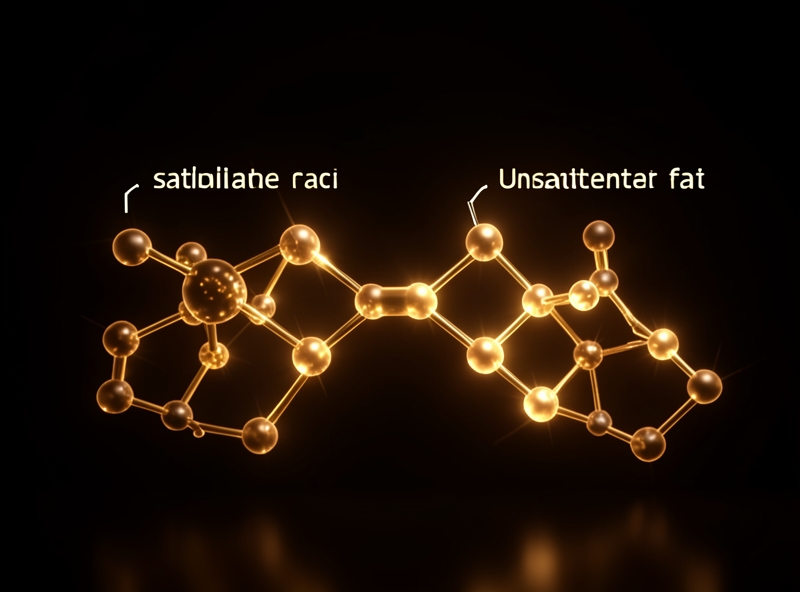
"The thermal stability of a fat is inversely proportional to the number of double bonds in its molecular structure. The more double bonds, the easier the oil is 'broken' and degraded under the impact of thermal energy."
| Fat Type | Structural Characteristics | Thermal Stability | Suitable Application |
|---|---|---|---|
| Saturated | No double bonds | Very High | Deep frying, high-heat roasting |
| Monounsaturated (MUFA) | 1 double bond | Medium - High | Stir-frying, quick searing, making sauces |
| Polyunsaturated (PUFA) | Multiple double bonds | Low | Salad dressing, adding after cooking |
An extremely important technical parameter that culinary "Geeks" always care about is the Smoke Point. Why is it that with the same sunflower oil, cold-pressed oil smokes at 107°C, while refined oil can withstand up to 230°C? The secret lies in the refining process.
Cold-pressed oil retains intact natural impurities such as vitamins, minerals, proteins, and Free Fatty Acids (FFA). These components, though very precious nutritionally, act as "catalysts" that cause the oil to burn faster. Conversely, the refining process (including neutralization, bleaching, and deodorizing) thoroughly removes these FFAs and impurities. The result is a chemically "purer" oil, raising the heat resistance threshold to the maximum, ready for the most rigorous cooking techniques without fear of the Lipid structure collapsing.
3. Smoke Point Directory of Popular Cooking Oils
In food thermal engineering, the Smoke Point is not merely a technical specification but a chemical safety limit. Beyond this threshold, the molecular structure of fats breaks down, releasing Acrolein – the agent responsible for acrid odors – and harmful free radicals. Selecting cooking oil based on its smoke point is an optimization problem between flavor and health safety performance.
| Type of Oil/Fat | Smoke Point (°C) | Optimal Practical Application |
|---|---|---|
| Avocado Oil (Refined) | ~ 271°C | High-heat searing, extreme roasting, deep frying. |
| Rice Bran Oil | ~ 232°C | Frying, stir-frying, baking, suitable for multi-purpose use. |
| Soybean Oil | ~ 232°C | Sautéing, general cooking, industrial food production. |
| Sunflower Oil | ~ 227°C | Frying, salad dressings (if using cold-pressed variety). |
| Refined Olive Oil | ~ 200°C - 240°C | Everyday cooking, light frying. |
| Lard | ~ 190°C | Creating crispiness for pastry crusts, traditional pan-frying. |
| Extra Virgin Olive Oil | ~ 160°C - 190°C | Salad dressings, drizzling directly over cooked dishes. |
| Margarine | ~ 150°C | Spreads, low-temperature cooking (contains high water content). |
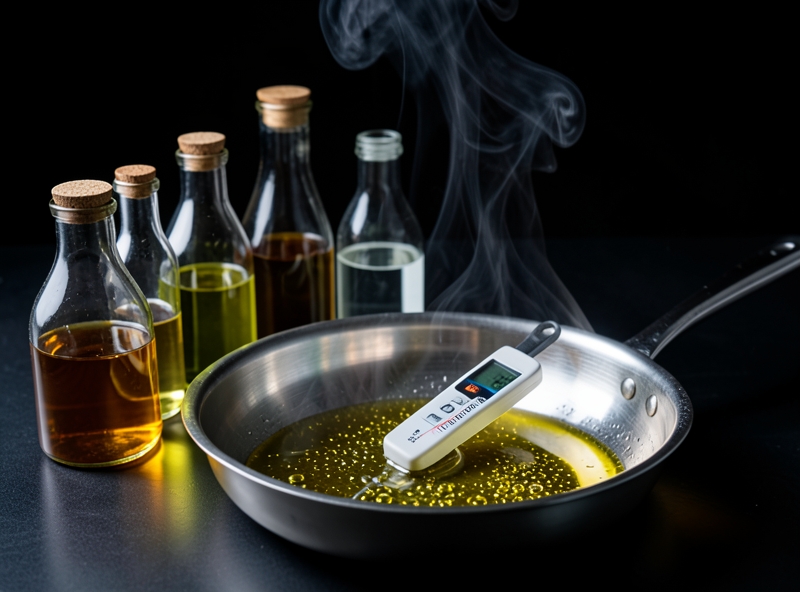
"Do not trade the purity of Extra Virgin oil for deep-frying methods. It is an economic waste and a chemical mistake."
Analyzing applicability more deeply, we clearly see the differentiation between groups:
- Extreme Heat Resistance Group (Avocado Oil, Rice Bran Oil): These are top "candidates" for Steak or Asian-style Stir-fry techniques – where pan temperatures can skyrocket in a short time. Avocado oil, with a smoke point exceeding 270°C, is the most stable oil available today but comes with a higher cost.
- The Olive Oil Paradox: Extra Virgin Olive Oil (EVOO) contains many polyphenols and antioxidants, but these very natural impurities give it a low smoke point. Using EVOO for deep frying not only loses its delicate flavor but also accelerates the oil's degradation process.
- Animal Fats and Butter: Lard has fairly good thermal stability and creates excellent food texture, but its average smoke point (~190°C) makes it unsuitable for dishes requiring excessive heat. Meanwhile, margarine often contains water and emulsifiers, making it prone to burning and decomposing faster than refined oils.
Practical users should remember: The higher the smoke point of an oil, the greater its versatility in the kitchen. However, selection should also be balanced with the fatty acid profile (Omega-3, 6, 9) to ensure overall health benefits rather than focusing solely on heat resistance.
4. Guide to Choosing Oils for Frying and High-Heat Cooking
In the journey of observing the evolution of hearths from prehistoric caves to modern kitchens, I have realized that cooking oil is not merely an ingredient, but a "guide" that allows heat to permeate food. However, the fierce flames of deep-frying or stir-frying techniques require a resilient guide. Choosing the wrong type of oil not only destroys the delicate flavor of the ingredients but is also a "betrayal" of the food's nutritional integrity as chemical bonds break under thermal pressure.
The key lies in the "smoke point" – the temperature threshold at which oil begins to decompose, releasing free radicals and toxic compounds. To preserve the authenticity of the dish and the peace of mind of the diner, oils with high smoke points (usually above 200°C) and good oxidative stability are the only correct choice.
| Oil Type | Approximate Smoke Point | Anthropological Perspective & Application |
|---|---|---|
| Rice Bran Oil | ~254°C | Considered the "liquid gold" of wet-rice civilizations, rice bran oil is absolutely neutral, honoring the original flavors of the food. |
| Peanut Oil | ~232°C | Closely associated with the memories of traditional Asian kitchens, providing a rich aftertaste and heat resistance that endures over time. |
| Sunflower Oil (high oleic) | ~230°C | The choice of Western chefs due to its high oxidative stability and minimal structural changes during long cooking periods. |
Rice bran oil is a testament to the ingenuity of indigenous people in utilizing every grain from heaven and earth. With its abundant Gamma-Oryzanol content, it not only stands firm against high temperatures but also protects the user's heart. Meanwhile, peanut oil – a type of oil I often encounter in fiery cast-iron woks at bustling night markets – possesses a stable structure that helps food achieve perfect crispness without excessive oil absorption.
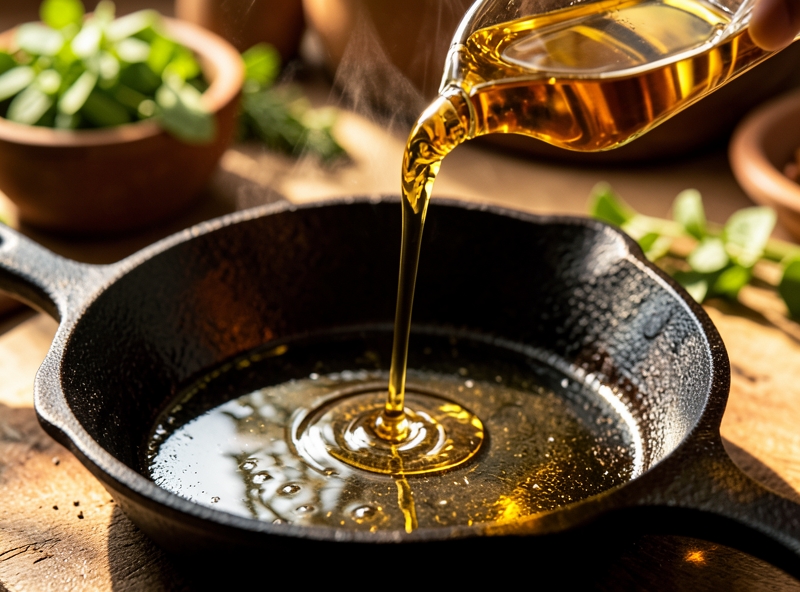
"In culinary culture, kindness to the body begins with understanding the limits of temperature. Do not force a delicate oil to endure the intense heat of a fierce fire."
A concerning reality I often see in modern families is the habit of reusing frying oil multiple times. From a scientific perspective, with each reheating, the molecular structure of the oil weakens, the smoke point drops, and trans fats begin to form. The oil then ceases to be a pure heat-transfer medium and becomes a mixture of decomposition. To protect the original flavor and purity of the dish, always use fresh oil for deep-fried dishes and refuse to keep "exhausted" drops of oil after a long thermal cycle.
- Priority: Rice bran oil, peanut oil, canola oil, or avocado oil (if budget permits due to its extremely high smoke point of ~270°C).
- Limit: Extra Virgin olive oil should only be used for dressings or low-heat cooking to retain precious, volatile essences.
- Golden Rule: When you see the oil starting to emit blue smoke and a burnt smell, it is a sign that the chemical structure has collapsed; absolutely do not continue cooking.
5. How to Choose Oils for Salads, Sauces, and Low-Heat Cooking
In modern food processing techniques, separating the purpose of cooking oils based on their smoke point is a prerequisite for protecting nutritional value. The group of oils used for salads and low temperatures are usually the most "original" oils—cold-pressed, without chemical refining, helping to fully preserve the chemical bonds of unsaturated fatty acids, vitamins, and heat-sensitive antioxidants.
| Oil Type | Approximate Smoke Point | Key Ingredients | Best Practical Applications |
|---|---|---|---|
| Extra Virgin Olive Oil (EVOO) | 160°C - 190°C (320°F - 374°F) | Polyphenols, Oleic acid (Omega-9) | Salad dressings, making Pesto sauce, drizzling directly over pasta. |
| Sesame Oil (Cold-pressed) | 177°C (350°F) | Sesamol, Vitamin E | Marinating food, making dipping sauces, adding to soup after turning off the heat. |
| Flaxseed Oil | 107°C (225°F) | Alpha-linolenic acid (Omega-3) | Cold use only: salad dressings, mixing into smoothies or yogurt. |
The greatest advantage of this group of oils is their characteristic flavor, which contributes to shaping the "soul" of the dish. However, the disadvantage is their poor stability under the influence of light and high temperatures. When the smoke point threshold is exceeded, carbon structures are broken down, creating free radicals and harmful compounds such as Acrolein.
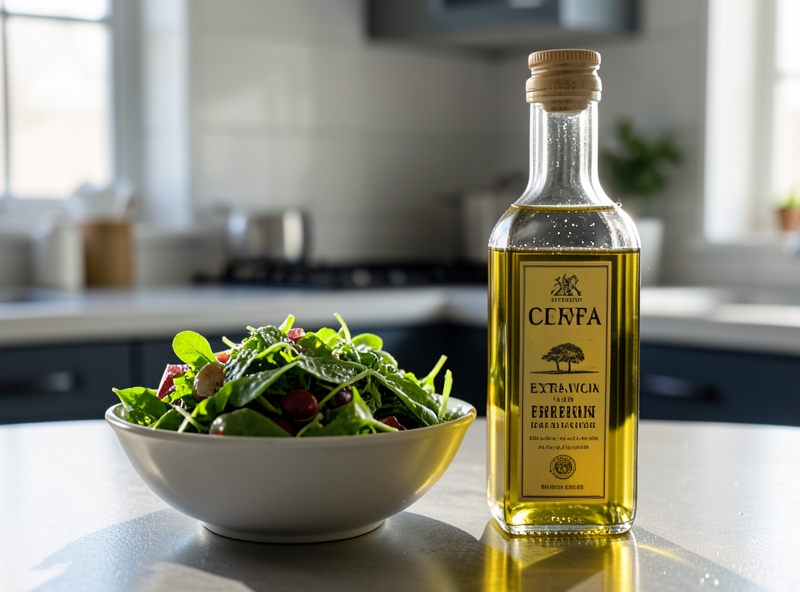
"Using Extra Virgin Olive Oil or flaxseed oil is not merely a seasoning, but a method of supplementing good structural fats for brain cells and the cardiovascular system. Efficiency is only achieved when users follow the principle: Do not overheat."
To optimize the value of use, users should note the following practical rules:
- Extra Virgin Olive Oil: This is the most versatile oil. However, it should only be used for light sauteing with water or cooking at medium-low heat. Avoid using it for deep-frying or roasting at temperatures above 200°C (400°F).
- Sesame Oil: Has slightly better heat resistance than flaxseed, but its aroma is very volatile. The best way is to add sesame oil at the final stage of processing to preserve its characteristic aroma and natural antioxidants like sesamol.
- Flaxseed Oil: This is the "king" of plant-based Omega-3s but is extremely sensitive. Absolutely do not cook with this oil. Storage should be in dark glass bottles and kept in the refrigerator to avoid oxidation causing bitterness (rancidity).
In terms of cost, these oils are often more expensive than refined oils. Therefore, using them as sauces or drizzling directly onto cooked food not only helps preserve medicinal properties but is also a smart way to consume, avoiding the waste of precious nutrients decomposed by heat.
6. Summary: Rules for Smart Cooking Oil Selection and Storage
Kitchen discipline starts with controlling the smallest details, and cooking oil is the key factor determining both the success of a dish and long-term health. You cannot expect a resilient body if you fuel it with degraded fuel. Choosing cooking oil is not based on intuition or price; it is based on science and specific usage purposes.
"Do not let ignorance turn family meals into the seeds of disease. Good cooking oil is oil that is appropriate for the temperature and is stored with care."
To optimize effectiveness and protect nutrients, you need to master selection rules based on the Smoke Point and the nutritional value of each type of fat:
| Intended Use | Recommended Oil Type | Reason for Selection |
|---|---|---|
| Frying, high-heat sautéing | Palm oil, sunflower oil, rice bran oil | High smoke point, heat-stable, less prone to oxidation. |
| Searing, everyday cooking | Soybean oil, canola oil, avocado oil | Balance between thermal stability and Omega content. |
| Salad dressing, finishing oil | Extra Virgin Olive Oil, flaxseed oil, sesame oil | Preserves full Vitamins and heat-sensitive antioxidants. |
However, owning the best oil is not enough if you fail to store it correctly. The three greatest enemies of cooking oil are: Light, Heat, and Air. The natural oxidation process will occur many times faster if you place the oil bottle right next to the stove or under sunlight, creating harmful free radicals for your cells.
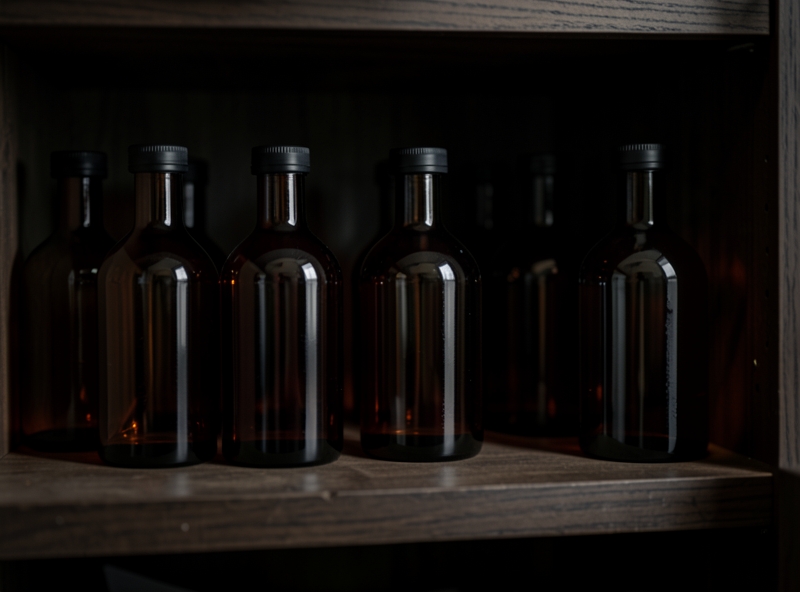
Take immediate action to restore order in your kitchen with the following strict storage rules:
- Use dark glass bottles: Instead of using transparent plastic bottles, transfer oil to amber or dark green glass bottles to block the effects of UV rays.
- Keep away from heat sources: Absolutely do not leave cooking oil right next to gas stoves, ovens, or on top of refrigerators. Choose a low, cool cabinet shelf.
- Seal tightly after use: Exposure to oxygen is the shortest path to rancidity. Ensure the bottle cap is always tightly screwed on immediately after pouring.
- Do not reuse oil multiple times: Oil that has been through high temperatures undergoes chemical structure changes and accumulates toxins. Discard it for the sake of your own health.
Action Plan for you today:
- Review: Check all cooking oils in the kitchen, immediately discard any oils that have strange odors or are expired.
- Restructure: Move the oil storage location away from the cooking area to a closed and cool cabinet.
- Invest: Equip yourself with at least two types of oil: one for high-heat frying and one "liquid gold" (such as Olive oil) for direct consumption.