1. The Importance of Proper Grain Processing for Your Health
In the journey to find balance through a minimalist lifestyle, food is not merely a source of energy but a bridge connecting us with nature. The trend toward prioritizing whole grains is returning strongly to modern kitchens. This is not a fleeting fad, but a smart choice for those who cherish core values, wishing to fully utilize the purest essence of the seed without needing expensive supplements.
However, using raw grains requires a thorough understanding of their biological characteristics. In nature, seeds such as brown rice, beans, or oats contain Phytic Acid (phytates) in the bran layer. This is a self-defense mechanism that protects the seed from insect attacks and prevents premature germination when environmental conditions are unfavorable. For humans, Phytic Acid is considered an "anti-nutrient" because it has the ability to bind with essential minerals like iron, zinc, calcium, and magnesium, hindering the absorption capacity of the digestive system.
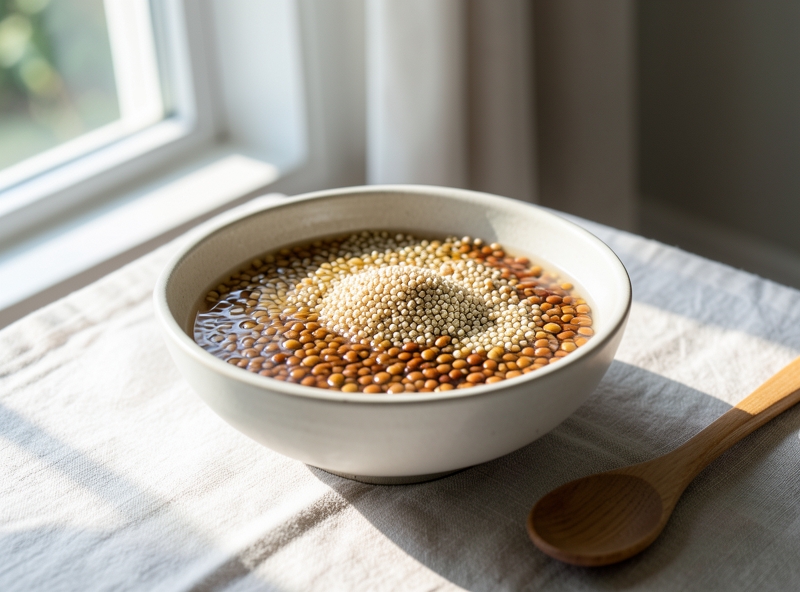
To optimize the functionality of grains and avoid wasting precious nutritional resources, soaking seeds before processing is an indispensable step. This process simulates natural germination, helping to neutralize Phytic Acid and release beneficial enzymes. When enzyme inhibitors are removed, the body receives nutrients in the gentlest way, minimizing pressure on the stomach and intestines.
"True culinary sophistication does not lie in elaborate spices, but in how we properly treat each original ingredient to protect health from deep within."
Proper processing brings practical values that any smart consumer should aim for:
- Mineral Release: Helps the body maximize the absorption of calcium, iron, and zinc available in the seeds, preventing micronutrient deficiencies.
- Digestive Support: Breaks down complex starch and protein structures, helping to reduce bloating and indigestion often encountered when eating whole grains.
- Enzyme Activation: Increases vitamin content, especially B-group vitamins, helping to metabolize energy more efficiently.
- Time and Fuel Savings: Seeds will soften faster during cooking after soaking, saving electricity and gas while protecting the natural texture of the food.
| Type of Grain/Seed | Minimum Soaking Time | Core Benefits |
|---|---|---|
| Brown rice, barley | 8 - 12 hours | Softens the bran layer, removes phytates. |
| Beans (black beans, red beans) | 8 - 24 hours | Reduces compounds that cause gas, shortens simmering time. |
| Almonds, cashews | 4 - 8 hours | Activates enzymes, making the flavor richer and easier to digest. |
| Whole oats | 6 - 8 hours | Increases the absorption of soluble fiber. |
A minimalist lifestyle teaches us that: sometimes slowing down a bit in the preparation stage is the fastest way to achieve peace and health. A pitcher of filtered water and a little patience to soak seeds overnight are all you need to turn a simple meal into a sustainable way to nourish your body.
2. Secrets to Cooking Soft and Fragrant Brown Rice Without Hardness
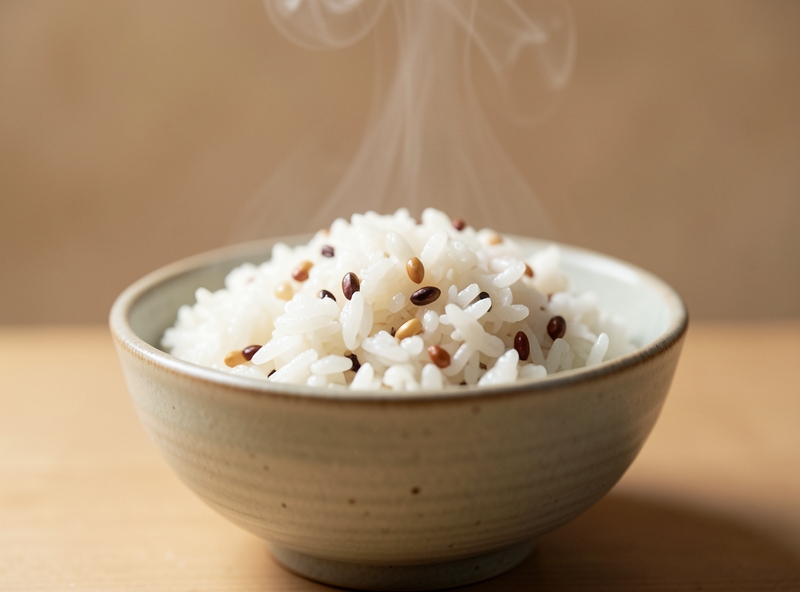
In a minimalist lifestyle, eating doesn't need to be elaborate, but it must be complete in terms of nutrition and spiritual value. A properly cooked bowl of brown rice not only brings health but also helps us learn patience and appreciation for the "gems of the earth." To make the rice grains bloom softly and fragrantly like white rice without needing expensive pots, careful preparation starting from the soaking stage is the core key.
| Type of Brown Rice | Optimal Soaking Time | Water : Rice Ratio | Characteristics After Cooking |
|---|---|---|---|
| Red / Black Brown Rice | 8 - 12 hours | 2 : 1 | Slightly crunchy outer layer, deeply soft inside. |
| Purple / White Brown Rice | 2 - 4 hours | 1.8 : 1 | Very sticky, naturally sweet taste. |
Soaking rice is not a waste of time as many people mistakenly believe. On the contrary, this is a smart consumption step that helps activate beneficial enzymes, eliminate natural toxins (phytic acid), and allows the rice grains to absorb water evenly from the core. When the rice grains have "soaked up" enough water, the cooking time will be shortened, saving electricity and ensuring the rice never ends up "mushy on the outside, hard on the inside."
"Peace sometimes lies in the gentle sound of boiling water and the rustic aroma of rice grains transforming as they ripen."
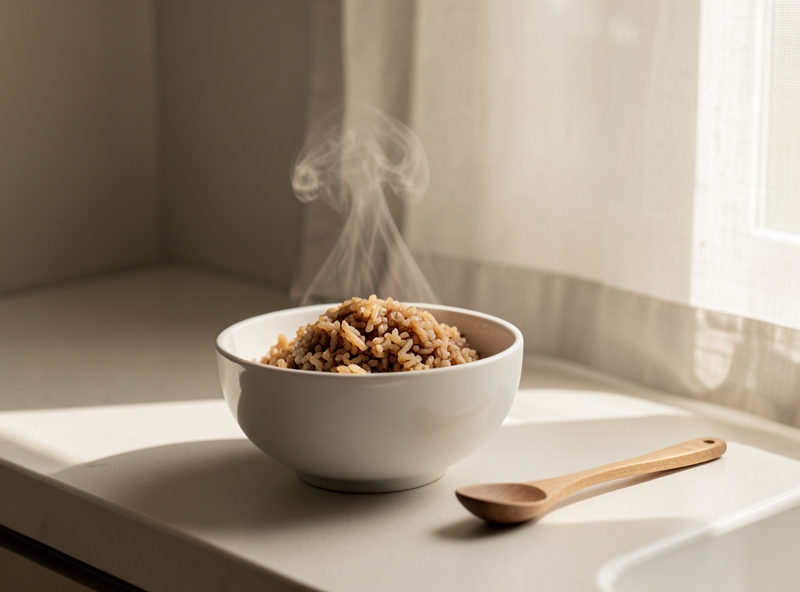
To achieve optimal softness using available kitchen equipment, you can apply these two simple methods:
- Regular Rice Cooker: After soaking the rice, add water at a 1:2 ratio (or slightly adjust to taste). Add a pinch of sea salt or a drop of rice oil to make the rice grains glossy and more flavorful. When the cooker switches to "Warm" mode, let it sit for at least 15-20 minutes before opening the lid. This "resting" period allows the steam to permeate back into the center of the rice grain, creating a uniform stickiness.
- Pressure Cooker: This is the optimal choice for busy people who still want to maintain a healthy lifestyle. With a pressure cooker, you only need to cook for about 20-30 minutes. High pressure will quickly break down the tough fiber structure of the bran layer, helping the rice grains become soft and fluffy without needing to soak as long as conventional cooking methods.
Instead of seeking extravagant foods, focusing on the proper preparation of basic ingredients like brown rice is how we restrain outward complexity to return to core values within. A delicious, nutritious bowl of rice cooked with tranquility is the foundation for a productive and peaceful day.
3. Techniques for Processing Lotus Seeds and Black Beans for Perfect Nutty and Soft Texture
Cooking is like nurturing a relationship; rushing rarely yields good results. For lotus seeds and black beans, patience during the preparation stage is the "golden key" to transforming hard, dry seeds into soft morsels that melt on the tongue without being crushed or tough.
Lotus seeds are divided into two types: fresh and dried. Fresh lotus seeds are like "well-behaved children"; you simply need to peel them, remove the lotus germ (to avoid bitterness), and wash them before they are ready to cook. Conversely, dried lotus seeds are more like "stubborn students." You should absolutely never soak dried lotus seeds in cold water because it "freezes" their structure, resulting in seeds that never soften no matter how long they are cooked. Instead, soak them in warm water for about 2-3 hours to gently wake them up before putting them in the pot.
"Soaking seeds is not merely about softening; it is a process of activating life and removing 'obstacles' that cause indigestion, helping the body fully absorb the essence of the plants."
For black beans, the most important rule to remember is the "8-hour principle." Imagine black beans as a battery that needs to be fully charged with water before operating. The skin of black beans contains complex sugars (oligosaccharides) that the human digestive system finds difficult to break down, easily causing gas and bloating. Soaking black beans for at least 8 hours (or overnight) with a pinch of salt not only helps the beans expand evenly and become buttery smooth but also dissolves most of these sugars into the water, making it easier on your stomach after enjoying them.
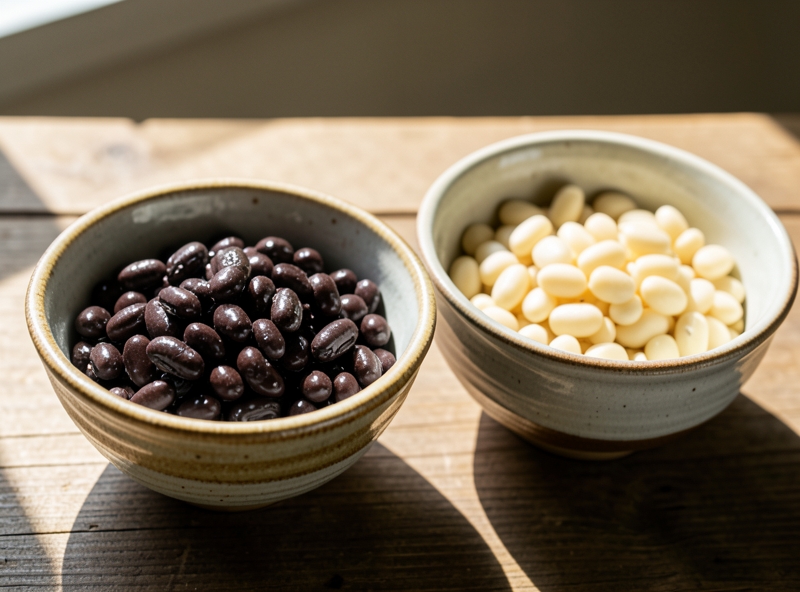
When combining these seeds into multi-grain rice or sweet soups, balancing the water ratio is the deciding factor for all components in the pot to reach "harmony." If cooked with rice, different seeds usually have different water absorption rates. You can refer to the ratio table below to ensure all ingredients are perfectly cooked, without some being raw and others overdone:
| Ingredient | Preparation Status | Water : Seed Ratio (Volume) | Special Notes |
|---|---|---|---|
| Fresh lotus seeds | Remove germ, wash | 1.5 : 1 | Add at the same time as the rice |
| Dried lotus seeds | Soak in warm water for 2-3h | 2 : 1 | Should be parboiled for 10 minutes before mixing with rice |
| Black beans | Soak for 8h (overnight) | 2.5 : 1 | Should be cooked separately until 70% done before mixing with rice |
A small tip to check if the seeds have reached "perfection": Use two fingertips to gently squeeze a cooked bean or lotus seed. If the seed mashes smoothly like powder without any hard core, while the outer skin still retains its intact shape, congratulations—you have mastered this artistic seed processing technique.
4. Golden tips for blending and seasoning multigrain rice
The effectiveness of multigrain rice does not come from random combinations. Based on empirical indicators of cooking time and water absorption capacity, controlling the ratio and physical conditions during cooking is the decisive factor for nutritional value and taste experience.
| Blending Type | Ratio (White Rice : Grains) | Sensory Objective |
|---|---|---|
| Standard (Beginner) | 3:1 | High softness, easy to eat, light aroma. |
| Balanced (Balanced) | 2:1 | Fluffy grains, the crunchiness of the bran layer begins to appear. |
| Therapeutic (High-Fiber) | 1:1 | High coarseness, rich in fiber, requires thorough chewing to release sweetness. |
To optimize surface structure and flavor, supplementary seasoning parameters should be standardized as follows:
- Sea salt (0.5g/100g rice): Ions in salt help strengthen hydrogen bonds, highlighting the natural sweetness of starch without causing saltiness.
- Olive oil or sesame oil (5ml/500g rice): Fat coats the surface of the rice grains, creating glossiness and preventing excessive clumping after cooling.
- pH balance: Adding 1-2 drops of apple cider vinegar or lemon juice helps soften the tough cellulose layer of grains like brown rice and black beans.
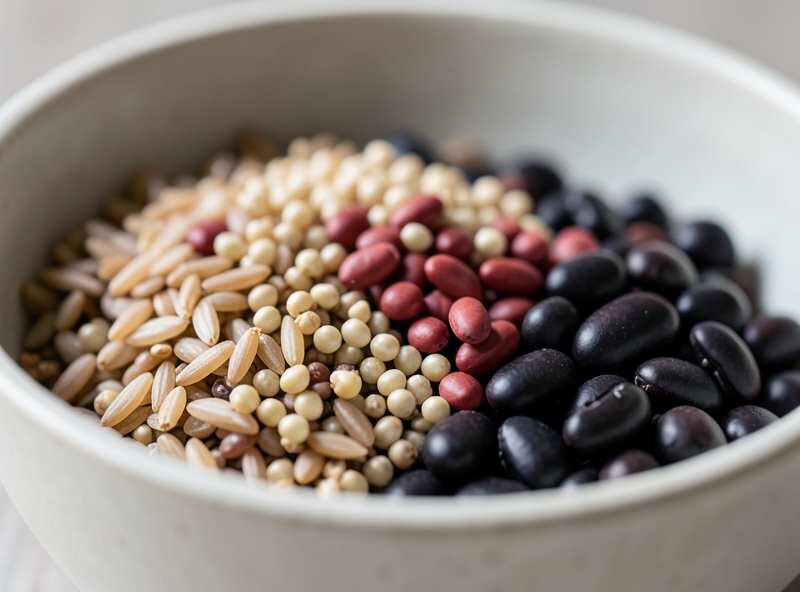
"Controlling the initial water temperature at 40°C - 50°C helps shorten the hydration process of cereal grains by up to 30%, while activating starch-hydrolyzing enzymes, making the rice sweeter."
Special notes on temperature and cooking process:
- Water temperature: Do not use completely cold water for hard grains. Warm water promotes faster penetration into the grain core, ensuring grains cook evenly at the same time as white rice.
- Soaking time: For beans and whole grains, the minimum soaking time is 30 minutes. Experimental data shows that soaking grains significantly reduces the amount of phytic acid - a substance that inhibits mineral absorption.
- Pressure: If cooking with a pressure cooker, reduce the amount of water by 10% compared to a conventional electric rice cooker to avoid the grains becoming mushy and losing their structure.
5. Summary
Imagine each tiny dried nut or seed as a "safe" that is locking away nutritional treasures inside to protect itself from harsh environments. Soaking seeds is our way of gently using the right key called "time" and "moisture" to unlock that safe. If we hastily skip this step, the body will have to "struggle" very hard to break through that stubborn protective shell, sometimes causing digestive troubles—much like trying to swallow food that hasn't been chewed thoroughly.
To help you easily perform this nutritional "awakening" every day, below is a standard parameter table that you can memorize or post right in your kitchen corner:
| Seed Group | Optimal Soaking Time | Water : Seed Ratio | Quick Note |
|---|---|---|---|
| Legumes (Black beans, red beans, soybeans) | 8 - 12 hours | 3 : 1 | Should change water 1-2 times to completely remove air bubbles. |
| Whole Grains (Brown rice, oats) | 6 - 8 hours | 2 : 1 | Soak with a bit of lemon juice or apple cider vinegar to make grains softer. |
| Hard-shell Nuts (Almonds, walnuts) | 4 - 8 hours | 2 : 1 | Add a pinch of sea salt to activate beneficial enzymes. |
| Small Seeds (Cashews, pumpkin seeds) | 2 - 4 hours | 2 : 1 | Do not soak for too long as it will make them mushy and lose their creamy flavor. |
Following the correct water ratio and timing is not just a cooking technique; it is how we communicate with our food. When seeds are sufficiently soaked, nutritional inhibitors (such as phytic acid) are neutralized, making way for vitamins and minerals to "stretch" and wake up. This ensures your sweet soups, nut milks, or macrobiotic rice bowls not only have a subtle sweetness and smooth texture but are also extremely "friendly" to your stomach.
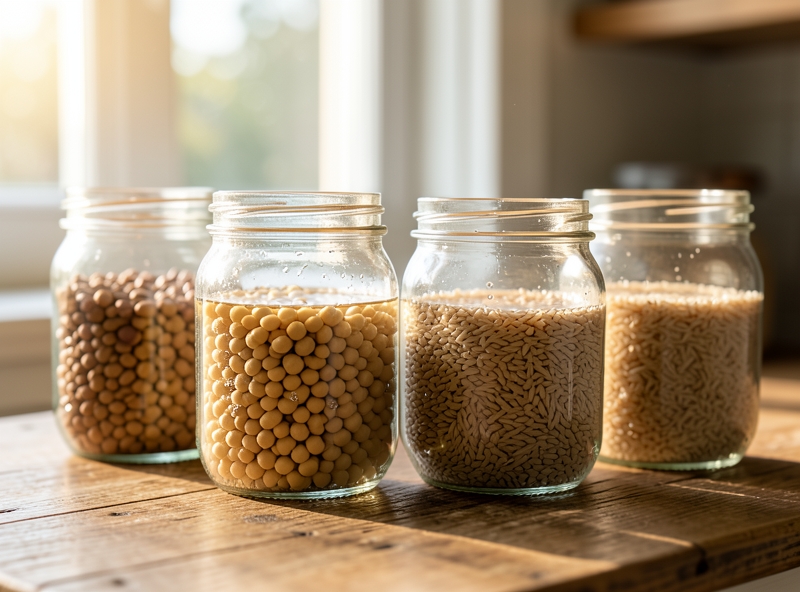
"Delicious cooking can be learned in a few days, but cooking kindly for health is a journey of patience and understanding even the smallest ingredients."
Consider the few hours of soaking seeds as a time for the food to "purify" itself before entering your body. When you respect this process, the meal will reward you with abundant energy and a sense of lightness after every meal. May you always find joy and peace of mind in each of your meticulous recipes!