1. Understanding Deodorization: From Masking Scents to Root Elimination
In modern life, our living spaces are becoming increasingly enclosed. Scents from cooking, pets, or damp weather are easily trapped, creating an olfactory clutter. However, from the perspective of someone pursuing a minimalist lifestyle, cleanliness does not lie in filling the house with pungent scents from air fresheners or artificial scented candles. These are often just temporary solutions, a waste of financial resources, and sometimes even harmful to health when volatile organic compounds (VOCs) are introduced into the air.
Using fragrance for masking is essentially just "stacking" more odor molecules on top of each other. Once the fragrance fades, the root cause of the foul odor remains, creating an endless cycle of consumption. In contrast, the scientific method focuses on root elimination: removing bacteria, absorbing odor molecules, and cleaning the source of the smell. The purest living space is one without any strange odors.
"Peace of mind begins with the peace of the space. And the peace of the space truly exists only when it is not disturbed by any redundant scents."
To help you gain an objective view and make smart consumer choices, let's distinguish between these two approaches through the comparison table below:
| Criteria | Masking with Fragrance | Eliminating at the Root |
|---|---|---|
| Mechanism | Using a stronger scent to deceive the sense of smell. | Decomposing odor molecules or removing the odor source. |
| Effectiveness | Short-term, foul odors will return quickly. | Sustainable, keeping the space fresh for a long time. |
| Economy | Expensive due to constant repurchasing of scented products. | Economical, focusing on hygiene and natural materials. |
| Health | Potential risk of allergies from synthetic chemicals. | Safe, improving indoor air quality. |
Choosing to eliminate odors instead of masking them is an important step in the journey of minimalizing life. Instead of spending on chemical-filled room sprays, we learn to understand our living space through core activities:
- Air Circulation: Open windows when the outdoor air is freshest to renew the energy flow.
- Using Natural Materials: Leverage the absorption capabilities of activated charcoal, coffee grounds, or baking soda to clean odors quietly.
- Periodic Cleaning: Focus on areas prone to bacterial buildup such as sinks, carpets, and hidden corners.
Peace in the home does not come from the things we add, but from the things we know how to properly remove. When strange odors are eliminated, your sense of smell rests, making room for relaxation and deeper focus on inner spiritual values.
2. Principles of Air Convection: Dynamics in Space Purification
Air convection is based on temperature and pressure differences between areas of space. Hot air has low molecular density and is lighter, so it rises, creating a local low-pressure zone. Colder air, which has a higher density, flows in to replace it. In a residential environment, this movement acts as a medium that carries odor molecules (VOCs), bacteria, and fine dust out of the living space.
| Ventilation Method | Air Change Rate (ACH) | Odor Removal Efficiency (%) |
|---|---|---|
| Completely sealed room | 0.1 - 0.2 | < 5% |
| Single window open | 1.0 - 2.0 | 30 - 45% |
| Cross-ventilation | 5.0 - 15.0 | 85 - 95% |
Natural cross-ventilation techniques require setting up at least two openings on opposite or perpendicular sides. The Bernoulli effect indicates that as airflow velocity increases at a constriction point (doors/windows), pressure decreases, creating a suction force that pulls stagnant air from hidden corners outside.
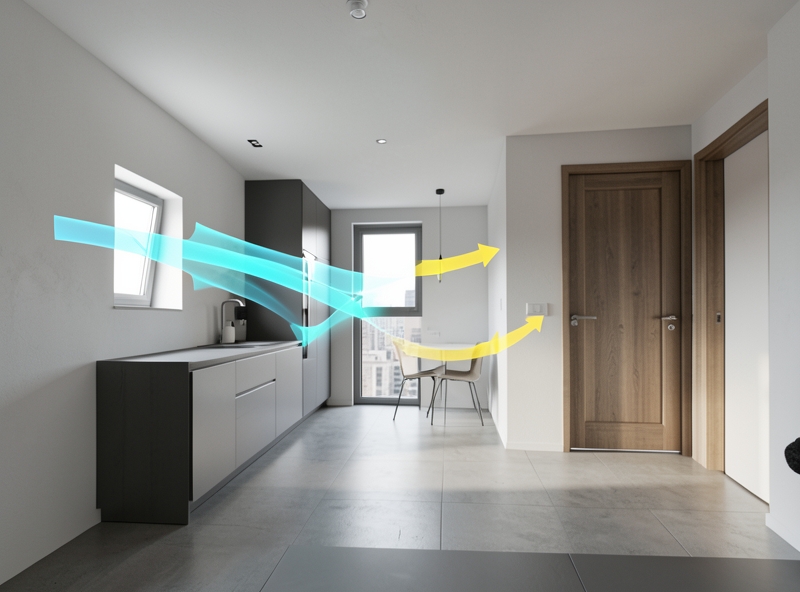
The role of pressure is particularly important in controlling internal pollution. To prevent odors from the kitchen or bathroom, these areas must be maintained in a state of Negative Pressure relative to other rooms. This is achieved through the use of exhaust fans with a flow rate greater than the amount of natural air supplied to that specific room.
"Maintaining a minimum pressure difference of 2.5 Pa between the restroom area and the corridor is the technical standard to completely prevent the leakage of odor molecules."
- Door Arrangement: The air outlet should be placed higher and have a larger surface area than the air inlet to optimize the stack effect.
- Utilizing Temperature: Open doors in the early morning or late at night when the temperature difference between inside and outside is greatest to accelerate the air exchange process.
- Flow Control: Avoid placing large obstacles (cabinets, solid partitions) directly in the path of the convective airflow.
3. Natural Filtration Systems: Using Plants and Adsorbent Materials
In the context of urbanization shrinking living spaces, people spend up to 90% of their time indoors, where volatile organic compounds (VOCs) from wall paint, industrial furniture, and cleaning chemicals silently impact health. Instead of relying on power-consuming air purifiers or air fresheners containing artificial fragrances, creating a "green respiratory system" right within your living space is a sustainable solution, returning pure freshness to your home.
Plants are not just decorations; they are miraculous biological air filtration machines. Through photosynthesis, leaves absorb CO2 and release O2. However, their most extraordinary ability lies in the stomata on the leaf surface, where they actively capture pollutants and convert them into nutrients for soil microorganisms. Each plant species takes on its own "specialist" role in cleaning the air.
| Plant Type | Main Filtration Capability | Ecological Characteristics |
|---|---|---|
| Snake Plant (Sansevieria) | Absorbs Formaldehyde, Xylene, and Nitrogen Oxide. | Produces oxygen at night, ideal for bedrooms. |
| Peace Lily | Removes Benzene, Trichloroethylene, and Ammonia. | Increases air humidity, helping to reduce dry nose and throat symptoms. |
| English Ivy | Minimizes mold particles and airborne allergens. | Highly adaptable, suitable for small corners with low light. |
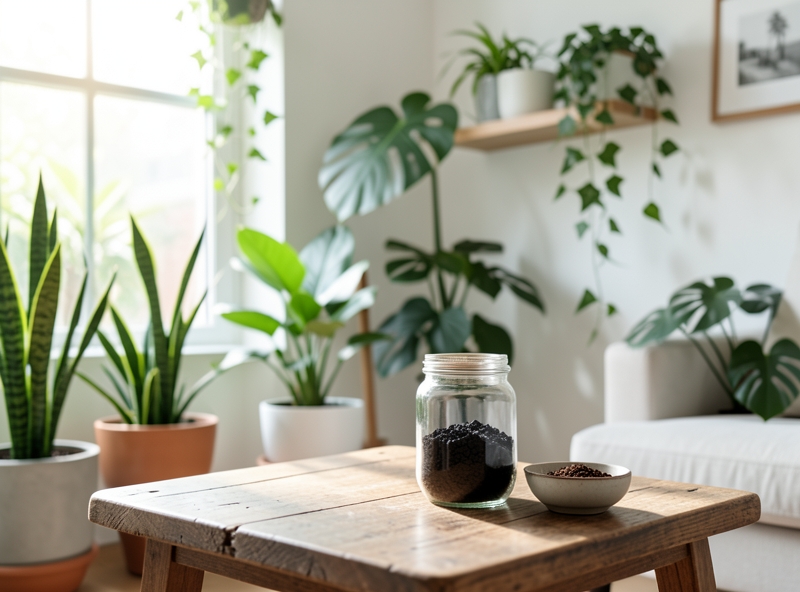
Beside the green of the leaves, utilizing natural adsorbent materials is the final step in the process of cleaning living spaces without leaving a carbon footprint. These materials work based on a mechanism of trapping odor molecules and bacteria into microscopic pores within their structure, rather than just masking smells with strong fragrances.
- Activated Carbon: With its characteristic porous structure, activated carbon is the most powerful "magnet" for attracting odors, excess moisture, and airborne toxins. You can place small cloth bags containing charcoal in hidden corners or near shoe cabinets to maintain dryness.
- Dried Coffee Grounds: Instead of being discarded, coffee grounds, once dried, become an effective odor neutralizer thanks to their high nitrogen content. They not only eliminate food odors in the kitchen but also provide a rustic, relaxing scent of mother earth.
- Rock Salt: Salt has natural hygroscopic properties. Placing a bowl of rock salt in areas prone to mold helps balance humidity, inhibits bacterial growth, and cleans the electrical charge in the air.
"When we bring nature into our homes, not only is the air cleaned, but the human soul itself is healed by the most primal connection to the ecosystem."
Using plants and natural adsorbent materials is not just a household tip; it is a choice for responsible living. By prioritizing sustainable methods, we are directly minimizing the amount of chemical waste released into the environment while protecting the health of our loved ones in the safest and gentlest way.
4. Essential Oil Science: Neutralizing Odor Molecules with Organic Compounds
Unlike conventional room sprays that merely use heavy fragrances to mask the sense of smell, pure essential oils operate based on chemical interaction mechanisms. Natural Volatile Organic Compounds (VOCs) in essential oils, such as Terpenes, Alcohols, and Aldehydes, have the ability to adhere to, surround, and break down the structure of odor-causing molecules (typically compounds containing Sulfur or Ammonia), transforming them into odorless compounds or causing them to settle onto surfaces.
| Chemical Components | Essential Oil Origin | Specific Action Mechanism | Actual Deodorizing Efficiency |
|---|---|---|---|
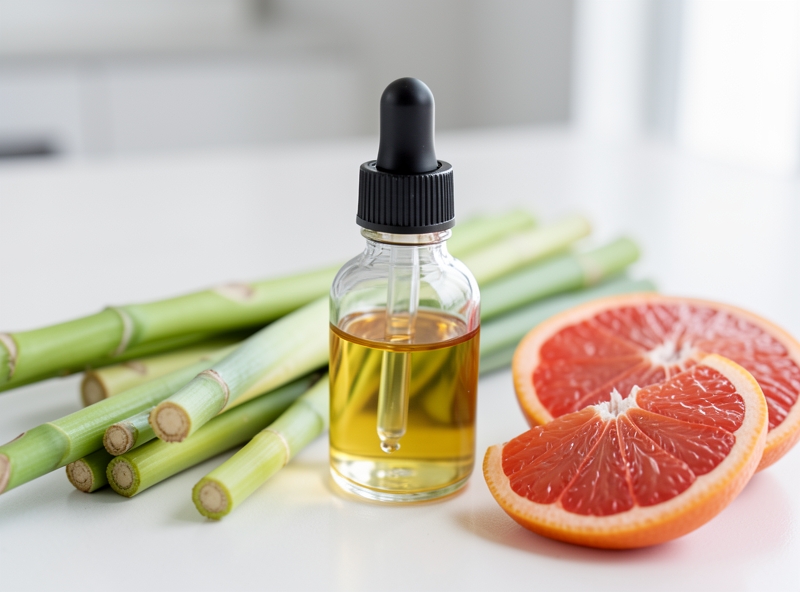
| Citral (65-85%) | Lemongrass | Breaks down the molecular structure of Ammonia gas and Sulfur radicals. | 94% in a 20m² space |
| Limonene (90%+) | Grapefruit Peel | Strongly oxidizes organic compounds causing food odors. | 89% of grease/food odors |
| Menthol | Peppermint | Neutralizes bacteria causing musty odors and repels insects. | 82% of mold/mildew odors |
The choice of essential oils should be based on physicochemical indices suitable for the function of each space in the home:
- Living Room (Requires freshness): Use Citrus group oils (Orange, Grapefruit) or Lemongrass. These molecules have a light weight and diffuse quickly, helping to purify the air and increase the chemical oxidation concentration in the room.
- Bedroom (Requires relaxation): Use Linalool and Linalyl Acetate (found in Lavender or Cedarwood). These compounds act on the central nervous system through the olfactory system to reduce Cortisol levels while neutralizing mild body odors.
"Clinical trial data shows: Pure essential oils evaporate completely on test paper after 24 hours. Conversely, chemical fragrances often leave oily residues (containing Phthalates) - agents that cause long-term respiratory irritation."
Analytical Warning: Odor neutralization efficiency is only maximized when using 100% pure essential oils. Synthetic fragrances (Fragrance oils) only contain artificial Ester bonds that create a fake scent, lack the ability to chemically react to eliminate odor molecules, and simultaneously increase the concentration of fine particulate matter (PM2.5) in enclosed spaces.
5. A 3-Step Scent Optimization Process for the Modern Home
Stop abusing room sprays to mask odors immediately! It is a futile and unscientific approach. A high-class home is not just visually beautiful but must also meet "olfactory" standards. You need a strict, disciplined, and effective scent management system. Implement the 3-step process below now to transform your living space into a pure oasis.
"Do not try to layer fragrance over pollution. Cleanse before you begin creating emotions."
Step 1: Eliminate the Odor Source - The Discipline of Cleanliness
Fragrance can never exist on a foundation of mold and waste. You must play the role of an odor "hunter." Focus on these "black spots": trash cans, drains, old air filters, and damp hidden corners. Use white vinegar or baking soda to neutralize all organic odors. This is a stage that requires decisiveness: if you do not eliminate the root cause of the smell, all subsequent efforts are meaningless.
| Area | Odor Causes | Elimination Solution |
|---|---|---|
| Kitchen | Grease, organic waste | Clean the range hood, take out the trash daily. |
| Bathroom | Drains, mold | Use disinfectant solutions, check floor drains. |
| Living Room | Dusty carpets and curtains | Deep vacuum and wash periodically. |
Step 2: Establish Convection Flow - Let the House "Breathe"
Stagnant air is the enemy of freshness. Even if your home is clean, air that doesn't circulate will create a suffocating feeling. Open all windows for at least 15-30 minutes in the early morning or late evening to create cross-ventilation. If the space is enclosed, activate exhaust fans or ceiling fans at high power to push all old air out. This is a crucial step to refresh the air "base" before adding fragrance.
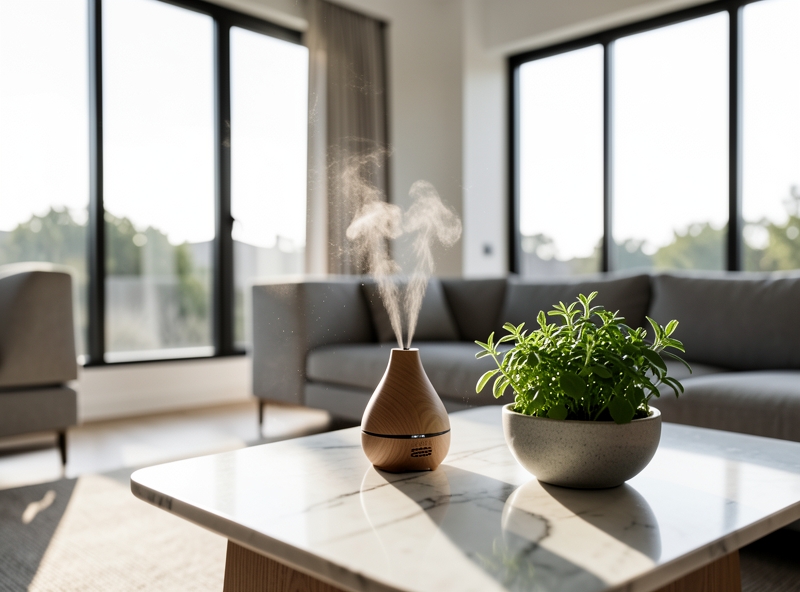
Step 3: Create Sustainable Herbal Scent Layers - The Level of Sophistication
Finally, begin to "accessorize" your home with natural herbal notes. Instead of using cheap synthetic fragrances, invest in an essential oil diffuser or dried herbal sachets (cinnamon, lemongrass, lavender). Essential oils do not just create a scent; they also have antibacterial effects and improve mood. Choose scents based on room function: Lemongrass for the living room to stay alert, Lavender for the bedroom for deep relaxation.
ACTION PLAN FOR THE NEXT 24 HOURS:
- Hour 1: Deep clean all trash cans and drain areas with baking soda.
- Hour 2: Open all windows, turn on exhaust fans for 30 minutes to clear out stagnant air.
- Hour 3: Activate the diffuser with pure natural essential oils (Peppermint or Lemongrass).
- Maintenance: Establish a 15-minute daily cleaning routine every morning to protect the fragrance results.
Act now, do not delay! Your home reflects your own life discipline. Let the scent speak for the sophistication and proactivity of the homeowner.
6. Frequently Asked Questions (FAQ)
Hello friends, in the process of cleaning and caring for your home, everyone has surely encountered "laughing through tears" situations despite applying all sorts of tips. Let this "mentor" help you untie those knots with the simplest and most intuitive perspective.
Question 1: Why does my house still have unpleasant odors even though I use very fragrant essential oils?
Imagine a bad smell is like a patch of rust on a bicycle, and essential oil is the shiny coat of paint you apply on top. If you don't scrape off the rust (the source of the odor), no matter how beautiful the paint is, the rust will still silently corrode from within. Essential oils are actually just "scent warriors" that mask the opponent, rather than completely destroying the bacteria or mold that causes the smell. To solve this thoroughly, you need to find the exact "outbreak site" such as floor drains, curtains that haven't been washed in a long time, or damp hidden corners behind wooden cabinets.
"Don't use fragrance to escape odors; use cleanliness to bid them farewell."
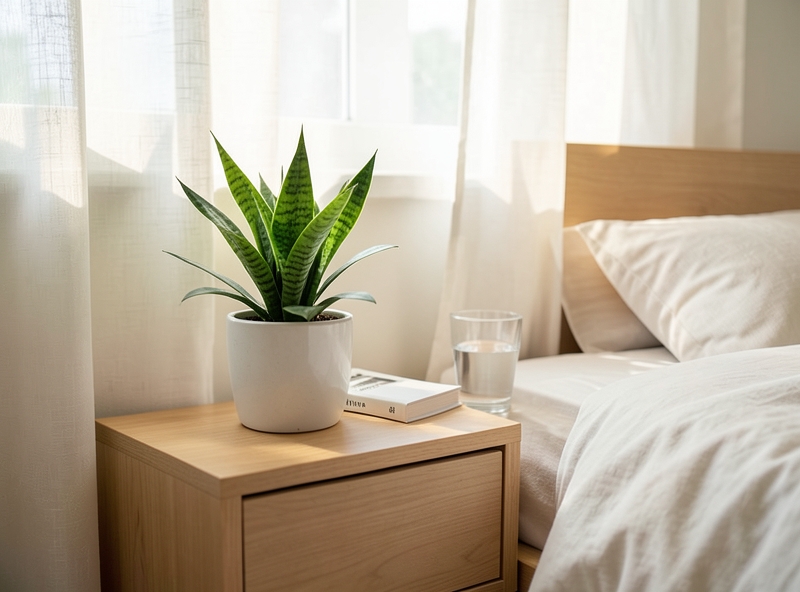
Question 2: Should I keep green plants in a closed bedroom at night?
Green plants are like very special "roommates." During the day, they help us filter the air and provide extra oxygen. But when the lights go out and night falls, most types of plants switch to "sleep" mode just like humans: they inhale oxygen and exhale CO2. In a room that is too closed and small, having too many of these "friends" competing for oxygen with you can make the air feel more stifling.
However, there are still dedicated "night shift workers" like the Snake Plant or Peace Lily. Thanks to a special photosynthetic mechanism (CAM), they still release oxygen at night, helping your sleep become deeper and fresher.
Question 3: What is the most effective way to handle pet odors using natural methods?
The smell of our "four-legged friends" often originates from protein and bacteria. To handle this, remember the duo of "silent heroes": Baking soda and White vinegar.
- Baking soda: Acts like a magnetic "sponge," absorbing moisture and odor molecules lingering on carpets or pet beds.
- White vinegar: Acts like a mildly acidic "knight," helping to safely neutralize ammonia odor molecules found in pet urine without the need for harsh chemicals.
Below is a quick comparison table of natural deodorizing assistants to help you choose easily:
| Ingredient | Mechanism of Action | Best Suited For... |
|---|---|---|
| Baking Soda | Absorption and Neutralization | Carpets, mattresses, fabric sofas |
| White Vinegar | Breaks down odor molecular structure | Floors, fresh stains |
| Dry Coffee Grounds | Absorbs moisture and releases mild fragrance | Refrigerators, small room corners |
| Activated Carbon | Deep filtration through tiny pores | Enclosed spaces left for a long time |
Hopefully, these answers will make your home care "mission" lighter and more interesting, just like understanding the personality of every item in your house.