1. Overview: When opposing culinary pieces create a taste masterpiece
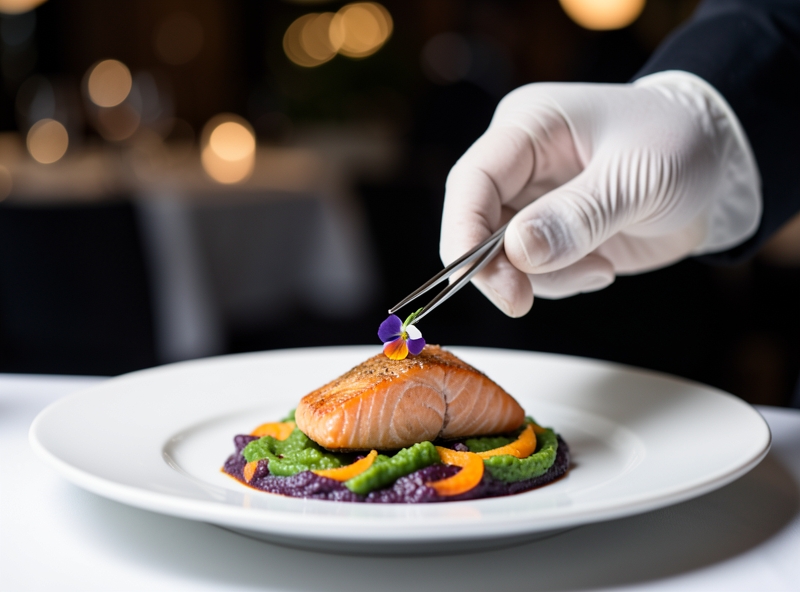
Why is it that with the exact same recipe and amount of seasoning, a top chef's dish possesses a mesmerizing appeal, while home-cooked meals often fall into boring monotony? Most home cooks fail to make a lasting impression because they chase safe harmony, lulling the palate to sleep. Meanwhile, the most valuable secret of modern cuisine lies in **the art of dynamic contrast** – where completely opposing flavor notes sprout into an explosive masterpiece right on the tip of your tongue.
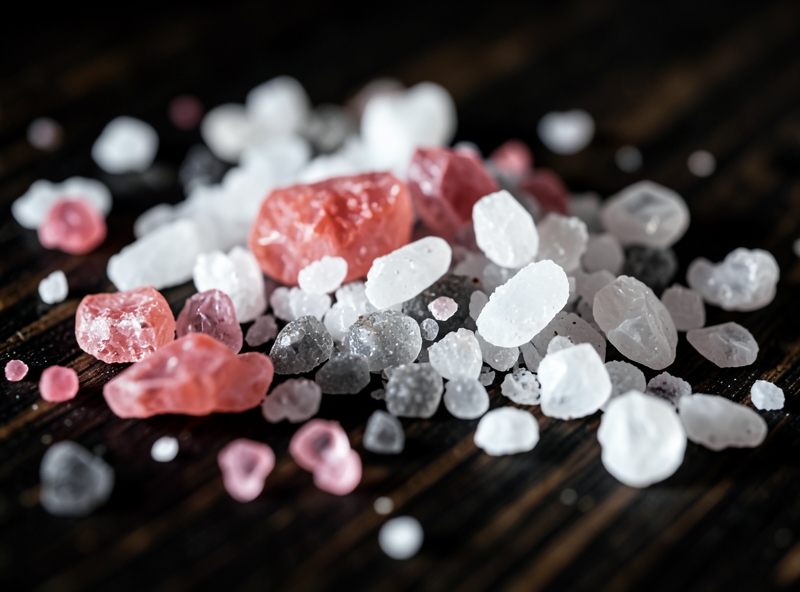
From the perspective of Molecular Gastronomy, the human tongue does not merely react to individual tastes, but is most strongly stimulated by **abrupt changes in sensory intensity**. When the SGLT1 receptor (Sodium-Glucose Cotransporter-1) on taste buds encounters a subtle amount of salt, it immediately triggers a special signaling pathway, unlocking the ability to perceive sweetness at a deeper level. This is why a flake of sea salt paired with artisanal caramel creates a chain reaction that prompts the brain to release dopamine—the hormone of intense craving.
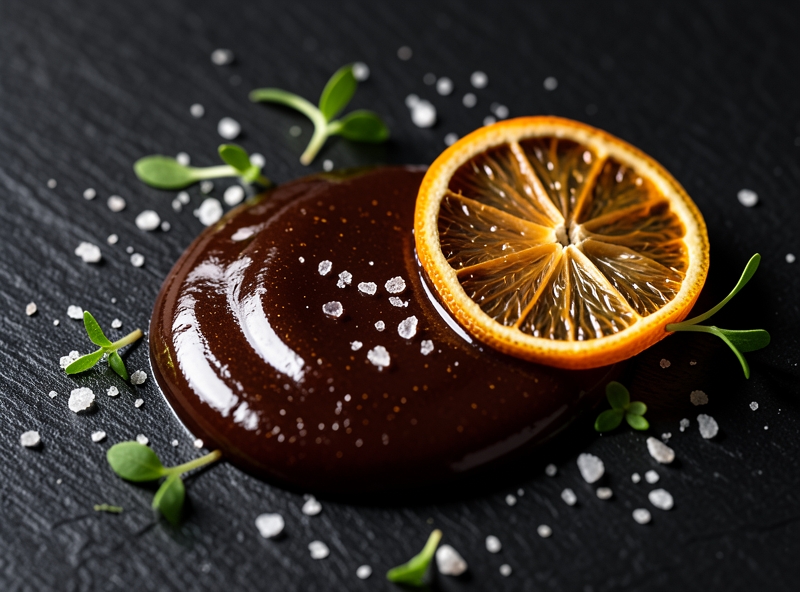
Going beyond the sweet and salty pairing, the interplay between richness (Fat) and acidity (Acid) represents another classic physicochemical mechanism. Richness creates a smooth lipid coating on the tongue's mucosa, delivering a deep sense of indulgence but quickly leading to sensory-specific satiety. At that exact moment, acid molecules act as a "chemical blade," severing the lipid film, cleansing the palate, and restoring sensitivity to the taste buds. The continuous cycling between "richness" and "freshness" creates an endless loop of taste sensations.
| Opposing Food Pairings | Scientific Mechanism (Molecular Mechanism) | Impact on Taste Experience |
|---|---|---|
| Sweet + Salty (Sweet & Salt) | Activates SGLT1 channels, mildly suppresses bitterness, enhances sweetness sensitivity. | Highlights the depth of sweetness, reduces sharpness, creates a lingering aftertaste. |
| Fat + Acid (Fat & Acid) | Acid breaks down the lipid coating, cleansing the tongue mucosa. | Eliminates heaviness, creates perfect balance, stimulates appetite. |
| Spicy + Fat/Cold (Capsaicin & Cooling) | Casein/Lipids dissolve Capsaicin; low temperatures soothe TRPV1 receptors. | Reduces excessive spiciness, transforming intense heat into a pleasant warmth. |
"Perfection in gastronomy is not about erasing all boundaries of difference, but about pushing opposing extremes to their limits and forcing them to harmonize."
Mastering sensory contrast is the defining turning point that separates an instinctive cook from a true culinary creator. This awareness completely shatters formulaic cooking mindsets, empowering you to actively control emotions and craft dishes that are truly "addictive" and deeply etched in the diner's memory.
2. Flavor Pairing Theory from a Molecular Perspective
Why does dark chocolate pair so breathtakingly well with blue cheese, or caviar elevate so surprisingly alongside white chocolate? If you are still creating recipes based on intuition or countless costly, failed experiments, you are missing out on the ultimate key used by Michelin chefs: Flavor Pairing Theory.
Most people confuse "taste" and "flavor." The tongue only perceives 5 basic tastes (sweet, sour, salty, bitter, umami). However, up to 95% of the actual tasting experience is determined by retronasal olfaction. As you chew, oral temperature and salivary enzymes release hundreds of volatile aroma compounds. Traveling upward through the back of the throat to the olfactory mucosa, these molecules send signals for the brain to synthesize a complex symphony of flavors.
The core principle of molecular theory is clear: Foods that share key molecular aroma compounds will easily harmonize and create an explosive flavor profile.
In 2011, a groundbreaking study on the Flavor Network published in the scientific journal Nature decoded over 56,000 global culinary recipes. The data proved that harmony does not come from coincidence, but from the density of molecular links between ingredients paired together.
| Ingredient Pairing | Shared Aroma Compound | Flavor Profile |
|---|---|---|
| Dark Chocolate & Blue Cheese | Trimethylpyrazine | Roasted nuts, rich, subtly bitter, robust |
| Tomato & Strawberry | Furaneol & C9 aldehydes | Fresh fruit, juicy, balanced sweet and sour |
| Beef & Coffee | Methional & Guaiacol | Smoky, woody, deep umami flavor |
| Oysters & Buckwheat | Dimethyl sulfide | Briny sea aroma, nutty grain richness |
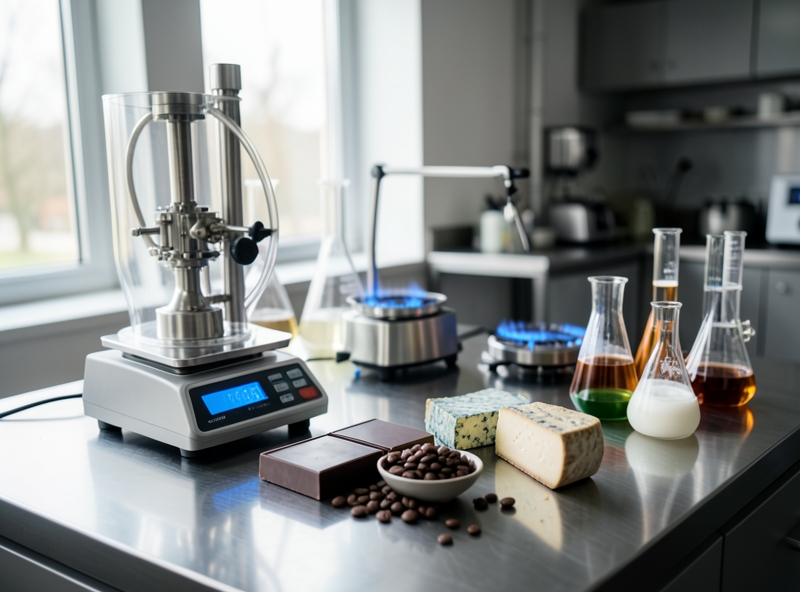
"High culinary art is no longer a game of emotional chance. It is the absolute precision of molecular chemistry, where each aroma molecule serves as a link connecting the tasting experience."
Applying the Flavor Network helps you completely eliminate the traditional "trial-and-error" method. To break boundaries when developing new recipes, apply the following 3 molecular rules:
- Capitalize on dominant compounds: Start by identifying the aroma molecule with the highest proportion in the main ingredient, then look up the directory of foods that share that molecule.
- Balance with physical texture: Once two ingredients are harmonized on a molecular aroma level, create maximum textural contrast (for example, pairing a smooth, delicate foam with a crispy crunch).
- Leverage the Maillard reaction: Thermal energy during cooking alters the chemical structure, unintentionally turning otherwise unrelated ingredients into a perfect molecular pair by generating new pyrazines and furans compounds.
3. Sensory Interaction: Mechanisms of Taste Contrast and Balance
Why does a dish seasoned perfectly to the recipe still feel "flat" and underwhelming? The answer lies not in the quantity of seasoning, but in the neural mechanisms of taste perception on the tongue and in the brain. Mastering the art of sensory synergy is the sole boundary separating an instinctive cook from a culinary mastermind.
The human tongue does not perceive tastes independently. When flavor molecules interact with receptor cells, the brain executes a complex series of suppression or enhancement responses:
- SGLT1 Mechanism (Sweetness Enhancement via Salt): The Sodium-Glucose Cotransporter 1 receptor on sweet taste cells activates only in the presence of sodium ions (Na+). That is why just 0.5g of salt in caramel sauce does not make the dish salty, but instead instantly unlocks a deep sweetness that plain sugar alone can never achieve.
- Bitterness Suppression: Sodium ions can disrupt signals from bitterness receptors (TAS2Rs) before they reach the brain. Sprinkling a tiny amount of salt onto pure coffee or microgreens will neutralize harsh bitterness, unlocking hidden fruity flavor notes.
- Synergistic Umami: Combining Glutamic Acid (found in tomatoes, cheese) with Inosinate/Guanylate (found in meat, mushrooms) creates an explosive effect, amplifying the dish's savory richness by up to 8 times compared to using them individually.
| Taste Interaction | Neural / Biological Mechanism | Taste Transformation Application |
|---|---|---|
| Salty + Sweet | Activates SGLT1 receptors, increasing sensitivity to sugar. | Salted caramel sauce, Watermelon sprinkled with sea salt. |
| Sour + Bitter | Acid mitigates negative responses from TAS2R receptors. | Lemon juice drizzled on bitter orange peel, Salad with vinaigrette dressing. |
| Umami + Salty | Increases the contact area of sodium ions on taste buds. | Bone broth combined with fermented soy sauce. |
"Taste balance is not a mutual cancellation, but the orchestration of a neural script where each taste emerges at the right moment to maximally stimulate the cerebral hemispheres."
Flavor alone accounts for only 20% of the tongue's response; the remaining 80% belongs to the Trigeminal Nerve—which processes touch and temperature. Contrast in texture and temperature is the key to reawakening saturated taste buds.
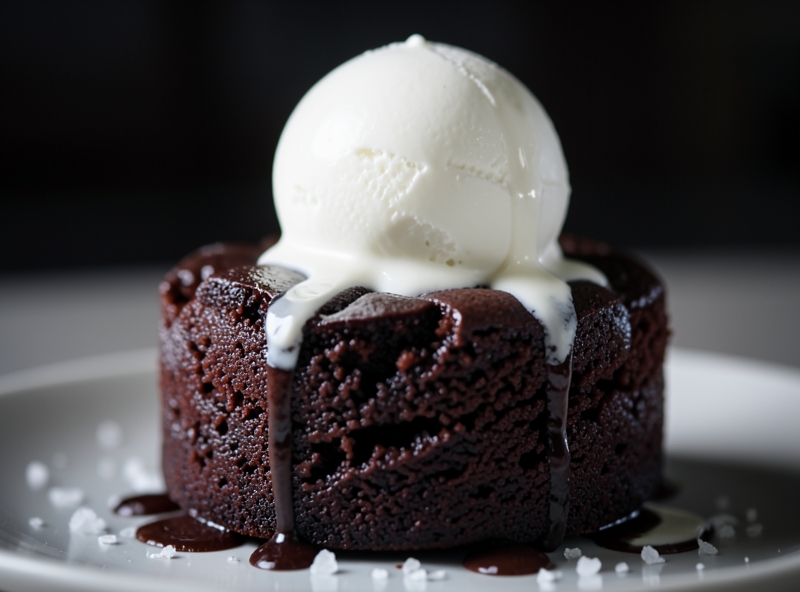
Imagine the collision between crispy and soft (a crackling bread crust enveloping rich, creamy foie gras) or hot and cold (molten chocolate lava cake served with icy vanilla ice cream). This contrast prevents sensory-specific satiety, forcing the brain to continuously register new signals, making every bite as thrilling as the first.
To master this mechanism of contrast in every recipe, apply these 3 golden rules immediately:
- Always add a crunchy element to soft dishes: Sprinkle toasted nuts over cream soup, or insert a crispy layer into a mousse cake.
- Adjust serving temperature: Cold dishes require more saltiness and sweetness than hot ones because the TRPM5 receptor has reduced sensitivity at lower temperatures.
- Use acid as leverage: A squeeze of lemon juice at the end of cooking will "unlock" hidden layers of richness obscured by fat.
4. Decoding classic 'opposite' pairings that trigger a flavor explosion
Have you ever wondered why seemingly "bizarre" combinations create an indelible sensory impression at 3-star Michelin restaurants? It is not sheer luck or the chef's whim, but **Flavor Pairing Science**. When two seemingly conflicting ingredients meet, they can release synergistic compounds, simultaneously stimulating multiple sensory receptors and instantly awakening the brain.
Below is an in-depth analysis of 3 classic "opposite" pairings to help you master the art of flavor pairing and transform any recipe into a sensory masterpiece.
1. Dark Chocolate and Blue Cheese: Molecular Harmony of Aromatic Compounds
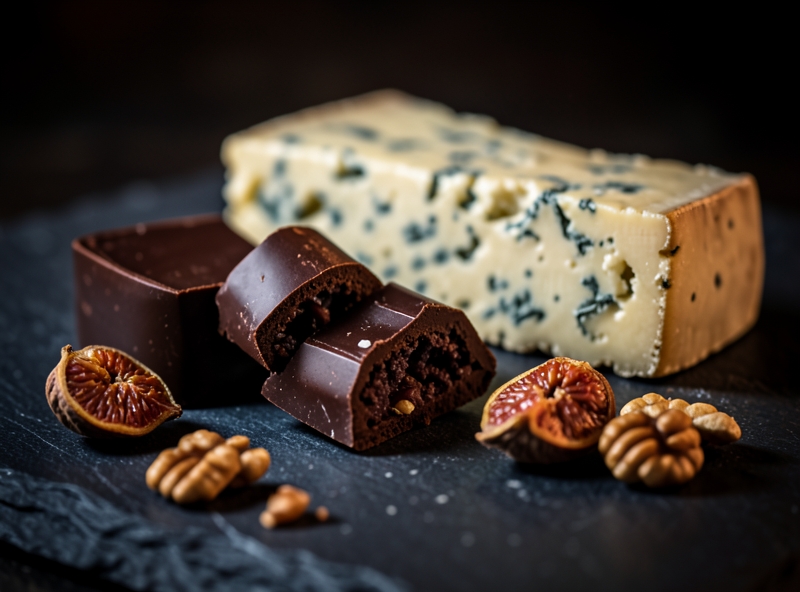
At first glance, the intense bitterness and astringency of 70% dark chocolate and the sharp, rich tanginess of blue cheese seem to be two completely opposite worlds. However, gas chromatography-mass spectrometry (GC-MS) analysis proves that they share a multitude of similar **fatty compounds and fermented odor molecules**.
- Scientific basis: Both blue cheese and dark chocolate contain high levels of **methyl ketones** and **short-chain fatty acids** (such as butyric acid and isovaleric acid). The fermentation processes of cheese and cocoa beans create strangely matching layers of aroma.
- Sensory impact: The richness and saltiness of blue cheese neutralize the astringency (tannins) in chocolate. Conversely, the smooth bitterness of cocoa mellows the sharp bite of Penicillium roqueforti mold, creating a sweet, lingering finish.
2. Watermelon and Feta Cheese/Salt: The Pinnacle of Flavor Suppression and Enhancement Effects
Summer is incomplete without the combination of juicy watermelon and salty Feta cheese. This is a classic example of using **sodium ions (Na+)** to elevate sweet taste perception.
- Scientific basis: When salt (sodium) is added to sweet fruit, Na+ ions activate the **SGLT1 (Sodium-Glucose Cotransporter 1)** sugar transporter receptors on the tongue. This process forces taste cells to send "sweetness" signals to the brain with far greater intensity than when consuming sugar alone.
- Sensory impact: Saltiness cuts through the blandness of watery watermelon, while the mild acidity and rich creaminess of Feta cheese provide a solid foundation for the watermelon's crisp, juicy texture to shine.
"Cooking is not merely mixing ingredients; it is the precise orchestration of chemical reactions on the surface of the tongue."
3. Pork and Apples: Balancing Rich Umami and Refreshing Fruit Acid
A perfect plate of roasted pork chops almost always comes with applesauce or whole roasted apples. This pairing is the ultimate solution to the heaviness often found in rich meat dishes.
- Scientific basis: Pork is rich in protein and saturated fats, containing high levels of Umami-inducing compounds (glutamate). Apples, on the other hand, boast abundant natural **malic acid** and a moderate amount of fructose.
- Sensory impact: Malic acid acts as a biological "cleanser," slicing through the greasy lipid film coating the tongue to palate-cleanse instantly. Simultaneously, when exposed to high heat, the sugars in the apple undergo the **Maillard reaction** with the proteins in the pork, creating a deep crust with an exceptionally enticing, complex flavor.
| Pairing | Core Scientific Mechanism | Sensory Impact | Practical Application Tip |
|---|---|---|---|
| Dark Chocolate & Blue Cheese | Shared methyl ketones & short-chain fatty acids. | Neutralizes astringency, cuts mold sharpness, enhances sweet finish. | Crumble blue cheese over 70% dark chocolate mousse. |
| Watermelon & Feta Cheese | Sodium ions activate SGLT1 receptors to enhance sugar perception. | Enhances natural sweetness, creates a crisp-creamy-salty contrast. | Add a few drops of Balsamic vinegar for a layer of complex acidity. |
| Pork & Apple | Malic acid dissolves lipids; Fructose supports the Maillard reaction. | Cuts richness perfectly, balances deep Umami, enhances juiciness. | Pan-sear apples in butter alongside roasted pork chops. |
Understanding the chemistry behind opposing flavor pairings frees you from relying solely on existing recipes. Start experimenting today: adjust ratios, control temperatures, and craft your own signature "flavor explosions."
5. Applying Flavor Science for Creativity in the Home Kitchen
Do you follow every milligram of spice in a recipe, yet the dish still turns out bland, lacking depth, or ending up as a seasoning "disaster"? The tragedy for most home cooks is viewing a recipe as a set of rigid rules instead of understanding the chemical mechanisms of flavor (Flavor Science). Once you master the molecular pairing map and sensory balancing techniques, you can transform even the most humble ingredients into a culinary masterpiece without ever fearing failure.
Rule 1: Choose a Primary Flavor Compound
Great food pairings don't happen by accident; they occur because ingredients share core aromatic compounds. Instead of seasoning randomly, choose a "flavor axis" to shape the entire structure of the dish:
- Eugenol Compound (Cloves, Basil, Cinnamon, Tomatoes): Try adding a small pinch of cinnamon powder to your pasta tomato sauce. The resonant eugenol will make the sweet and sour flavor of the tomatoes three times richer and deeper.
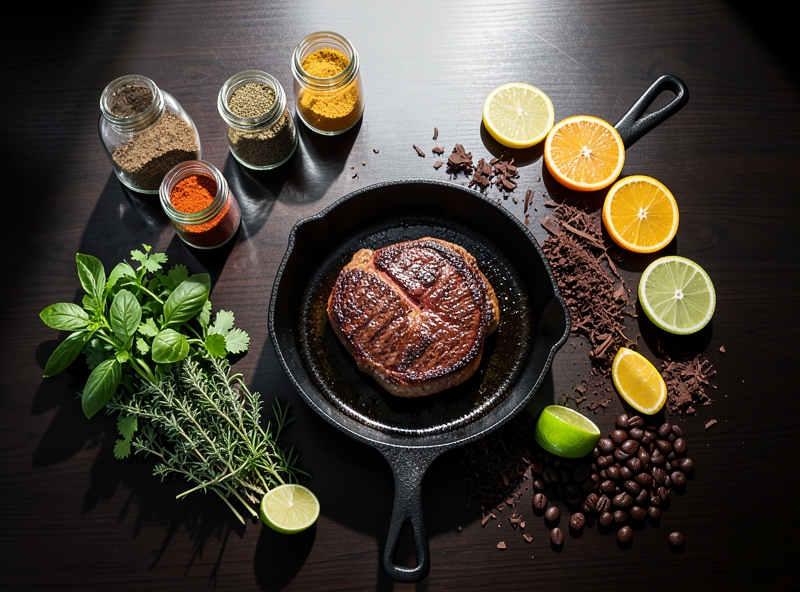
- Pyrazine Compound (Coffee, Dark Chocolate, Maillard Grilled Meat): Marinate beef with a touch of pure black coffee or unsweetened cocoa powder. The pyrazine molecules in coffee will pair perfectly with the Maillard reaction on the surface of the grilled meat, creating an irresistibly rich and savory depth.
- Limonene Compound (Citrus Peel, Lemon, Coriander Seeds, Ginger): Combine crushed coriander seeds with lemon juice when marinating seafood to eliminate any fishiness and instantly stimulate your salivary glands.
Rule 2: The 5-Taste Balance Matrix and the Art of "Quick Fixing"
The human tongue perceives 5 basic tastes: Salty, Sweet, Sour, Bitter, and Umami (Savory). A dish's failure usually lies in an imbalance between these forces. Don't rush to throw away a dish when you accidentally make a seasoning mistake—apply the scientific adjustment matrix below:
| Dish Issue | Overpowering Taste | Scientific Rescue Mechanism | Practical Action |
|---|---|---|---|
| Dish is too salty | Excess Salt (Na+) | Use Acid (Sour) or Sugar (Sweet) to trick taste nerve receptors. | Squeeze a few drops of lemon juice, add apple cider vinegar, or 1 teaspoon of honey. |
| Dish is too greasy or rich | Excess Fat (Lipids) | Use Acid to cut through the fat layer coating the tongue. | Add garlic vinegar, mustard, or mildly acidic fruits. |
| Dish is bland and flat | Lack of Umami & Acid | Trigger the glutamate resonance effect and juiciness. | Add aged soy sauce, nutritional yeast, or a few drops of balsamic vinegar. |
| Dish is bitter or astringent | Excess Alkaloids | Use Saltiness to neutralize bitter signals sent to the brain. | Add a small pinch of sea salt or pure fish sauce. |
Rule 3: "Surprise" Seasoning Hacks to Elevate Everyday Dishes
Breakthrough creativity doesn't require expensive ingredients; it lies in how you insert contrasting flavor notes to awaken the palate:
- 85% Dark Chocolate in stews: Drop a small square of dark chocolate into your meat stew or curry toward the end of cooking. The polyphenol content and subtle bitterness will neutralize greasiness while giving the sauce a beautiful glossy sheen.
- Parmesan rind or fish sauce in vegetable broth: Drop a hard Parmesan rind (or a few drops of quality fish sauce) into simmering vegetable soup. Natural glutamic acid will create a deep savory sweetness without needing artificial seasoning granules.
- Star anise in tomato sauces: Toss in 1 small star anise pod when sautéing tomatoes. The compound trans-anethole in star anise highlights the natural sweetness of tomatoes, creating a rich flavor profile as if simmered for hours.
"Cooking is not random magic. It is the precision of chemistry combined with the subtlety of sensory art."
By mastering these rules, you not only free yourself from relying on standard recipes, but you also gain complete mastery over your kitchen—confidently creating signature, top-tier flavors from the most familiar ingredients.
6. Frequently Asked Questions (FAQ)
The harsh truth in the creative kitchen: 90% of flavor pairing experiments fail not because of operational skills, but due to a misunderstanding of the biochemical nature of taste. Below are in-depth answers based on neuroscience and food chemistry to help you master the art of precise flavor pairing.
Not entirely. The Foodpairing hypothesis (pairing foods based on shared aromatic molecules) is a great starting point, but it is not an absolute standard. The fact that two ingredients share volatile aromatic compounds only creates a potential for harmony, without guaranteeing success in practice.
The success of a flavor pairing depends on 3 core factors:
- Concentration and Sensory Threshold: Both garlic and coffee contain 2-furfurylthiol, but an above-threshold concentration in garlic will overpower coffee's delicate layered aroma structure if temperature and proportions are not controlled.
- Matrix Effect: Fats, sugars, pH levels, and the physical structure of food can "trap" or "release" aromatic molecules at different rates, completely altering the sensory perception during chewing.
- Basic Taste Balance: A pair of compounds that match perfectly in aroma will still fail if there is a lack of balance among the 5 basic tastes (salty, sweet, sour, bitter, umami). White chocolate and caviar pair successfully not only due to shared trimethylamine, but also because of the classic contrast between rich creaminess and deep saltiness.
The human brain does not enjoy food through the tongue alone; more than 80% of flavor experience is actually a neural construct (Neurogastronomy). Psychology and cultural memory act as a Perceptual Filter that directly determines whether a dish tastes "good" or "bad."
The brain integrates multisensory data to construct flavor:
- Cross-modal perception: Warm lighting and low-frequency music heighten the perception of bitterness and richness; conversely, high-frequency sounds make food seem 10–15% sweeter without altering the recipe.
- Taste Memory & Nostalgia (Proustian Memory Effect): An unfamiliar flavor combination might be rejected by the brain due to a biological defense mechanism (food neophobia). However, incorporating a familiar childhood element into a modern structure prompts the brain to immediately release dopamine, creating a sense of safety and pleasure.
- Cultural Conditioning: Pairing cheese with fruit is a standard in parts of Western Europe, yet was once considered unusual in parts of East Asia. Cultural background governs "expectations," and when reality subtly meets or exceeds those expectations, palatability reaches its peak.
"Ultimate culinary creativity is not a random mixture. It is a precise dialogue between molecular chemistry, culinary technique, and the behavioral psychology of the diner."
Which tools assist in researching scientifically backed flavor pairings?
To eliminate costly and time-consuming trial-and-error methods, professional chefs and R&D researchers today utilize gas chromatography (GC) databases and artificial intelligence to navigate flavor maps:
| Tool / Platform Name | Database & Technology | Best Practical Application |
|---|---|---|
| Foodpairing.com | AI algorithms analyzing gas chromatography-mass spectrometry (GC-MS) data of over 300,000 food profiles. | Discovering groundbreaking ingredient pairings (e.g., Oysters + Passion Fruit, Beef + Dark Chocolate) based on flavor trees. |
| FlavorDB | An open scientific database containing over 25,000 aromatic compounds categorized by molecule. | In-depth research for R&D professionals, providing detailed analyses of individual chemical compounds (such as Esters, Terpenes, Pyrazines). |
| The Flavor Matrix (Book/Data) | Systematized flavor chemical data paired with visual graphics created by James Briscione. | Quick in-kitchen reference for chefs creating menus, optimizing familiar ingredients based on scientific standards. |
Mastering these tools helps reduce recipe R&D time by 80% while unlocking unique combinations that give your menu a distinct market positioning.