1. What is the GTD system and why does our brain need it?
Have you ever found yourself lying in bed at 2 AM with your mind racing through a to-do list, unanswered emails, or an unfinished project? It's not because you lack competence, but because you are forcing your brain to do something it wasn't designed to do: Store raw data.
GTD (Getting Things Done) is a personal productivity management system first introduced by master David Allen in 2001. Rather than just being superficial time management tips, GTD is a revolution in thinking with a core philosophy:
"Your mind is for having ideas, not holding them."
Why is this philosophy a game-changer? Because the human brain has a mechanism called the Zeigarnik Effect. This psychological phenomenon indicates that the brain will continuously remind you of unfinished tasks, creating "open loops" that cause chronic stress. When you try to remember everything in your head, you are consuming a massive amount of biological RAM just to keep that information from slipping away, instead of using that precious energy to solve problems and be creative.

To understand why this method is a lifesaver for busy people, look at the difference between managing by memory and managing with a trusted external system:
| Criteria | Relying on mechanical memory | Using the GTD system |
|---|---|---|
| Stress level | Always fearing missing something important. | Peace of mind because everything is recorded. |
| Ability to focus | Interrupted by sudden thoughts. | 100% focus on the current task. |
| Processing performance | Wasting energy to remind yourself. | Devoting all energy to execution. |
GTD doesn't require you to work more. On the contrary, it helps you establish a "Mind like water". This is a state where you react to every event in work and life in the most appropriate way: neither overreacting nor being indifferent. When all tasks are pushed out of the brain and into a reliable management system, you regain control, eliminate invisible pressure, and free up space for truly breakthrough ideas to emerge.
If you are still struggling with scattered sticky notes or an overflowing inbox, GTD is the key for you to stop being "fake busy" and start truly mastering your own productivity.
2. The 5-Core Step Process to Get Every Workflow on Track
The human brain is designed for generating ideas, not for storing them. When you try to remember dozens of tasks in your head, you are sabotaging your performance through the "Zeigarnik Effect" — a psychological state of anxiety where unfinished tasks constantly "haunt" your mind. To end this chaos, you need an absolutely reliable external system to free up your mental bandwidth.
Below is the 5-step practical process to transform chaos into a smooth-running machine:
-
Step 1: Capture – Don't let any idea slip away
Capture 100% of tasks, from emails, messages, and flashes of insight in the shower, to major projects into a single place called an "Inbox." An Inbox can be a notebook, a note-taking app, or project management software. The golden rule: If it occupies your mind for even 1 second, get it out of your head and into the system. -
Step 2: Clarify – Determine the true nature of the matter
Don't just look at the list and feel anxious. Ask the question: "Is this actionable right now?".- If No: Delete it, put it into a "Maybe/Someday" category, or archive it for reference.
- If Yes: If it takes less than 2 minutes, do it immediately. If it takes longer than 2 minutes, move to the Organize step.

Step 3: Organize – Put everything in the right compartment
The mistake most people make is keeping everything mixed up in a long, rambling "To-do list." You need to categorize them into specialized "compartments" to eliminate information clutter:
| Category | Description | Specific Action |
|---|---|---|
| Projects | Objectives that require more than one action to complete. | Plan the next steps. |
| Calendar | Tasks that must be done at a specific time or on a specific day. | Commit to performing at the right time. |
| Waiting For | Tasks you have delegated or need a response from others. | Follow up periodically to push progress. |
| Next Actions | Tasks that need to be done as soon as possible but not at a fixed time. | Execute as soon as the appropriate context is available. |
Step 4: Reflect – Maintain the clarity of the system
A system that is not maintained will quickly become junk. You need to perform a Weekly Review. This is when you clear your Inbox, update project lists, review next week's schedule, and ensure everything is still on track. Without this step, you will soon lose faith in the system you created and return to impulsive work habits.
Step 5: Engage – Choose the right task to focus on
Once you have a reliable system, choosing an action becomes more intuitive. Don't choose tasks based on panic. Choose based on 4 priority criteria: Context (Where are you? What tools do you have?), Time available, Energy levels (Are you alert or tired?), and finally, the Priority of the work.
"The power of this process is not in helping you do more things, but in helping you be 100% present in what you are doing, because you know for sure that everything else is under control."
Applying this 5-step process thoroughly is not just a time management skill, but a shift in life management mindset. When you master your workflow, you no longer chase unexpected incidents; instead, you are the one coordinating the rhythm of success.
3. Building a 'Trusted System' to let your mind fully relax
The human brain evolved to create and process ideas, not to store them. When you try to remember dozens of deadlines, unreplied emails, or grocery lists in your head, you are forcing your "CPU" to overload at 99% capacity. The result is a state of vague anxiety (the Zeigarnik Effect) – that restless feeling of fearing you've missed something important. To end this chaos, you need a "Trusted System" – a second brain where all information is dumped and processed consistently.
True relaxation doesn't come from finishing all your work, but from knowing exactly what you aren't missing. When the brain absolutely trusts that "everything is recorded in a safe place," it automatically triggers a relaxation mechanism, allowing you to focus 100% on the present moment instead of worrying about pending tasks hanging over your head.
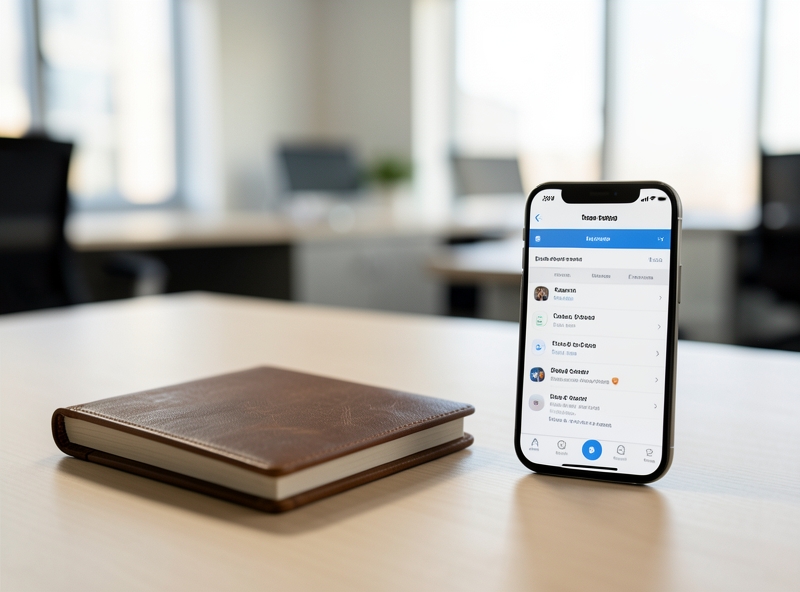
The first step to building this system is choosing the "weapon" that fits your thinking style. Don't force yourself to follow a trend if it doesn't provide convenience. Below is a classification to help you find your optimal touchpoint:
| Tool | Outstanding Advantages | Who is it for? |
|---|---|---|
| Notion / Obsidian | Infinite customization, network-based knowledge storage (Zettelkasten). | People with complex processes who need long-term project management. |
| Todoist / Microsoft To Do | Ultra-fast data entry, smart recurring reminders. | People who prioritize compactness and need to quickly handle separate tasks. |
| Traditional Notebook | Increases memory retention, no distractions from electronic notifications. | People who love the tactile feel and need silence when planning. |
However, tools are just the "body"; consistency is the "soul." The biggest mistake 90% of people make is fragmented note-taking: a little in a phone app, a little on scrap paper, a little in messages sent to themselves. This fragmentation is the enemy of relaxation. For the brain to truly let go of anxiety, you must adhere to the "Single Point of Collection" principle.
"The power of the system lies not in the app's features, but in your absolute belief that: If it's not in the system, it doesn't exist."
Start with a "Mind Sweep": Write down everything currently occupying your memory, from big things like business strategies to small things like changing a hallway lightbulb. Then, set up a periodic check-up (Weekly Review). When you maintain this long enough, the brain will form a conditioned reflex: It will stop reminding you about tasks at 2 AM because it knows everything is sitting quietly under the control of the trusted system.
- Capture immediately: No matter when an idea appears, it must be entered into the system in under 30 seconds.
- Minimalist classification: Use only truly necessary labels (Act now, Awaiting response, Future ideas).
- Absolute trust: Once it's in the system, you don't need to worry about it for another second.
4. Golden Principles for Optimizing Creative Performance
Most of us manage time in "firefighting" mode: doing whatever is urgent, responding to every notification, only to end the workday exhausted with no real breakthrough achievements. Creative productivity doesn't come from how many hours you are busy, but from establishing a system to free your brain from trivial tasks.
To truly master your time and push productivity to the max, you need to apply the following strategic "trio of weapons":
1. The 2-Minute Rule: Eliminate Procrastination Immediately
The biggest pain of time management is small tasks piling up into a "mountain" of pressure. This rule is simple: If a task takes under 2 minutes to complete (like replying to a confirmation email, tidying your desk, or filing a document), do it immediately. Putting these tasks on a waiting list only costs the brain more energy to remember and remind, causing unnecessary focus "leakage."
2. Contextual Categorization: Doing the Right Thing in the Right State
A classic mistake is trying to write a strategic plan while on a bus or checking emails when you need deep thinking. Categorize your task list by Context instead of just by project. For example:
- @Computer: Tasks requiring high concentration, a large screen, and specialized tools.
- @Phone: Quick calls, message replies, or browsing short notifications.
- @Office: Tasks requiring direct discussion with colleagues or signing documents.
- @Low Energy State: Administrative tasks, filing (best done at the end of the day).
This way, you will always know what to do based on your current resources and environment, instead of wasting time wondering "what should I do now?".

3. The Power of "Weekly Review": The Anchor of Master Executives
If you only look at daily tasks, you are looking at individual trees and forgetting the entire forest. Weekly Review is a mandatory ritual to maintain the big picture. Every weekend, spend 30-60 minutes to:
| Steps | Core Objective | Value Gained |
|---|---|---|
| Brain Dump | Record all remaining ideas and worries on paper/app. | Reduce stress, free up the brain's cache. |
| System Check | Review next week's schedule and to-do list. | Proactively arrange resources, avoid being reactive. |
| Progress Evaluation | Review what % of major goals have been achieved. | Maintain consistency with the long-term vision, stay on track. |
"True productivity is not about doing more things, but about doing the most important things with the clearest mind."
Thoroughly applying this filter helps you shift from a state of "reacting to the world" to "creating the world" in your own way. Don't wait until you're overwhelmed to start organizing; build the system from even the smallest actions.
5. Summary: Freeing Your Brain for Breakthrough Thinking
The human brain was designed to generate ideas, not to store them. The harsh truth is that millions of people are suffocating their own performance by trying to turn their gray matter into a mobile "hard drive." When you try to remember an appointment, an unanswered email, or an unfinished project, the brain falls into a state of "open loops," constantly wasting energy pointlessly. This is the culprit behind mental burnout, even if you haven't actually started doing anything yet.
"The power of the intellect lies not in the ability to remember everything, but in the ability to connect seemingly unrelated things to create new value."
Applying GTD is not merely time management; it is managing energy and focus. By pushing every stream of raw data into a reliable external system, you are performing a "clear RAM" command for your brain. When the pressure to remember disappears, the mind automatically shifts from a "defensive" state (worrying about missing things) to an "offensive" state (focusing on solving core problems and breakthrough creativity).
| Brain State | Before Applying the System | After Freeing Your Mind |
|---|---|---|
| Processing Capacity | Occupied by to-do lists. | Dedicated 100% to strategic thinking. |
| Stress Level | High (always fearing forgetting important tasks). | Low (everything is under control). |
| Creativity | Suppressed by clutter. | Free to connect breakthrough ideas. |
The difference between a busy person and a high-performance individual lies in the white space in the mind. The most successful people do not possess superior brains; they simply possess a smarter operating system. When you stop "shouldering" daily trivia, you create space for great visions to emerge.

It is time to stop treating your brain like a cheap notebook. Let it do its true duty: Thinking, Analyzing, and Creating. Establishing a scientific management process is the first step to reclaiming control over your life, turning chaos into order and turning pressure into breakthrough power. True productivity is not about doing more work, but about doing the most important things with the freest mindset.
- Eliminate distractions: Put everything into an external storage system immediately.
- Prioritize thinking quality: Dedicate golden hours to tasks that require depth (Deep Work).
- Maintain clarity: Review and update the system regularly to ensure the brain's absolute trust in the process.