1. The Importance of Leather Maintenance in Preserving Accessory Value
Throughout human history, from nomadic tribes on the Central Asian steppes to 18th-century European aristocrats, leather has always been celebrated as a "witness" to time and class. More than just a material, genuine leather carries the breath of nature, the resilience of a living entity, and the ability to form a unique patina over the years. A leather bag or a pair of handcrafted shoes is not just an accessory; they are memories made tangible, recording the personal mark of the owner through every wrinkle and shift in color tone over time.
"Leather does not age in the way inanimate matter does; it matures and tells the story of the journeys it has traveled with its owner."
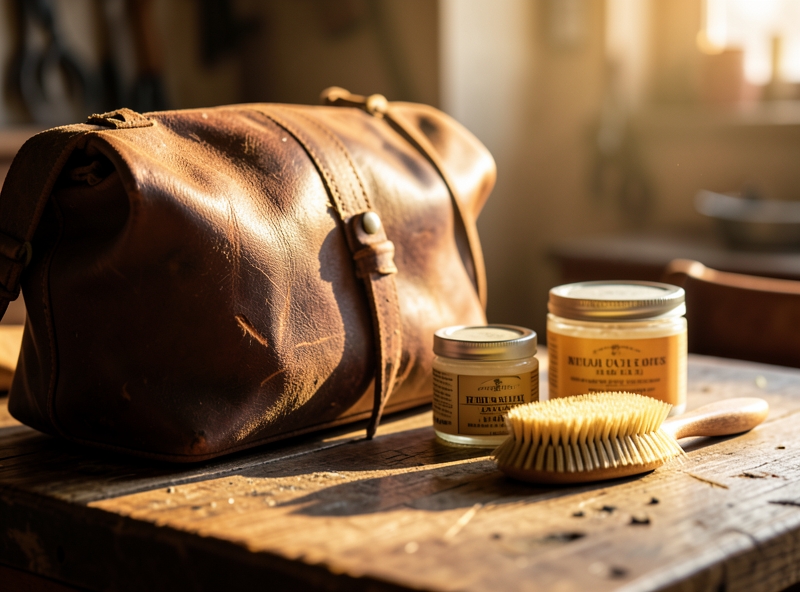
From an anthropological and biological perspective, leather is essentially a "second skin." Although it has undergone a complex tanning process to halt decomposition, the internal collagen fiber structures retain their porous nature and absorption capabilities. When neglected in dry, hot environments or the excessive humidity of tropical climates, the natural oil bonds within the leather gradually evaporate. This marks the beginning of "negative aging." Peeling, cracking, or surface bursting is actually a cry for help from an entity suffering from severe "dehydration," where the muscle fibers no longer have enough elasticity to flex with physical movement.
| Status | Maintained Leather | Neglected Leather |
|---|---|---|
| Fiber Structure | Soft, moisture-rich, and highly cohesive. | Dry, brittle, and prone to breaking under force. |
| Appearance | Smooth glossy surface, deep color (Patina). | Dull, with cracks and peeling visible. |
| Utility Value | Lasts for decades, looks better with use. | Quickly deteriorates after 1-2 years of use. |
Regular leather maintenance is not just a household tip; it is a respect for original value and craftsmanship. By replenishing specialized oils and waxes, we are directly re-establishing a protective barrier, preventing the penetration of mold and environmental oxidizing agents. A properly cared-for leather item will maintain its shape and economic value, turning it into a sustainable investment rather than a disposable consumer good.
- Aesthetics: Keeps the leather surface with a natural smooth gloss and original color.
- Physical Durability: Prevents the breaking of fiber bonds at stress points such as bag handles or shoe toes.
- Historical Value: Preserves the characteristic patina – which is considered the "soul" of genuine leather over time.
2. Scientific Causes Behind Leather Peeling and Loss of Shine
To preserve leather goods effectively, users must view this material from a biochemical perspective rather than just a common fabric. Genuine leather is essentially a complex organic structure of tightly interwoven protein fibers (collagen). The durability and lustrous appearance of leather depend entirely on maintaining moisture and the natural oils within these constituent fibers.
Negative environmental impacts are the primary triggers for the degradation process. UV rays in sunlight not only cause fading but also activate oxidation, breaking down polymer bonds in the leather's protective coating. When environmental temperatures rise or humidity drops (below 40%), the water held within the leather structure evaporates rapidly. Consequently, collagen fibers become dry and brittle, losing their natural elasticity, leading to shrinkage and the formation of cracks on the surface.
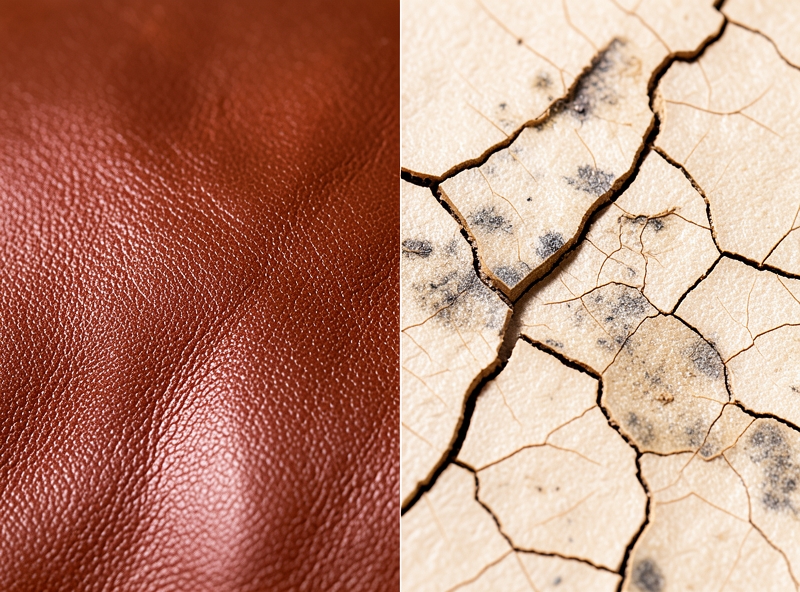
"The essence of the peeling phenomenon is the complete breakdown of protein networks when the lubricating oil layer between collagen fibers is eliminated, causing them to rub directly against each other and destroy one another."
A common mistake many users make is the misuse of harsh cleaning chemicals. High pH soaps or alcohol-based cleaners are extremely hygroscopic. They not only remove dirt but also "wash away" the natural oils (fatliquors) that were incorporated during the tanning process to keep the leather soft.
| Agent | Mechanism of Action | Physical Consequence |
|---|---|---|
| UV Rays (Sunlight) | Destroys chemical bonds, causing surface oxidation. | Fading, surface becomes rough. |
| High Temperature | Evaporates water and conditioning oils in collagen fibers. | Leather shrinks, widespread cracking occurs. |
| Chemicals (High pH) | Eliminates the protective lipid film and natural oils. | Peeling of the finish layer, microscopic surface bubbling. |
Understanding these core causes helps users realize that leather goods do not just need cleaning, but more importantly, they need to be "nourished." Periodically replenishing microscopic conditioning oil particles to penetrate the collagen structure is the only way to maintain shine and prevent material aging from within.
3. Intensive Moisture Restoration and Peeling Prevention Process
Restoring leather is not merely applying a layer of grease to the surface. From a materials science perspective, leather is a complex protein fiber structure that continuously loses natural oils and moisture during use. To prevent cracking and peeling, the restoration process must be carried out according to chemically and physically calculated steps.
"Moisture in leather is not water, but the balance of oil molecules nestled between collagen fibers, allowing them to slide over each other without causing breakage."
Below is a standardized 4-step process for treating leather surfaces that have begun to show signs of dryness or require periodic maintenance:
- Step 1: Surface cleaning with a pH-neutral solution. Using harsh detergents or high-alkaline soaps will break down the chemical structure of the leather. Use a specialized solution with a pH of 4.5 - 5.5 to remove dirt and sweat without drying out the epidermis.
- Step 2: Deep hydration with Conditioner or specialized oil. Depending on the type of leather, users need to select the appropriate active ingredient. Mink oil has excellent penetration capabilities for waxed leather, while Neatsfoot oil is suitable for softening thick, stiff leathers.
- Step 3: Forced penetration technique. Instead of just topical application, use body heat from your palms or a hairdryer on a low setting (about 35-40 degrees Celsius) to expand the pores of the leather, helping the oil travel deep into the protein fiber core.
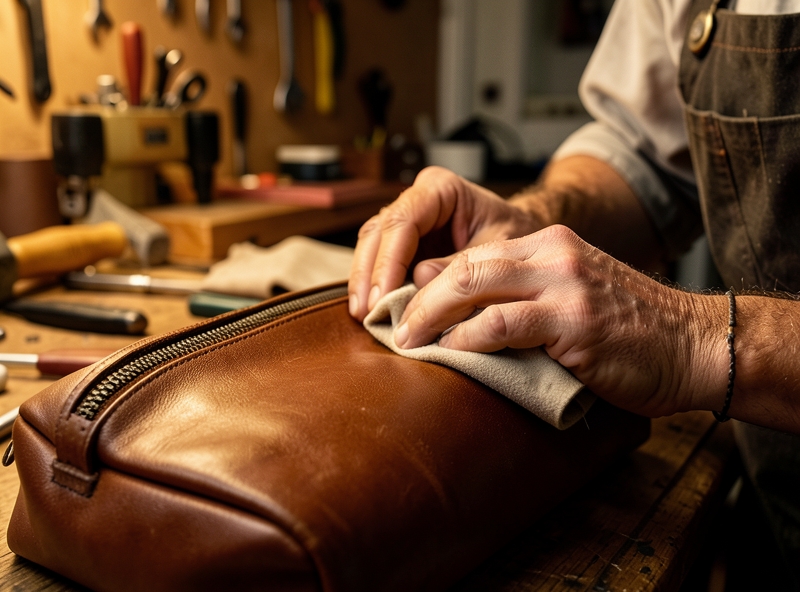
- Step 4: Moisture locking and protective film creation. After the oil has penetrated (about 15-30 minutes), use a clean microfiber cloth to wipe away any excess. Finally, apply a thin layer of wax to seal the surface, preventing the evaporation of the newly added essential oils.
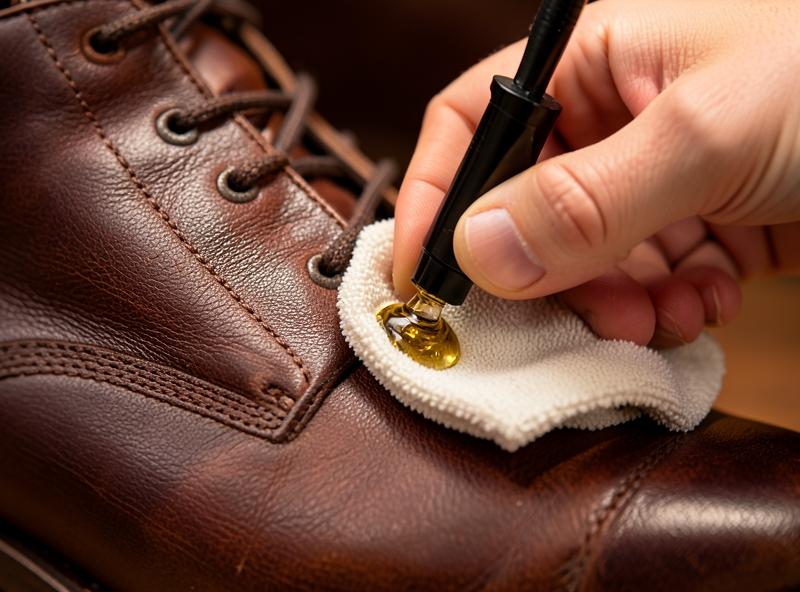
To optimize cost and efficiency, the choice of conditioner plays a decisive role. The comparison table below analyzes the technical characteristics of the two most popular product lines today:
| Comparison Criteria | Mink Oil | Neatsfoot Oil |
|---|---|---|
| Penetration Capability | Very high, suitable for restoring long-term dry leather. | Medium, suitable for periodic maintenance. |
| Color Change | Significantly darkens the leather color (especially Veg-tan leather). | Minimally changes the original color tone of the leather. |
| Water Resistance | Creates a very good natural waterproof film. | Mainly focuses on softening leather fibers. |
| Core Advantages | Absolute cracking prevention in cold, dry environments. | Maintains natural elasticity without causing suffocation of the material. |
Users should note that moisture restoration is a cumulative process. For high-end products, maintenance every 3-6 months will provide long-term value, helping the item not only endure but also develop a signature patina (the beauty of time), something that synthetic materials like PU or Simili can never achieve.
4. The Art of Polishing and Preservation by Accessory Type
Discipline in leather care is the vital factor for maintaining sustainable luxury. Leather is not just an object; it is a living entity. If you do not care for it with a rigorous process, you are directly destroying your own investment. Never equate the preservation of a handbag with that of a pair of dress shoes; each accessory requires a completely different tactical approach to reach the pinnacle of aesthetics.
"The difference between an old item and an item with 'timeless beauty' lies in the owner's discipline in weekly maintenance."
Handbags are symbols of style, but they are highly susceptible to deformation and abrasion at the edges. The golden rule: Always maintain the shape with air pockets or specialized acid-free paper whenever not in use. Absolutely do not hang bags by the straps for long periods as gravity will damage the structure of the straps and the bag body. Conversely, with footwear, the greatest enemies are moisture and deformation after every step. You must use cedar wood Shoetrees to absorb moisture and smooth out creases on the toe box immediately after removal.
| Features | Handbags | Shoes |
|---|---|---|
| Top Priority | Shape retention and surface friction protection. | Waterproofing and toe crease restoration. |
| Mandatory Tools | Dustbag, air pockets for stuffing. | Shoetrees, waterproof nano spray. |
| Cleaning Frequency | After each use (light surface wipe). | Deep clean every 2 weeks or immediately after rain. |
The peak of preservation art lies in the choice between Cream and Wax polish. Do not make the mistake of thinking that applying more polish is always better. Cream polish, with its small molecular structure, penetrates deep into the leather pores to provide moisture and restore color from within. Meanwhile, wax polish only sits on the surface to create a "Mirror Shine" effect. If you overuse wax polish on the entire surface, the leather pores will become clogged, leading to extremely serious dryness and cracking.
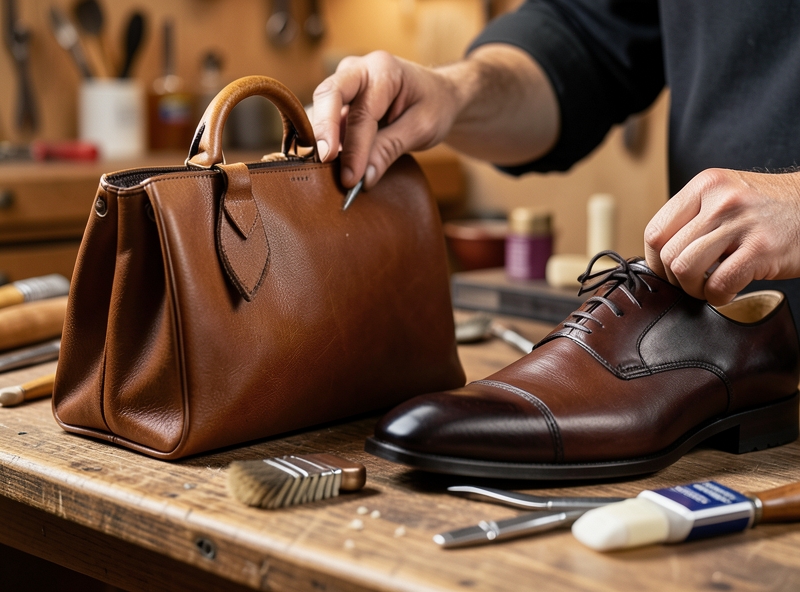
Remember: Only use wax polish on the hard, non-flexing parts of the shoe, such as the toe and heel. For handbags, give absolute priority to neutral conditioners to maintain natural softness, avoiding hard waxes that cause cracking of the surface finish.
Action Plan - Execute Now!
- Step 1: Inspect all handbags, insert air pockets to restore shape immediately.
- Step 2: Buy wooden Shoetrees immediately for your premium leather shoes.
- Step 3: Categorize leather: Use Cream for periodic moisturizing; use Wax only to create a shine for the shoe toes.
- Step 4: Set a 15-minute maintenance schedule every Sunday morning to clean and moisturize all accessories.
5. Storage Secrets to Keep Leather Durable for Decades
Consider your leather item not just a fashion accessory, but a biological entity that has been "immortalized" through the tanning process. To preserve the complex collagen network structure within the dermis, we need to establish a storage ecosystem that meets "lab-grade" standards. Leather does not fear time; it only fears thermodynamic fluctuations and chemical agents from the external environment.
The prerequisite and most important factor is controlling Relative Humidity (RH). Leather is a highly hygroscopic material due to the porous structure of protein fibers. If RH > 60%, you are creating an ideal "Petri dish" for mold and protein-decomposing bacteria to thrive. Conversely, if RH < 40%, natural oil molecules and fats within the leather fibers will evaporate, leading to irreversible brittleness and cracking. The ideal "sweet spot" for preserving leather is the 45% - 55% threshold. Equip your wardrobe with a digital hygrometer to monitor this parameter as closely as an engineer operating a server!
"Storing leather is an art of microclimate management. Just a few percent deviation in humidity over a long period can permanently degrade the molecular structure of the leather."
Next, let's talk about physical protection: Dust bags and Acid-free tissue paper. Never use plastic bags or airtight plastic boxes; they are silent "killers" that cause condensation and "suffocate" the leather, leading to the oxidative polymerization of the coating layer. Use cotton bags or non-woven fabrics with high breathability. To maintain the shape, use acid-free tissue paper for stuffing inside. Why 'acid-free'? Because regular paper has a low pH, which over time releases acid that alters the pH balance of the leather, causing stains or weakening the bonds between collagen fibers.
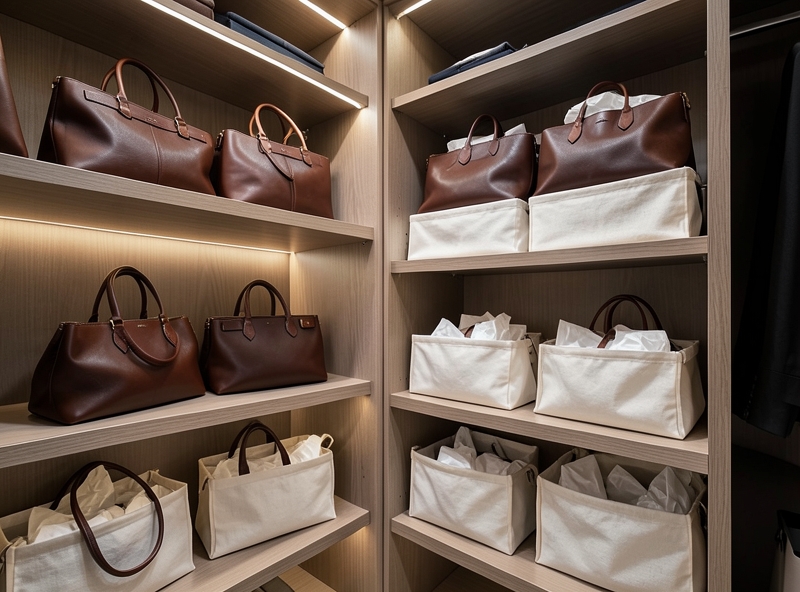
Finally, the frequency of maintenance (Conditioning) must be adjusted based on the "activity cycle" of the item. Over-conditioning can clog the leather's pores, but a lack of nutrients will cause the leather to lose its mechanical elasticity. Follow the technical maintenance chart below to optimize the lifespan of your collection:
| Item Type | Frequency of Use | Ideal Maintenance Frequency | Technical Objective |
|---|---|---|---|
| Daily Items (Shoes, wallets) | Very High | Once / month | Compensate for moisture loss due to friction and environmental exposure. |
| Frequent Use Items (Handbags, belts) | Medium | Every 3 - 4 months | Maintain the protective lipid layer and softness. |
| Long-term Storage (Leather jackets, collectibles) | Low | Every 6 months | Prevent hardening and check for potential mold. |
Don't forget the "30-minute recovery" rule: After each use, leave the leather item in a cool, ventilated place for about 30 minutes to allow moisture from body sweat to evaporate completely before putting it in a dust bag. This helps prevent localized moisture buildup within folds—where leather rot usually occurs first.
6. Frequently Asked Questions (FAQ)
Knowledge without action and discipline is merely empty theory. To master the skill of household appliance care, especially leather goods, you need the most straightforward, decisive, and accurate answers. Below are the solutions to the most pressing issues you frequently encounter.
1. What should I do when the leather surface has already started to peel slightly?
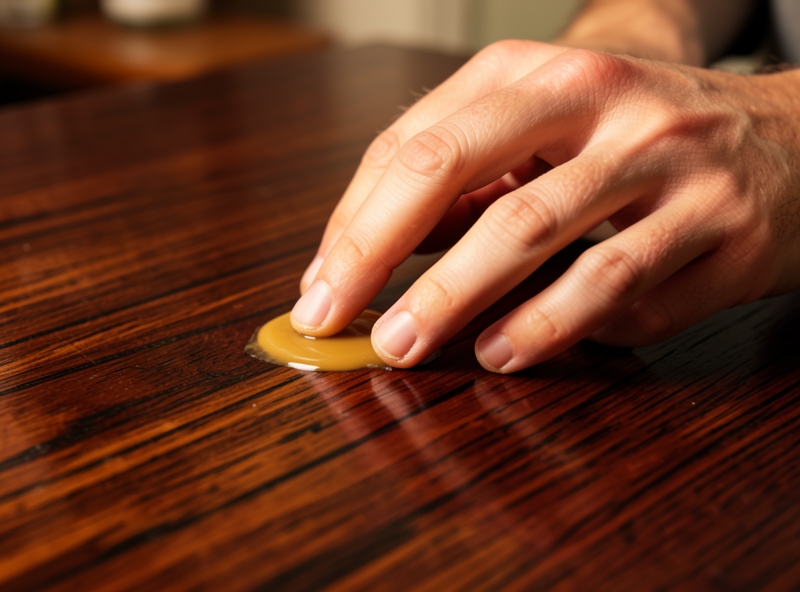
Stop peeling off the leather flakes with your hands immediately! A lack of restraint will completely destroy the surface structure. When leather peels slightly, it means the protective layer has been breached due to dryness or excessive friction. You must intervene immediately to prevent the peeling from spreading.
- Cleaning: Use a soft, dry cloth to remove dirt from the surrounding area.
- Adhesion: Use an extremely small amount of specialized leather glue to re-attach the peeling edges (if possible).
- Color Restoration: Use matching polish or a specialized color pen to gently touch up the peeling spot to hide the imperfection.
"Discipline in early detection and immediate action is the only way to extend the lifespan of luxury leather items."
ACTION PLAN:
- Step 1: Buy a Leather Repair Kit immediately to keep as a backup at home.
- Step 2: Inspect all leather goods once a month to handle small peeling spots before they turn into a disaster.
2. Should I use a hair dryer to quickly dry leather when it gets wet?
ABSOLUTELY NOT! This is the most common mistake and also the fastest way to kill an expensive leather item. High heat from a dryer will evaporate the leather's natural moisture too quickly, causing collagen fibers to shrink, leading to stiffness, brittleness, and irreparable cracking.
ACTION PLAN:
- Step 1: Gently blot dry the water with a soft cotton towel.
- Step 2: Let the leather dry naturally in a cool, well-ventilated place, away from all heat sources and direct sunlight.
- Step 3: After it is completely dry, you must apply a conditioner to replenish the lost oils.
3. How do I distinguish between oil-based and water-based leather care products?
To achieve optimal results, you must understand your tools. Using the wrong type of nutrient will cause the leather surface to become suffocated or insufficiently hydrated. Apply the comparison table below to make the most decisive choice:
| Characteristics | Oil-based Products | Water-based Products |
|---|---|---|
| Permeability | Deep into leather fibers, softens stiff leather. | Absorbs quickly, primarily conditions the surface. |
| Main Usage | Restores long-term dry leather, waterproofs. | Daily moisture maintenance, non-greasy. |
| Identification Signs | Wax or thick oil form, has a natural oil scent. | Liquid like milk, not greasy to the touch. |
4. How to handle stubborn mold stains on long-stored leather items?
Mold not only destroys leather but also harms your health. Do not hesitate, eliminate them at the root! Delay will allow mold spores to eat deep into the pores of the leather.
The most effective solution is to use a diluted alcohol mixture or white vinegar. The mild acidity will kill the mold without damaging the leather structure if handled correctly.
ACTION PLAN:
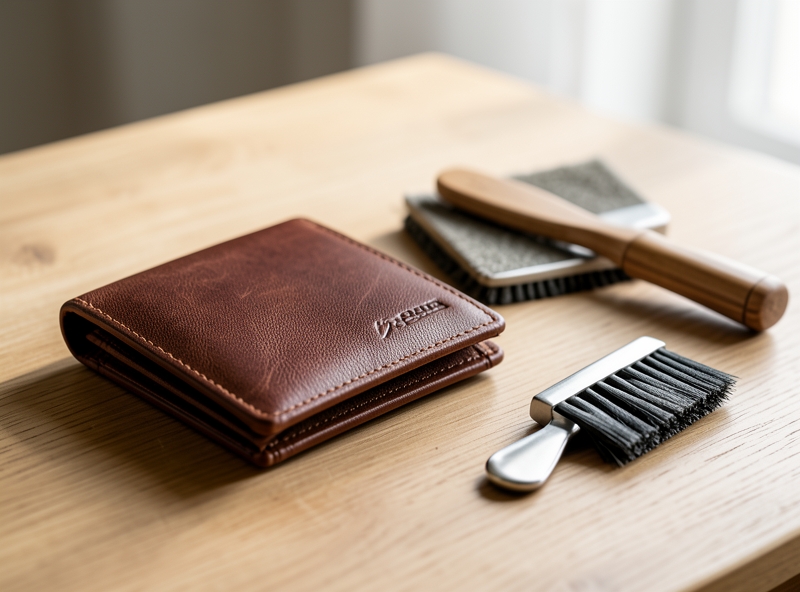
- Step 1: Wear a mask, use a soft brush to brush off the dry mold layer (do this outdoors to avoid mold spores flying inside the house).
- Step 2: Mix white vinegar and water in a 1:1 ratio. Use a clean cloth dampened with the solution to wipe the entire moldy surface.
- Step 3: Wipe again with clean water and let it dry naturally.
- Step 4: Use silica gel packets or a dehumidifier in your wardrobe to eliminate the mold's living environment. Discipline in moisture control is the key!