
1. The Strategic Role of After-Sales Service
Most small business owners fall into an invisible trap: burning tens of millions of VND per month on advertising to attract new customers, only to let them silently slip away right after their first order. This is the leaky bucket loophole – where the marketing budget is most severely wasted. After-sales Service is not merely about resolving complaints or fulfilling warranty obligations. In essence, it is a strategy to maximize Customer Lifetime Value (CLV), transforming a single transaction into an automatic and sustainable revenue-generating engine.
| Comparison Metric | Acquiring New Customers (Hunting) | Retaining Existing Customers (Nurturing) |
|---|---|---|
| Customer Acquisition Cost (CAC) | 5 to 25 times higher (Advertising, marketing, and consulting costs). | Up to 80% lower (Automated email and messaging care systems). |
| Conversion Rate | Only ranges from 5% - 20%. | Reaches an impressive 60% - 70%. |
| Profit Margin | Low due to initial acquisition costs. | Outstandingly high thanks to repeat purchases and add-ons (Upsell/Cross-sell). |
Data from research by the Harvard Business Review has shown that: by increasing the customer retention rate by just 5%, a business's profits can grow by 25% to 95%. For small businesses with limited financial resources, entering an advertising budget arms race with industry giants is an uneven battle. The ultimate weapon helping small businesses survive and break through is speed, flexibility, and maximum personalization in after-sales service – things that large, cumbersome corporations find very difficult to implement thoroughly.

Shifting the mindset from "transaction-focused" (Transactional) to "relationship-building" (Relational) is a vital turning point. When a customer buys a product, they have only paid for the physical value of that item. But how the business accompanies, supports, and listens to them after the money has changed hands is the deciding factor in whether they will become a voluntary "brand ambassador" referring friends, or the person leaving a 1-star review on digital platforms.
"Customers do not buy your product; they buy the peace of mind after owning that product. Whichever business masters the post-purchase experience, masters the long-term game."
- Activate Natural Word-of-Mouth: Well-cared-for customers will generate high-quality referral leads at zero cost.
- Reduce Pressure on the Operations Team: Proactively handling post-purchase issues helps reduce return rates and eases the workload for the technical support department.
- Gather Real Product Insights: Honest feedback after the experience is the most valuable data source to improve products without spending money on market research.
2. Building a Post-Purchase Multi-Channel Engagement Process
More than 80% of small business marketing budgets are being "burned" on acquiring new customers, while the existing customer group – those willing to pay 3 times more – is abandoned as soon as they complete their payment. This is the "leaky bucket" loophole that drains a business's cash flow. Making a sale is only the starting point of a new value lifecycle. To turn a single transaction into a steady stream of recurring revenue, businesses must establish an automated multi-channel engagement process immediately after a customer clicks the buy button.
The key here is not spamming promotional messages, but appearing at the right time with highly personalized messages through the "Golden Hours" 0 - 3 - 7:
- Milestone 0 (Immediately after receiving goods): Thank you and Confirmation. Don't let customers fall into a state of post-purchase anxiety. An SMS or Zalo message sent within 5 minutes after a successful order, confirming payment along with a sincere thank you, will instantly soothe defensive mindsets and build initial trust.
- 3-Day Milestone (Instruction and Value): This is when customers start experiencing the product. Send an Email or Zalo ZNS message with detailed instructions on how to use it, maintenance tips, or a visual unboxing video. This action minimizes return rates due to incorrect usage and demonstrates outstanding professionalism.
- 7-Day Milestone (Feedback collection and Soft Up-sell): Once customers have had enough real-world experience, proactively ask for a review. Use a brief survey form accompanied by a 10% discount code for their next purchase as a token of appreciation. This is a smooth transition from feedback to the next purchase.
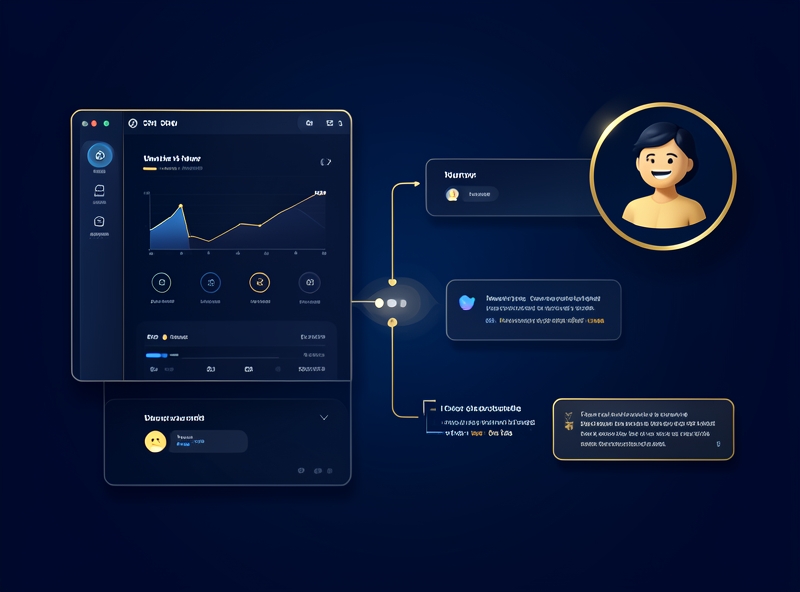
To run this process smoothly without overloading the slim staff of a small business, the application of CRM and automation technology is mandatory. The CRM system acts as the central "brain", storing shopping behavior, preferences, and interaction history. When a trigger is activated – for example, the order status changes to "Delivered Successfully" – the system will automatically map out the next nurturing scenario branch on each appropriate channel.
"The difference between a surviving small business and one that thrives lies in the ability to personalize experiences at scale through automation."
Below is a comparison table of operational efficiency between traditional manual care methods and an integrated CRM automated multi-channel interaction system:
| Comparison Criteria | Traditional Manual Care | Multi-channel Automation (CRM) |
|---|---|---|
| Response Time | Delayed from several hours to several days, easy to miss customers. | Instant (Real-time) based on pre-set milestones. |
| Level of Personalization | Low, usually using a generic mass message template. | High, automatically inserting name, purchased products, and spending history. |
| Interaction Channels | Single channel (only calling or chatting when remembered). | Synchronized multi-channel (smooth coordination of Email, Zalo, SMS). |
| Customer Retention Rate | Below 15% due to lack of continuous care. | Growth from 35% - 55% thanks to timely interaction. |
By integrating data across channels, if a customer does not open the instructional Email after 24 hours, the system will automatically redirect to send a short Zalo reminder message. This flexibility ensures the message always reaches the customer without being intrusive, maximizing touchpoints and turning every first-time buyer into a loyal brand advocate.
3. The Art of Appreciation and Personalizing Existing Customer Experiences
More than 80% of small businesses fall into the "money-burning" trap by continuously pouring budgets into finding new customers while ignoring a goldmine right in front of them: those who have already purchased. The cost to convert an existing customer is only 1/5 of the cost of acquiring a new one, but the lifetime value (LTV) they bring is many times greater. The fatal mistake of business owners is the mindset of showing appreciation by constantly "spamming" 10% discount codes—an action that not only erodes profit margins but also unintentionally positions your brand in a low-cost segment, remembered only when there is a sale.
Loyal customers do not stay because you are cheaper than your competitors; they stay because they are recognized and respected as unique individuals. To achieve this, small businesses need to shift from a "mass selling" mindset to "designing personalized experiences" based on actual behavioral data.
"Discounts only stimulate short-term transactions. Personalization and exclusive privileges are the glue that binds long-term loyalty."
To avoid wasting the limited resources of a small business, the first step is to know exactly who is who in your customer base. The sharpest tool to do this is the RFM (Recency, Frequency, Monetary) Segmentation Model. Instead of managing by intuition, you classify customers based on three quantitative metrics:
| Customer Segment (RFM) | Behavioral Characteristics | Personalized Care Strategy |
|---|---|---|
| Champions (VIP) High R - High F - High M |
Purchased recently, buys very frequently, and spends the most money. | Provide ultimate VIP privileges: 1-on-1 service experience, joining exclusive clubs to test new products before launch, and receiving hand-crafted gifts personalized to their unique interests. |
| Loyal Customers Medium R - High F - High M |
Regular customers, spending consistently but with slightly longer intervals between orders. | Send surprise appreciation gifts for no specific occasion (Surprise & Delight). Send handwritten thank-you cards for their companionship along with surveys to gather feedback on new products. |
| At Risk (Risk of Churn) Low R - Medium F - High M |
Used to spend heavily and buy frequently but has not returned in a long time. | Highly personalized re-engagement campaigns: "We miss you." Send useful content that solves problems they are facing, accompanied by a limited-time exclusive privilege to reactivate their account. |
After clearly defining each customer segment through the RFM filter, businesses need to design non-traditional appreciation programs. Eliminate cold automated emails and replace them with these emotionally rich touchpoints:
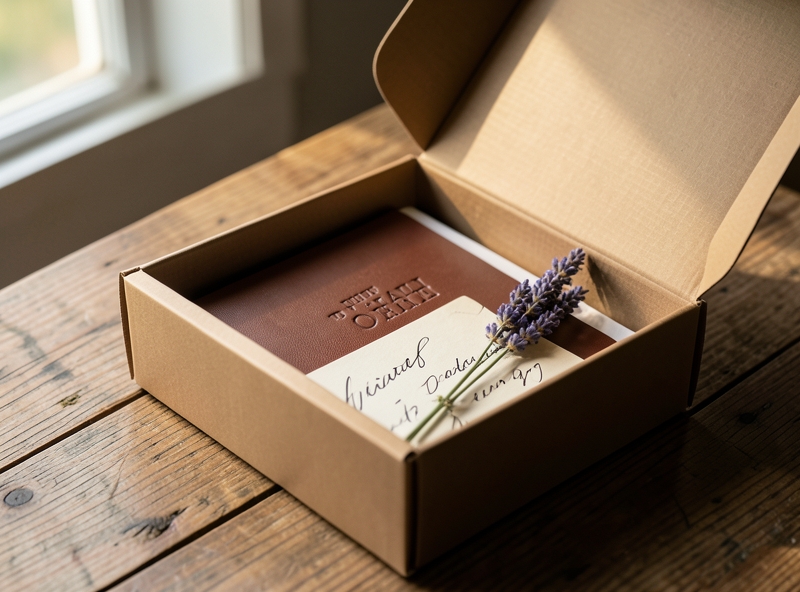
- Surprise Birthday Gift Boxes (The Unboxing Magic): Instead of sending a congratulatory SMS message with a discount code that everyone will delete, send a real physical gift directly to their hands 3 days before their birthday. The gift does not need to be overly expensive but must be deeply personalized, such as a notebook engraved with their name, accompanied by a handwritten letter from the founder. This surprise creates a powerful "spillover effect" on social media as they voluntarily take photos to share this unique experience.
- Early Access Privileges (Early Access): Human psychology always craves the feeling of belonging to an elite minority. Before launching any new product or service, send private invitations to the VIP customer group to experience it first at a special promotional price or even for free to get feedback. They will not only feel important but also become voluntary brand ambassadors spreading the word about your product.
- Non-Monetary Cumulative Privilege System: Instead of converting points into cash to deduct directly from the next order (which is another form of hidden discount), convert points into value-added experience services. For example: Free lifetime express shipping, double warranty periods, or the right to participate in exclusive, limited-attendance workshops organized by the business.
By combining cold analytical data-driven thinking from RFM with the warm emotional art of personalized privileges, small businesses can completely build a solid "fortress" of loyal customers, immune to any price wars from major competitors in the market.
4. Engaging Customers Through Building a Loyal Community
Pouring money into advertising to find new customers while ignoring existing ones is like trying to pour water into a bucket with a hole in the bottom. Increasingly expensive Customer Acquisition Costs (CAC) are squeezing the profit margins of small businesses. The secret to survival lies not in constantly hunting for new buyers, but in turning one-time buyers into lifetime customers through a self-operating community.
"A community is not a place where you constantly broadcast product advertisements. A community is where customers find their voice, empathy, and solutions to their own problems."
To build a loyal community that brings sustainable revenue, small businesses need to implement the solid three-pronged strategy below:
Creating Quality Interaction Spaces: Facebook Groups and Zalo
Many businesses fail because they turn community groups into a "promotional spam channel." Customers do not join groups to receive more ads. They join to share experiences, learn from others, and seek recognition. You need to assign clear roles for each platform:
- Zalo Groups: Set up as a super-fast VIP customer care channel, urgent updates, or 1-on-1 technical support. The privacy and fast response speed of Zalo help increase trust instantly.
- Facebook Groups: Use as a long-term interactive playground, encouraging User-Generated Content (UGC). Create weekly topics such as "Tuesday Tip Sharing" or "Friday Q&A with Experts."

Activating Emotional Touchpoints via Workshops and Gratitude Minigames
A silent community is a dead community. To maintain the spark of interaction, businesses need to actively design highly engaging activities:
- Organizing In-depth Workshops: No direct selling. Share useful knowledge related to your industry. If you sell cosmetics, organize a session on how to read product ingredients. If you sell coffee, organize a home brewing guide session.
- Designing Smart Minigames: Eliminate tedious "like, share, tag" games that lower brand credibility. Replace them with creative challenges: sharing stories of using products with hashtags, solving puzzles to find hidden features, or entering a photo contest with the business's products. Rewards must have practical and exclusive value.
Turning Loyal Customers into Voluntary Brand Ambassadors
Advice from a friend is a hundred times more trustworthy than a glossy advertisement. When customers have an outstanding experience in a community, they are willing to defend and recommend your brand without any coercion.
Activate this mechanism by honoring and granting privileges to the most active members. Provide them with personalized discount codes to share with loved ones, invite them to try new products before they hit the market, or simply badge them as "Diamond Members" in the group. Recognition of spirit sometimes brings a more powerful spreading force than any material benefits.
| Comparison Criteria | Traditional Sales Model | Community Building Model |
|---|---|---|
| Marketing Cost (CAC) | Constantly increasing due to ad bidding competition. | Decreasing over time thanks to word-of-mouth. |
| Repurchase Frequency | Low, heavily dependent on discount programs. | High, purchasing based on trust and bonding habits. |
| Customer Feedback | Only appears when there are complaints or product issues. | Actively contributing ideas for continuous business improvement. |
Community building is not a short-term campaign. It is a long-term management philosophy that requires sincerity, consistency, and persistence. When a small business owns a sufficiently large loyal community, you not only have stable revenue but also possess a solid shield against all fluctuations in the fiercely competitive market out there.
5. Frequently Asked Questions (FAQ)
Small business management is not about macro theories, but is shaped by how you handle practical touchpoints every day. Below are the core bottlenecks that every operator must face when optimizing operations and retaining customers.
How to care for customers without being annoying?
The line between "thoughtful care" and "annoyance" is extremely thin. A common mistake is sending spam messages indiscriminately on holidays using soulless templates. To avoid being annoying, apply the principle of "Contextual Trigger" (Personalization based on behavior):
- Right time: Only contact them when there is a reason truly relevant to their benefits, such as reminding them of a routine maintenance schedule or announcing upgrades for a product they are using.
- Right channel: Ask customers directly about their preferred communication channel (Email, mobile message, or social media) right from the first order completion step.
- Right value: Instead of sending generic congratulatory messages, send an appreciation code tailored specifically for the product they previously purchased, along with useful usage tips.
What to do when old customers give negative feedback about a product?
A public negative feedback is like a ticking time bomb. But if handled wisely, this is a golden opportunity to prove brand credibility before thousands of other potential customers. Act according to a 3-step process:
- Step 1 - Respond immediately but not defensively: Cool down their anger by acknowledging their inconvenience within a maximum of 2 hours under the comment section. Absolutely do not delete the post or argue about who is right or wrong.
- Step 2 - Take the conversation to a private space: Proactively contact them via private message or call them directly to clarify the error details, avoiding public arguments that affect the business image.
- Step 3 - Compensate beyond expectations: Replace the product immediately, refund, or offer accompanying services. Once resolved satisfactorily, politely ask them to update their review status.

What percentage of revenue should the post-sales budget account for?
Retaining an existing customer is always 5 to 25 times cheaper than acquiring a new one. Cutting the post-sales budget is a mistake that traps businesses in an illusion of growth. This budget should be flexibly allocated depending on the business model:
| Business Model | Recommended Budget Rate (% of Revenue) | Allocation Focus |
|---|---|---|
| Retail & E-commerce | 2% - 5% | Surprise gifts, repurchase vouchers, automated loyalty point systems. |
| Services & B2B | 5% - 8% | Routine technical care, in-depth guide documents, year-end appreciation gifts. |
| SaaS (Software/Subscription) | 8% - 12% | Customer Success team, 24/7 technical support. |
"Post-sales budget is not an expense, it is the reinvestment with the highest return on investment (ROI) for a small business."