1. Understanding the Rectangular Body Shape and the Goal of Creating Curves
In the body classification system, the rectangular body shape (also known as the ruler or H-shape) is defined by the uniformity of measurements between three areas: shoulders, waist, and hips. Structurally, body weight is often distributed evenly, not concentrated at any specific focal point, creating an overall appearance that is somewhat rigid and lacks natural, soft curves.
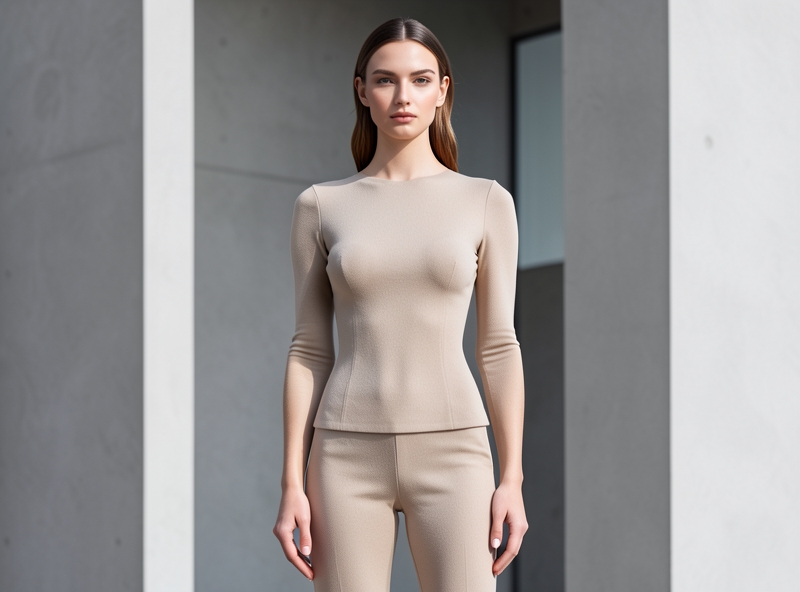
Accurately identifying this body shape is not based on weight but on skeletal proportions. For image consultants, the rectangular shape is considered a "flat canvas," offering diverse fashion application potential but also requiring strict garment processing techniques to avoid a blunt or rigid feel.
"In fashion, a rectangular body shape is not a flaw; it is a geometric structure that needs to be re-established through cuts and layering techniques."
| Structural Characteristics | Practical Advantages | Styling Limitations |
|---|---|---|
| Shoulders and hips have equivalent widths. | Easy to wear Ready-to-wear designs without much tailoring. | Lacks an S-curve, easily creating a lack of femininity if wearing loose clothing. |
| Undefined waistline (small difference). | Perfectly suited for menswear and minimalism styles. | Easily "swallowed" in unstructured oversized designs. |
| Arms and legs are often slender compared to the torso. | Easy to highlight long and slim legs. | Without knowing how to create volume, the overall look is easily judged as thin or lacking vitality. |
The core objective of styling for a rectangular body shape is not to hide the body, but to restructure proportions. To achieve the optimal visual effect, this process focuses on three central tasks:
- Creating the illusion of a waist: Using cut-outs, belts, or color-blocking techniques to trick the eye, creating a faux cinch at the narrowest part of the ribcage.
- Expanding the bust and hip size: Utilizing details such as ruffles, chest pockets, or flared silhouettes to add volume to the upper and lower body.
- Breaking the straight line: Using layers or moving patterns to soften the edges of the skeletal frame, transitioning from a rectangular block to an artificial hourglass figure.
Mastering these physical parameters and strategic goals is an important stepping stone for users to choose clothing pragmatically, optimizing personal aesthetic value in all circumstances.
2. Using Belts: Techniques for Repositioning Body Proportions
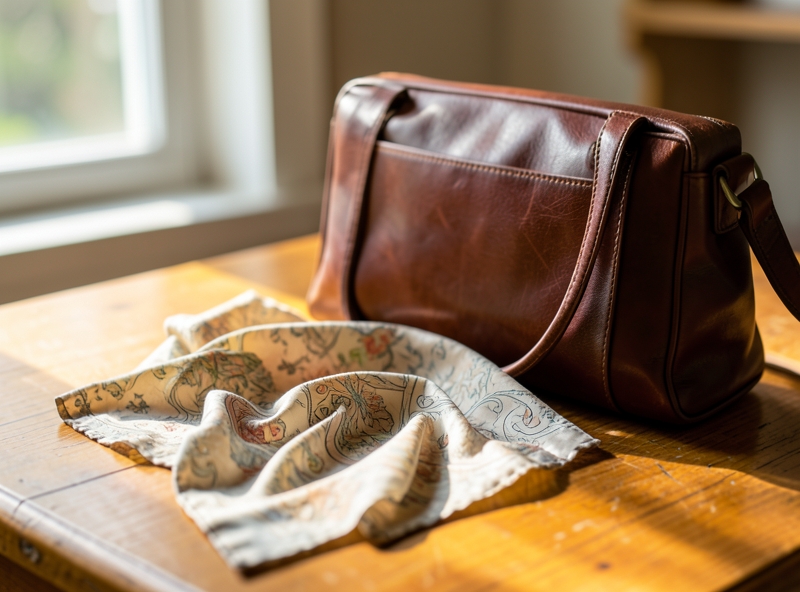
In the journey to find a balance between personal beauty and environmental responsibility, utilizing existing accessories to refresh your outfit is a smart move for a sustainable lifestyle. A belt is not merely an item to hold clothes in place, but also an architectural "miracle" in fashion, helping to reposition natural curves and create harmonious body proportions without needing to replace your entire wardrobe.
The choice of belt size plays a decisive role in the visual effect. Wide belts often create a strong focal point, clearly defining the upper and lower body, and are particularly effective when paired with shift dresses made from natural fibers like linen or silk. Conversely, skinny belts bring a sense of elegance and sophistication, suitable for creating a high-waist accent for those with small frames, helping legs look naturally longer.
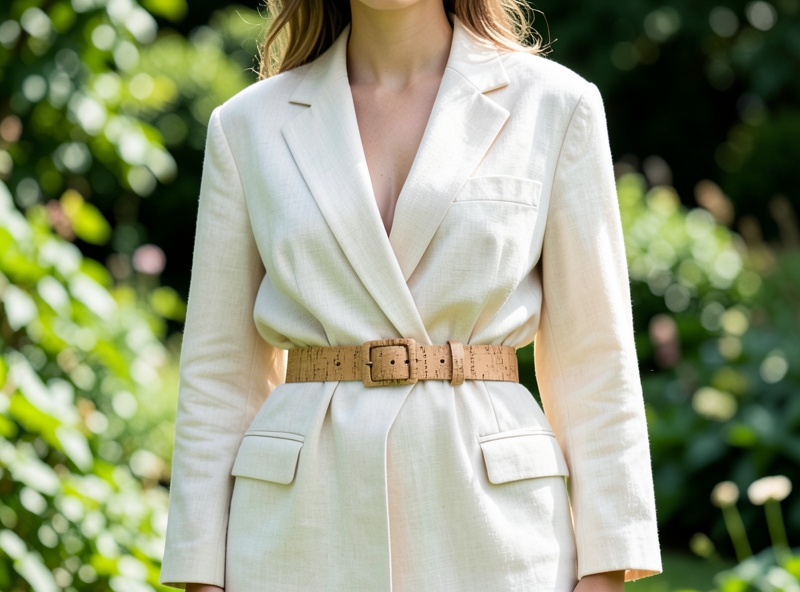
To simplify the styling process while ensuring aesthetics, you can prioritize designs with built-in tie-waist details or elasticized waistbands. These details not only celebrate a "wasp" waist but also minimize the consumption of additional loose accessories. A dress with a ribbon made from the same organic fabric not only feels soft and empathetic to the skin but also helps the overall outfit become consistent and elegant.
"Instead of buying a new item to catch up with trends, using a belt to transform an old piece is how we express respect for natural resources and the craftsmanship of artisans."
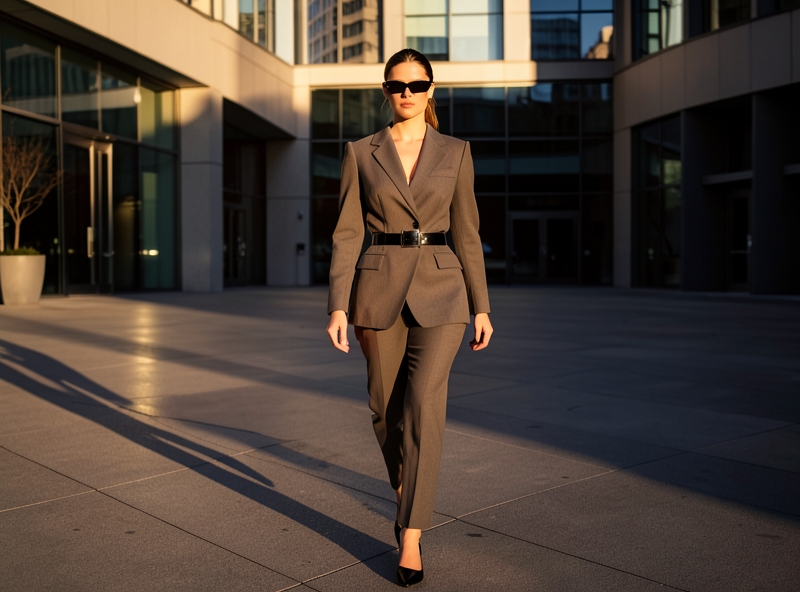
The most effective visual "trick" is layering a belt over oversized blazers or shirts. Instead of letting the loose fit hide your body lines, a plant-based leather belt (such as cactus or pineapple leather) fastened at the highest part of the waist will immediately create an hourglass effect. This is an excellent solution for repurposing old clothes or menswear, helping to reduce fashion waste in the environment.
| Belt Type | Shaping Effect | Eco-friendly Material Suggestions |
|---|---|---|
| Wide (> 4cm) | Creates a clear waist cut, effectively slimming the midsection. | Canvas, Recycled Wood, Vegan Leather. |
| Skinny (< 2cm) | Lengthens legs, creates a slender and gentle look. | Braided Jute, Organic Cotton Rope. |
| Fabric Tie | Creates softness, flexibly adjusts to measurements. | Linen, Peace Silk. |
When applying these techniques, always prioritize products of natural origin and chemical-free dyeing processes. Choosing belts made from materials such as cork or woven rattan not only helps you assert a sophisticated fashion style but also contributes to protecting the ecosystem, reducing the burden of microplastics from low-quality synthetic leather (PVC) belts commonly found on the market.
3. Leverage Ruffles and Decorative Details to Increase Visual Volume
If you ever thought ruffles were only for cheesy "girly" styles, it's time to update your fashion brain. In the language of Gen Z fashionistas, ruffles and pleated details are ultimate "architectural tools" that help adjust body proportions without the need for fillers. By placing overlapping fabric layers in strategic positions like the chest, shoulders, or hips, you are directly creating a visual effect of fullness and vitality.
"Fashion is the art of illusion, and ruffles are the most stylish magicians to help you subtly 'hack' your silhouette."
To turn these details into sharp weapons, focus on the following iconic items:
- Cowl neck tops: With natural folds draping over the chest, this style creates visual volume, helping the bust look significantly more attractive and fuller while maintaining elegance and class.
- Puff sleeves: A bit of "drama" at the shoulders not only helps balance pear-shaped bodies but also creates a strong, trendy structure as if stepping off a high-fashion runway.
- A-line or tiered skirts: These are lifesavers for those wanting to upgrade their hip area. Overlapping layers create a natural flare, making the waist look smaller and the overall figure have distinct curves.
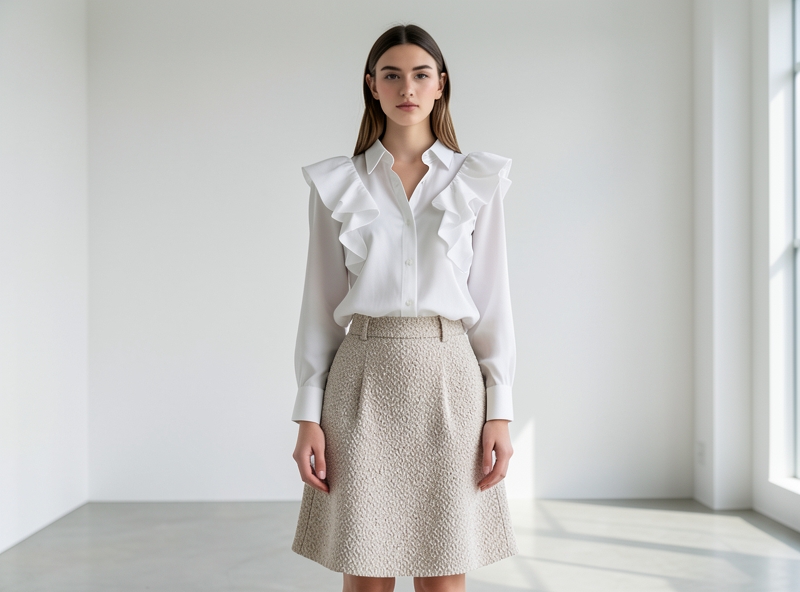
However, the real "secret technique" lies in the fabric. To prevent these decorative details from falling flat 5 minutes after leaving the house, you should prioritize structured fabrics. Materials like Organza, Taffeta, or Cotton Poplin with moderate stiffness will be the perfect choice to keep the ruffles looking vivid and sharp.
| Material | Shape Retention | Best Application |
|---|---|---|
| Organza | Very high, creates sheer volume | Puff sleeves, skirt overlays |
| Cotton Poplin | Moderate, sharp, modern | Ruffled shirts, A-line dresses |
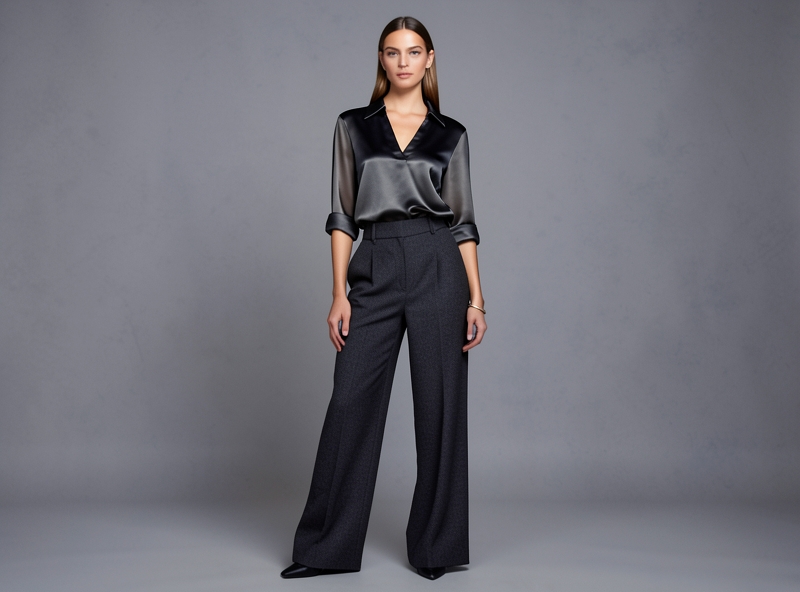
| Silk/Satin | Low, focuses on drape | Cowl necks, soft silhouettes |
When unboxing a new ruffled top, check the elasticity of the folds. A quality piece is one where, as you move, the decorative details maintain their original "vibe" instead of sticking to the body. Leveraging natural volume from clothing not only helps you feel more confident about your figure but also asserts a keen aesthetic sense, knowing how to master the lines of your own body.
4. Layering Technique: Breaking the Body's Linear Structure
Layering is not simply "wearing multiple layers for warmth," but a visual playground. For those with a rectangular body shape or a slight lack of curves, wearing just a single, monotonous layer will unintentionally reveal all "flat" flaws. The layering technique is how we create highlights and shadows, overlapping layers to deceive the eye, creating a sense of thickness and depth that feels high-fashion.
First, take advantage of "power" items like oversized blazers, lightweight cardigans, or stylish vests. When you drape a blazer over a fitted T-shirt, the two lapels running down your body form two parallel lines, helping to hide wide hips and focusing the eye on the body's center axis. This is an extremely effective way to "sculpt" your silhouette without having to endure grueling squat workouts.
"Style is not what you wear, but how you arrange layers to tell the story of your own physique."
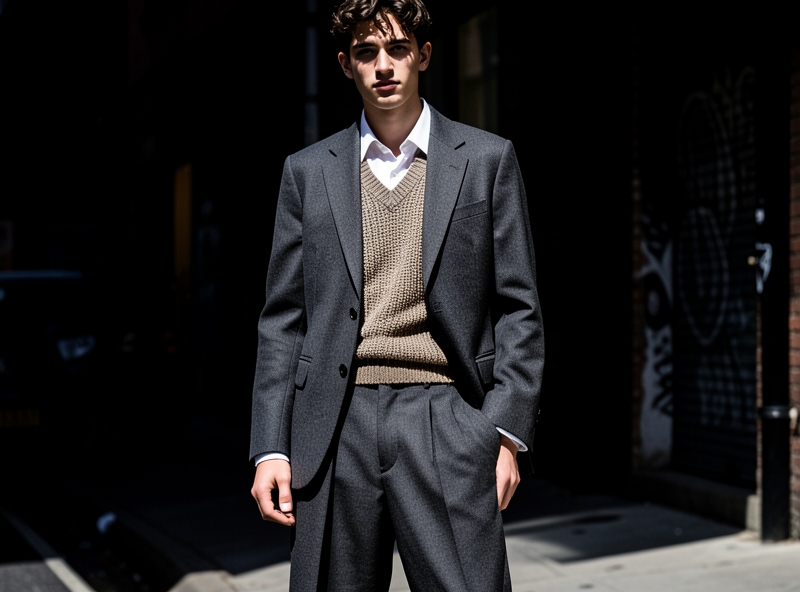
To break a straight structure, the secret "weapon" is cropped jackets or those with clear waist definition. These pieces act like "traffic signs," separating the body into distinct sections. A cropped jacket worn over a midi dress will immediately raise the waistline, making legs look endless and creating the golden 1/3 ratio for the overall outfit.
| Layer Type | Visual Effect | Gen Z Pro-Tip |
|---|---|---|
| Vest (Gilet) | Creates slight volume in the upper body, hiding sloped shoulders. | Choose cable-knit materials for extra "high-end" texture. |
| Fitted Blazer | Creates a faux hourglass effect, slimming the waist. | Mix with a wide belt on the outside to elevate the outfit. |
| Outer Shirt | Creates a liberal look, concealing narrow hips. | Leave the top and bottom buttons undone to create flow when moving. |
Finally, don't overlook the "color contrast rule" between the inner and outer layers. This is an ultimate waist "hack": Use an inner layer with a prominent or light color (like white, beige, neon) and wear a dark-colored outer layer (black, navy blue, chocolate brown). The dark part of the jacket will act like a frame, "carving" the sides of your torso, making your waist look miraculously slim. Try this formula now; you are guaranteed to see a distinct difference when standing before the mirror!
5. Choosing Patterns and Strategic Tailoring
Have you ever stood in front of a mirror and wondered why the same dress makes your best friend look perfectly "curvy" while you look straight from top to bottom? The answer doesn't actually lie in body measurements, but in how we use cuts and patterns to direct visual focus. Fashion is a game of illusions, where you are the creator of your own curves.
Instead of choosing garments with stiff vertical seams, I recommend befriending diagonal cuts or wrap dress designs. The waist knot combined with the overlapping skirt not only creates an eye-catching deep V-neckline but also cleverly accentuates the waist, making the body appear much softer. Add a touch of edge with a thigh-high slit; every step you take will create fluid movement, breaking the monotony of the original silhouette.
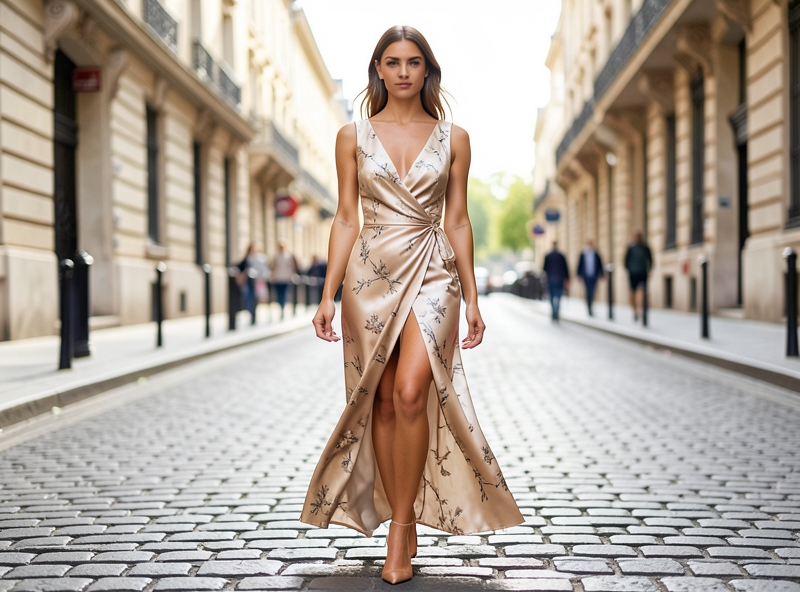
Speaking of patterns, temporarily forget large floral prints or wide horizontal stripes if you don't want to look "bulkier." Instead, tiny floral prints (ditsy prints) will be a great companion, helping to blur harsh lines on the body. In particular, there is a small tip I really love: look for outfits with color-blocking on the sides. Dark patches running along the sides of the waist will create a "faux curve," tricking the eye into believing you have a true hourglass waist.
"Sophistication in fashion is not about what you wear, but about how you understand your body to choose cuts that 'speak'."
A common mistake I see many people make is choosing outfits in an "extreme" way: either too tight to show off the figure or too baggy to hide flaws. Clothes that are too tight will easily reveal unwanted bulges, while "oversized" items from top to bottom turn you into a moving rectangle. The secret here is fit. A garment that is skillfully tailored to gently follow the natural lines of the body always provides the best visual effect.
| Design Element | Visual Effect | Application Advice |
|---|---|---|
| Diagonal cuts / Wrap dress | Accentuates the waist, softens the silhouette | Prioritize for parties or daily workwear |
| Tiny floral patterns | Hides imperfections, creates a graceful look | Suitable for those with a larger bone structure |
| Side color-blocking | Magically slims the waist | Choose dark tones on the sides to increase effectiveness |
| Slit | Elongates the legs, creates lightness | Apply to midi skirts or maxi dresses |
Remember, clothing is like a frame, and your body is the masterpiece. Don't be afraid to experiment with unique cuts or smart color blocks to see that with just a slight change in tailoring techniques, your appearance can be surprisingly elevated.
6. Summary
Styling for the Rectangle Shape is based on the technical foundation of adjusting the body's geometric proportions. The core objective is not to change the innate skeletal structure, but to use visual techniques to establish artificial curves, creating a harmonious balance between body segments.
Based on studies in anthropometry and applied aesthetics, the following fundamental principles play a decisive role in optimizing the appearance for this group:
- Creating waist definition: This is the top priority to break the vertical block structure. Using belts, tailoring, or waist-cinching details helps clearly define the boundary between the upper and lower body, creating a visual effect of a slim waistline.
- Increasing volume at the bust and hips: Adding details such as cargo pockets, ruffles, pleats, or large patterns at these locations helps strategically expand the width, thereby creating an artificial slope similar to an hourglass figure.
- Layering techniques: Using structured outerwear such as Blazers, Cardigans, or Trench coats helps narrow the width of the midsection while adding depth to the overall outfit.
| Technical Element | Mechanism of Action | Aesthetic Effect |
|---|---|---|
| Waist-cinching structure | Creates a visual focal point at the center. | Breaks the monotony of straight lines. |
| Bust/hip decorative details | Increases perceived size through fabric volume. | Balances shoulder-waist-hip proportions. |
| Outerwear | Reshapes the body silhouette from both sides. | Creates elegance and layered variety. |
However, the rules of tailoring and styling only serve as a technical reference frame. In the field of style research, the interaction between clothing and the subject's psychology is an important variable. An outfit designed accurately in terms of anthropometry only truly maximizes its value when worn with a confident demeanor.
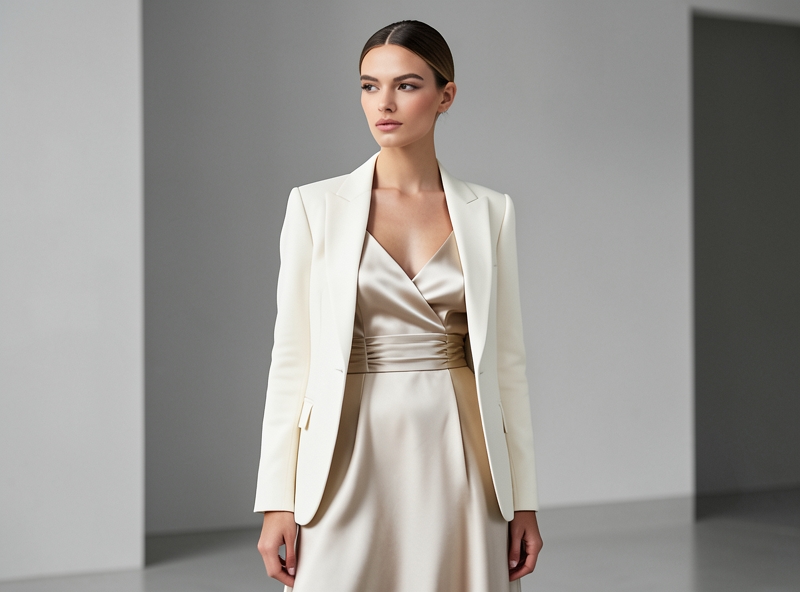
"Confidence is not an accessory, but a biological catalyst that transforms rigid tailoring rules into a unique personal identity."
Practical data shows that individuals who master their fashion style often begin by understanding their body structure, adhering to visual compensation principles, and finally asserting themselves through charisma. Confidence is the key factor that resolves physical disadvantages, turning the lack of natural curves into a perfect canvas for sophisticated and elegant fashion experiments.