1. Static Hydroponics and the Home Gardening Trend for Busy People
Most of us have fallen into the "farmer's dream" trap: Laboriously lugging soil up to the 5th floor, buying seeds, watering for 3 days, and then... abandoning it because of a mountain of work. Only to watch the withered greens slowly die in a cloud of guilt. If you are looking for a "miracle" that requires no pumps, no electricity, and no daily watering, then welcome to the brutally practical world of Static Hydroponics – specifically, the Kratky method.
"The Kratky method is not for lazy people; it is for the intelligently busy who understand that time is the most expensive form of capital."
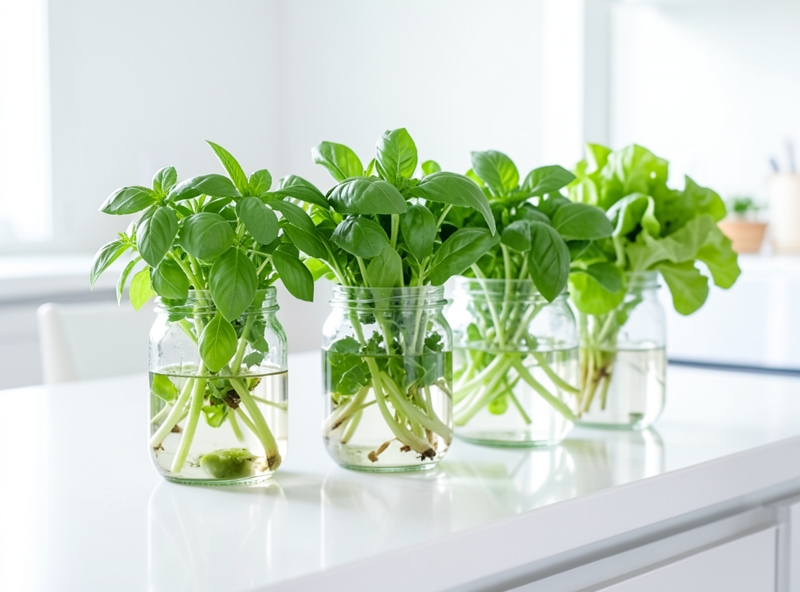
Don't let the scientific names confuse you. Basically, Kratky static hydroponics is a "set it and forget it" style of gardening. You place the plant in a container of nutrient solution; the roots are partially submerged in water, while the rest is exposed to an air space to breathe on their own. As the plant grows, the water level drops, creating space for the roots to lengthen. No air stones, no complex circulation systems. It is so simple that it makes high-tech gardening experts skeptical: "Is that really all there is to it?".
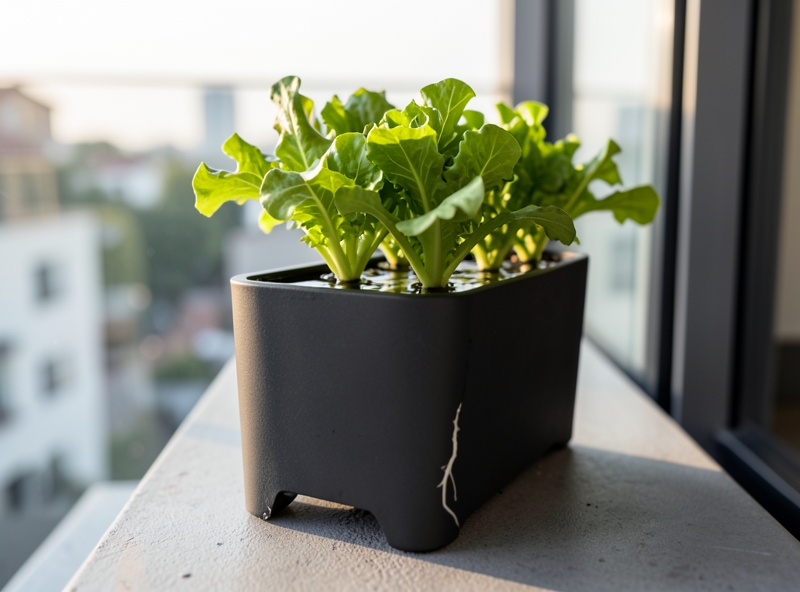
Why are office workers in major cities "crazy" about this trend? Look at the practical comparison table below to see the difference between being a traditional farmer and a Kratky-style "urban farmer":
| Criteria | Traditional Soil Gardening | Static Hydroponics (Kratky) |
|---|---|---|
| Maintenance Frequency | Daily watering, weeding, fertilizing. | Mix nutrients only once for the entire crop. |
| Space | Requires large area, messy soil spills. | Neatly contained in a bin, can be placed anywhere. |
| Pest Control | Difficult to control soil-borne pathogens. | Minimizes pests, 100% clean from the roots up. |
| Risk Level | Plants easily die if you forget to water for 1-2 hot days. | Self-watering plants; stays alive even if you travel for a week. |
I know what you're thinking: "Won't standing water attract mosquitoes or cause root rot?". This is where your "fault-finding" instinct needs to be applied. Static hydroponics is only truly effective when you control the nutrient concentration (PPM) and pH level from the start. If you are too greedy and fill the water too high, the plant will "drown" from lack of oxygen. If you place the bin in direct, scorching sunlight that heats the water, the roots will be cooked.
Kratky isn't "virtual gardening"; it is a problem of precise physics and biology. You only need to invest exactly 15 minutes at the beginning to set it up, and then enjoy the privilege of a busy person: Forget about it until harvest day. For apartment dwellers already exhausted by piles of reports and deadlines, this is not just a way to get clean vegetables, but an extremely effective psychological therapy that doesn't add a maintenance burden.
2. How the Kratky Method Works: Simple and Effective
If you've ever heard sweet talk about growing clean vegetables while "doing nothing," prepare yourself to be... skeptical. In the hydroponics world, the Kratky method is often advertised as a "miracle" for the lazy. But from a pragmatist's perspective, the essence of Kratky isn't magic; it's a shrewd calculation based on root survival.
This system operates on the mechanism of passive hydroponics. No oxygen pumps, no electricity, no messy tubing. You fill a container with nutrient solution, place the plant inside, and... forget about it. Sound like a scam? Look deeper into how the root system "evolves" in this environment to see its brilliance.
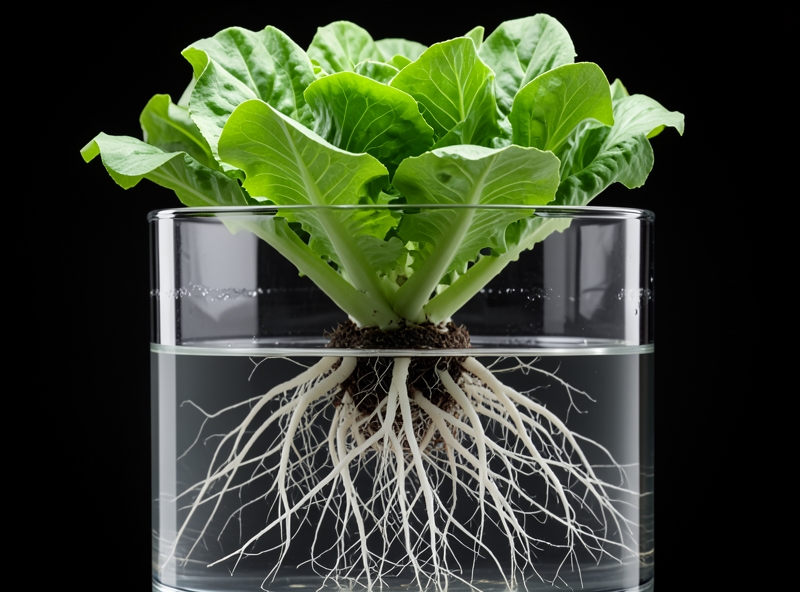
The key lies in the Air Gap. As plants begin to grow, they consume water, causing the solution level to drop gradually. Instead of dying of thirst, the plant's roots differentiate into two distinct parts with highly specialized functions:
- Air Roots: The upper portion of the roots, directly exposed to high humidity in the container's empty space. This is the "lung" that absorbs oxygen directly from the air.
- Nutrient Roots: The long lower portion, always submerged in the solution to absorb water and minerals.
"Kratky doesn't force the plant to adapt to the system; it creates a static ecosystem for the plant to self-regulate its growth rate based on available resources."
| Feature | Nutrient Film Technique (NFT) | Kratky Method (Passive) |
|---|---|---|
| Energy | Requires 24/7 electricity to run pumps. Power outages are "fatal." | $0 electricity cost. Defies all energy failures. |
| Complexity | Complex setup, pipes clog easily. | Just a bucket and a net pot. Absolute minimalism. |
| Controllability | Excellent daily pH/EC control. | Relies on natural balance. Minimal intervention is key. |
The fatal mistake for Kratky beginners is refilling the water too high. Remember: If you refill the water back to the bottom of the net pot, you are directly "drowning" the air roots that have formed. The plant will suffer root rot within 24 hours due to oxygen deprivation. The Kratky philosophy is the calculated retreat of the water level.
For those skeptical about productivity, look at the facts: This method is not for giant trees or long-term fruit trees that require excessive nutrients. But for lettuce, water spinach, or herbs, Kratky is a masterpiece of efficiency. You don't need a home laboratory; you just need to understand how the plant functions to provide it with the most effective space for self-survival.
3. Material Preparation: Utilizing Kitchen Essentials
Don't be fooled by those fancy plant growing kits priced at hundreds of dollars online. In reality, they are often just pieces of plastic "sanctified" by glamorous marketing jargon. If you plan to start a kitchen garden, discard the "must buy new" mindset and look straight at the recycling pile in your kitchen corner. Pragmatic gardening starts with utilizing what you intend to throw away, provided you know how to transform them into a scientifically sound miniature ecosystem.
Below is a minimalist list of supplies to help you save your budget while ensuring your plants don't "perish" after three days:
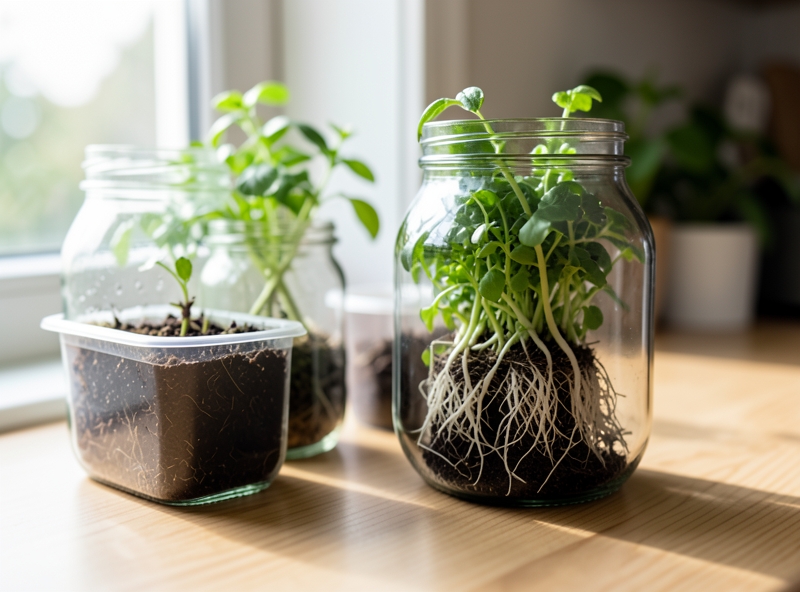
- Containers (Jars, pots, plastic bins): Forget those heavy ceramic pots. Plastic candy jars, yogurt containers, or PP plastic bins (heat-resistant type) are ideal. Important note: If the plastic is transparent, tape a layer of dark paper on the outside. Why? Because light penetrating through the plastic walls will stimulate algae growth, which will compete directly for oxygen and nutrients with your plant roots.
- Net pots: You can repurpose disposable plastic cups by punching holes around them. Don't make the holes so large that the substrate falls out, but don't make them so small that the roots "suffocate."
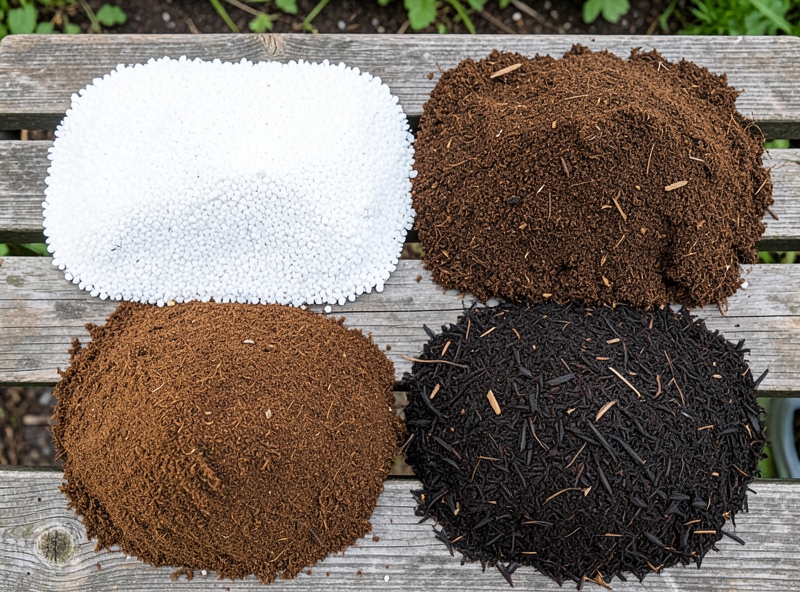
- Substrate (Coconut coir, lightweight expanded clay aggregate): This is the "anchorage" for the roots. Coconut coir needs to be treated for tannins (soaked and washed thoroughly), otherwise, it will stunt plant growth due to toxicity. Lightweight expanded clay aggregate (Hydroton) is a more sustainable choice because it can be reused indefinitely after boiling in water for sterilization.
- Nutrient solution: This is the only thing you should not DIY using fermented home organic waste formulas if you don't want your kitchen to smell like a literal landfill. Invest in a bottle of high-concentration liquid hydroponic nutrients (Group A & B) from reputable suppliers.
"In urban agriculture, the winner is not the one with the most expensive tools, but the one who understands the needs of the roots best."
Once you have the "hardware," the next mistake of dreamers is placing plants wherever they look pretty. Plants are not static furniture. They need energy. To optimize photosynthesis in a cramped kitchen space, follow these placement rules:
| Location | Advantages | Disadvantages (Warnings) |
|---|---|---|
| By an East-facing window | Gentle morning light, excellent for herbs. | Prone to temperature shock if the window isn't sealed during winter. |
| Under LED lights (Kitchen counter) | Proactive control over lighting duration (12-16h/day). | Consumes electricity and requires choosing the correct spectrum (Full Spectrum) instead of regular decorative lights. |
| High shelves near the ceiling | Saves space, high aesthetic appeal. | Dead zone: Hot air accumulating high up will cause plants to wilt rapidly. Difficult to control humidity. |
Remember: A sufficiently bright location is where you can read a book easily during the day without turning on the lights. If that spot is too dark, no matter how "miraculous" the fertilizer you use, the plant will only grow weakly, stretching out (etiolation) to find light and eventually dying to your disappointment. Be realistic—either invest in a specialized LED bulb or accept returning the space to inanimate household items.
4. Steps to Implement a Static Hydroponic Herb Garden from A-Z
Don't be quick to believe advertisements that claim "just drop the plant in water and you're done." If it were that easy, gardening groups wouldn't be full of posts complaining about root rot or plants looking as stunted as if they were malnourished after just one week. The static hydroponic method (Kratky) is an art of calculated laziness, but most people fail right at that "calculation" stage.
Below is the practical process so you don't turn your balcony into an expensive biological landfill:
- Step 1: The "Brain-straining" nutrient solution mix. Forget the mindset of "just pour it in until it looks concentrated." Herbs (basil, mint, parsley) are sensitive creatures. You need to use a TDS (Total Dissolved Solids) meter. For herbs, maintaining a threshold of 600 - 900 ppm is the sweet spot. Too much, and the roots will suffer from salt "burn" and die instantly; too dilute, and the plant will look pale as if it were anemic.
- Step 2: The "trauma-free" seedling placement technique. A fatal mistake is uprooting a plant from soil and stuffing it directly into a hydroponic net pot. Soil clinging to the roots is the source of pathogens that cause system-wide rot. Gently wash the roots under running water until they are pearly white, then secure the plant in the net pot using lightweight aggregate (perlite or expanded clay) so that the base of the plant stays dry, with only the root tips touching the water.
"In static hydroponics, water isn't everything. The air gap between the bottom of the net pot and the water surface is the soul of the Kratky method – where the plant truly breathes."
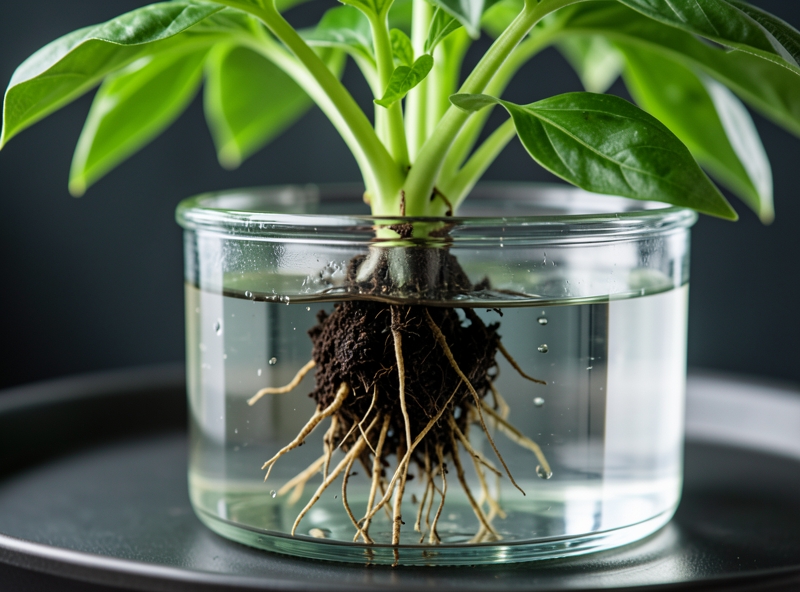
Step 3: Establishing the "Air Gap" – The vital factor. This is where 90% of beginners fail. As the plant grows and consumes water, the water level in the reservoir will drop. Under no circumstances should you refill it to the top. You must maintain an air gap occupying at least 1/3 to 1/2 of the root length. These "aerial roots" will directly absorb oxygen from the air. If you refill the water and submerge the net pot, you are directly "drowning" your herbs.
| Parameter | Safe Threshold | Consequences of Deviation |
|---|---|---|
| pH Level | 5.5 - 6.5 | Nutrient lockout (the plant cannot absorb nutrients even if the water is rich in them). |
| Water Temperature | 18°C - 26°C | Above 28°C, dissolved oxygen drops sharply, and anaerobic bacteria causing root rot will flourish. |
| Air Gap | 3cm - 7cm | Without a gap, roots will suffer from oxygen deprivation and rot within 48 hours. |
Step 4: Controlling light and green algae. Do not use white or transparent containers unless you want to grow... moss. Light penetrating the container walls will stimulate algae growth, which competes for nutrients and oxygen with your plants. Paint your container black or wrap it in aluminum foil. A smart gardener never lets light touch the nutrient solution – that is the iron rule if you want to keep the roots healthy until harvest day.
Finally, remember: static hydroponics is a "set and forget" system, but it only works when you respect basic biological principles from the very first moment. Don't wait until the plant withers to look for the cause; by then, even an expert can only advise you to... sow new seeds.
5. The Most Ideal Herbs for Home Hydroponic Models
Don't be quick to believe the promotional photos of lush green hydroponic gardens on Instagram. The truth is, if you choose the wrong plant varieties, you are buying an expensive "green graveyard" right in your living room. Many beginners are often greedy and try to grow everything, only to realize that some plants were not born to live in water. To avoid wasting electricity and nutrient solutions, you need real "warriors" – herbs with extremely high self-adaptability that bring practical value to your daily dining table.
| Herb Type | Growth Rate | Level of "Pampering" | Reason to Grow |
|---|---|---|---|
| Basil | Extremely fast (2-3 weeks) | Low - Just needs enough light | The queen of hydroponics, roots develop extremely strongly in water. |
| Mint | Aggressive/Invasive | Medium - Needs root control | Almost impossible to kill, extremely fond of wet environments. |
| Lettuce | Stable | Low - Prefers cool temperatures | Large yield, continuous harvest throughout the year. |
| Coriander/Cilantro | Medium | Difficult - Prone to "choked" roots | A staple spice, completely clean with no worries about parasites. |
Why do I recommend this list? Because they are short-day plants. In hydroponics, the longer a plant stays in the system, the higher the risk of fungal infection and root rot. Basil and Mint are two typical examples of resilience: they suck up nutrients like pumps and rarely complain if the pH deviates slightly. Conversely, don't be foolish enough to start with woody plants or root crops unless you want to see your multi-million-dollar hydroponic machine become a breeding ground for mosquito larvae.
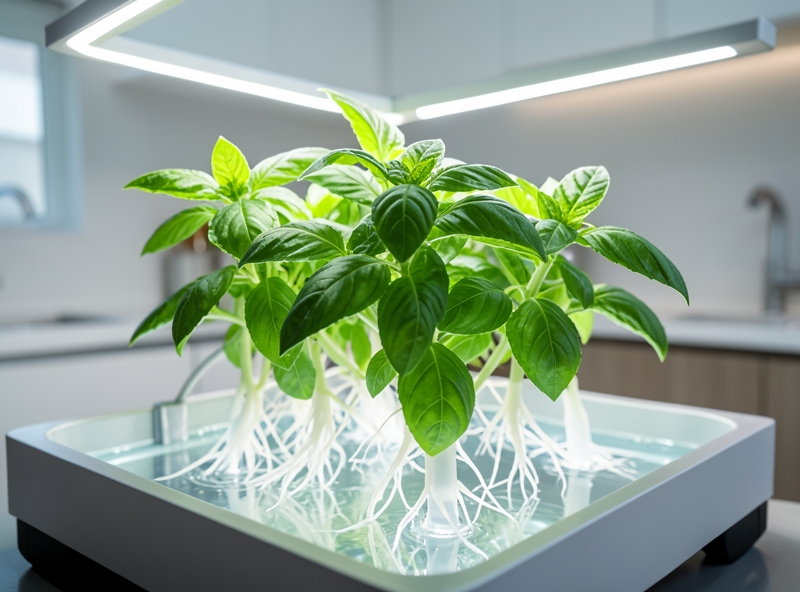
A fatal mistake made by most "rooftop farmers" is harvesting in an extermination style. Do you pluck all the leaves? The plant will fall into a state of physiological shock and stop photosynthesizing. To turn your hydroponic rack into a "factory" producing green leaves continuously, follow the "no more than 1/3" rule.
"Don't harvest as if this is your last meal. Prune like an artist to stimulate the plant's survival."
Here are the harvesting secrets that help plants produce new leaves continuously, which equipment sellers often "forget" to tell you:
- For Basil: Absolutely do not pick individual leaves. Cut right above a leaf node (where two small leaves are emerging). This action forces the plant to double-branch, turning a single stem into a lush bush within 10 days.
- For Mint: Don't be afraid to "behead" it aggressively. The more you cut the tips of mint, the more side branches it produces. If you see roots becoming too dense and clogging the pipes, feel free to trim back 20% of the roots – this won't kill it; it only makes it stronger.
- For Lettuce: Apply the "Cut and Come Again" method. Only harvest the older outer leaves, leaving the young central core. The plant will continue to push out new leaves from the inside out until the end of its growth cycle.
- Survival Tip: Always use sharp, sterilized specialized shears. A crushed cut is a wide-open gateway for bacteria to enter the water circulation system of the entire rack.
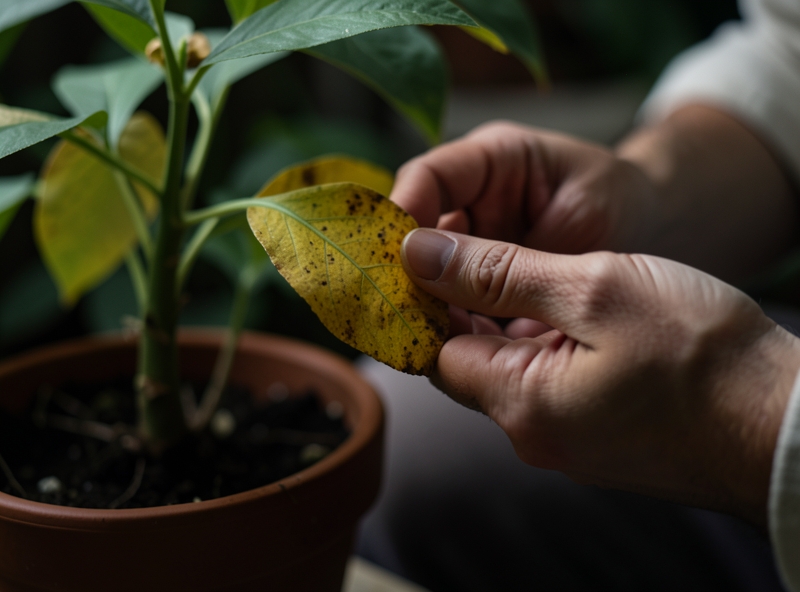
Hydroponics is not magic; it is control based on science. If you are still struggling with withered herbs, check the water temperature instead of adding more fertilizer. Herbs need ventilation, not a hot "nutrient soup" in the middle of a summer noon.
6. Conclusion
Don't be quick to believe promises of a "garden of eden" right in your kitchen without breaking a sweat. In reality, static hydroponics is not a miracle; it is a game of minimalist discipline. If you are expecting a 100% self-operating system only to neglect it, stop now. But if you are sober enough to realize that controlling your food source and psychological balance is worth a few minutes of checking nutrient concentration each week, then it’s time to invest and get started.
| Core Value | Pragmatic View (No "Rose-Colored Glasses") | Practical Benefits |
|---|---|---|
| Economics | Initial investment costs are higher than buying vegetables at the market. | Break-even after 3-4 harvests. Absolute control over seed origin. |
| Health | Hydroponic vegetables lack the characteristic "earthy taste." | 0% pesticides, 0% heavy metals from contaminated soil. |
| Mental Health | Plants can die if you are too negligent. | "Micro-gardening" therapy: Effectively reduces cortisol for high-intensity workers. |
Dismiss the prejudice that you need dozens of square meters of rooftop space to garden. Static hydroponics turns "dead corners" in apartments into a machine for producing oxygen and green food. This is not a luxury hobby for the idle; it is a health insurance policy that you can see, touch, and eat every day.
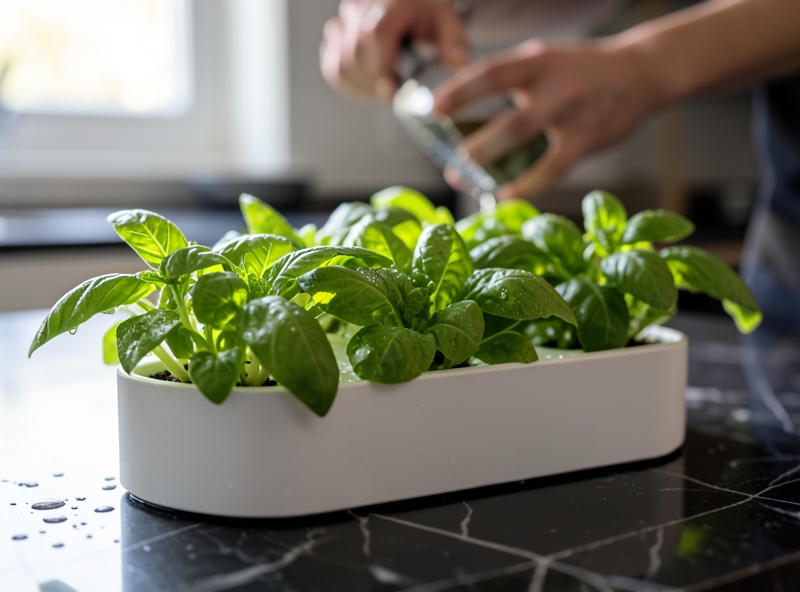
Owning a green corner in the kitchen is how you reset your circadian rhythm amidst the frantic pace of work. When you are so busy that you don't have time to breathe, watching a leaf bud emerge from a nutrient solution is a valuable reminder of patience. Static hydroponics completely solves the fear of "not having a green thumb" by digitizing and standardizing the plant's living environment.
"Don't just grow vegetables to eat. Grow vegetables to regain control over what goes into your body and to find stillness in the modern kitchen."
In summary, if you are a smart and pragmatic consumer, you will understand that: Investing in a static hydroponic kit is not buying a toy. It is an investment in a miniature ecosystem that optimizes health, saves time grocery shopping, and is the cheapest "detox therapy" for the soul you can find. Don't wait until contaminated food becomes an obsession; start right in your kitchen corner.