1. The Role of Enzymes in Modern Textile Cleaning Technology
Over the past decade, the home care industry has witnessed a significant shift from traditional chemical compounds to biological solutions. The trend of using enzyme-based detergents for complex textile surfaces such as sofas and carpets is not merely an environmental choice, but a result of advancements in molecular biotechnology. Enzymes, as highly selective biocatalysts, are changing the way organic stains are treated on sensitive fabric fiber structures.
| Comparison Criteria | Enzyme Detergents (Biological) | Strong Alkaline Detergents (Chemical) |
|---|---|---|
| Mechanism of Action | Breaks down the molecular bonds of organic stains. | Dissolves and emulsifies surfaces through high pH levels. |
| Structural Impact | Preserves the tensile strength and color of fabric fibers. | Prone to causing fiber brittleness, fading, and surface wear. |
| pH Safety | Usually at a neutral level (pH 6-8). | Usually at a high alkaline level (pH 10-12). |
| Biodegradability | Completely biological, leaving no toxic residues. | May leave behind chemicals that cause skin irritation. |
Unlike strong alkaline chemicals that operate on the principle of abrasion or forced dissolution, enzymes function through a "lock and key" mechanism. Each type of enzyme is designed to target a specific type of chemical bond. For example, Protease breaks down protein stains (blood, sweat), Lipase handles grease and oil, and Amylase removes starch-based stains. This capability allows for deep cleaning within every weave of carpets and sofas without the need for harsh mechanical action, thereby preventing pilling or structural deformation of the fibers.
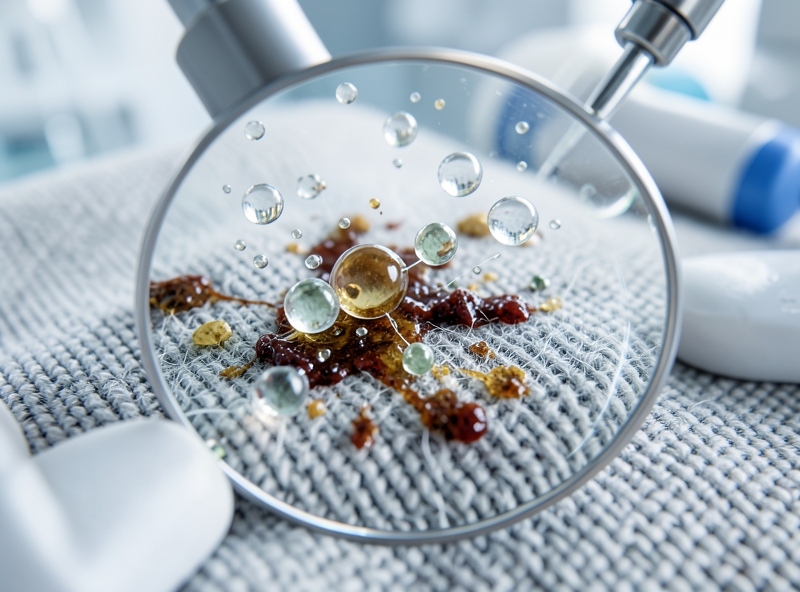
"The use of enzymes in textile cleaning represents a transition from crude chemical methods to precise biological methods, where cleaning efficiency is optimized simultaneously with maintaining material longevity."
Another important technical aspect is the role of Cellulase in fabric surface maintenance. Through use, fabric fibers on sofas and carpets often develop micro-fibrils that cause pilling and make the surface appear dull due to dust accumulation. Cellulase enzymes have the ability to remove these damaged micro-fibrils in a controlled manner, helping to restore smoothness and brighten the original colors of the product. This is an advantage that petroleum-based chemical detergents cannot achieve without compromising the long-term durability of the fabric.
- Sustainability: Enzymes work effectively at low temperatures, reducing energy consumption during industrial and household laundering processes.
- User Health: Due to their biological nature, these products minimize the risk of contact dermatitis, which is particularly important for surfaces in direct contact like sofas.
- Economic Efficiency: The ability to preserve fabric fibers helps extend the replacement cycle of textile furniture, providing long-term financial benefits.
2. Chemical Mechanism: How Enzymes Break Down Stain Bonds
Enzymes are protein molecules that act as biological catalysts, capable of accelerating the rate of chemical reactions without being consumed in the process. In the field of household cleaning, particularly for treating complex surfaces like carpets, enzymes operate based on their ability to recognize and break down specific chemical bonds within the organic macromolecules that make up stains.
The core mechanism of enzyme action is often described through the "Lock and Key" model. Each type of enzyme has a specific three-dimensional structure containing active sites that are only compatible with a specific type of substrate. When the enzyme comes into contact with a stain, this active site binds precisely to the stain molecule, forming a temporary, stable enzyme-substrate complex.
"The specificity of enzymes allows them to precisely attack peptide bonds in proteins or ester bonds in lipids without damaging the synthetic or natural fiber structure of the carpet surface."
This conversion process occurs through a hydrolysis reaction. Enzymes break down the long, insoluble polymer chains of the stain into smaller oligomer or monomer fragments. These fragments have hydrophilic properties, allowing them to easily dissolve into the water solution and be detached from the fabric fibers. For thick and highly porous surfaces like carpets, where stains often penetrate deep into the fiber core, the enzyme's ability to break down molecules is the prerequisite factor for completely removing organic residue.
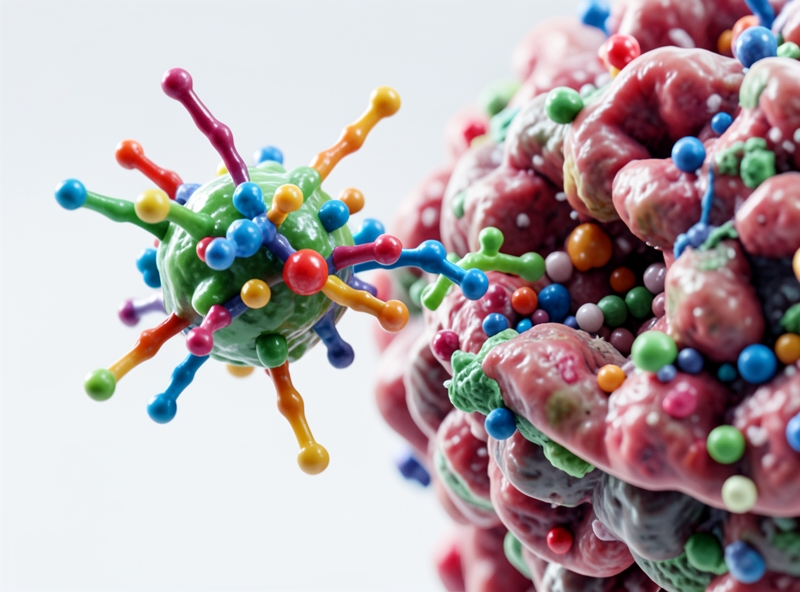
The efficiency of this process depends on selecting the appropriate type of enzyme for the chemical nature of the stain. Modern cleaning formulations typically combine a diverse range of enzyme groups to optimize multi-target treatment capabilities on the same surface:
| Enzyme Type | Mechanism of Action | Target Stain Type |
|---|---|---|
| Protease | Hydrolysis of peptide bonds | Blood, eggs, milk, urine, protein-based stains. |
| Lipase | Breakdown of fats into fatty acids and glycerol | Food grease, cosmetics, body sebum. |
| Amylase | Breaking glycosidic bonds in starch | Sauces, starchy foods, organic adhesives. |
| Cellulase | Breakdown of microscopic lint fibers (microfibrils) | Removal of deep-seated dirt, brightening fabric fibers. |
The biggest difference between enzymes and traditional surfactants lies in the thoroughness of the process. While surfactants only surround and lift the stain from the surface, enzymes perform a chemical "digestion," transforming complex macromolecules into completely soluble units. This is particularly beneficial for thick carpets, as it prevents re-soiling caused by organic residue left behind in the fiber crevices.
3. Enzyme Classification by Stain Origin on Sofas and Carpets
In a minimalist living space, understanding the nature of objects helps us care for them in the most sustainable way. Instead of stockpiling dozens of harsh chemical cleaners that damage fabric fibers and health, using enzymes is a smart and eco-friendly choice. Enzymes act as "biological scissors," breaking down complex stain molecules into microscopic pieces that are easily washed away by water.
- Protease (Protein-hydrolyzing Enzyme): This is the primary choice for stains of animal or human origin such as blood, milk, sweat, or pet urine. Protease breaks peptide bonds in proteins, preventing lingering odors from sticking to sofa fibers.
- Lipase (Lipid-hydrolyzing Enzyme): Focuses on treating oil and grease-based stains. On sofas, these are often oils from spilled food, cosmetics, or natural skin oils accumulating on armrests. Lipase helps dissolve grease without requiring heavy scrubbing that could fray carpet fibers.
- Amylase (Starch-hydrolyzing Enzyme): Effective against starch-based stains like sauces, chocolate, or baby food. Amylase separates starch macromolecules which have high adhesion on synthetic fiber surfaces.
- Cellulase and Pectinase (Tannin and Fiber-processing Enzymes): Especially useful for plant-based stains such as tea, coffee, sap, or fruit juice. Specifically, Cellulase also has the ability to clean up pilling on sofa surfaces, helping the fabric restore its original smooth flatness.
"Choosing the right type of enzyme is not just an effective cleaning method, but also a sign of respect for the value of the item, helping to extend the lifespan of furniture and minimize waste to the environment."
To optimize your cleaning process and avoid wasting time, you can refer to the quick comparison table below to choose the right solution for each specific situation:
| Enzyme Type | Typical Stain Origin | Practical Application on Sofas/Carpets |
|---|---|---|
| Protease | Protein | Dried blood stains, milk stains, long-term sweat buildup. |
| Lipase | Lipid (Fat) | Food grease, sebum, lipstick stains, machine oil. |
| Amylase | Carbohydrate (Starch) | Ketchup stains, sauces, porridge, baby food. |
| Cellulase | Tannin & Cellulose | Tea, coffee, wine, sap stains, and fabric pilling treatment. |
Focusing on the true functionality of each enzyme type helps you eliminate dependence on synthetic detergents with strong artificial fragrances. A truly clean home is a scentless home, where fabric fibers can breathe and return the inherent peace to the soul of its occupants.
4. Safe Handling Techniques: Protecting Textile Surfaces During Cleaning
Imagine the enzymes in a cleaning solution as extremely picky "culinary experts." For these tiny "chefs" to effectively clean organic stains on a sofa or carpet without damaging the "floor" (the fabric surface), we need to create an ideal working environment for them. If the temperature and pH levels are not correct, these enzymes might go on strike or, worse, turn around and attack the very structure of your fabric fibers.
Water temperature acts like the rhythm of a song. If the water is too cold, the enzymes will "fall asleep" and the reaction will occur as slowly as a crawling turtle. Conversely, if the water is too hot (usually above 60°C), the enzymes will denature – much like boiling an egg, it can never return to its original state. The "golden" temperature range from 30°C to 40°C is when enzymes are most active, helping to strip away stains while maintaining the elasticity of cotton or wool fibers.
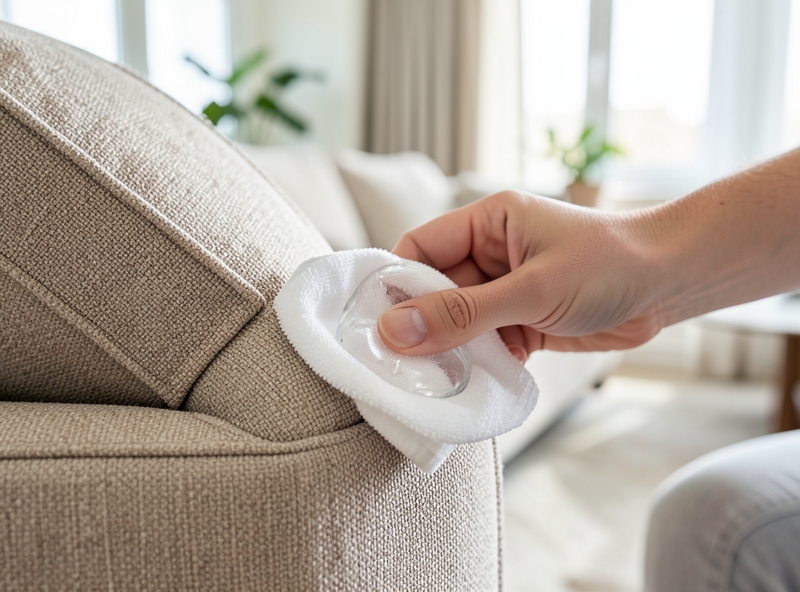
Beside temperature, pH level is the "atmosphere" that the fabric breathes. Natural fabrics like wool and silk have protein structures similar to human hair. They are extremely sensitive to high alkaline environments. A solution that is too alkaline will cause the fibers to become dry, brittle, and lose their natural luster. To protect these premium surfaces, prioritize products with a neutral pH (around 6-8).
"Cleaning is not just about removing stains, it is the art of maintaining the longevity of an item. A minute of testing can save an entire fortune of furniture."
Before proceeding to clean the entire surface, the rule "prevention is better than cure" is always the top priority. Perform a small Spot Test following these steps to ensure absolute safety:
- Choose a hidden location: Find a small corner at the back or under the sofa, where it is least noticeable.
- Apply the solution: Drop a small amount of cleaner onto the surface and wait about 5-10 minutes.
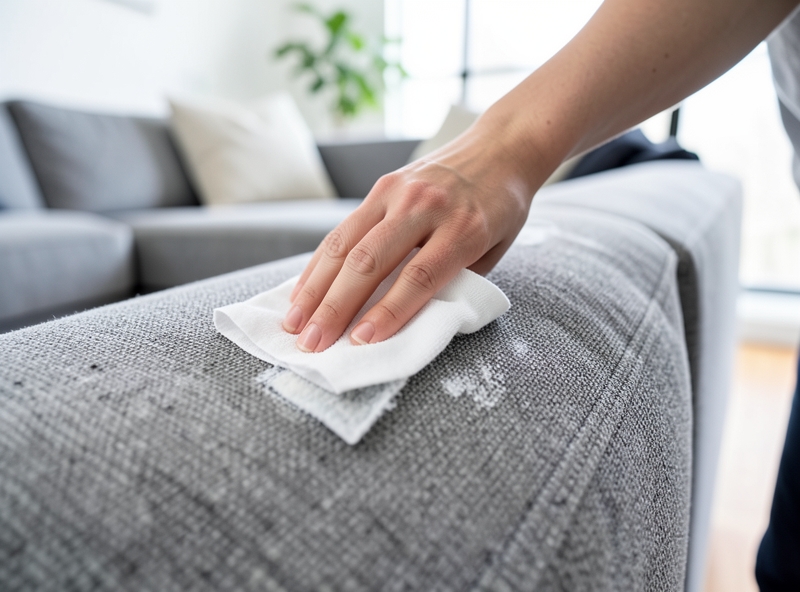
- Check colorfastness: Use a clean white cloth to gently blot the treated area. If color transfers from the fabric to the cloth or the fabric area fades, you must stop immediately and dilute the solution or change to a different chemical.
- Assess texture: After the fabric dries naturally, use your hand to feel if the fibers have become stiff, pilled, or worn compared to the surrounding areas.
| Fiber Type | Main Enemy | Safe Handling Notes |
|---|---|---|
| Wool / Silk | High temperature, alkaline pH | Use cold/lukewarm water, neutral pH solutions, avoid heavy scrubbing. |
| Cotton / Linen | Strong bleaching agents (Chlorine) | Highly absorbent, so quick drying is needed to prevent mold. |
| Synthetic (Polyester) | Excessive heat (causes fiber melting) | Quite durable but prone to grease stains, requires lipase enzyme support. |
Remember, natural fibers are like our sensitive skin. Understanding the "personality" of each material type and properly controlling chemical factors will help you keep your home fresh without sacrificing the quality of your furniture.
5. Conclusion
Understanding and applying enzyme chemistry to home cleaning is not merely a trend; it is a revolution in modern cleaning philosophy: maximum efficiency, absolute discipline, and responsibility toward the future. Enzyme-based cleaners act as elite "biological warriors," precisely attacking stubborn organic bonds without destroying the surface structure of materials. This is the golden key to maintaining the original beauty of high-end furniture and extending the lifespan of all your household appliances.
| Comparison Criteria | Traditional Chemical Cleaners | Breakthrough Bio-Enzyme Technology |
|---|---|---|
| Action Mechanism | Erosion and bleaching through strong oxidation reactions. | Biological decomposition of stains at the molecular level. |
| Surface Safety | Easily damages fabric fibers, wood, and interior leather. | Absolutely safe, protecting the material structure. |
| Environmental Impact | Causes water pollution, difficult to biodegrade. | Ecosystem-friendly, fully biodegradable. |
It is time to eliminate old cleaning habits that waste time and effort. Choosing smart biotechnology products not only affirms a sophisticated lifestyle but is also a commitment to protecting the health of your family and the community. Remember: A truly clean environment is one without toxic chemical residues.
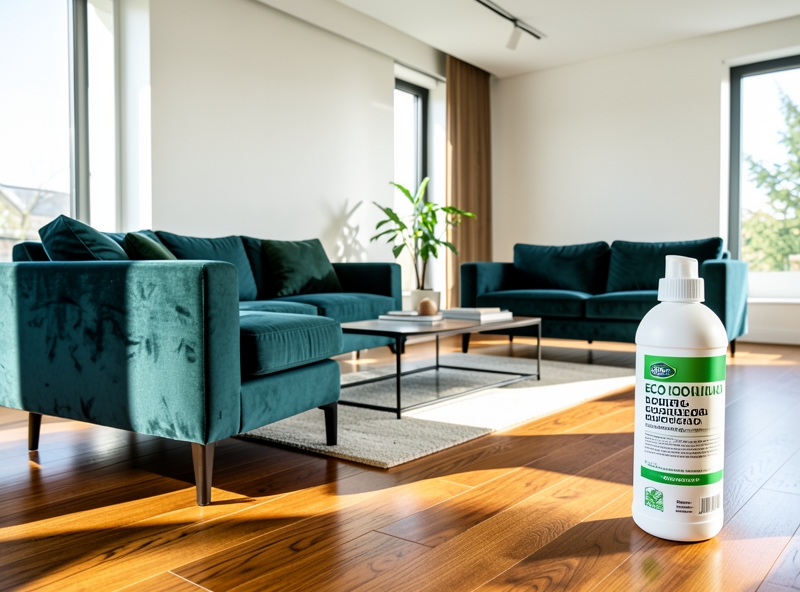
"Discipline in choosing cleaning products is how you show respect for your living space and this planet. Don't just clean; clean smartly."
Big changes begin with the smallest decisive actions. Don't hesitate; reset your family care routine today with the specific action plan below:
Action Plan:
- Inventory (Right Now): Check your entire cleaning cabinet, discard products containing harsh acids or alkalis that harm interiors.
- Upgrade (Within the Next 24h): Purchase at least 1 specialized bio-cleaner for fabric or wood to experience the difference.
- Usage Discipline: Always read the instructions carefully regarding concentration and dwell time for enzymes to work most effectively; never mix different types of chemicals together.
- Spread the Word: Share knowledge about enzyme cleaning with family members to collectively form a green and sustainable lifestyle.