1. The Importance of Preserving Vitamins in Vegetables
Imagine our body is like a modern car in operation. If protein or starch acts as the gasoline providing energy for the car to run, then vitamins and minerals are the lubricating oil and sophisticated electronic components. Although they only occupy a very small amount, without them, even a car full of gas cannot operate smoothly and may even break down mid-road. Vitamins are the silent "maintenance workers," helping our eyes shine like headlights, our skin stay smooth like a fresh coat of paint, and our immune system remain as solid as a steel frame against all weather impacts.
| Vitamin Group | "Everyday" Role | Main Enemies During Processing |
|---|---|---|
| Water-soluble Vitamins (C, B group) | Resistance "armor" and energy | High temperature, boiling water, light |
| Fat-soluble Vitamins (A, D, E, K) | "Magic eyes" and cell protection | Oxidation, deep-frying at excessively high temperatures |
However, a concerning reality is that we often accidentally "drop" this nutritional treasure right in our own kitchens. Incorrectly processing vegetables is like carrying a leaky bucket to fetch water: the effort of grocery shopping and selecting fresh food can all vanish when the nutritional content is lost by up to 50%. When you overboil vegetables or soak and wash them incorrectly, sensitive vitamins will "evaporate" or completely dissolve into the water, leaving us with nothing but empty fiber.
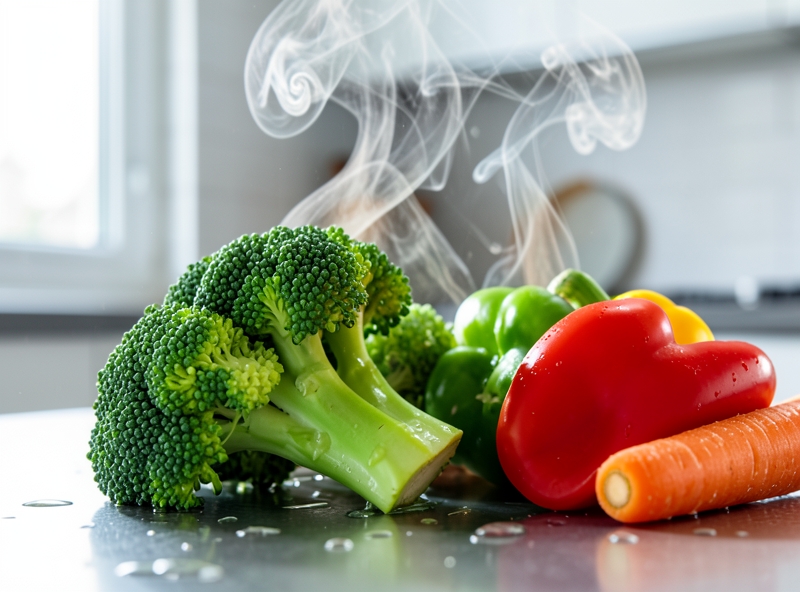
"Cooking is not just about heating food; it is the art of 'packaging' the full essence of nature into every cell to nourish life."
Preserving nutrition is not just a story about health, but also a vital factor in culinary aesthetics. A scientifically prepared vegetable dish will retain its eye-catching green color, its crunchy texture, and the natural sweet flavor of the earth. Our goal does not stop at filling the stomach, but at optimizing the value of each ingredient. By understanding the "personality" of each vitamin, homemakers will become true scientists, turning every family meal into a precious and beautiful tonic.
- ✔ Preserve color: Vegetables do not become dull due to overheating.
- ✔ Preserve texture: Retain the natural juiciness and crunchiness of the plants.
- ✔ Economic: Make the most of nutrients from purchased food.
2. Impact Analysis of Methods: Steaming, Boiling, and Stir-frying
In food chemistry research, the choice of thermal processing method plays a decisive role in the biological integrity of micronutrients. Each technique — Steaming, Boiling, and Stir-frying — interacts differently with plant cell structures and organic compounds, leading to distinct transformations in the final nutritional value of the dish.
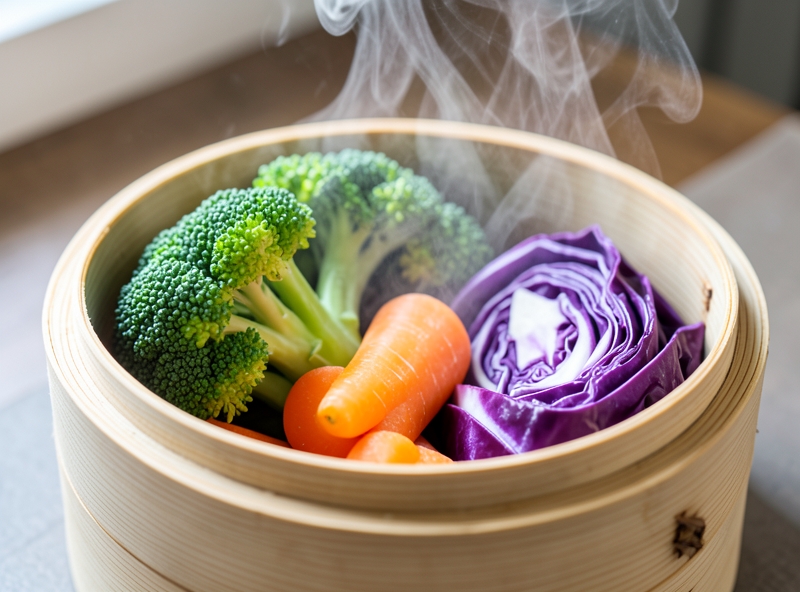
Steaming is evaluated by experts as the optimal technique for preserving water-soluble vitamins such as Vitamin C and B-group vitamins. Since the food does not come into direct contact with water, the phenomenon of osmosis and dissolution of nutrients into the liquid medium is kept to a minimum. Quantitative studies show that when broccoli is steamed, it only loses about 9-15% of its Vitamin C content, whereas other methods can cause losses of up to 40%.
"The effectiveness of steaming lies in its ability to cook food using the heat of steam without breaking the bonds of heat- and water-sensitive enzymes, helping to retain important phytochemical compounds such as glucosinolates."
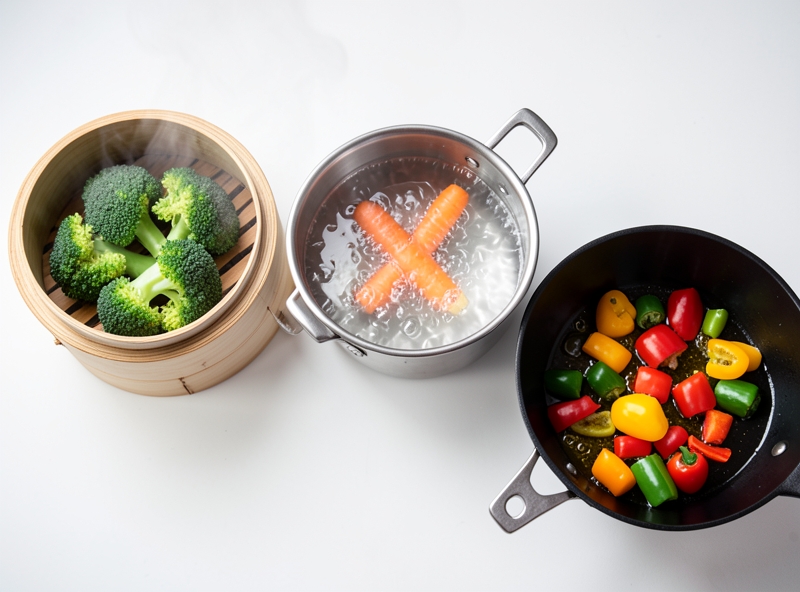
For the boiling method, the greatest challenge is the diffusion of nutrients into the cooking water. Vitamin C, B1, B5, and Folate are particularly sensitive and easily washed away. However, boiling is still considered safe and beneficial if the user utilizes the cooking water, which contains the extracted minerals and vitamins. In some vegetables like carrots, the boiling process can soften cell walls, making it easier for the body to access antioxidant compounds compared to eating them raw.
Stir-frying operates on the principle of rapid heat transfer through a fat medium. This is an essential technique for optimizing the absorption of fat-soluble vitamins including A, D, E, and K, as well as carotenoids (such as lycopene in tomatoes). The presence of lipids acts as a dissolving solvent, helping these compounds pass through the intestinal membrane more efficiently. However, stir-frying requires strict temperature control and quick handling. Temperatures exceeding the oil's smoke point can lead to fat oxidation and destroy sensitive bonds within the food.
| Criteria | Steaming | Boiling | Stir-frying |
|---|---|---|---|
| Water-soluble vitamins (C, B) | Retained at the highest level | Significant loss through water | Moderate loss due to heat |
| Fat-soluble vitamins (A, E, K) | Limited absorption | Limited absorption | Enhanced absorption capacity |
| Chemical transformation | Stable cell structure | Strongly softens plant tissue | Maillard reaction creates flavor |
| Technical notes | Avoid over-steaming | Should reuse cooking water | Fast handling, moderate-high heat |
Understanding the physical and chemical impacts of each method helps cooks proactively adjust based on the type of ingredient. Experimental analysis indicates that no single method is absolutely superior; the flexible coordination between steaming, boiling, and stir-frying in the daily diet is the most scientific strategy to ensure the diversity and adequacy of essential micronutrients.
3. Secrets to Maintaining Vibrant Green Color and Natural Crunchiness
In the philosophy of minimalist living, cooking does not need to be elaborate or involve expensive additives. The core value lies in how we cherish and preserve the finest essences that nature provides. To maintain the original green color and the firm, crunchy texture of vegetables, you only need to understand these simple physical reactions below.
First, add a pinch of salt to the boiling water. Salt not only helps vegetables retain their chlorophyll but also increases the boiling point of the water, allowing the cooking process to happen faster. If you want the vegetables to have a beautiful glossy finish without using complex sauces, you can add a few drops of cooking oil. This thin layer will coat the surface, preventing oxidation and keeping the vegetables looking fresh even after they have cooled down.
"Sophistication in minimalist cuisine lies not in adding more, but in fully preserving the natural vitality of the ingredients."
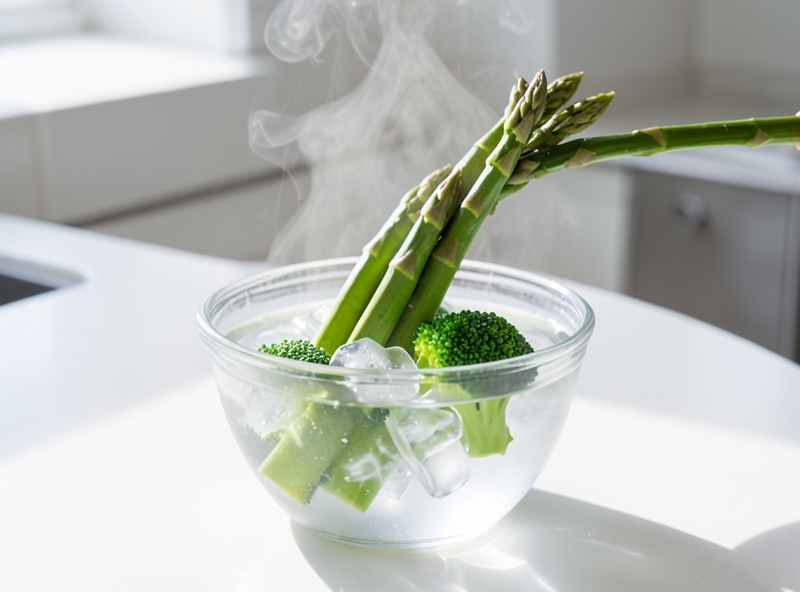
The most important technique to achieve the desired results is the "thermal shock" method. This is a smart way to manage time and heat:
- Quick blanching: Only add vegetables when the water is at a rolling boil. Blanching time should only last from 1 to 3 minutes depending on the type of vegetable to avoid breaking down cellular bonds, which causes sogginess and loss of nutrients.
- Ice water bath: Immediately after removing them from the heat, drop the vegetables into a bowl of ice-cold water. The sudden drop in temperature will halt the carryover cooking process, helping the vegetables retain absolute crunchiness and preventing the green color from turning into a dull yellow.
An often overlooked but decisive note is the use of the pot lid. When cooking green vegetables, absolutely do not cover the pot. Organic acids in the vegetables escape with the steam; if covered, these acids are trapped, directly affecting the chlorophyll and causing the vegetables to discolor. Allowing the steam to escape naturally is the simplest way to protect the beauty of the dish without any additional cost.
Applying these small tips not only makes the meal more appetizing but also demonstrates a deep appreciation for food, avoiding the waste of precious nutritional values due to incorrect processing. A plate of vibrant, sweet, and crunchy green vegetables is a peaceful anchor for the soul after a busy workday.
4. Notes from preparation to cooking to avoid nutrient loss
In my journey wandering through remote villages from the Northwest highlands to the sun-drenched Mediterranean lands, I realized that the kitchen of every culture hides a ritual honoring life. Cooking is not merely about heating food; it is a delicate dialogue between humans and nature. To preserve the "soul" of the ingredients – which are the precious micronutrients – we must adhere to immutable principles distilled over centuries.
The first is the principle of washing before cutting. Imagine each knife stroke touching vegetables as a "wound" that releases nutrient-containing pouches. Water-soluble vitamins like Vitamin C or the B complex are like travelers; they will easily follow the flow of water if we chop the vegetables before washing. A wise chef always keeps the shape of the ingredients intact under cool running water, only touching them with a knife once the dust of Mother Earth has been washed away.
"Cooking is an art of preservation. Every mistake in preparation causes the dish to lose the breath of heaven and earth and the essence that nature took months to nurture."
The transition from preparation to processing should happen as quickly as a heartbeat. As soon as the protective layer is broken, oxidation begins to take over, dulling the color and depleting nutrients. Cooking immediately after preparation is not just a habit of busy people; it is a sign of respect for the freshness of the ingredients.
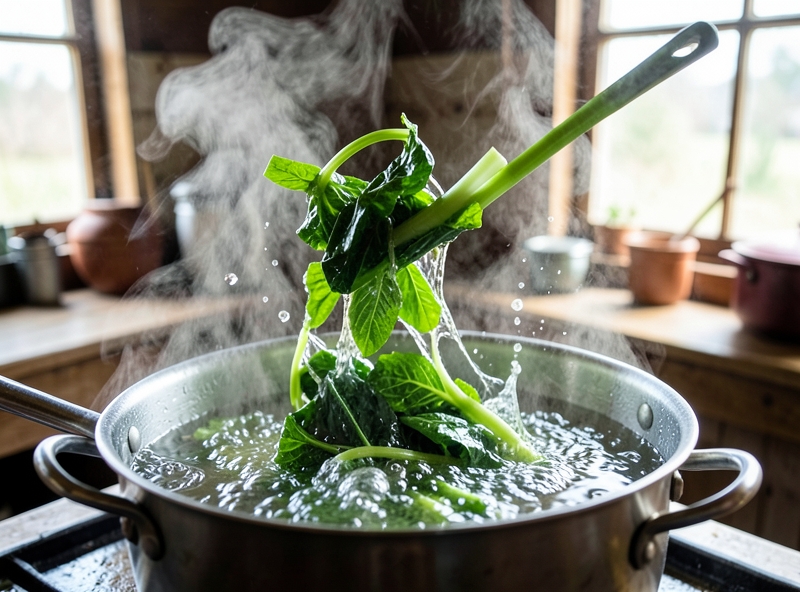
When entering the heating stage, two key factors determine the survival of vitamins: Temperature and Time. Elders always taught that one must wait for the water to boil vigorously before adding vegetables. The sound of singing water is the signal that the temperature is high enough to inactivate the enzymes that break down chlorophyll and vitamins.
- Prioritize high heat: A powerful flame shortens the food's contact time with heat, preventing excessive breakdown of cell structures.
- Cover the lid when necessary: Helps retain nutrients that easily evaporate with steam.
- Limit stirring: Avoid crushing the ingredients, keeping the internal cell sap from escaping.
| Method | Retention Level | Notes from an anthropological perspective |
|---|---|---|
| Quick Boil (High heat) | High | Preserves the crunch and original color of the plants. |
| Steaming | Very High | Absolute respect for the natural structure, does not dilute the flavor. |
| Slow cooking (Low heat for a long time) | Low | Often used in traditional stews to extract nutrients into the broth. |
Understanding how to preserve nutrition is understanding how to love yourself and your family. In every wisp of steam rising from the kitchen, if we master these notes, every meal becomes a healing medicine, a complete gift that we receive from Mother Nature through skillful hands and deep understanding.
5. Frequently Asked Questions (FAQ)
From the perspective of food science and household application, the questions below are not merely about cooking experience but are directly related to nutritional value and optimizing daily cooking processes.
Should I use a microwave to cook vegetables?
From a technological standpoint, the microwave is one of the best appliances for preserving nutrients if used correctly. The principle of rapid heating through water molecules helps vegetables cook in a short time, thereby limiting the breakdown of heat-sensitive vitamins such as Vitamin C and B. However, the biggest drawback is that the texture of the vegetables can become dry or unevenly cooked if they are not covered tightly or if a small amount of water is not added to create steam.
"Cooking vegetables in a microwave with a little water is essentially a high-frequency steaming process, which helps retain a higher amount of minerals compared to the traditional boiling method that loses nutrients into the broth."
Why does water used to boil water spinach turn black?
This is a basic chemical reaction between organic compounds and the environment. Water spinach contains a lot of iron and polyphenol compounds. When cooked in alkaline water (such as tap water containing high levels of calcium carbonate), these compounds oxidize and change color. To fix this, simply add an acidic agent such as lemon juice, dracontomelon, or tamarind. The acid will lower the pH, allowing the anthocyanin pigments to maintain their color or turn light red, making the water clearer and more appealing.
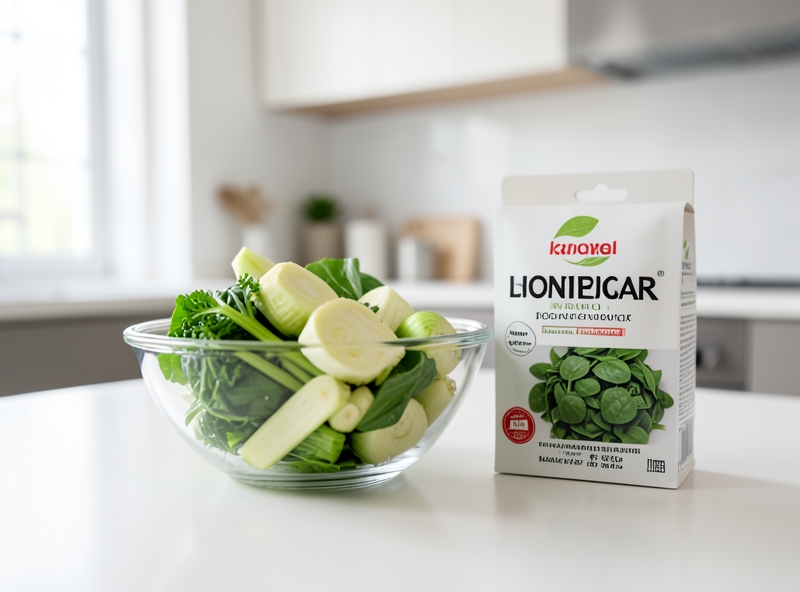
Do frozen vegetables have fewer vitamins than fresh vegetables?
The reality may be contrary to common belief. Fresh vegetables at the supermarket often take 3-7 days for transport and display, during which time natural enzymes significantly reduce the nutritional content. Conversely, frozen vegetables usually undergo "flash-freezing" technology immediately after being harvested at the farm. This process halts oxidation, locking in vitamins and minerals at the point when the vegetables are at their highest quality.
| Criteria | Fresh Vegetables (Stored > 3 days) | Frozen Vegetables (Flash-frozen) |
|---|---|---|
| Vitamin C Content | Decreases over time | Stably preserved |
| Convenience | Requires thorough preparation | Ready to cook immediately |
| Texture After Cooking | Crispy, natural | Softer (due to ice crystals breaking cell structures) |
To achieve the highest practical value, homemakers should not stick rigidly to a single method. Combining a variety of techniques—steaming to retain vitamins, quick stir-frying to enhance the absorption of fat-soluble vitamins (A, D, E, K), and utilizing the microwave for busy days—is a smart strategy. The ultimate goal is to create meals that are not only delicious but also optimize the nutritional resources from food.