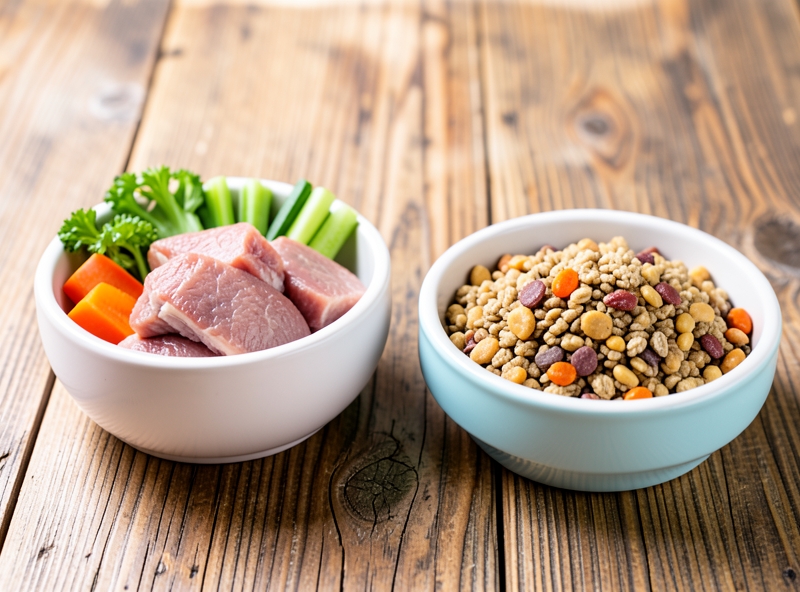
1. Introduction to the Debate: Raw Food or Cooked Food?
In the last decade, the pet care industry has witnessed a significant shift in nutritional thinking, driven by the "pet humanization" trend. Modern pet owners are no longer satisfied with pre-packaged dry foods that offer convenience but lack transparency regarding ingredients. Instead, a wave of searching for original values has led to a heated debate between two main schools of thought: Raw Food and Home-cooked food.
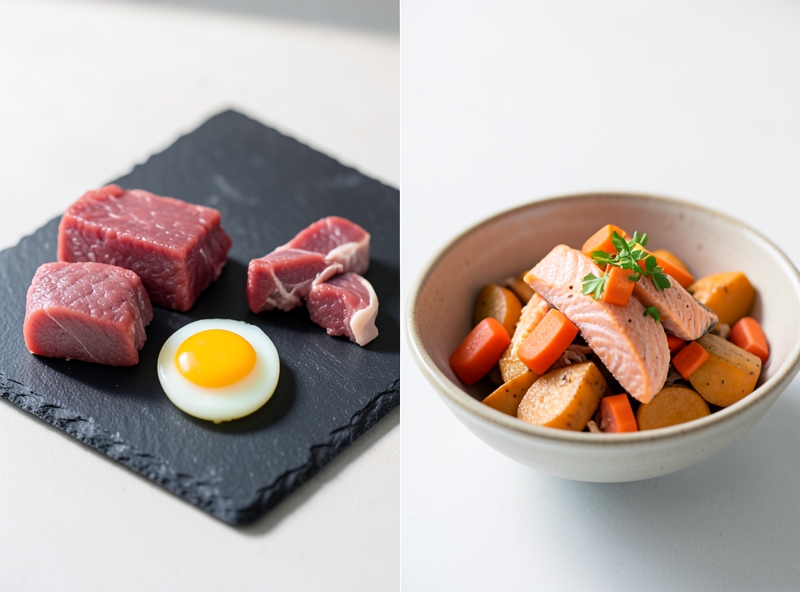
Raw Food, also widely known through the BARF (Biologically Appropriate Raw Food) philosophy, is a diet that mimics the natural predatory habits of animal ancestors. This diet includes muscle meat, bones, organs, and sometimes vegetables and fruits that are completely untreated by heat to preserve heat-sensitive enzymes and micronutrients. In contrast, Home-cooked food is a method that uses heat to cook fresh ingredients, helping to eliminate biological pathogens while improving the digestibility of certain types of starch and fiber.
"The conflict between optimizing the bioavailability of food and ensuring epidemiological safety is at the core of all modern pet nutrition research."
| Characteristics | Raw Food | Home-cooked Food |
|---|---|---|
| Heat Treatment | No (Preserves natural structure) | Yes (Fully cooked or seared) |
| Core Benefits | Preserves enzymes, improves coat and teeth | Disinfection, increases absorption of certain nutrient groups |
| Potential Risks | Salmonella, E. coli infection; mineral imbalance | Loss of some heat-sensitive vitamins (B1, C) |
The goal of this analysis is not to promote or dismiss any particular method. Instead, we provide an objective perspective based on data regarding animal physiology, food safety, and the biological value of nutrients. By breaking down the advantages and limitations of each diet, owners will have a sufficient scientific basis to establish an optimal nutritional roadmap, suitable for the unique health characteristics of their pets and the practical conditions of their families.
2. Raw Food Diet: Natural Benefits and Potential Risks
In the journey of seeking a minimalist and nature-aligned lifestyle for pets, the raw food diet has emerged as a return to primal origins. Instead of relying on pre-packaged foods with complex lists of additives, many choose to nourish their small companions with fresh, raw ingredients. However, behind that simplicity lie puzzles of balance and safety that a smart consumer must understand.
The Raw Food diet focuses on core values from ingredients that have not undergone heat processing. Preserving natural enzymes, vitamins, and minerals helps a pet's digestive system function efficiently according to its true biological mechanism. The most visible results are often seen through their appearance and physical condition:
- Shiny Coat: Natural fat content and undenatured proteins help nourish hair follicles from deep within.
- Oral Hygiene: Chewing raw meat and soft bones helps naturally remove plaque, minimizing tartar buildup.
- Improved Body Odor: When the body doesn't have to process preservatives and artificial flavors, odors from breath and waste are significantly reduced.
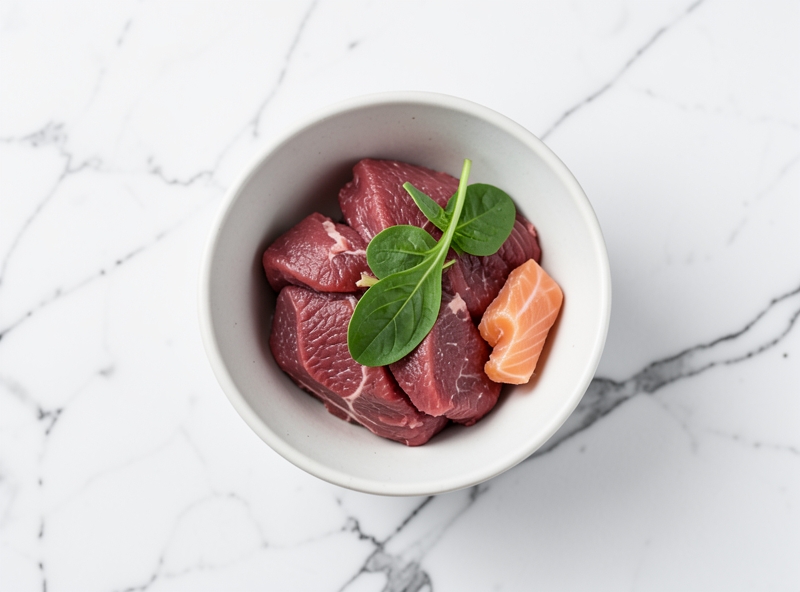
A composed approach to pet care also requires us to look honestly at the risks. Pursuing "nature" in an extreme way without sufficient knowledge can lead to unnecessary consequences for both health and finances.
"Minimalist living does not mean superficial simplification, but a deep understanding of what is truly necessary and safe for life."
The greatest risk comes from cross-contamination. Bacteria such as Salmonella or E. coli can exist in raw meat, threatening not only the pet but also the human living environment. Furthermore, preparing meals at home without mastering the formula can easily lead to nutritional imbalances—a silent but persistent waste of health.
| Aspect | Benefits of Raw Food | Potential Risks |
|---|---|---|
| Nutrition | Preserves full natural enzymes and vitamins. | Prone to calcium or micronutrient deficiencies if the formula is incorrect. |
| Safety | Fewer preservatives and industrial additives. | High risk of bacterial infection and parasites. |
| Mechanical | Stimulates chewing instincts, cleans teeth. | Raw bones can cause tooth damage or intestinal blockage. |
A frequently overlooked physical risk is the use of raw bones in the portion. While they have the ability to clean teeth, sharp or overly hard bone fragments can cause gum injury, chip teeth, or more seriously, cause blockages or perforated intestines. Requiring medical intervention in these cases not only causes pain for the pet but also goes against the criteria of smart and economical consumption we strive for.
Choosing Raw Food requires thorough preparation in terms of knowledge and reliable ingredient sourcing. If you cannot guarantee absolute safety, choosing gentle processing methods or quality-controlled commercial raw food will be a balanced solution, bringing peace of mind to the caregiver.
3. Cooked Food: Maximum Safety and Nutritional Control
A home-cooked diet represents a scientific approach to pet nutrition management, situated between raw food and commercial industrial products. This method prioritizes the use of heat to denature proteins and starches, creating a safe and easily absorbable energy source.
The core advantage of cooked food lies in the thermal sterilization mechanism. When the heating process reaches the necessary threshold, it completely eliminates common pathogens such as Salmonella, E. coli, Campylobacter, and parasites that often reside in raw meat. This is particularly important for pets with weakened immune systems or those living in households with young children and the elderly.
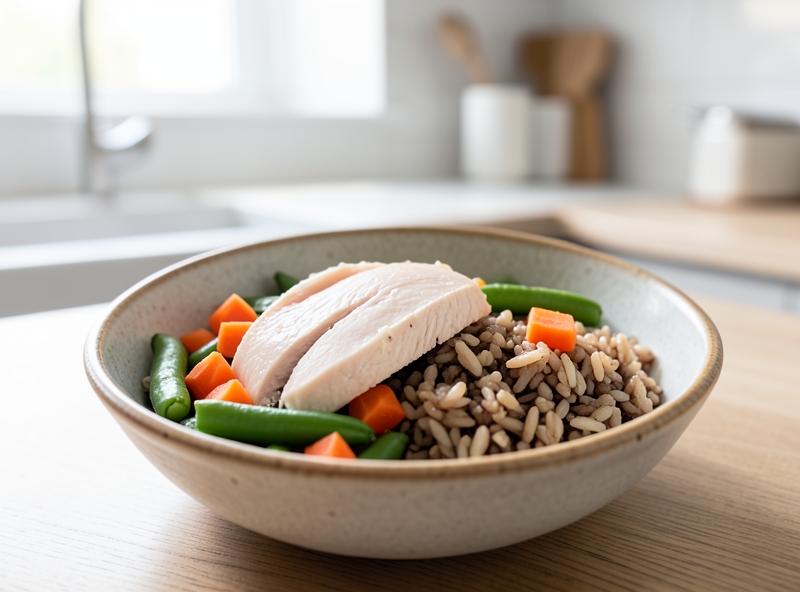
For complex pathological cases, cooked food allows veterinarians and owners to intervene deeply in nutritional component ratios. This customization capability provides clear clinical benefits:
- Kidney Disease: Precisely control phosphorus levels and high-quality protein content to reduce the workload on the kidneys.
- Liver Disease: Adjust easily digestible protein sources and limit copper accumulation.
- Food Allergies: Completely eliminate additives and preservatives, making it easy to implement an elimination diet with novel protein sources.
- Sensitive Digestive System: The cooking process softens muscle fibers and breaks down starch structures, helping pets minimize bloating, indigestion, or chronic diarrhea.
"Temperature control is not only a biosafety measure but also a tool to adjust nutrient bioavailability, allowing for the construction of personalized nutritional pathways based on the specific physiological status of each individual."
| Analysis Index | Cooked Food | Raw Food |
|---|---|---|
| Microbiological Safety | Very High (Due to heat treatment) | Potential Risk (Bacteria, parasites) |
| Digestibility | Easy for most pets | Requires a healthy digestive system |
| Pathological Flexibility | Optimal (Easy to modify recipes) | Limited in certain pathological cases |
| Vitamin Preservation | Partial loss due to heat | Fully preserved |
However, empirical analysis also points out certain barriers to this method. Processing at high temperatures can lead to the loss of heat-sensitive vitamins, particularly B-group vitamins (such as Thiamine) and Vitamin C. Nutrient loss through broth is also a factor that needs to be calculated for micronutrient supplementation after cooking.
In addition, the greatest challenge for owners is the time consumption and the requirement for specialized knowledge. Maintaining a daily cooked diet requires a rigorous preparation process from selecting ingredients and measuring calorie ratios to manual processing. If not calculated based on specialized nutritional software, pets run the risk of facing an imbalance in the Calcium:Phosphorus ratio or long-term deficiencies in essential amino acids.
4. Comparing the Impact on the Digestive System and Long-term Canine Health
Forget the "sweet as honey" advertisements about perfectly balanced kibble bags or "natural-born" raw meat platters. In reality, your dog's digestive system doesn't care about pretty packaging; it only cares about whether enzymes can break down those protein chains. When weighed on a scale, the difference between processed food and raw food lies not just in the price tag, but in how they "ravage" or "nourish" the gut over the long term.
| Comparison Criteria | Raw Food Diet | Kibble Diet |
|---|---|---|
| Protein Absorption | Very high. Protein from real meat is easily broken down by enzymes. | Medium to low. Protein is often denatured by high temperatures and mixed with by-products. |
| Stool Characteristics | Small, firm, low odor, decomposes easily (a sign of absorbing almost all nutrients). | Large volume, pungent odor, soft (due to high amounts of fillers and undigested starch). |
| Immune System Impact | Stimulates natural enzymes, but carries a risk of bacterial infection if the meat source is not clean. | Stable but prone to chronic inflammation due to high carbohydrate and preservative content. |
If you are patient enough to "scrutinize" your pet's waste every day, you will see a harsh truth: Dogs on a raw diet often leave behind tiny, quick-drying "products." Why? Because their bodies have maximized the use of biological protein. Conversely, the massive piles of poop from kibble-fed dogs are actually evidence that the digestive system is working overtime to expel a mountain of useless grains, fillers, and fiber. Don't assume large stools mean health; it's a sign of wasting money on things the dog cannot digest.
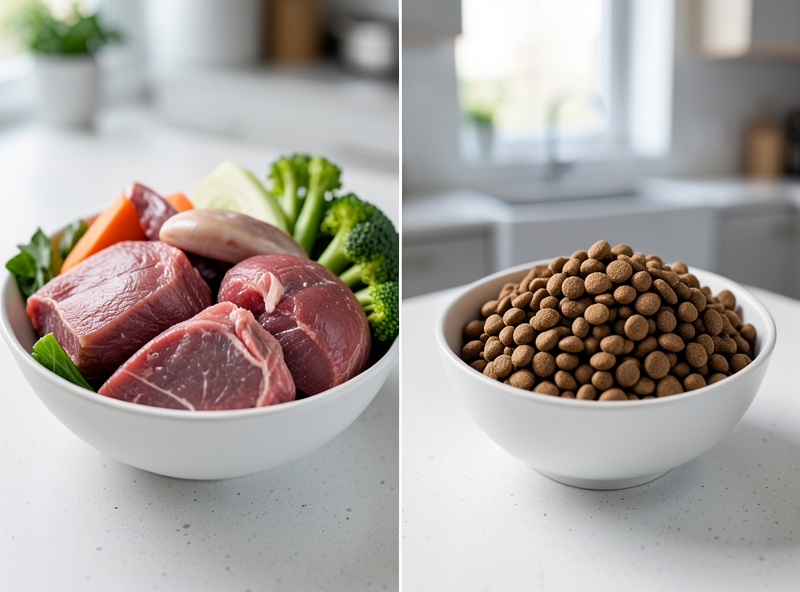
From a modern veterinary perspective, no one dares to claim that eating raw will help a dog live 10 years longer, but they agree that a healthy digestive system is the foundation of the immune system. Fresh food provides live enzymes that the heat of kibble ovens has completely destroyed. However, this "naturalness" comes at a price: the risk of Salmonella or E. coli infection if owners are negligent and trust uncontrolled, cheap meat from the market.
"A dog's digestive system is a sophisticated biological machine, not a trash can for every type of processed food, nor is it an iron grinder that can resist all types of bacteria from spoiled meat."
Finally, be alert enough to realize that there is no "golden formula" applicable to every dog breed. Don't force a Pug with poor respiratory health and a sedentary lifestyle to eat an ultra-high protein diet like a working Malinois. Forcing a "trendy" diet on an unsuitable individual only demonstrates the owner's lack of understanding. Your pet's long-term health doesn't come from choosing a side in the Raw vs. Kibble war, but from understanding how your dog's body reacts to the bowl of food you provide every day.
5. Criteria for Choosing the Right Diet for Your Pet
In the journey of pet care, food selection is often influenced by flashy advertising campaigns. However, a smart consumer will look through the vibrant packaging to focus on the core value: the compatibility between nutritional sources and the biological reality of the pet. A good diet does not necessarily have to be the most expensive, but rather the "sufficient" diet that is most appropriate for each stage of life.
To establish a scientific menu, avoid waste, and ensure long-term health, owners need to evaluate based on the following four basic pillars:
- Age (Biological Life Cycle): Energy needs change significantly over time. Puppies and kittens require high protein and fat content to develop their skeletal structure and muscles. Conversely, senior pets need a diet low in calories but rich in fiber and joint-supporting compounds to avoid obesity and reduce the load on a slowing digestive system.
- Current Health Status: Observe your pet's body as a living entity in need of balance. Individuals with underlying medical conditions related to the kidneys, liver, or skin allergies require specialized functional food lines. Persisting with a regular diet when a pet shows signs of instability is a waste of the animal's recovery time.
- Activity Level: A dog that frequently jogs with its owner will have a completely different calorie requirement than a cat that only lounges around an apartment. Providing energy exceeding actual consumption does not bring prosperity; it only places a burden on the cardiovascular system and joints.
- Financial Capability and Owner's Time: Sustainability is key. You should not choose a food that is too expensive beyond your long-term affordability, nor should you choose raw food/home-cooked meals if you do not have enough time to prepare them properly. A smart choice is the intersection of food quality and the stability of your lifestyle.
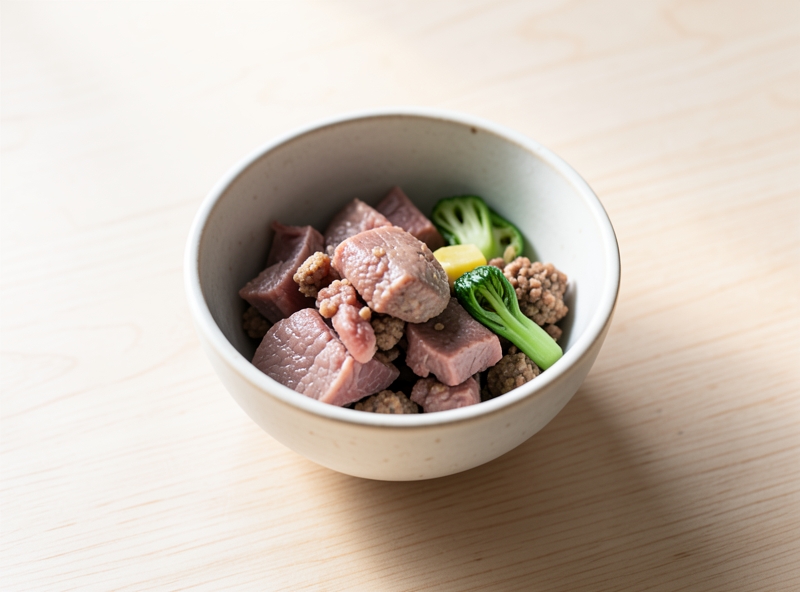
Below is a reference table to help you have an overview of nutritional resource allocation:
| Stage/Characteristic | Nutritional Priority | Consumer Note |
|---|---|---|
| Growing pets | DHA, Protein, Calcium | Invest in reputable brands with AAFCO certification. |
| Sedentary pets | Fiber, L-Carnitine | Strictly control portions, avoid excessive treats. |
| Pets with medical conditions | Prescription Diet | Do not change the menu without a doctor's opinion. |
"Kindness in pet rearing does not lie in providing the most luxurious things, but in understanding and accurately meeting what the pet's body truly needs to maintain a state of peace and health."
Finally, keep a flexible mindset. A pet's body is a constantly changing living system. Combining dry kibble (convenient, well-preserved) and wet food or fresh food (providing moisture, natural flavor) is an optimal approach. However, every change — even the smallest — should be implemented gradually and under the supervision of a veterinary expert to ensure your little friend's digestive system is not shocked by sudden alterations.
6. Frequently Asked Questions (FAQ)
Embarking on the journey of a professional pet parent, you'll surely have a million questions about your "bosses'" eating habits. Don't worry, here are some "fire" answers to help you confidently care for your pet with a modern vibe.
Should I mix Raw food and cooked food in the same meal?
The short answer is: You should NOT "mix & match" like this. Raw food and cooked food have completely different digestion rates. Mixing them can easily cause your boss's digestive system to get "out of rhythm," leading to bloating or indigestion. If you want your boss to experience both, divide them into separate meals throughout the day so their gut stays "chill."
| Phase | Kibble Ratio | Fresh Food Ratio | Goal |
|---|---|---|---|
| Days 1-2 | 75% | 25% | Getting used to new flavors |
| Days 3-4 | 50% | 50% | Testing tummy reactions |
| Days 5-6 | 25% | 75% | Ready for the "revolution" |
| Day 7 | 0% | 100% | Official successful "diet switch"! |
How do I safely transition from kibble to fresh food?
Never change the menu "all at once" in a heartbeat, or your boss will get... digestive shock. The golden rule is the 7-day roadmap as shown in the table above. Observe your boss's stool; if the "output" remains stable, proceed with confidence. This is a "glow-up" process for your pet's health, so it requires extreme patience from your side.
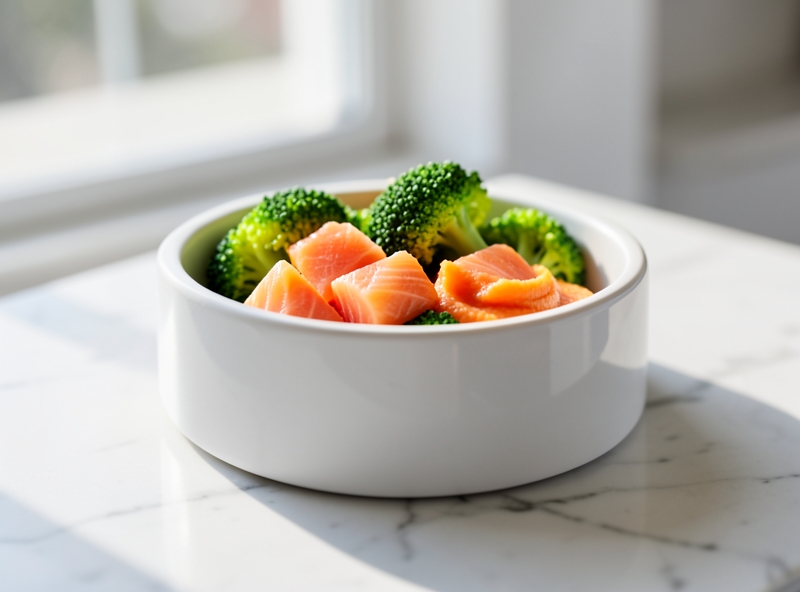
What supplements are needed when feeding dogs cooked food?
When you go into the kitchen yourself to "unboxing" meats and vegetables to cook for your boss, the temperature can cause the loss of some important micronutrients. For a cooked menu to be truly perfect, you need to pay attention to these "toppings":
- Calcium: This is a "lifesaver" because lean meat is often very deficient in calcium. You can use eggshell powder or specialized calcium supplements.
- Omega-3 (Fish Oil): Helps your boss's coat stay shiny and sleek, maintaining that "luxury" vibe when walking down the street.
- Taurine: Especially important if you have a cat or certain dog breeds prone to heart issues.
- Multivitamins: Ensures your boss doesn't lose steam in the growth race.
"Pet care is not just about feeding; it's a lifestyle. A personalized nutrition plan is the most practical way to 'flex' your love for your four-legged friend."
Remember, every boss is a unique individual with a different constitution. Don't be afraid to experiment and adjust to find the "perfect match" formula, helping your boss not only stay healthy but also remain full of positive energy!