1. The Intersection of Feng Shui and Modern Work Productivity
Have you ever wondered why you feel exhausted after just 2 hours in a luxury office, yet can be endlessly creative in a small coffee shop? The answer lies not in personal effort, but in the energy frequency of the colors surrounding you. In the era of high performance, color is no longer a mere decorative element; they are "psychological switches" that directly control the brain's circadian rhythms and focus capabilities.
Modern Feng Shui has shed its mystical cloak to reveal itself as a precise environmental science. The intersection between the Five Elements theory (Metal, Wood, Water, Fire, Earth) and behavioral psychology creates a filter that optimizes the workspace. Applying Feng Shui colors is how you "hack" your nervous system, turning pressure into motivation and transforming a static space into a powerful entity supporting your career path.
Each element in the Five Elements represents a distinct performance state. If you are stuck in finding solutions, perhaps you lack the Water element (flexibility). If the team lacks enthusiasm, it is a sign of declining Fire energy. Understanding this interaction helps managers and HR professionals redesign destiny through the color palette:
- Metal Element (White, Metallic): Represents logic, sharpness, and discipline. Suitable for finance and auditing departments that require absolute precision.
- Wood Element (Green, Brown): Stimulates growth, creativity, and a sense of security. This is the "remedy" for high-stress work environments.
- Water Element (Blue, Black): A symbol of depth, communication, and information flow. Helps soothe pressure and expand diplomatic capabilities.
- Fire Element (Red, Orange, Purple): An explosive source of energy, promoting determination and decisiveness. However, it should be used as an accent to avoid causing conflict.
- Earth Element (Yellow, Earthy Brown): Creates stability, reliability, and a solid foundation for any long-term project.
"A work environment is not just a place to hold people; it is a living entity. When colors harmonize with one's destiny and the nature of the work, you no longer have to strain for success – success will find its way to you as an inevitable consequence of balance."
| Real-world Pain Points | Impact of Color Feng Shui | Transformation Results |
|---|---|---|
| Loss of focus, constant distraction | Add Metal element to shape thinking | 40% increase in processing speed |
| Stress, running out of new ideas | Enhance Wood and Water elements | Ignite breakthrough creativity |
| Internal conflict, lack of cohesion | Regulate with Earth element to create connection | Build a harmonious working environment |
Do not underestimate a green wall or an earthy brown leather chair. In the fierce race of the knowledge economy, those who possess a Feng Shui-compliant workspace are those holding a hidden competitive advantage. It is the perfect intersection where spiritual belief meets scientific productivity metrics, creating a solid foundation for every career leap.
2. Decoding the color map according to the five elements for each destiny
You are living in a world of frequency vibrations, where color is not just for looking but is an energy genetic code that directly affects the subconscious. Choosing the wrong color is like intentionally swimming against a waterfall; choosing the right one will activate the "Flow" state – where every decision becomes sharp and opportunities find their way to your door.
| Destiny | Representative Color | Psychological Frequency | Activated Ability |
|---|---|---|---|
| Metal Element | White, gray, silver | Cleanliness, purity, order | Decisiveness, discipline |
| Wood Element | Green | Growth, harmony | Creative thinking, innovation |
| Water Element | Blue, black | Depth, flexibility | Perseverance, empathy |
| Fire Element | Red, orange, purple | Enthusiasm, explosion | Speed, leadership power |
| Earth Element | Yellow, brown | Solidity, reliability | Stability, foundation |
Each destiny possesses a unique "color code." By understanding how they operate, you are not only beautifying your living space but also reconfiguring the operating system of your own brain.
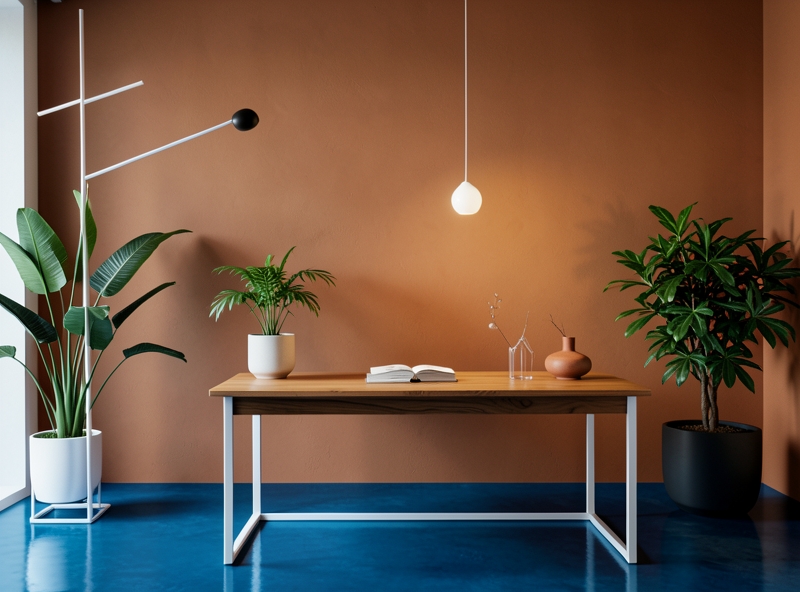
Metal Element (White, gray, silver): These are the shades of minimalism and precision. White is not merely emptiness; it is a symbol of absolute focus. In Feng Shui, this color system helps eliminate disturbances in thought, supporting the owner in making strategic and decisive decisions. If you are facing stagnation or loss of direction, a space with Metal tones will help "sharpen" your logical thinking.
Wood Element (Green): Represents the power of life and the ability to grow. Green directly affects the nervous system, helping to reduce stress and unlock creative thinking. People of the Wood element, when surrounded by green hues, tend to be more flexible in communication and ready to adapt to the harshest changes in the business environment.
Water Element (Blue, black): Water represents deep wisdom and infinite endurance. Black and blue do not cause a feeling of depression if used correctly; on the contrary, they create a space for contemplation and perseverance. Water tones help soothe hot heads, transforming impulsiveness into a powerful stillness.
"Color is not just an outer layer, it is the language of energy. The person who masters the color map is the person who masters their own destiny."
Fire Element (Red, orange, purple): The colors of power and transformation. Red stimulates the heart rate, creating excitement and prompting immediate action. This is the color group for those who need to defeat laziness and desire to affirm a leading position. However, the secret lies in moderation so as not to turn enthusiasm into destruction.
Earth Element (Yellow, brown): If you are looking for peace of mind and sustainability, the Earth system is the answer. The brown of the earth and the yellow of the sand create a sense of reliability and foundation. Earth tones help strengthen faith, creating steadfastness before storms, helping the owner build long-term and legacy values.
- Creativity: Prioritize Wood and Fire to stimulate neurons.
- Decisiveness: Use Metal to create boundaries and clarity.
- Perseverance: Use Water and Earth to create depth and solidity.
Do not consider color as a random preference. Consider it an investment strategy. When you wear a shirt of the right destiny color or paint a wall in the right position, you are sending a powerful signal to the universe about being ready to receive prosperity and balance.
3. The Art of Coordinating Wall Paint and Interior According to the Generative Cycle
The biggest mistake most homeowners make is choosing paint colors based on temporary preferences or "copy-pasting" someone else's color palette into their own living space. Have you ever walked into a beautiful room but felt anxious, suffocated, or energetically drained without knowing why? This is the conflict between the elements in the Five Elements system. The art of color coordination is not just an aesthetic puzzle; it is a puzzle of energy flow (Chi).
The "Generative" (Mutual Creation) rule is the key to transforming your home into a sustainable energy "charging station." When you use a color that acts as the "mother" (generative) to nurture the "child" (the main color), the space automatically creates resonance, boosting the health and career of the homeowner.
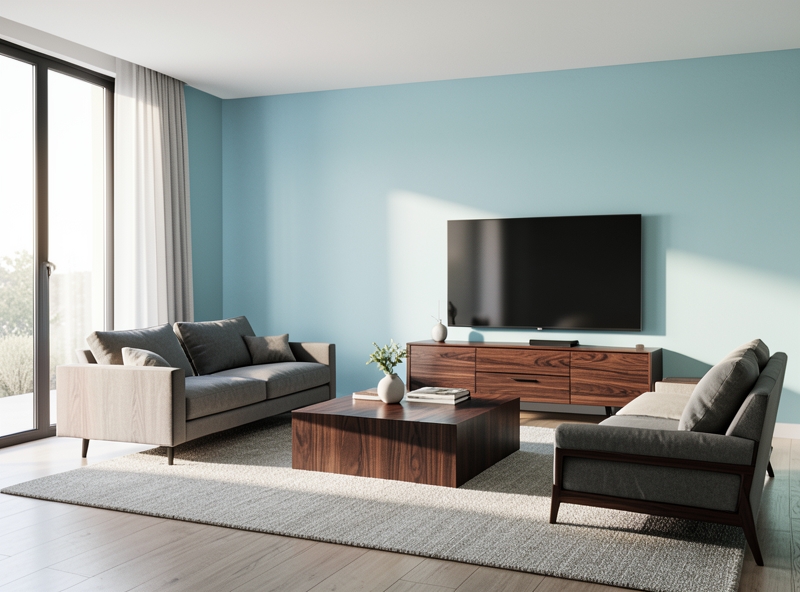
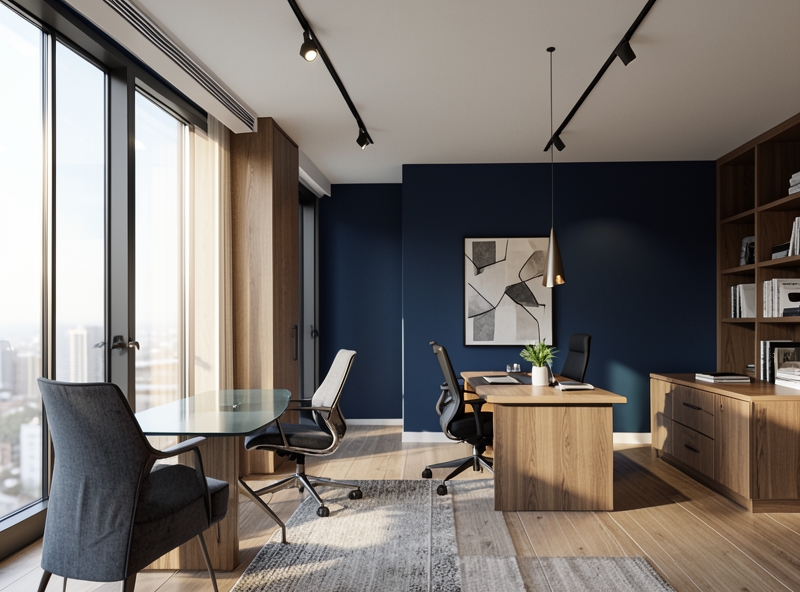
Look at a classic example: Water generates Wood. If you choose light blue or off-white blue (Water element) for your wall paint, prioritize natural wood furniture, wooden floors, or items with brown or green tones (Wood element). Here, "Water" acts as the source of nutrition, nourishing "Wood" to grow. This combination brings a sense of vitality, making it extremely suitable for offices or children's rooms – places that require focus and intellectual growth.
To achieve an absolute balance between modern aesthetics and in-depth Feng Shui, master architects always apply the 60-30-10 golden ratio rule:
- 60% Primary Color (Level 1): Usually reserved for walls and floors. This is the color that establishes the energy "foundation" for the entire room.
- 30% Secondary Color (Level 2): Used for large furniture such as sofas, cabinets, and curtains. This must be a color that is generative to the primary color to activate the flow of positive energy.
- 10% Accent Color (Level 3): Reserved for small decorative items, throw pillows, and artwork. These are visual "touchpoints" where you can use contrasting colors or the homeowner's personal destiny color to create a breakthrough.
| Generative Pair | Wall Color (60%) | Interior Color (30%) | Feng Shui Benefits |
|---|---|---|---|
| Metal generates Water | White, Light Gray, Metallic | Blue, Quartz Black | Enhances mental clarity, attracts new opportunities. |
| Wood generates Fire | Green, Lime Green | Wine Red, Earthy Orange, Lavender Purple | Stimulates passion, creativity, and personal reputation. |
| Fire generates Earth | Light Pink, Coral Orange | Earthy Yellow, Deep Brown, Beige | Creates stability, strengthens family emotional bonds. |
| Earth generates Metal | Creamy Yellow, Light Brown | Porcelain White, Chrome, Silver | Consolidates finances, protects the fruits of labor. |
"Don't try to cram in too many destiny colors. The most powerful Feng Shui space is one that achieves visual stillness and the rhythmic circulation of the elements."
Applying the 60-30-10 rule helps you avoid color "overload" – a serious Feng Shui error that causes energy dissipation. When color patches are distributed in the correct proportions according to generative logic, the house is no longer just soulless concrete blocks, but becomes a living entity that provides maximum support for the occupant's fortune.
4. Activating Mindset and Career Path Through Functional Zones
Don't wonder why you exert double the effort yet your career path remains stagnant. The biggest mistake most people make is turning the workplace into an inanimate "storage room" instead of transforming it into an energy matrix that resonates with career goals. Every square meter within a functional space possesses its own "frequency." If you don't know how to use color to activate it, you are personally blocking the flow of creativity and power.
The Desk: Establishing Position with the Earth Element
This is the "headquarters" that determines the stability of the seat you occupy. To maintain a steady mindset amidst all office politics storms, prioritize colors belonging to the Earth element such as sand yellow, earthy brown, or cream. These shades not only create a sense of security but also help the brain concentrate deeply, eliminating distracting thoughts. A dark brown decorative item behind your back will act as a "mountain support," helping you make decisive and strategic decisions.
The Creative Corner: Initiating Breakthroughs with the Wood Element
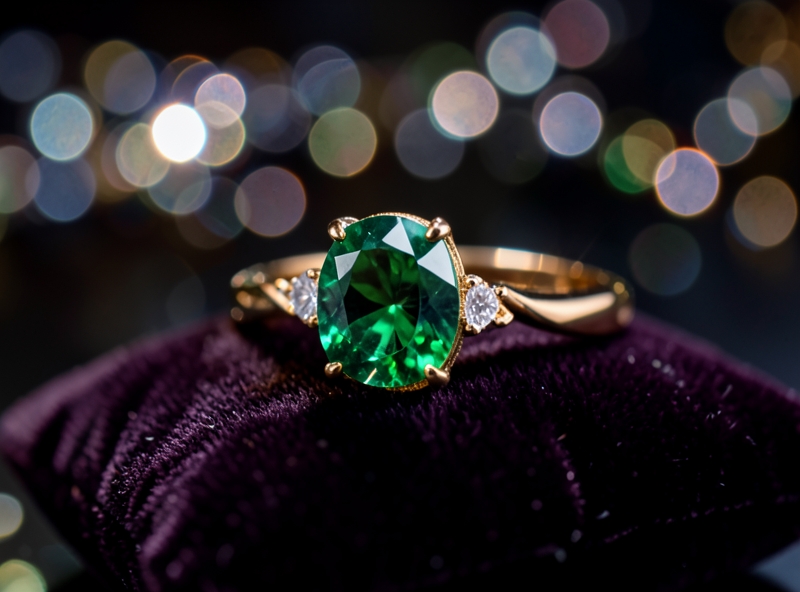
If your work requires "out of the box" ideas, never allow yourself to be surrounded by cold, stark white walls. Green or light blue (Wood element) is the genetic code for growth. Green hues help cool down stress, expand thinking latitude, and stimulate neurons to connect more strongly. With just a soft green wall section or emerald accessories, you will find that million-dollar ideas are no longer out of reach.
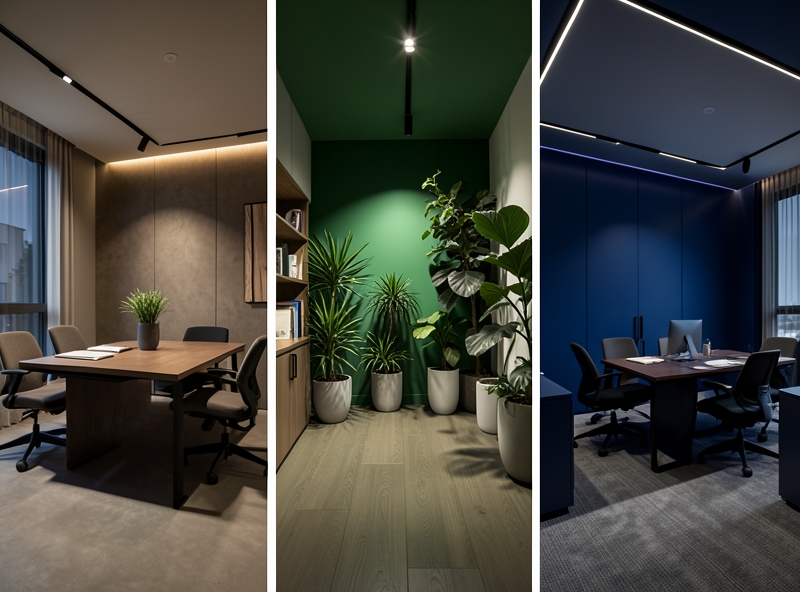
The Meeting Room: The Art of Negotiation through the Water Element
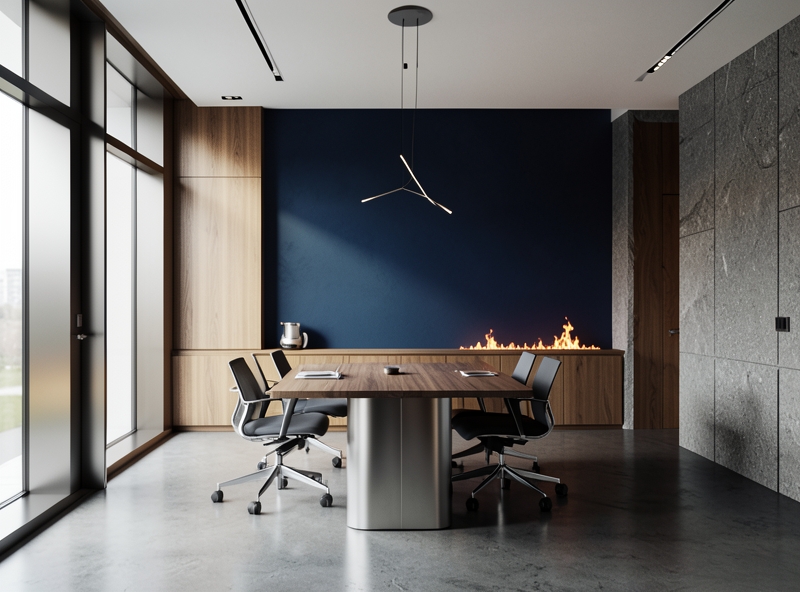
The meeting room is a place for intersection, negotiation, and closing deals. To keep the flow of information moving smoothly, introduce the Water element into this space through deep sea blue or mysterious black details. The color of water helps cool hot tempers, creating a flexible atmosphere where it is easy to find common ground between parties. In particular, reflective elements or glass materials in this area will amplify communication abilities, helping your words carry absolute weight and persuasiveness.
"Color is not just for looking; it is a form of visual food. Choosing the wrong color means you are starving your own cognitive capacity."
| Area | Corresponding Element | Dominant Colors | Promotion Value |
|---|---|---|---|
| Desk | Earth | Brown, Yellow, Cream | Stability, focus, authority |
| Creative Corner | Wood | Green, Light Blue | New ideas, growth, innovation |
| Meeting Room | Water | Navy Blue, Black | Connection, negotiation, fluidity |
Neutralizing the "Death Points" of Narrow and Dimly Lit Spaces
The pain for many is having to work in dark corners or modest areas – where energy easily stagnates (stagnant Qi). To break this deadlock, use the rule of maximum contrast. Weak light needs to be compensated with colors belonging to the Metal element (white, silver, metallic) so the space itself "glows" and expands the sense of area. If low ceilings create pressure, paint the ceiling the brightest white possible compared to the surrounding walls to "push" the air flow upward, releasing invisible pressure on the leader's shoulders.
Do not underestimate a dingy gray wall or a neglected dark corner. Those are the energy black holes silently devouring your enthusiasm every day. Changing the hue today is the fastest way for you to restructure your own career destiny.
5. Essential Precautions to Avoid Disrupting Energy Flow
Many people mistakenly believe that simply choosing colors that match their destiny is enough, but in reality, color coordination conflicts are the "silent killers" that break all efforts to attract wealth and luck. When you accidentally place opposing poles next to each other or use incorrect shades, the flow of energy in the space does not just stop—it becomes distorted, causing direct consequences to the homeowner's psychology and fortune.
The most common mistake is overusing conflicting colors within the same functional area. Imagine a living room using vibrant red tones (Fire) as the dominant theme but featuring too many metal, white, or gray items (Metal). According to the Five Elements, "Fire melts Metal." The excessive presence of these two elements creates a fiercely antagonistic energy field, making occupants prone to irritability, loss of control, and frequent unfounded arguments.
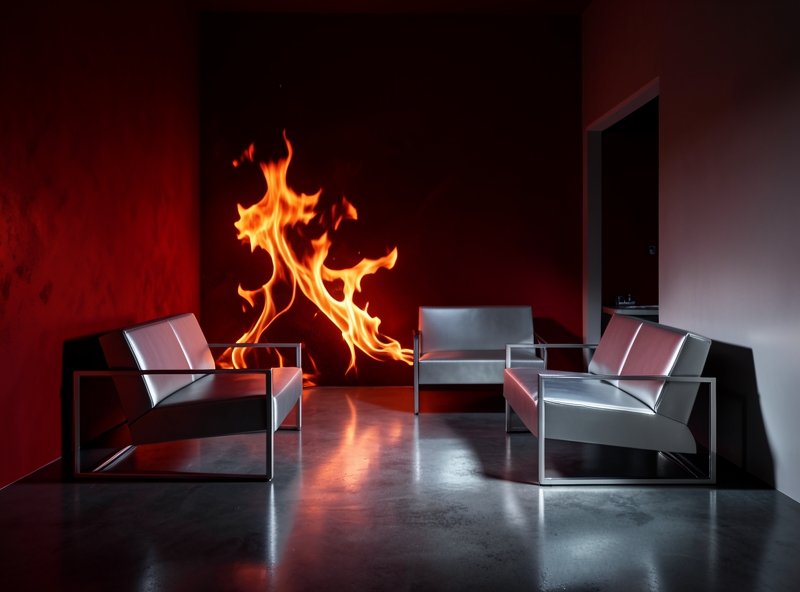
Besides conflict, intensity (saturation) is also a challenge where many homeowners fail. Color is not just visual; it is energy vibration:
- Overusing High Saturation colors: Large areas of deep red, dark purple, or black-blue walls create heavy psychological pressure. This overstimulates the nervous system, leading to chronic stress, insomnia, and a constant sense of insecurity.
- Overusing Low Saturation colors: Conversely, a space that is too monotonous with "dead" tones like dull gray or pale white without highlights creates a stagnant energy field. It causes people to lose creative motivation, feeling constantly tired, sluggish, and lacking vitality in their work.
"Feng shui is not about stuffing in lucky colors, but about the art of coordination so that the energy flow is never blocked."
| Design Error | Negative Impact | Balancing Solution |
|---|---|---|
| Fire conflicts with Metal (Red paired with White) | Causes conflict, drains financial resources and looks. | Add the Earth element (Sand yellow, brown) to transform. |
| Water conflicts with Fire (Sea blue paired with Orange) | Extinguishes enthusiasm and willpower. | Add the Wood element (Green) to create a generative cycle. |
| Colors that are too dark | Accumulates negative energy, causing depression. | Supplement with natural light and warm accent colors. |
Don't turn your home or office into a "battleground" of clashing colors. A space with disrupted energy will cause wealth to turn away as soon as it reaches the doorstep. Remember: Balance is the key, unity is the strength. Restraining overly harsh colors and adding neutral tones as "conductors" will help the energy flow smoothly, providing maximum support for your health and career.
6. Conclusion
Colors in office feng shui are not merely layers of decorative paint or an external shell. They are energy frequencies capable of directly impacting intellectual clarity, decision-making abilities, and the financial resilience of a business. When you understand how the Five Elements—Metal, Wood, Water, Fire, and Earth—operate, you are no longer working in a soulless box, but resonating with an ecosystem that powerfully supports every career ambition.
In reality, many people fall into the trap of extremes: either adhering too rigidly to feng shui rules and losing their personal aesthetic sense, or overindulging their preferences and inadvertently creating energy conflicts (Clashes). This mistake leads to a state of "circuit blockage": work continues to flow, but a lingering sense of fatigue persists, ideas become stagnant, and potential opportunities continuously slip away.
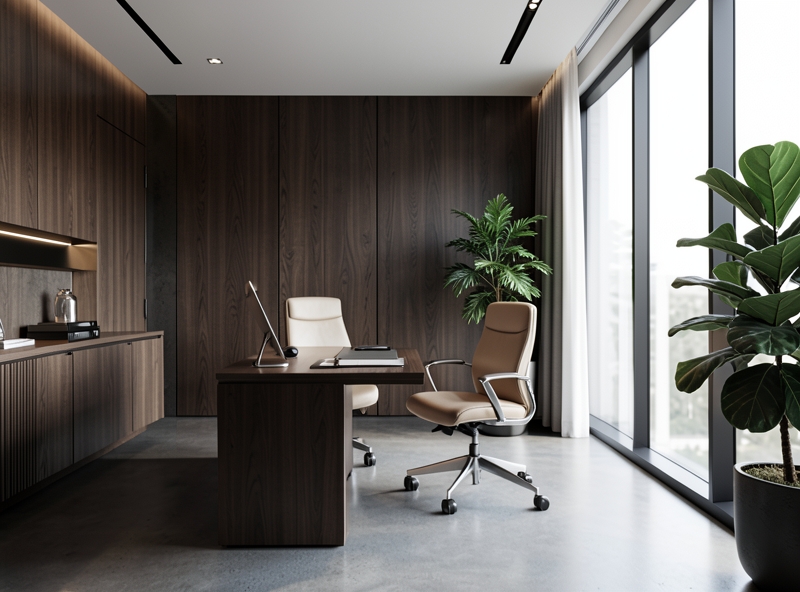
An ideal workspace must be a symphony of three key factors:
- Personal Preferences: Creating a sense of belonging and maximum comfort to activate natural inspiration.
- Professional Aesthetics: Asserting status and branding while building trust with partners from the very first glance.
- Feng Shui Principles: Regulating the flow of Qi, neutralizing negative energy sources, and "pumping" additional prosperity into strategic positions.
"Don't turn your office into a soulless furniture showroom or a mysterious ritual space. Turn it into a magnet for success by balancing visual appeal with the flow of energy."
| Influencing Factor | Core Benefit | Importance to Career |
|---|---|---|
| Generating Colors (Tương Sinh) | Activates luck, attracts influential mentors | Increases promotion opportunities and contract signings |
| Harmonious Colors (Tương Hợp) | Maintains stability, minimizes risks | Builds a sustainable business foundation |
| Yin-Yang Balance | Reduces stress, enhances focus | Protects long-term mental and physical health |
Applying feng shui colors is a low-cost but high-return investment. Instead of changing the entire architecture, sometimes just changing the color of an accent wall, reselecting curtains, or placing a feng shui item with the right shade is enough to shift the situation. Start with the smallest changes today to create momentum for a solid, prosperous, and ever-expanding career path.