1. Overview of Slow Cooking and Modern Nutritional Trends
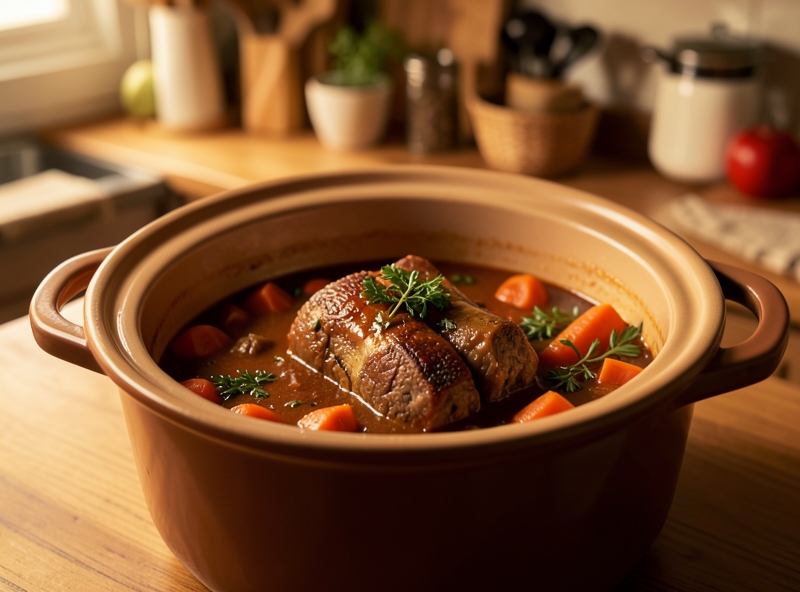
The culinary world is surrounded by advertisements for "slow cooking" as a kind of flavor-reviving miracle. In reality, let's set aside the fancy terminology: slow cooking is simply a technique of maintaining a low temperature (usually between 70°C and 90°C) for an extended period, rather than forcing food to cook with high flames or high pressure. If you think just throwing everything into a pot and going to sleep will result in a delicious dish, that is naive. The core value of this method lies in chemical patience, where tough connective tissues in meat are transformed into soft gelatin without completely destroying the cellular structure.
| Criteria | High-Temperature Cooking (Traditional) | Slow Cooking Method |
|---|---|---|
| Applied Temperature | 100°C - 200°C+ (Causes rapid protein denaturation) | 70°C - 95°C (Slow transformation, preserves structure) |
| Vitamin Retention | Significant loss of water-soluble vitamins (B, C) | Optimizes retention of micronutrients |
| Flavor | Overpowered by spices and searing effects | Natural flavors permeate deeply from within |
Skepticism about "cooking so long that nothing is left" often comes from those who confuse slow cooking with overcooking until food is mushy. In modern nutrition, the primary concern is not just what you eat, but "what the temperature has done to your food." When cooking at high temperatures, toxic compounds like AGEs (Advanced Glycation End-products) are easily formed, promoting aging and inflammation. Slow cooking eliminates this risk by keeping the temperature below the boiling point of many oils and natural sugars.
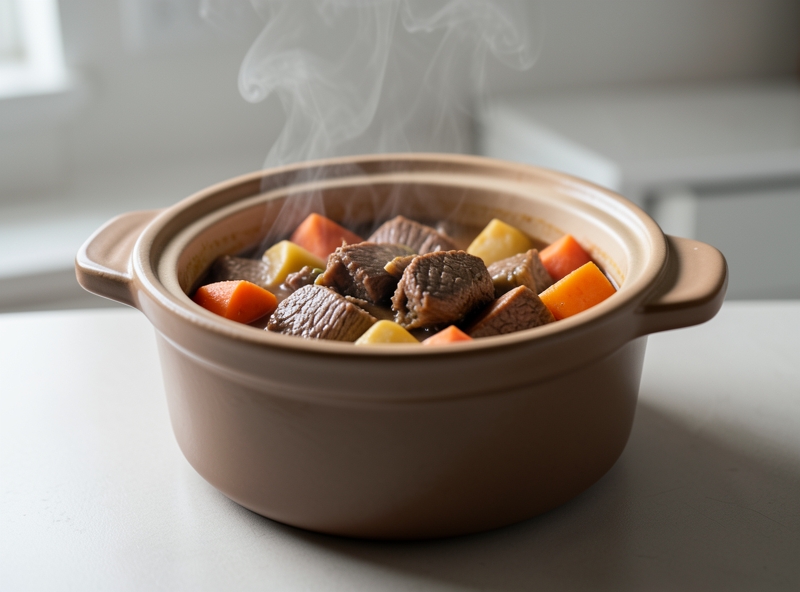
"The essence of slow cooking is not the laziness of the chef, but respect for time and the chemical bonds within the ingredients."
Health experts favor this method not because it is a social media trend, but because of its ability to extract maximum minerals from bones and food tissues into the broth. For pragmatists, slow cooking is an economical solution: it turns cheap, tough cuts of meat into melt-in-your-mouth steaks. However, do not be disillusioned; this method requires strict temperature control and knowledge of microbiology to prevent food from spending too much time in the bacterial "danger zone." In conclusion, if you have enough patience and understanding, slow cooking is an insurance policy for both your palate and your immune system.
2. Protein Structure Preservation Mechanisms and Food Tenderness
In the philosophy of sustainable culinary arts, understanding the structure of ingredients is the first step in showing respect for the food sources that nature provides. When we apply heat to food, protein fibers begin to change. At high and sudden temperatures, these fibers contract sharply, pushing water out, causing the structure to become dry and tough, and breaking precious bonds. Conversely, the low-temperature slow cooking method allows a miraculous transformation process to occur: the conversion of collagen into gelatin.
Collagen is essentially durable connective tissue fibers wrapped around muscle bundles. When exposed to a steady temperature in the range of 60-70°C for a long period, the collagen triple helices gradually loosen and melt into gelatin. Gelatin not only creates a smooth, "melt-in-your-mouth" sensation but also acts as a natural moisture-retaining film, preventing water loss from within the cells. This is a gentle approach, helping us utilize parts of food otherwise considered "tough" or "secondary," thereby reducing food waste in the supply chain.
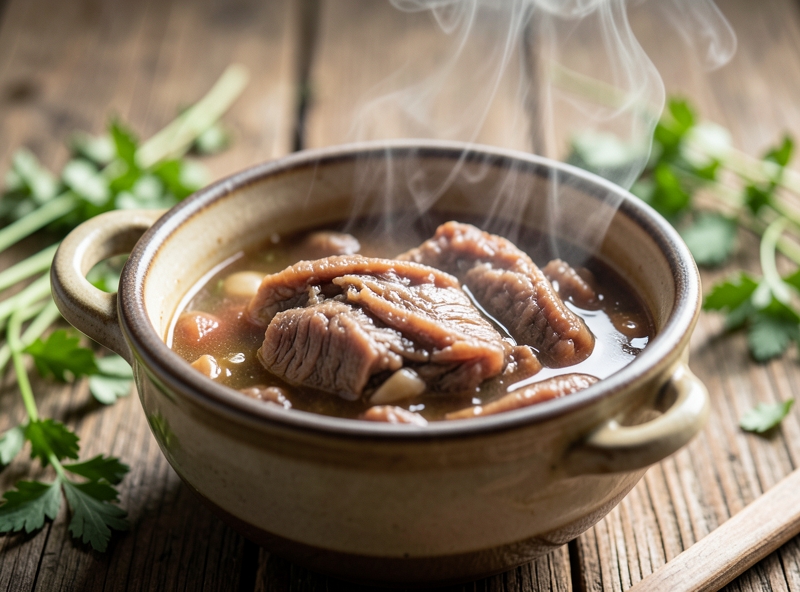
From a biochemical perspective, maintaining low temperatures helps peptide bonds – the chains connecting amino acids – stay in a stable state. Protein denaturation takes place gradually, without excess, protecting essential amino acids from thermal degradation. This has significant meaning for human health and the balance of the personal ecosystem:
- Optimizing digestion: Naturally softened proteins allow digestive enzymes in the body to easily access and break them down, reducing pressure on the intestinal system.
- Preserving biological value: Keeping the structure of amino acids intact helps the body maximize nutrient absorption, reducing the amount of food needed while still ensuring energy.
- Energy efficiency: Using modern slow cooking devices or utilizing residual heat from traditional methods helps reduce the carbon footprint in the kitchen.
"Natural cooking is not just about choosing clean ingredients, but also about choosing processing methods so that the biological structure of food is respected and preserved most completely."
| Characteristics | High-Heat Processing (Fast) | Low-Heat Processing (Slow) |
|---|---|---|
| Protein Structure | Strong contraction, complete denaturation, easily dried out. | Gradual loosening, maintains elasticity and juiciness. |
| Collagen | Tightened, making food tough and hard. | Transformed into gelatin, creating smoothness. |
| Nutritional Value | Prone to vitamin loss and amino acid damage. | Preserves peptide bonds and minerals intact. |
| Environmental Impact | Consumes large amounts of immediate energy. | Optimizes energy, encourages slow living. |
Choosing low-heat cooking methods is not just a culinary technique, but also a green lifestyle. By understanding the mechanism of protein structure preservation, we learn to be more patient with food, thereby strengthening the connection between humans and the original values of nature. Food, when prepared correctly, becomes a source of precious medicine, nourishing the body and soul in the most sustainable way.
3. Maintaining Heat-Sensitive Mineral and Vitamin Content
In the philosophy of smart consumption, the true value of a dish lies not in the complexity of its presentation but in the core nutrient content that the body can absorb. High-heat cooking methods such as frying or grilling often create an immediate explosion of flavor but inadvertently cause a significant loss of nutrition. Extreme temperatures break down the sensitive structures of water-soluble vitamins and transform precious minerals.
| Comparison Factor | Slow Cooking | High Heat (Frying, Grilling) |
|---|---|---|
| Temperature Impact | 70°C - 95°C (Stable, gentle) | 180°C - 250°C (Causes thermal shock) |
| B & C Group Vitamins | Maximum retention of molecular structure | Easily decomposed completely |
| Minerals | Dissolved in broth, no loss | Oxidized or lost with cellular fluids |
| Food Texture | Soft, easy to digest | Prone to becoming dry, hard, or charred |
The biggest difference lies in how we treat water – the solvent of life. When frying or grilling, the moisture in food escapes, carrying micronutrients with it, which then evaporate or decompose on the hot surface. Conversely, slow cooking is a closed and patient process. At low and stable temperatures, B vitamins (such as B1, B6, B12) and Vitamin C are not "burned off." Instead, if they detach from the plant or animal tissue structure, they are fully retained within the refined broth.
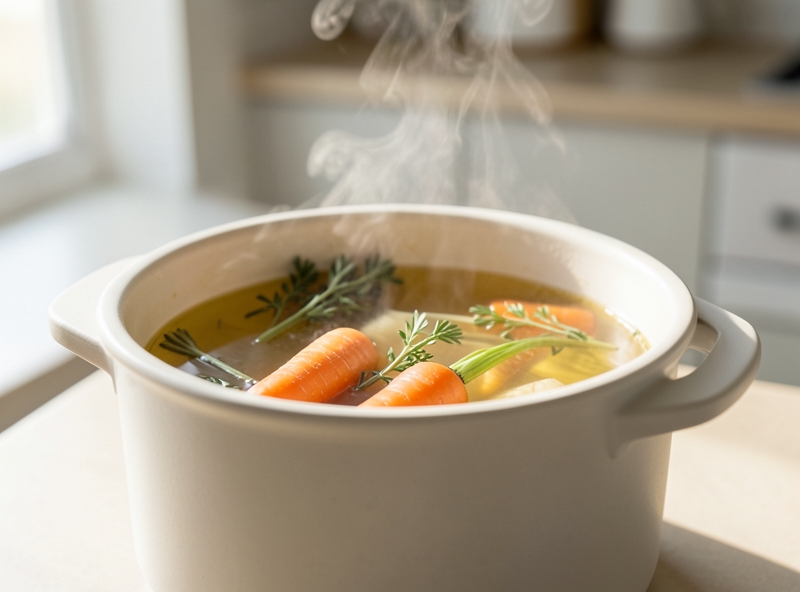
Utilizing both the liquid and solid portions in slow-cooked dishes is an expression of a minimalist lifestyle: wasting none of the resources nature provides. When enjoying a bowl of soup simmered carefully at moderate temperatures, you are not just eating, but truly receiving the purest source of energy.
"Slow cooking is not just a technique; it is how we learn to respect ingredients, retaining what is invisible yet most precious like minerals and vitamins, instead of sacrificing them for momentary sensory pleasures."
- Vitamin Preservation: Minimizes oxidation caused by temperatures exceeding thresholds.
- Retaining Minerals: Iron, Calcium, and Magnesium are released slowly and exist in an easily absorbable form within the broth.
- Resource Efficiency: Maximizes the nutritional value of ingredients, reducing the need for dietary supplements.
4. Limiting the Formation of Food Toxins During Processing
Imagine our body as a precious wooden house. Cooking at high temperatures, such as deep-frying or grilling until charred, is like using a massive fire to warm the house; the warmth comes quickly, but black smoke and ash will cover the walls. Conversely, slow cooking is like using a gentle underfloor heating system, keeping the house warm without leaving a single trace of smoke.
When we push the temperature above 150 degrees Celsius, a silent "chemical war" begins to occur on the surface of the food, creating compounds that our bodies never expected: AGEs and HCAs.
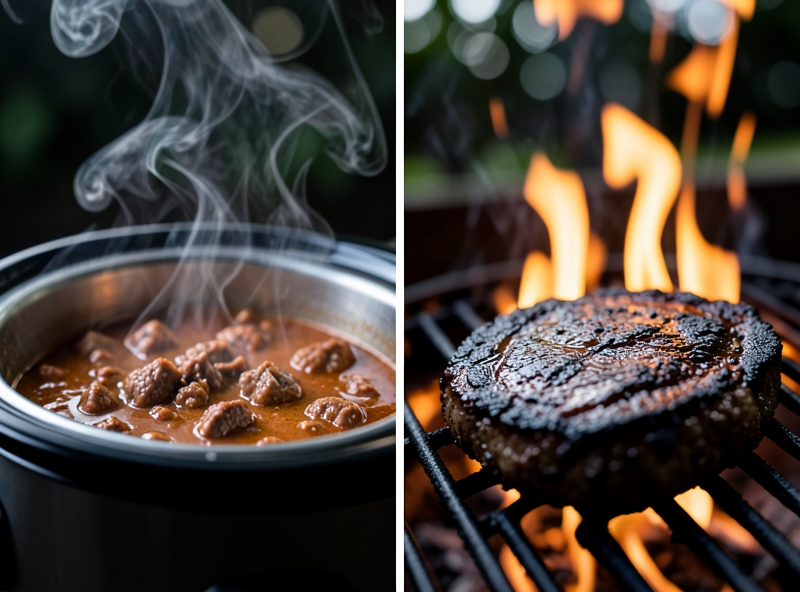
AGEs (Advanced Glycation End products) are the result of an unwanted "marriage" between sugar and protein under the influence of high heat. You can imagine AGEs as a type of "biological rust." When we eat too much charred food, these pieces of "rust" will attach to cells, accelerating the aging process and causing inflammation in the body.
"Choosing the cooking temperature is as important as choosing clean ingredients. Slow cooking is a natural 'shield' that prevents food from degenerating into toxins."
In addition, when processing meats at high temperatures, heterocyclic amines (HCAs) will form. These are "uninvited guests" that appear when protein, sugar, and a compound called creatine in meat react strongly with high flames. Maintaining the low and stable temperature of the slow cooking method will completely prevent this dangerous encounter.
| Comparison Features | Fast Cooking (Above 150°C) | Slow Cooking (Below 100°C) |
|---|---|---|
| Maillard Reaction | Occurs excessively, creating a charred layer containing AGEs. | Occurs gently, preserving natural colors. |
| HCAs Compounds | Formed heavily in grilled/fried meats. | Almost non-existent. |
| Food Moisture | Easily dries out, loses water, and denatures proteins. | Food remains tender and juicy, preserving nutrients. |
To protect your family's health, you can apply some small tips during processing to minimize these toxins:
- Use cooking methods involving steam or liquids (stewing, braising, steaming) instead of direct contact with fire.
- If you must grill or fry, keep the heat at a medium level and flip the food frequently to avoid localized burning.
- Marinate food with spices high in antioxidants such as turmeric, ginger, garlic, or lemon before cooking to create a protective layer, limiting the formation of HCAs.
- Prioritize using dedicated slow cookers to control the temperature below harmful thresholds as accurately as possible.
By being more patient in the kitchen and lowering the cooking temperature, you are not only creating rich, tender dishes but also directly eliminating silent harmful agents, helping the body stay youthful and healthy from within.
5. Secrets to Optimizing Nutrition When Using a Slow Cooker
Many people mistakenly believe that they can just throw all the ingredients into the pot, press a button, and go to sleep to have a "super nutritious" meal the next morning. In reality, without understanding the principles of thermal energy and food structure, you are merely creating a mushy mixture that has lost all its texture and, most importantly, depleted a large amount of heat-sensitive vitamins. A slow cooker is not a magic wand; it is a puzzle of time and calculated patience.
"Don't turn your slow cooker into a 'vitamin destroyer' just because of laziness in ingredient arrangement."
The first rule to avoid wasting nutritional value is the food layering technique. The ceramic insert of a slow cooker transfers heat from the bottom and around the sides, but the temperature rises very slowly. Hard root vegetables like potatoes, carrots, and radishes require more time and heat to soften their fibrous strands. Place them at the bottom and against the sides of the pot – where heat contact is strongest. Meat should be placed on top of this vegetable layer. Placing the meat in the middle not only allows the juices to soak evenly into the vegetables but also prevents the vegetables from being crushed by the weight of the meat once it becomes tender.
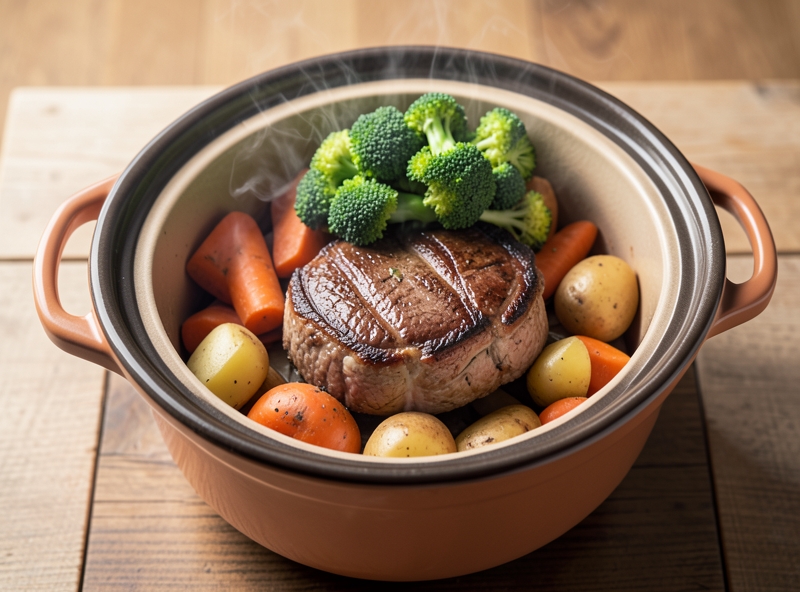
Another classic mistake is overusing water. Unlike pressure cooking or traditional gas stove cooking, a slow cooker has a very tight lid and extremely low evaporation. If you submerge the food in water out of habit, the result will be a bland dish where water-soluble vitamins are diluted to the point of insignificance. Remember: food (especially meat and vegetables) will release its own juices. You should only use about 1/3 to 1/2 the amount of water compared to conventional cooking methods to preserve the full concentration of minerals and core flavors.
| Food Group | Time to Add to Pot | Practical Reason |
|---|---|---|
| Red meat, beans, hard root vegetables | From the beginning | Needs a long time to break down collagen and fiber structures. |
| Seafood, mushrooms, asparagus | Final 30 - 45 minutes | Prevents toughness, loss of natural sweetness, and protein transformation. |
| Leafy greens (bok choy, spinach), milk, cheese | Final 15 - 20 minutes | Retains Vitamin C and Folate while preventing curdling or separation of dairy. |
Finally, be extremely wary of sensitive vegetables. Leafy greens or fresh herbs, if "tortured" by heat for 6-8 hours, will turn into a dull grey-brown substance and lose all biological activity. The optimal way is to turn off the heat, add the greens, and cover the lid for 10-15 minutes. The residual heat in the pot is enough to cook the vegetables while maintaining their color and maximum nutrient content. Cooking with a slow cooker is an art of temperature management, not a stroll for the lazy person who prefers to leave things to fate.
6. Frequently Asked Questions (FAQ)
In the pursuit of a minimalist lifestyle, a thorough understanding of cooking tools and methods not only helps us save time but also avoids unnecessary waste of food and energy. Below are the most sincere answers to common questions when using the slow cooking method.
Does slow cooking for a long time allow bacteria to grow?
Many people fear that the low temperature of a slow cooker is an ideal environment for bacteria. However, modern slow cookers are designed to maintain a stable temperature between 170°F and 300°F (77°C to 149°C). At this threshold, the heat is sufficient to kill most harmful bacteria if the cooking process is continuous. To ensure absolute safety and avoid wasting thermal energy, you should minimize opening the lid. Each time the lid is opened, the internal temperature drops significantly, extending the cooking time and inadvertently creating a window for bacteria if the food is brought into the "danger zone" (below 140°F/60°C) for too long.
"Peace in the kitchen comes from understanding the nature of ingredients and trusting in the natural process."
Is it necessary to prep food before slow cooking?
From the perspective of a smart consumer, pre-processing (such as searing meat before putting it in the pot) is a personal choice rather than a requirement. Searing helps create the Maillard reaction, enhancing the flavor and color of the dish. However, if you prioritize streamlining and want to minimize cleanup, you can completely skip this step. For vegetables, simply wash and cut them into appropriate pieces to retain their core nutrients.
| Method | Advantages | Value Provided |
|---|---|---|
| Searing first | Rich flavor, attractive color. | Sophistication in enjoyment. |
| Direct entry | Saves time, limits utensils. | Tranquility and simplification of life. |
Which foods are "taboo" for this method?
Not every ingredient is suitable for slowness. Using the wrong foods not only ruins the dish but also wastes resources. Here are the foods you should carefully consider or avoid putting in a slow cooker from the start:
- Milk and dairy products: Easily separate and curdle if cooked for too long. Should be added in the last 15-30 minutes.
- Seafood: Shrimp, clams, and squid will become tough and lose their characteristic sweet taste when exposed to long-term heat.
- Skinless chicken breast: Easily becomes dry and fibrous. Slow cooking is most effective with meat cuts that have a lot of connective tissue, such as beef shank or pork shoulder.
- Green leafy vegetables: Spinach or cilantro will become mushy and lose their vibrant green color if cooked for more than 30 minutes.
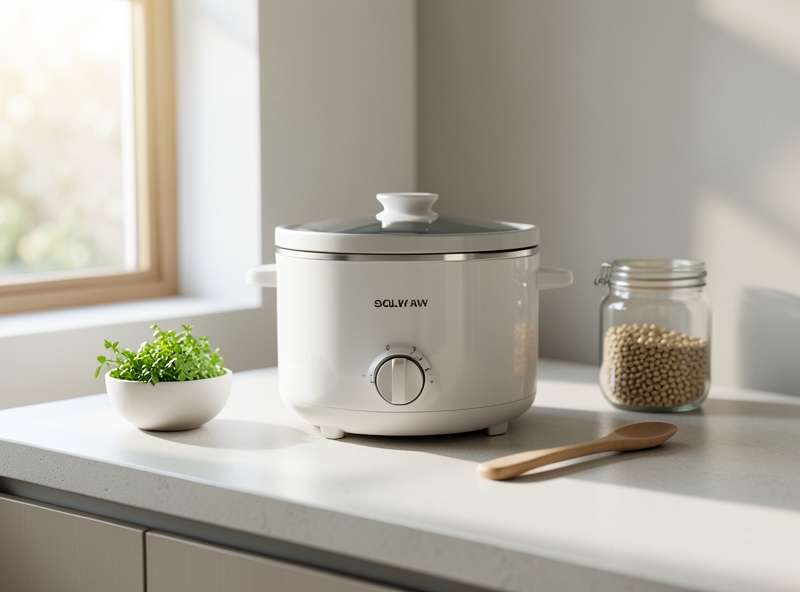
When selecting the right ingredients and understanding the operating mechanism, the slow cooking method will become a reliable companion, helping you enjoy meals full of nutritional value without excessive effort.