1. The Reality of Chemical Use and Solutions for Insect Prevention Using Natural Olfactory Barriers
Every spray from a chemical insecticide can into the dark corners beneath cabinets or inside wardrobe crevices is actually a moment you are gambling with your family's health by exposing them to accumulating toxic compounds. We often unknowingly trade temporary cleanliness for long-term risks. Common industrial insecticidal active ingredients belonging to pyrethroid or organophosphate groups do not simply disappear after evaporating. They cling to floor surfaces, children's toys, and float in the air, directly attacking the respiratory system and causing endocrine disruption upon prolonged exposure.
"Chemical insecticides do not just eradicate their targets; they leave behind an invisible film of toxins that our bodies absorb every day through contact and inhalation."
| Comparison Criteria | Industrial Chemical Insecticides | Natural Olfactory Barriers |
|---|---|---|
| Mechanism of Action | Direct eradication through neurotoxicity, leaving unsanitary insect carcasses behind. | Disrupts olfactory navigation, causing insects to automatically stay away from living spaces. |
| Safety Level | Risk of skin irritation, asthma, and toxicity to young children and pets. | Completely safe, improving indoor air quality in living spaces. |
| Environmental Impact | Non-biodegradable, accumulating chemical residues in water sources and food chains. | Fully biodegradable and eco-friendly. |
Instead of using chemical force to eradicate pests, a smarter and more sustainable solution is to establish a natural olfactory barrier. Common household pests like ants, cockroaches, and termites all share one common trait: they have extremely poor vision, but their olfactory systems are remarkably sensitive. They locate food sources, search for mates, and communicate with each other entirely through chemoreceptors (sensilla) on their antennae.
By utilizing concentrated fragrance molecules from natural essential oils and herbs, we can create an exceptionally effective "invisible wall." Upon approaching an area containing these molecules, the insects' nervous systems are immediately overwhelmed, paralyzing their navigation abilities. They can no longer smell food nor trace their paths due to their pheromone trails being completely neutralized. Sensing a dangerous environment, they will actively evacuate and search for another suitable habitat to survive.

To build this olfactory barrier most effectively right at home, you can apply the following targeted scent groups:
- Peppermint essential oil (Menthol): The number one enemy of mice and ants. The sharp, cooling scent of peppermint instantly paralyzes their sensitive olfactory nerves.
- Lemongrass essential oil (Citral and Geraniol): Highly potent against mosquitoes and cockroaches, disrupting their ability to locate CO2 from human breath.
- Cinnamon and clove essential oils (Eugenol): Possesses heavy molecular bonding and long-lasting scent, making it exceptionally effective in repelling termites and wood-boring insects.
Applying this natural biological mechanism not only protects your living space from uninvited guests but also keeps your indoor air clean and pleasant, turning your home into a truly safe haven.
2. Natural essential oils are the ultimate nemesis of ants, cockroaches, and termites
Have you ever wondered why, despite spraying tons of toxic chemical insecticides, ants and cockroaches stubbornly return after a few weeks? The answer lies in their highly sensitive sense of smell. Industrial chemicals only tackle the surface, whereas highly concentrated pure natural essential oils act as a biological weapon that disrupts the navigation system of insects, causing them to panic and permanently flee your home.
Instead of enduring pungent chemical odors that harm the respiratory systems of young children and pets, utilizing natural active compounds from essential oils is a smart, sustainable, and completely safe solution.
Detailed insect-repelling power of top essential oils
Peppermint Essential Oil: The destructive nemesis of cockroaches and mice
The active compound Menthol, which makes up 50-60% of pure peppermint essential oil, is a nightmare for mice and cockroaches. For cockroaches—creatures that breathe through spiracles on their bodies—diffused peppermint molecules instantly paralyze their respiratory organs. Mice possess a sense of smell many times sharper than humans; a few drops of high-concentration peppermint will trigger a state of sensory overload, forcing them to urgently evacuate your home.
Lemongrass Essential Oil: Blocking the marching paths of ants and mosquitoes
The power of lemongrass comes from the duo Citral and Geraniol. Ants move by following Pheromone trails (scents) left by their nestmates. When lemongrass is sprayed, these molecules completely break the Pheromone chain, isolating disoriented ants in the dark. Simultaneously, lemongrass essential oil neutralizes the heat sensors on mosquito antennae, making you completely "invisible" to these bloodsuckers.
Cinnamon and Cajeput Essential Oils: A steel shield protecting wood from termites and borers
Termites silently erode house structures without warning. Cinnamon essential oil contains Trans-cinnamaldehyde—a potent antifungal and insecticidal agent. As it penetrates deep into wood grain, cinnamon oil not only directly destroys termite larvae upon contact but also inhibits the growth of mold spores—their secondary food source. Combining it with cajeput essential oil creates a natural antibacterial layer, keeping furniture durable over the years.
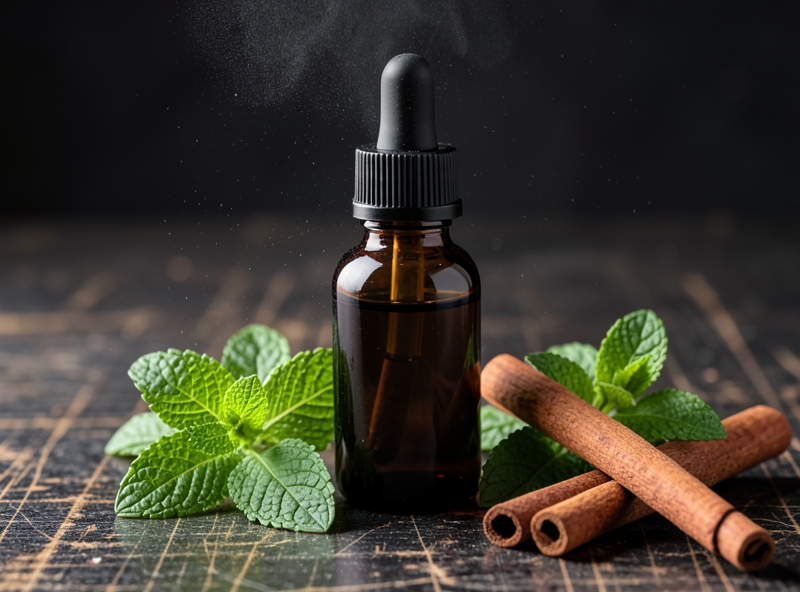
"The power of essential oils lies in their pure concentration. Just a single drop of pure essential oil has a potency equivalent to dozens of cups of concentrated herbal tea, turning your living space into an absolute off-limits zone for all kinds of insects."
| Essential Oil Type | Key Active Ingredients | Target Pests | Mechanism of Action |
|---|---|---|---|
| Peppermint | Menthol, Menthone | Cockroaches, mice, spiders | Paralyzes respiratory organs in cockroaches and overloads olfactory senses in rodents. |
| Lemongrass | Citral, Geraniol | Ants, mosquitoes, flies | Destroys Pheromone trails used by ants and blinds mosquito heat sensors. |
| Cinnamon | Trans-cinnamaldehyde | Termites, wood borers, mold | Penetrates deep into wood grain, kills larvae, and cuts off food sources for termites. |
Guide to essential oil diffusion methods for maximum effectiveness
Don't just drop a few drops of essential oil randomly in the corner of your house. To achieve thorough effectiveness, you need to apply the following scientific diffusion methods:
- High-pressure misting therapy (For large spaces): Mix 15-20 drops of pure essential oil with 100ml of 70-degree rubbing alcohol in a spray bottle. Alcohol acts as an emulsifier, helping the essential oil dissolve evenly and evaporate quickly while adhering firmly to tight corners and wall cracks where cockroaches and ants hide.
- Silent cotton ball traps (For tight corners and closets): Soak 3-5 cotton balls thoroughly with cinnamon or peppermint essential oil and place them directly in kitchen drawers, under beds, or in wardrobes. Replace with fresh cotton balls every 5-7 days to maintain optimal protective concentration.
- Ultrasonic diffuser (Continuous maintenance): Use an ultrasonic essential oil diffuser to break down water and oil molecules into micrometer-sized fine particles suspended in the air, creating a 24/7 insect barrier for your entire family.
3. Creating a Sustainable Protective Barrier with Dried and Fresh Herbs
Are you accidentally poisoning your home with chemical-laden bug sprays just for a few brief days of peace? Toxic chemical odors not only cling to furniture surfaces but also penetrate the respiratory systems of young children and pets. In reality, you can easily adopt a smarter alternative: utilizing a biological defense system made from herbs readily available in your kitchen to establish a long-lasting protective barrier against invading pests.

Insects locate food sources and hiding spots primarily through their extremely sharp sense of smell. When we use natural herbs rich in potent essential oils, we directly create a "sensory disruption zone." These natural volatile compounds block the insect's olfactory receptors, causing them to lose orientation and immediately evacuate your home.
"Protecting your home with herbs is not a temporary substitute; it is a mindset of building a sustainable ecosystem where toxic chemicals are completely eliminated from your living space."
To maximize effectiveness, each herb should be placed in strategic "prime locations" based on the biological traits of each pest group:
| Herb | Active Compound | Target Pests | Optimal Placement |
|---|---|---|---|
| Bay leaves (Dried) | Cineole | Cockroaches, ants, grain weevils | Kitchen drawers, rice containers, spice cabinets |
| Citrus peel (Fresh/Dried) | Limonene | Ants, spiders, mosquitoes | Window sills, dark corners under cabinets, doorways |
| Cloves (Dried) | Eugenol | Flies, ants, bedbugs | Wardrobes, drawers, bed corners |
| Garlic (Fresh) | Allicin | Termites, wood borers, beetles | Dark damp corners, wooden storage areas |
Implementation is remarkably simple yet offers long-lasting protection:
- Cockroach-repelling sachet from bay leaves and cloves: Gently crush dried bay leaves to release maximum essential oil, mix with a handful of dried clove buds, and place them in a breathable cloth bag. Hang these sachets in wardrobes or place them in hidden corners of kitchen cabinets. The pleasant herbal aroma to humans is a "nightmare" that keeps cockroaches away for 2–3 months.
- Limonene barrier from citrus peels: Cut orange or citrus peels into small strips, gently rub them on window sills, or scatter them directly in the corners of wooden cabinets. The natural limonene in citrus peels degrades the protective waxy layer on ants and spiders, preventing them from crawling into your home extremely effectively.
- Under-sink garlic trap: Crush 3–4 fresh garlic cloves and place them on a small dish under the kitchen sink—a high-humidity spot prone to pests. The powerful allicin in garlic will evaporate, creating an invisible barrier that deters pests. Replace weekly to maintain maximum effectiveness.
By switching to this natural herbal system, you not only save money but also completely eliminate the risk of chemical toxicity for your family members. Your home will always be filled with a fresh, natural fragrance, completely safe for both infants and playful pets.
4. DIY Recipe for All-Purpose Organic Insect Repellent Spray
Did you know: Overusing chemical insect sprays is merely a band-aid solution that leaves **toxic residues** on floors and furniture, directly threatening the respiratory systems of young children and pets. Insects aren't afraid of dying from chemicals; they fear areas where their olfactory signals are disrupted. By making your own organic spray, you are establishing a powerful **scent defense system** that forces ants, cockroaches, and mosquitoes to evacuate automatically without killing them.
The essence of this method lies in using the acidity of vinegar to erase pheromone trails (chemical footprints insects use for navigation), combined with terpenoid compounds in essential oils to paralyze their navigation systems.
| Ingredient | Standard Ratio | Distinct Mechanism of Action |
|---|---|---|
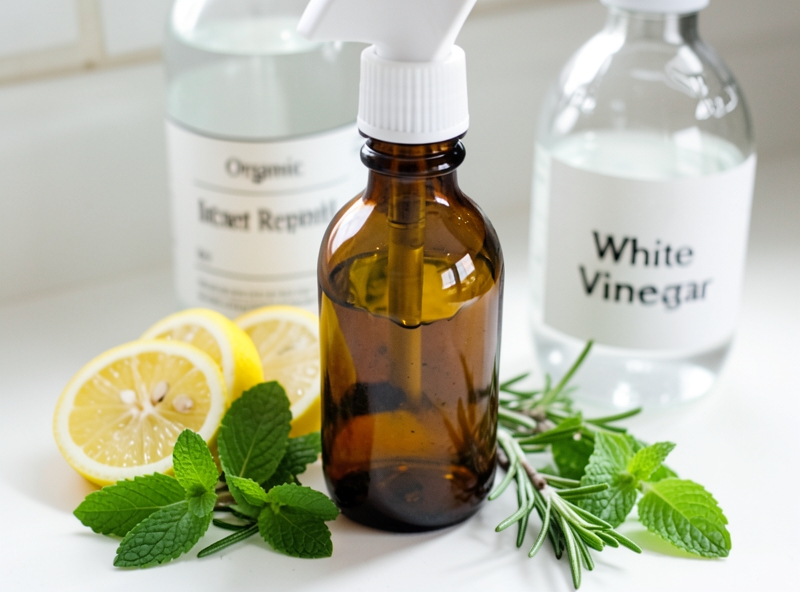
| White vinegar (5% acidity) or 70% rubbing alcohol | 150ml (1 part) | Dissolves essential oils, disinfects surfaces, and erases pheromone trails of ants and cockroaches. |
| Distilled water (or cooled boiled water) | 150ml (1 part) | Neutral solvent that reduces the evaporation rate of essential oils on surfaces. |
| Specialized Organic Essential Oil Blend | 30 - 40 drops | Lemongrass essential oil (repels mosquitoes), peppermint essential oil (bane of cockroaches and mice), tea tree essential oil (repels spiders and ants). |
For optimal effectiveness, follow this exact mixing process: Pour the alcohol or white vinegar into a glass spray bottle first, then add the essential oil blend directly and shake vigorously for 30 seconds so the essential oils are **fully emulsified**. Finally, add the distilled water to complete the solution.
Process for Establishing an "Olfactory Barrier" to Prevent Insects from Returning
Spraying randomly into the air is completely ineffective. Insects travel along predictable routes. To maintain the effectiveness of the olfactory barrier, you must strictly follow the spot-spraying technique below:
- Step 1: Mechanical cleaning before spraying. Wipe away dust and grease from targeted areas. Heavy dust buildup will absorb essential oils and neutralize the solution's effectiveness.
- Step 2: Seal off entry points. Generously spray the solution directly into wall cracks, along kitchen baseboards, gaps under the refrigerator, and around door and window frames.
- Step 3: Barrier resetting frequency. During the first week, spray consistently once a day every evening (when insects are most active). From the second week onwards, once insects recognize the danger zone, simply spray 2 - 3 times a week to reinforce the scent.
"A continuous and concentrated olfactory barrier is the ultimate weapon to keep all insects away, thousands of times safer than spraying potent yet fast-evaporating toxic chemicals."
5. Conclusion
Protecting your family from insects doesn't mean turning your home into a miniature chemical lab. Overusing industrial insect repellent sprays only offers temporary results, while unintentionally leaving a film of toxic chemicals clinging to children's toys, floors, and lingering in the air that your family breathes every day.
Choosing natural insect repellent solutions is a green revolution for your living space, delivering three core superior values:
- Absolute Health: Protect the sensitive respiratory systems of young children, the elderly, and pets from allergens and asthma triggers caused by synthetic chemicals.
- Optimal Economy: Make full use of readily available kitchen ingredients like orange peels, lemons, lemongrass, coffee grounds, or white vinegar at virtually zero cost.
- Sustainable Environment: Minimize plastic waste from chemical spray bottles and eliminate toxic gas emissions into the atmosphere.
| Comparison Criteria | Industrial Chemical Sprays | Natural Methods (Lemon, Lemongrass, Essential Oils...) |
|---|---|---|
| Safety Level | High toxicity, easily causes skin and respiratory irritation. | Completely safe for both infants and pregnant women. |
| Operating Cost | Expensive, requiring continuous repurchasing once cans run out. | Uses kitchen scraps, extremely low cost. |
| Mechanism of Action | Instant kill, but insects easily develop resistance. | Naturally repels through scent, preventing from a distance. |
| Fragrance | Pungent chemical smell, causing headaches when used in enclosed rooms. | Relaxing and stress-relieving, creating a spa-like atmosphere. |
"Natural insect repellent methods do not work by eradication, but rather by creating an invisible barrier through scent to redefine boundaries, forcing insects to leave on their own without disrupting the home ecosystem."
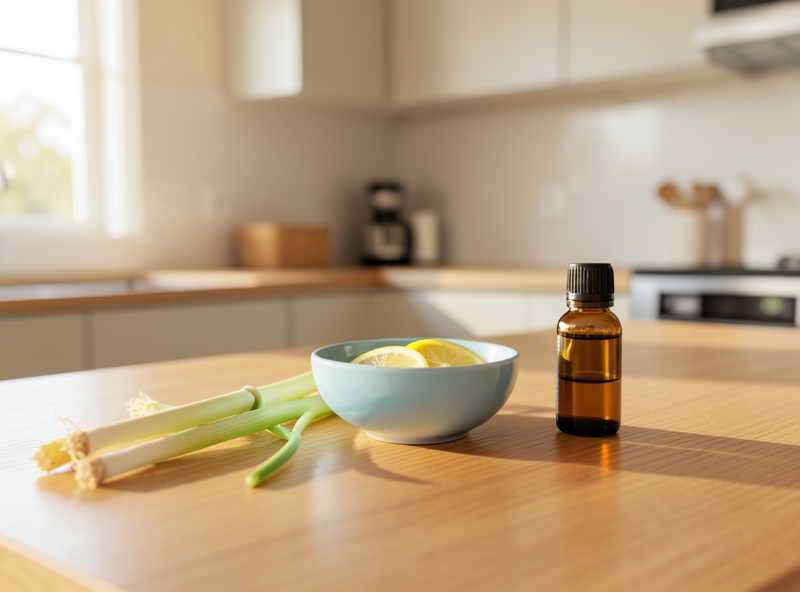
However, natural ingredients are not a miracle cure that lasts forever after a single application. The golden key lies in consistency and regularity. Essential oils will evaporate, and orange peels or lemongrass will dry out; therefore, refreshing these repellents every 2 to 3 days is essential to maintain optimal scent levels.
In particular, no tip will be effective if the house still harbors ideal breeding grounds for insects. Always combine natural methods with root-level sanitation principles: completely eliminate stagnant water, keep trash cans tightly covered, wipe away food crumbs immediately after cooking, and keep dark corners dry and well-ventilated. This coordinated combination serves as the strongest shield, restoring a fresh, peaceful, and entirely insect-free living space for your family.