1. Overview of Modular Electronics Trends and the Reality of E-Waste
The phone you are holding in your hand is designed to turn itself into scrap metal after two or three years of use. When the battery capacity drops or the camera can no longer keep up with trends, the only solution suggested by manufacturers is: buy a new device. The truth is, consumers are trapped in the consumption loop of "buy, use, dispose" predetermined by the strategy of planned obsolescence. The wear and tear of a single small component means the death of an entire sophisticated device worth thousands of dollars.
The consequence of this linear manufacturing mindset is the mountain of massive e-waste piling up every year. These giant electronic landfills are not only a symbol of brutal financial waste for consumers, but also a source of toxic emissions such as lead, mercury, and cadmium directly into the soil and water sources.
"E-waste is not an inevitable result of progress, but the consequence of a lazy design mindset that lacks responsibility for the future."
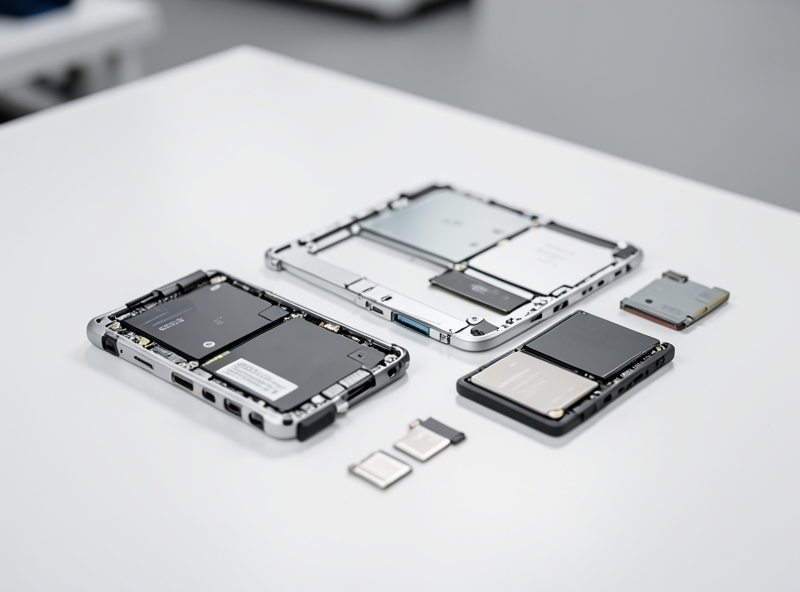
To fundamentally solve this pain point, a green revolution called modular electronics has emerged as an inevitable trend. Instead of forcing users to discard the entire device, modular design allows components to be detached like Lego pieces. You can easily upgrade the camera, replace a new battery, or add memory capacity yourself in just a few minutes without having to discard the frame or screen of the device.
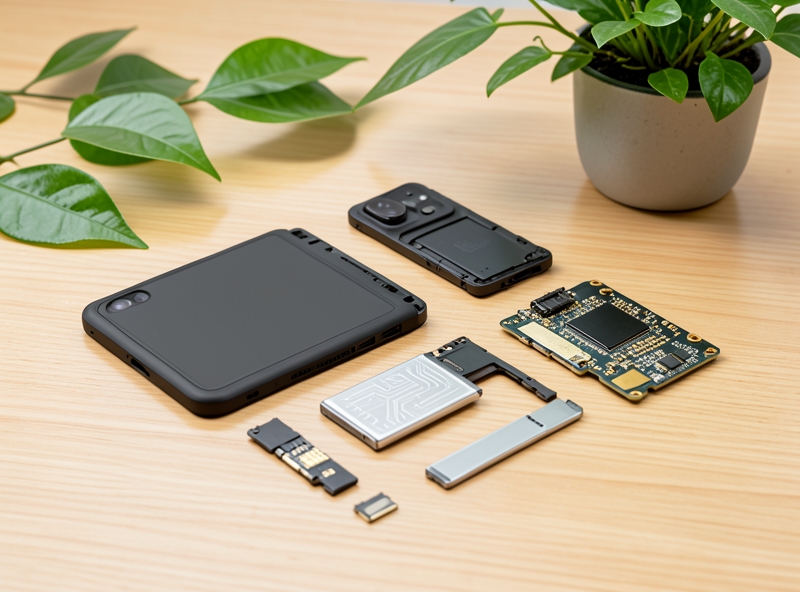
This shift not only protects consumers' wallets but also lays the foundation for a circular economy. Below is a visual comparison table showing the generational difference between traditional technology thinking and sustainable modular trends:
| Comparison Criteria | Traditional Devices (Monolithic) | Modular Devices (Detachable) |
|---|---|---|
| Product Lifespan | Short (average 2 - 3 years) due to degraded batteries or hardware obsolescence. | Long (can last up to 7 - 10 years) thanks to flexible component replacement. |
| Repairability | Extremely difficult, requiring specialized tools and expensive costs. | Easy, users can disassemble at home with smart interlocking joints. |
| Environmental Impact | Generates a massive amount of electronic waste, depleting rare resources. | Reduces e-waste by up to 80%, optimizing the reuse of old components. |
| Upgrade Cost | Must pay 100% of the price of a new device to experience more modern features. | Only pay a very small cost for the specific module that needs to be upgraded (such as the camera module or RAM). |
Choosing modular electronics is not merely a personal purchasing decision, but an action to reshape the future of global consumption. This trend delivers three core sustainable values:
- Right to Repair: Returning device ownership to the user, ending complete dependence on exclusive warranty centers.
- Minimizing Carbon Footprint: Reducing the pressure to mine rare ores like cobalt and lithium - which are the source of many geopolitical conflicts and global environmental destruction.
- Initiating a Closed-Loop Consumption Cycle: Old components are recovered, upgraded, and continue to circulate in the supply chain instead of being buried underground.
2. What is modular design and how it works
Imagine your thousand-dollar smartphone suddenly suffers a broken camera module, or the battery degrades after two years of use. What is your option? Pay an expensive repair fee equivalent to half the device's value, or accept discarding the entire device to buy a new one. This is the pre-programmed "pain point" of the linear economy—where manufacturers deliberately solder all components together to force consumers into continuous upgrades. Modular design emerged as a green revolution, breaking that wasteful cycle by redefining the architecture of tech devices.
At its core, modular design is a system design thinking method that breaks down a complex product into independent parts called modules. Each module performs a distinct function but is tightly linked together to create a complete whole. Instead of a monolithic integrated circuit board, modularized devices allow for the complete separation of key hardware components.
"Modular design shifts power from giant tech corporations back to consumers, turning repair from a complex technical barrier into a simple personal experience."
The operating mechanism of a modularized device is based on the principle of standardized interfaces and smart couplings. Instead of using super-strong industrial adhesives or proprietary screws that require specialized tools, components like batteries, screens, camera modules, RAM, or internal storage are connected to the motherboard through physical coupling systems such as sliding mechanisms, clips, or high-strength magnetic connectors.
| Modular Component | Detaching & Connection Mechanism | User Self-Replaceability |
|---|---|---|
| Battery | Uses mechanical release latches or pull-to-release adhesive tape that leaves no residue. | Easy (Under 2 minutes, no specialized tools required). |
| Display | Press-fit connectors with a load-bearing support frame. | Medium (Requires only removing standard screws and lifting the screen). |
| Camera Module | Gold-plated contact pin couplings (pogo pins) secured by hand screws. | Easy (Remove the old module, place the new module into the correct alignment guide). |
| RAM & Storage | Standardized slide-and-lock slots similar to desktop computers. | Very easy (A gentle push action to install/remove). |
When a part fails or becomes obsolete, you don't need to be an electronics engineer to fix it. Intuitive connection interfaces color-coded or marked with digital symbols help any average user easily disassemble damaged components with a standard screwdriver (or even completely with bare hands). You just order a replacement module directly from the manufacturer, plug it into the correct slot, and the device immediately functions normally.

The magic of this mechanism lies in its backward compatibility and flexible upgradeability. If camera sensor technology advances significantly after a year, instead of buying a new phone, you simply remove the old camera module and upgrade to a higher-resolution camera module. This mindset completely eliminates unnecessary electronic waste, extends the device's lifespan by 3 to 4 times, and saves thousands of dollars in long-term consumer costs.
3. Outstanding Benefits: Cost Savings and Performance Optimization
Buying a new laptop or smartphone just because of a degraded battery or a broken screen is a spectacular financial scam that most of us still accept every year. The linear economic model of "take - make - dispose" is silently draining consumers' wallets by deliberately eliminating the freedom to repair. "Going green" is not a distant environmental slogan; it is a practical revolution that helps users regain control of their personal finances through sustainable consumer thinking.
Instead of investing a huge amount of money to buy a new device when an issue arises, the modular technology model allows users to locally upgrade and replace individual components. This flexibility transforms technological devices from rapidly depreciating assets into long-term investments with cumulative value.

Look at the Framework Laptop - the leading icon of the self-repairable hardware era. When the processor (CPU) becomes obsolete, instead of throwing away the entire laptop worth thousands of dollars, users only need to buy a new generation motherboard and install it themselves in less than 15 minutes. The entire metal shell, screen, keyboard, and battery are retained to continue serving. Performance skyrockets, but the cost incurred is only a fraction of buying a brand-new machine.
Similarly, the phone brand Fairphone proves that mobile devices can fully achieve a maximum repairability score of 10/10 from reputable tech review sites. Without the need for complex specialized toolkits or high technical expertise, users only need a small screwdriver included with the device to replace a cracked screen or a degraded battery themselves within minutes. All genuine parts are publicly listed on the manufacturer's website at extremely accessible prices.
| Comparison Criteria | Traditional Devices (Monolithic) | Sustainable Devices (Modular Design) |
|---|---|---|
| Cost of damage to a small component | Extremely expensive, usually requiring replacement of a whole major assembly or forcing the purchase of a new machine. | Minimal, only buying the exact damaged component to replace at home. |
| Upgradability of configuration | Mandatory to sell the old device with heavy depreciation to switch to a newer version. | Purchase processors, RAM, and graphics cards individually to assemble directly into the old chassis. |
| Average lifespan | Ranging from 2 - 3 years (due to battery degradation or software limitations). | Extending from 7 - 10 years thanks to continuous maintenance and flexible replacement capabilities. |
| Generated electronic waste | Large volume, causing severe pollution due to difficulty in recycling. | Almost zero, as old components are recovered or repurposed for other uses. |
"Optimal performance is not about constantly owning the latest device, but about the ability to maximize the utility of the current device at an operating cost close to the minimum."
Shifting to green and sustainable tech products completely eliminates the financial pressure of manufacturer-imposed device upgrade cycles. This is a smart move to optimize work performance while keeping personal budgets in a sustainable surplus.
4. Barriers and Challenges in Popularizing Modular Devices
The idea of a tech device that can be assembled and disassembled like Lego blocks, repaired wherever it breaks to minimize tech waste, sounds like a perfect green revolution. However, why is it that after years of effort, modular devices remain merely a playground for a small niche of users? The harsh truth is that the boundary between sustainable theory and commercial reality is separated by extremely brutal physical, financial, and consumer psychology barriers.
The first physical barrier lies in physics and the tactile experience itself. For components to be safely detached and reconnected, modular devices must be equipped with a framework system, connectors, and separate protective casings for each part. As a result, the devices become thicker, heavier, and less aesthetically pleasing than the ultra-thin unibody devices that dominate the market. Consumers want to protect the environment, but they are not ready to trade elegance, thinness, and optimal water resistance for a "clunky" device.
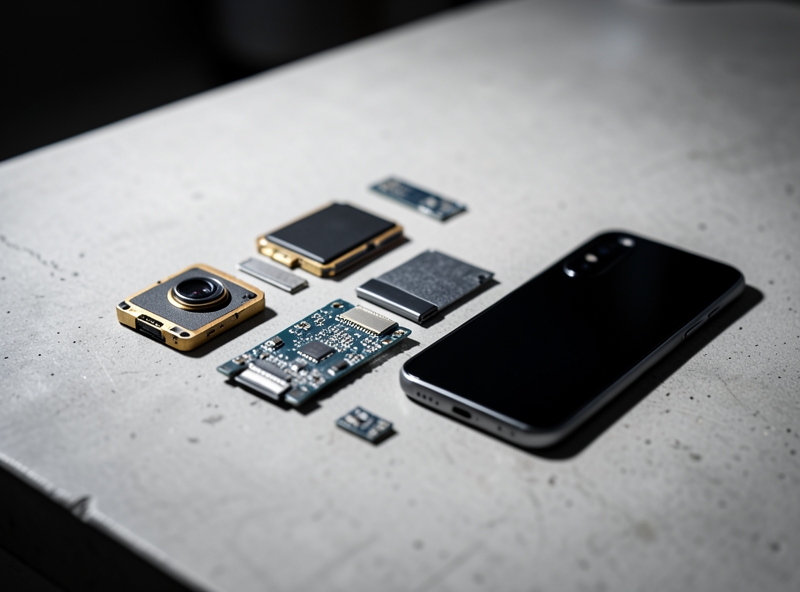
The second is the cost and supply chain puzzle. Mass-producing a single integrated motherboard is always many times cheaper than designing, testing, and manufacturing dozens of independent modules with complex connection standards. Users have to pay a very high initial price for the "repairable and upgradeable in the future" feature—a promise they might not even take advantage of before the device becomes completely obsolete in terms of software.
"Tech giants do not want you to repair devices yourself. They want you to buy new ones. Monopolistic tech power and ecosystem lock-in mechanisms are the firewalls preventing any efforts to popularize green design."
This pain is even more acute when looking at the monopoly of tech giants. By soldering RAM, gluing batteries, and encrypting components with proprietary software, large corporations have decimated the user's right to self-repair. They create a closed ecosystem where replacing a small third-party module becomes impossible, forcing users to spend money on an entirely new device when only a small part is broken.
| Comparison Criteria | Unibody Device (Integrated) | Modular Device (Green & Sustainable) |
|---|---|---|
| Thickness & Aesthetics | Extremely well-optimized, ultra-thin, perfect water resistance thanks to specialized glue. | Thicker, heavier due to the need for connection frames and physical latches. |
| Initial Manufacturing Cost | Lower due to the optimization of large-scale automated assembly lines. | 30% - 50% higher due to component packaging costs and connector R&D. |
| Upgradeability & Repairability | Extremely difficult, usually requiring replacement of the entire motherboard at a high cost. | Easy to replace individual broken parts or upgrade outdated components. |
| Product Lifecycle | Short (2-3 years), limited by battery degradation and component locking policies. | Long (5-7 years), extending lifespan through hardware personalization. |
Finally, the hardest barrier to overcome is Fast Consumerism. Nurtured by relentless marketing campaigns, buyers have grown accustomed to a device upgrade cycle of 1 to 2 years. The desire to own the latest technology to assert personal status has triumphed over the rationality of saving money or protecting the environment. As shopping habits continue to be driven by temporary emotions, modular devices aimed at long-term durability unintentionally become out of place in a society that favors rapid obsolescence.
5. Conclusion
Every year, millions of tons of e-waste are dumped into landfills just because of a degraded battery or a cracked screen. The cycle of purchasing - obsolescence - discarding has pushed consumers into the endless financial trap of "planned obsolescence." Modular electronics emerge not just as a new technological solution, but as a revolution reshaping the entire future of green technology, breaking this wasteful loop by returning the right to repair and upgrade to the users themselves.
"The era of throwing away a thousand-dollar phone just because of a small broken component is coming to an end. Modular devices are the answer to the equation of balancing technological desire and responsibility to the planet."
By allowing the replacement and upgrade of individual parts such as cameras, storage, or batteries, modular technology extends device lifespans by 3 to 5 times. This directly cuts down on the extraction of rare minerals and minimizes carbon emissions during the manufacturing process of new hardware.
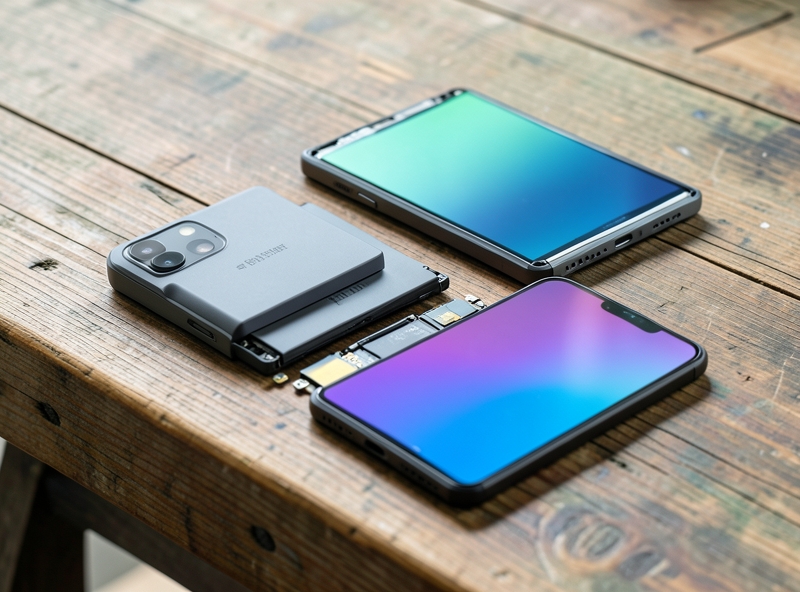
To become a smart consumer and optimize long-term cash flow, changing your shopping mindset is a vital step. Start applying a sustainable product selection filter based on the core criteria below:
| Evaluation Criteria | Financial & Environmental Benefits | Practical Action |
|---|---|---|
| Repairability Score | Saves up to 70% of troubleshooting costs compared to replacing the entire device. | Prioritize brands that publicly share schematics and provide genuine replacement parts. |
| Hardware Upgradeability | Avoids the trap of technological obsolescence, extending useful life from 2 years to 6-8 years. | Choose to buy computers and devices with expandable RAM/storage slots or modular phones. |
| Software Support Commitment | Ensures the device remains secure and smooth without needing premature hardware upgrades. | Only select manufacturers that commit to operating system updates and security patches for at least 5 years. |
The initial cost of a sustainable product or modular device may be 10% to 15% higher than fast-tech products in the same segment. However, when calculated over the lifetime Total Cost of Ownership (TCO), you will realize this is an ultra-profitable investment. Living green is no longer a luxury slogan for the environment; it is the smartest financial management strategy to protect your wallet against the storm of inflation and global resource scarcity.