1. The Concept of Layering and the Art of Creating Depth in Your Look
Most people fail to make a personal statement not because they lack expensive clothes, but because their overall outfit is too flat and monotonous. You wear luxury pieces, yet your reflection in the mirror still looks dull? That is when the art of layering (multi-layered styling) emerges as the ultimate weapon to redefine your entire aesthetic sense.
In modern fashion language, layering is not merely the act of throwing multiple clothes onto your body. It is an architectural mindset applied to the human form: arranging independent garments into a unified whole, creating visual illusions of depth, contrast, and rhythmic movement. If a single-layer (mono-layer) outfit is like a 2D photograph, layering is a vibrant 3D sculpture.
"Layering is not random stacking. It is a deliberate calculation of proportion, fabric texture, and visual rhythm."
Mastering this style completely solves three core issues in daily dressing:
- Breaking visual monotony: The interplay of color palettes, fabric textures, and varying lengths naturally draws the viewer's eyes to the transition points on your outfit.
- Absolute versatility in application: A well-executed layered outfit allows you to transform your style in just 3 seconds. You can easily switch from formal to smart-casual simply by shedding or adding a layer.
- Optimizing wardrobe value: Restructuring basic items in new layering orders turns familiar clothes into dozens of fresh, novel looks.
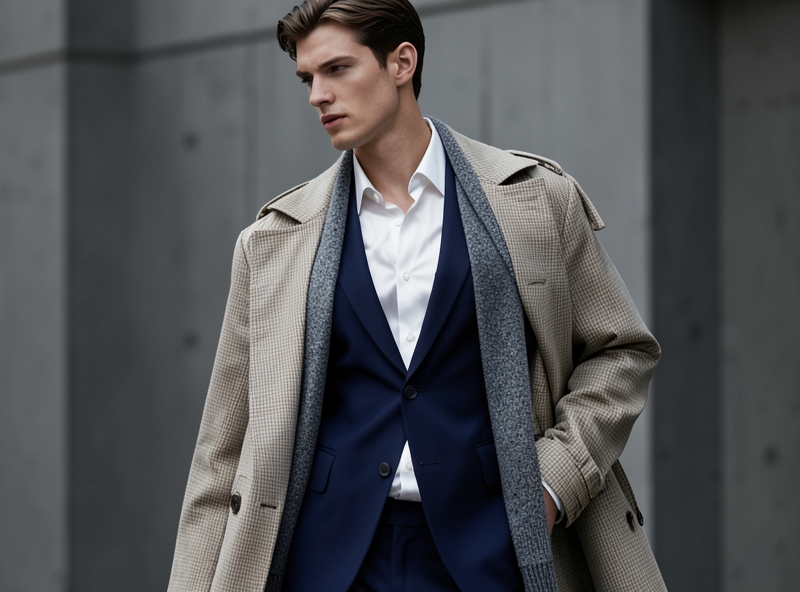
To master layering without turning yourself into a bulky "onion," the core direction lies in mastering two elements: Texture and Length & Proportion.
| Layer | Core Role | Preferred Fabrics | Length Principle |
|---|---|---|---|
| Base Layer (Innermost layer) |
Moisture-wicking, direct skin contact, color foundation | Premium cotton, Silk, Modal, Thin fine wool | Create a subtle peak at the collar or hem (showing about 1.5 - 2cm) |
| Mid Layer (Middle layer) |
Create accents, balance structure, provide warmth | Denim, Knitwear, Wool Cardigan, Vest/Gilet, Shirt | Fitted to the body, shorter than the Outer Layer |
| Outer Layer (Outermost layer) |
Amplify silhouette, protect against elements, anchor the overall look | Trench coat, Leather jacket, Heavy Wool Blazer | Relaxed/oversized fit, superior length or cropped fit |
Remember the golden rule of fabrics: Thin/Smooth inside - Thick/Rough outside. The clash between the roughness of tweed, the subtle sheen of silk, and the softness of cashmere within the same outfit is the key to creating quiet luxury. Depth in your look doesn't come from flashy colors; it comes from the sophistication of how material layers interact with one another.
2. Material Combination Principles: Balancing Fabric Weight and Texture
Have you ever invested thousands of dollars in high-end wool coats or expensive leather jackets, only to put them on and look like a "walking onion"—bulky, clumsy, and drowning your entire silhouette? This aesthetic tragedy doesn't stem from your body weight or the brand on the label, but rather from a failure in coordinating fabric weight and surface texture contrast.
The pinnacle of sartorial mastery lies not in color, but in how materials "speak" to one another. Once you master the two core rules below, you can comfortably layer 3 to 4 garments during the cold season while maintaining an effortlessly chic, high-end look.
1. The Weight Shift Rule: From Lightweight to Structured
The most common mistake that makes an outfit look bulky and restricts movement is layering fabric densities in the wrong order. The backbone of texture pairing based on thickness is gradually increasing weight from the inside out. This creates a natural tiered structure, allowing fabric folds to move fluidly with every motion of your body.
- Innermost Layer (Base Layer): Must be lightweight with good drape or stretch, such as pure silk, chiffon, silk-cotton, or microfiber knit. This layer acts as a "second skin," hugging your curves without creating any unnecessary bulk beneath.
- Middle Layer (Structuring Layer): Medium-weight materials such as poplin shirts, lightweight cashmere, brocade satin, or jersey. This layer serves as a bridge, neutralizing the softness of the base layer while building a solid foundation for the outer layer.
- Outermost Layer (Architectural Layer): This is where heavy-weight, thick-textured, and structured fabrics take center stage, such as boiled wool, textured tweed, genuine leather, heavy-oz denim, or padded wool. The outer layer acts as an "architectural frame," concealing any inner layering imperfections and defining a sharp overall silhouette.
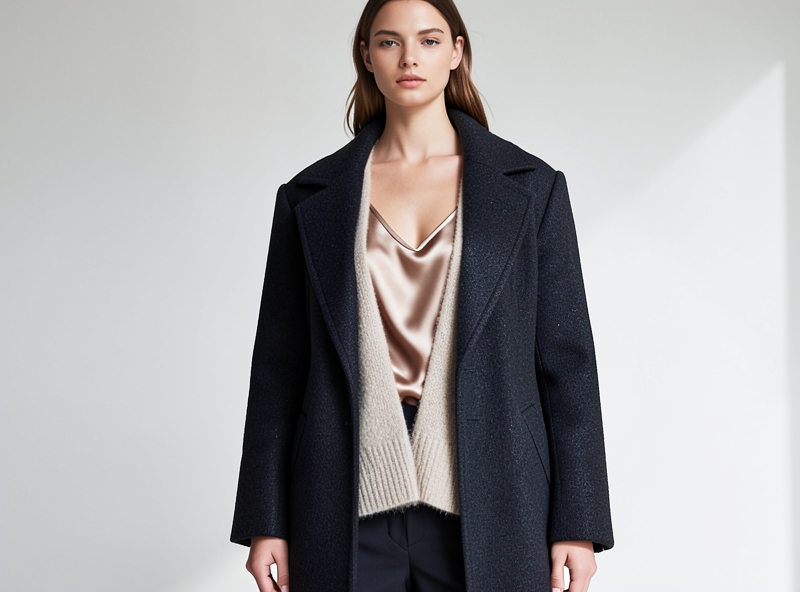
2. The Texture Contrast Matrix: The Magic of Eliminating Clumsiness
An outfit made entirely of rough textures (like chunky knit + tweed + corduroy) will turn you into a heavy block of fabric. Conversely, a head-to-toe glossy ensemble (like silk + satin + shiny velvet) can easily lack depth and expose flaws. The key to sophistication lies in the art of Visual Paradox.
By placing contrasting surface textures side by side, you create an optical illusion that makes your outfit more eye-catching and fluid:
- Rough vs. Smooth: Try pairing a chunky, cable-knit sweater with a flowing, glossy satin silk skirt. The coarse texture of the wool beautifully highlights the lustrous femininity of the silk, while the silk's fluid drape instantly offsets the weight of the knitwear.
- Structured vs. Ethereal: A tough, edgy biker leather jacket layered over a delicate chiffon dress creates a look that is both powerful and soft—a classic formula used by global fashion icons.
- Matte vs. Glossy: Combining matte linen pants with a subtly luminous organza blouse gives the overall outfit captivating depth without relying on fussy accessories.
| Styling Formula | Inner Layer Fabric | Outer Layer Fabric | Style Effect |
|---|---|---|---|
| Feminine & Powerful | Pure Silk, Sheer Chiffon | Boiled Wool, Tweed, Leather | Balances softness with a sharp structured silhouette, creating a luxurious and refined impression. |
| Trendy & Effortless | Cotton Poplin, Ribbed Knit | Raw Denim, Suede | Delivers a modern, edgy vibe while maintaining maximum comfort for movement. |
| Cozy & Ethereal | Satin, Luminous Organza | Cable-knit Wool, Brushed Cashmere | Eliminates the bulky volume of wool, creating stunning light-reflecting contrast. |
"Color may catch the eye in the first second, but it is the texture contrast and fabric drape that truly captivate the viewer and define the wearer's authentic style status."
Before stepping out, stand in front of the mirror and check your outfit using the 3-step formula: Light Base - Fitted Middle - Structured Outer. At the same time, feel your outfit with your hands: If it feels uniformly rough or entirely slick from top to bottom, replace one item with a contrasting texture immediately. That is the fine line separating someone who just throws clothes on from a true fashion expert.
3. Rules of Proportion and Length: The Secret to 'Hacking' Your Silhouette and Creating Visual Rhythm
Have you spent a fortune on high-end designer pieces, only to find that when you put them on, they still make you look shorter, truncate your lower body, and accentuate your body flaws? The brutal truth: There's nothing wrong with the outfit; what ruins your look is a break in visual proportion. The human eye is naturally drawn to horizontal boundary lines (hemlines). Placing the hem of a top or pair of pants just 2 cm in the wrong place can make you look 5 cm shorter and 3 kg heavier to onlookers.
Immediately eliminate the dangerous 50/50 formula—bisecting your body with a hip-length top and mid-rise pants. Perfect silhouette styling always operates on the 1/3 - 2/3 golden ratio. When layering, the secret lies in the length variation between layers—creating a visual rhythm that keeps the eye moving vertically instead of getting stuck on harsh horizontal lines.
Below are techniques to master the length for specific items to transform every outfit into the ultimate height-boosting tool:
- Crop Top (The technique of shifting focus to the waistline): The hem of a crop top must fall precisely at the narrowest part of your upper waist (just below the rib cage). When paired with high-waisted pants or a skirt that rises above the navel, you instantly "elongate" your legs by 10-15 cm without even touching a pair of high heels.
- Curved-Hem Button-Up Shirt (The side-slit illusion): Unlike straight hems that create a harsh horizontal line, a curved-hem shirt with high side slits eliminates heaviness around the thighs. When layered under a sweater or cropped sweatshirt, exposing 3-5 cm of the curved hem creates a smooth continuation, drawing the eye vertically along the body.
- Blazer (Inverse symmetry proportion): The modern standard length for a blazer hits right at the bottom fold of the buttocks or just past the hips. The core rule when wearing an oversized blazer is to keep the inner layer neat and fitted: tuck into high-waisted bottoms or wear a crop top. The formula "Long/Oversized outside – Short/Fitted inside" creates visual breathing room, making your body look magically slender.
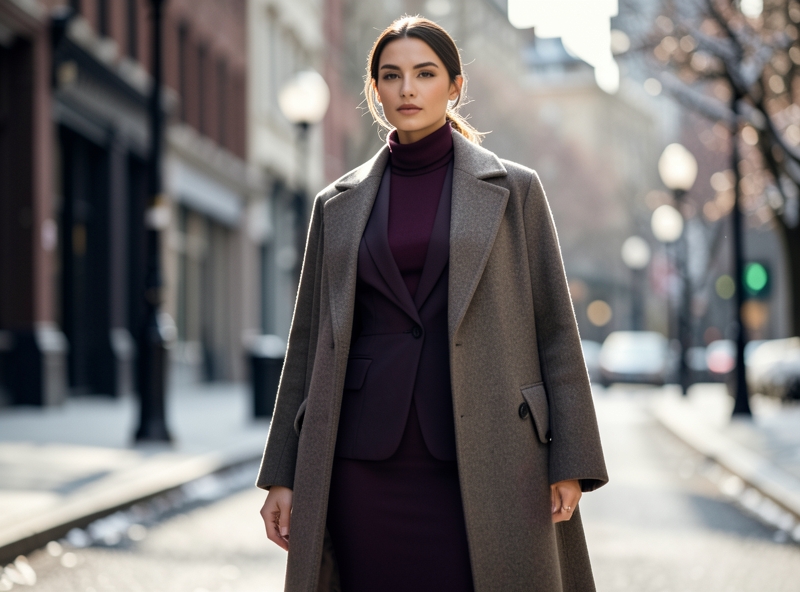
- Long Coat (Overcoat/Trench coat): The ideal length ends at mid-calf, revealing about 15-20 cm of your ankle or trouser hem. Avoid awkward lengths right at the knee crease—the "deadly" spot that cuts your legs in half.
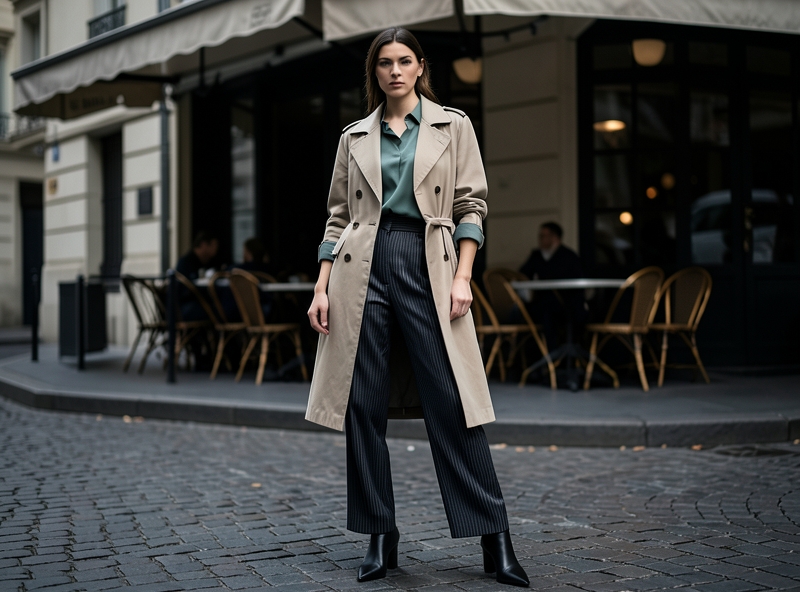
"The essence of master-level style lies not in the price tag of your clothes, but in the pauses between hems. When your garment hems play tag with varying lengths, you are composing a visual symphony—where your legs are always the highest note."
The precise length allocation table below completely eliminates the risk of looking "swallowed by clothes" when combining everyday outfits:
| Garment Style | Standard Length (Hemline) | Optimal Gap / Layering Hem | Visual Effect Created |
|---|---|---|---|
| Crop Top + High-Waisted Pants | Hits upper waist (just below the ribs) | Exposes 2-3 cm of skin or slightly overlaps waistband | Creates a perfect 1/3 proportion, maximizing leg elongation. |
| Curved-Hem Shirt + Sweater | Shirt hem past hips, sweater at waistband | Shows 3-5 cm of curved hem below the sweater | Softens hip frame, drawing eyes vertically. |
| Oversized Blazer + Skirt/Pants | Hits mid-thigh or covers the buttocks | Inner layer is noticeably shorter or tucked into high waist | Creates a power silhouette, completely disguising thick waist and wide hips. |
| Long Coat (Overcoat) | Mid-calf (15-20 cm above ankle) | Exposes 5-10 cm of inner pants/skirt hem or ankles | Creates an elegant vertical frame, concealing thigh and knee flaws. |
Instead of chasing aimless trends, mastering the rules of length and hem spacing is the ultimate key to restructuring your silhouette. Stand in front of the mirror, adjust your shirt hem or roll up your trouser cuffs by just 2 cm—you will witness a dramatic transformation in your height instantly.
4. Color Formulas and Accessory Accentuation for Layered Outfits
Dressing well in cold weather isn't about how many layers you pile on, but about how you control the onlooker's visual perception. The line between a stylish fashionista and a "walking blanket" is razor-thin. Layering outfits can easily swallow your frame, making the overall look appear bulky and cramped. To master this technique, you need to command two ultimate weapons: visual color harmony rules and silhouette-shaping techniques using accessories.
Below are 3 classic color formulas that instantly elevate layered outfits while completely eliminating any cluttered feel:
- Monochrome: Wear a single color tone from head to toe. This is the most magical body-lengthening algorithm. The color continuity completely eliminates horizontal cuts across the body, making you look taller and slimmer. To avoid making the outfit a boring monolith, the secret lies in textural contrast: combining the sheen of leather, the fluffiness of knitwear, and the structure of denim.
- Tonal (Shades of the same tone): Play with adjacent color gradients. For instance, start with cream on the innermost layer, transition to camel on a cardigan, and finish with a deep espresso brown on the outermost long coat. This combination creates valuable visual depth, demonstrating the wearer's high level of sophistication.
- Pop of Color (The 80/20 Rule): Keep 80% of the overall outfit in safe neutral tones (black, gray, charcoal, beige). The remaining 20% is an explosion of a vibrant hue like cherry red, cobalt blue, or burnt orange. This pop of color can make a surprise appearance in an inner turtleneck layer, a scarf, or peeking socks.
| Color Formula | Suggested Fabric Combinations | Silhouette Effect | Wearability |
|---|---|---|---|
| Monochrome (All-Black/Beige) | Satin silk top + Thin wool cardigan + Long wool coat | Sophisticated, maximizes body lengthening, hides belly/thigh imperfections | Ideal for office & elegant events |
| Tonal (Graduated Shades) | White cotton t-shirt + Taupe sweater + Camel trench coat | Creates artistic depth, youthful, luxurious | Suitable for street style, business meetings |
| Pop of Color (80/20) | Neutral gray suit + Scarlet red wool scarf / Statement tie | Draws eyes to strengths, breaks cold-weather gloom | For those wanting to express personal flair |
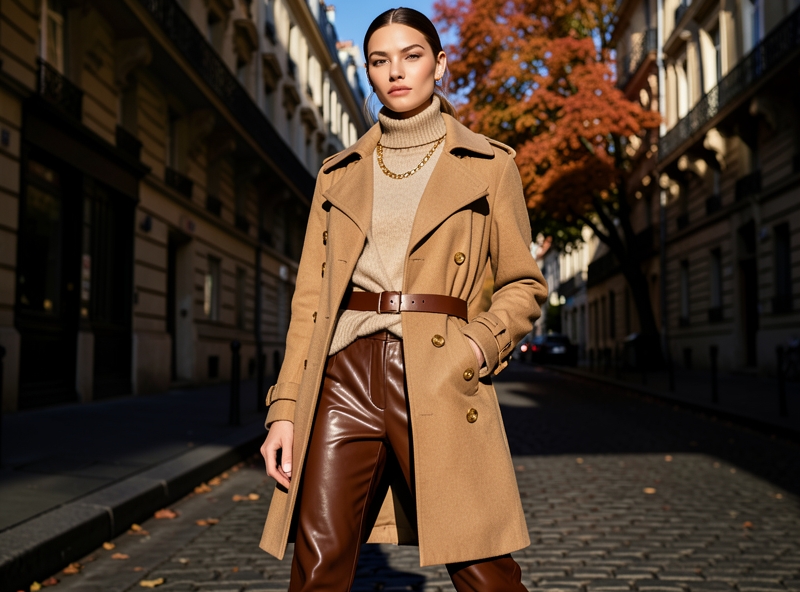
Color addresses visual appeal, but accessories are the key to crafting your silhouette. When layering 3–4 heavy garments, the ideal 1/3–2/3 body proportion can easily be lost. Never let yourself get swallowed by piles of fabric. Apply these 3 essential "lifesavers" right away:
1. Belt – The Waist-Redefining Anchor: Don't just use belts for pants. Gently cinch a medium-width leather belt (2-3 cm) right at your natural waistline, **over a blazer, cardigan, or long coat**. This simple trick instantly creates an hourglass effect, gathering excess fabric and making your legs look visibly longer.
2. Scarves – Create Vertical Lines to Fake Height: Instead of wrapping a scarf multiple times around your neck—which creates a "stubby neck" look—try letting both ends hang freely down the front of your outerwear. This draped style creates two parallel lines that visually elongate your frame, making you look noticeably slimmer even when wearing a puffer or thick wool coat.
3. Metal Jewelry (Jewelry Stacking) – A Visual Focal Point: Fabrics like heavy wool, felt, and fleece tend to have a matte, heavy texture. Break up that bulk by accenting with metallic jewelry (shiny gold or silver). A layered chain necklace draped over a black turtleneck, or a pair of chunky earrings, creates an immensely valuable light-catching spot, drawing eyes up toward your face rather than down to your lower body.
"Layering is not the addition of clothes; it is the multiplication of aesthetic thinking. When you know how to control color tones and use accessories to define your silhouette, layered outfits transform into the ultimate power armor of fashion."
5. Conclusion
The art of layering was not created to turn you into a bulky "walking clothing rack." It is the most refined benchmark of aesthetic vision, mastery of fabrics, and a statement of individuality for a true fashion enthusiast. When you master layering, you aren't just dressing well—you're turning every outfit into a miniature piece of architectural art on your body.
To fully master this technique, always remember the Golden Triangle of Layering – the three pillars that define a high-class look:
| Pillar | Core Principle | Practical Application |
|---|---|---|
| Texture | Gradually increase thickness from the inside out. Contrast fabric surfaces to create visual depth. | Soft silk/linen as the base layer $\rightarrow$ Wool/Cashmere as the middle layer $\rightarrow$ Leather/Wool-blend/Trench coat as the outer layer. |
| Proportions | Distinct layering (Hemline Hierarchy). Apply the golden ratio of 1/3 - 2/3 to avoid overwhelming your frame. | A shirt hem peeking subtly beneath a sweater, paired with a knee-length coat to create a leg-lengthening effect. |
| Palette | Maximum of 3 main color groups. Use the middle layer as a transition or a statement accent. | A monochrome base layer inside, a striking pop of contrasting color in the middle, anchored by a neutral outer layer. |
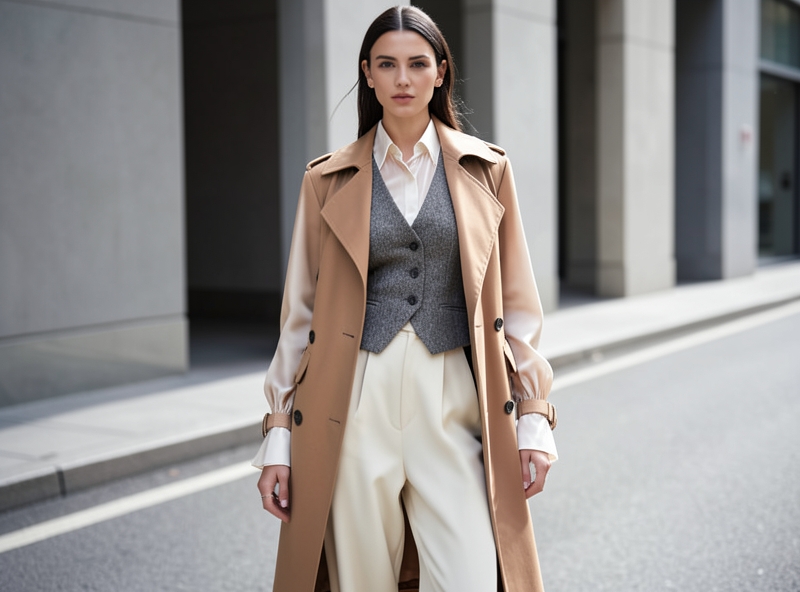
"Fashion isn't about how many expensive items you put on, but how you create harmony between spaces, textures, and shades."
Don't hesitate to step out of the "comfort zone" of monotonous outfits. Start with the simplest formulas: an untucked poplin shirt underneath a crewneck cable-knit sweater, topped with a well-structured blazer. Confidence doesn't appear on the very first try; it is built each time you dare to step out in a new combination.
Open your wardrobe today, re-evaluate your existing heritage pieces, and start creating. A professional, captivating, and distinct personal style is well within your reach.