1. Overview: The Importance of Attire in Making an Interview Impression
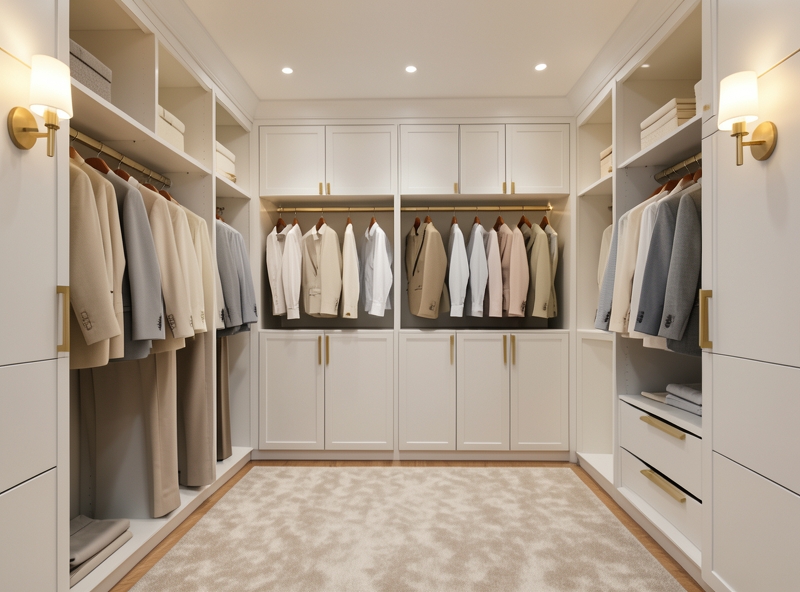
The harsh reality of the hiring room: Before you even say hello, the verdict on your professionalism has already been decided. Before you have a chance to showcase your outstanding degree or years of battle-tested experience, the outfit on your back silently transmits a series of signals that shape the recruiter's mindset.
Behavioral psychology calls this the "Thin-Slicing" phenomenon. Within the very first 7 seconds of non-verbal communication, the human brain automatically triggers a visual scanning mechanism to reach conclusions about trustworthiness, competence, and suitability. Attire is the largest contributing factor to that "thin slice." Every detail—from the crispness of the collar, the fit of the shoulder line, to the shade of the fabric—functions like an algorithm predicting your job performance.
"Attire doesn't turn an incompetent person into a genius, but a sloppy outfit can certainly eliminate a talent right at the gate."

From the perspective of seasoned HR professionals, appearance is not merely a matter of personal aesthetics. It is a non-verbal competency report decoded through 3 core aspects:
- Respect for the organization: A well-groomed appearance aligned with corporate cultural norms is the clearest proof that you have researched the company thoroughly. When you take the time to prepare a flawless outfit, recruiters understand that you value this opportunity.
- Attention to Detail: A wrinkled shirt or dusty shoes signal red flags about carelessness. Someone who cannot manage their personal appearance is often doubted regarding their ability to manage projects or control quality in complex tasks.
- Readiness to represent the brand: Every hired employee is a brand ambassador. Recruiters always ask themselves: "Am I confident taking this candidate to meet an important partner tomorrow?". Your attire is the most direct visual answer.
Look at the contrast between the two mindsets below to understand why many highly skilled candidates are still regrettably rejected:
| Appearance Detail | Unconscious Signal Transmitted | Recruiter's Evaluation |
|---|---|---|
| Well-fitted, neatly pressed silhouette | Confident, disciplined, organized, and possesses strong self-control. | Has management capability, clear thinking, and is ready for major responsibilities. |
| Attire misaligned with company culture | Inflexible, lacks thorough research on the company, out of touch with reality. | Struggles to fit into the environment, incurs re-training costs regarding culture. |
| Disheveled, sloppy details | Careless, disrespectful of the appointment, works based on spontaneous impulses. | Risk of damaging corporate image, high potential for errors. |
Don't let style flaws extinguish your career opportunities. Investing in interview attire is not a luxury, but the highest-ROI personal positioning strategy before stepping into an intense professional battle of minds.
2. Psychological Impact of Color: Choosing Shades that Convey Trustworthiness
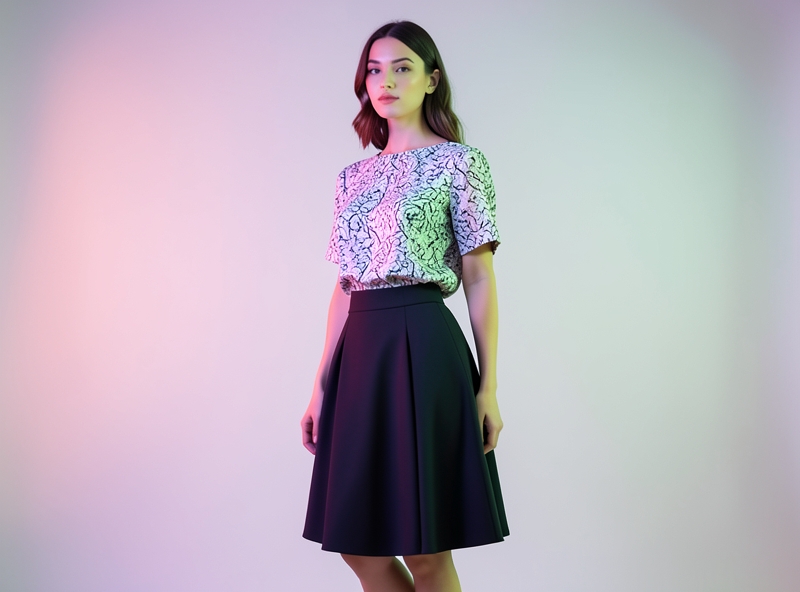
Before you even speak, your appearance has already delivered a 7-second presentation. In business negotiations or strategic partner meetings, choosing the wrong outfit colors can ruin your professional standing faster than a sloppy presentation slide. Color psychology in fashion goes beyond aesthetics; it is a calculated tool for visual emotional influence, directly determining whether the other party wants to place their trust and budget in your hands.
To build an authoritative, calm, yet highly persuasive presence, you need to master the "power" color palette backed by behavioral science below:
| Strategic Color Palette | Psychological Signals Emitted | Optimal Application Scenarios | Counterpart's Intuitive Perception |
|---|---|---|---|
| Navy Blue | Absolute trust, discipline, composure | Closing deals, fundraising, media appearances | "This person is reliable, professional, and in full control of any situation." |
| White / Cream | Transparency, meticulousness, flawless perfection | Meeting high-end clients, launching new products | "Their thinking is clear, transparent, and values sophistication." |
| Charcoal / Black | Stability, power, professional boundaries | Leading meetings, negotiating from a position of power | "A heavyweight figure who is hard to push around and full of confidence." |
| Earth Tones | Calmness, practicality, sense of security | HR management, 1-on-1 deep consulting, internal bonding | "They listen, are genuine, and possess a solid foundation." |
The truth is: Navy Blue has always been the "king" of the elite wardrobe. The human brain automatically associates dark blue with the ocean and the sky—timeless elements that instill a sense of calm and eliminate defensive mindsets in others. Wearing a precisely tailored Navy Blue suit or blazer implicitly signals commitment and superior action-oriented competence.
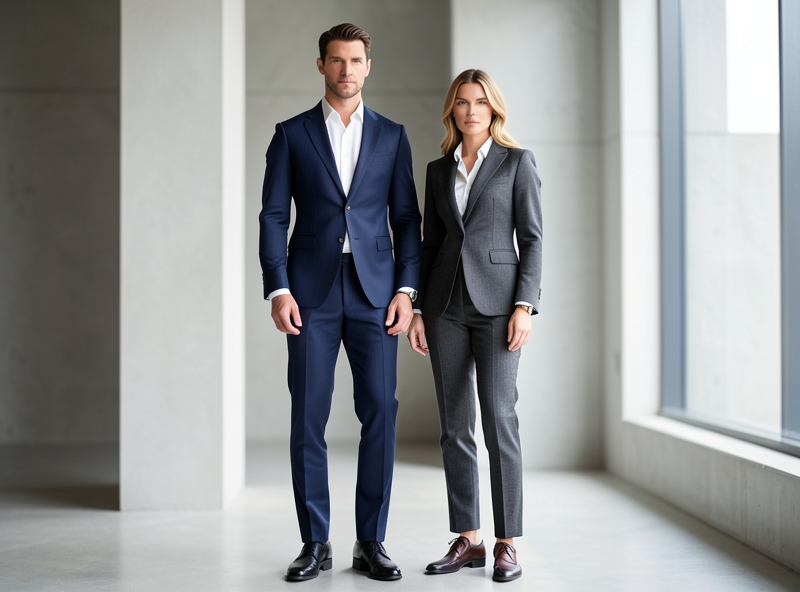
Alongside this, the combination of pure White or premium Cream acts as a visual palate cleanser. A crisp, wrinkle-free white shirt is a subtle declaration of meticulousness. If you cannot keep your own outfit impeccable, how can clients trust you with multi-million-dollar projects?
However, the fatal mistake most people make is overloading on details or straying into overly loud colors. To master a minimalist style that leaves a powerful impression, you must strictly adhere to the following color-matching principles:
- Apply the 60 - 30 - 10 rule: 60% for the dominant color (Navy, Charcoal), 30% for the secondary color (White, Cream), and a maximum of 10% for accent pieces (such as a tie, watch, or handbag).
- Eliminate "visual noise": Completely avoid neon, high-saturation bright red, or lemon yellow in decisive meetings. These shades trigger the adrenal glands to release cortisol, easily causing feelings of threat, distraction, and anxiety in viewers.
- Prioritize medium contrast: The combination of charcoal gray and cream white conveys power while remaining open and far more approachable than an all-black ensemble, which can easily feel distant and conservative.
"Trustworthiness does not come from trying to stand out with screaming colors, but from the ability to control the visual emotions of the person in front of you from the very first glance."
The fine line between a top-tier expert and a bland dresser lies in the subtlety of shade management. It is time to rethink your wardrobe not from the perspective of "what looks good," but rather "what percentage of trustworthiness do I need to convey today" through the strategic color palette you choose to wear.
3. Choosing Outfit Styles According to Corporate Culture
An expensive outfit cannot save an appearance that is culturally misaligned. Before you speak to assert your competence, the visual language of your attire has already sent a subtle message about your level of understanding and respect for the surrounding environment. Wearing the wrong style not only creates personal embarrassment, but can also inadvertently lose a partner's trust within the very first 7 seconds of contact.
Every industry and organization has its own distinct dress code. Accurately deciphering this code is a strategic step toward positioning your professional credibility.
Traditional Environments & Large Corporations (Formal / Business Attire)
In investment banks, multinational corporations, legal agencies, or strategic management firms, standards and authority are the common denominators. Clients entrust large financial resources or their careers to you based on a sense of security and discipline.
- Core Attire: A well-tailored 2-piece or 3-piece suit in classic tones such as deep navy blue or charcoal gray. A white or light blue shirt with a spread collar is always an absolute safe choice.
- Defining Accessories: A solid silk tie or subtle micro-pattern tie, paired with dress shoes crafted from full-grain leather, such as Oxford or Derby shoes with a gentle polish.
Creative Environments, Tech & Startups (Smart Casual)
The fields of technology, media, and design celebrate flexibility, groundbreaking thinking, and an innovative spirit. However, the line between "modern liberalism" and "disrespectful sloppiness" is extremely thin.
- Core Attire: An unstructured blazer combined with a minimalist shirt, crew-neck knitwear, or a premium fine-knit polo shirt. Tapered trousers or neatly fitted chinos serve as perfect alternatives to traditional dress pants.
- Subtle Accents: The addition of loafers (suede or leather) or a pair of clean, minimalist leather sneakers completes a dynamic look while fully maintaining professionalism.

| Criteria | Traditional Environment (Formal) | Creative/Tech Environment (Smart Casual) |
|---|---|---|
| Style Signal | Authoritative, disciplined, trustworthy | Flexible, progressive, open-minded |
| Main Attire | Bespoke suit, poplin shirt, tie | Unstructured blazer, chinos, polo/knitwear |
| Preferred Fabrics | Super 120s - 150s wool, Egyptian cotton | Cotton twill, linen blends, lightweight wool flannel |
| Attire Mistakes to Avoid | Oversized suits, wrinkled shirt tails, unkept shoes | Ripped jeans, graphic t-shirts, sloppy sandals |
"Fit creates power; fabric creates value. When your image aligns perfectly with the corporate atmosphere, all initial barriers of prejudice automatically collapse."
Two Factors Defining Value: Fit & Fabric
Regardless of the style you pursue, the following two principles serve as the most rigorous test of aesthetic taste for a senior executive:
1. The Perfect Fit: A suit worth thousands of dollars can look like a "borrowed outfit" if the shoulders are too wide, the sleeves extend beyond the thumb joint, or the trouser legs bunch up heavily over the instep. A perfect fit must follow the body's natural contours, highlighting strengths and disguising flaws without restricting movement.
2. The Premium Fabric: Fabric is the first thing that catches the eye and invites touch. Prioritize natural fibers such as wool, Pima cotton, silk, or premium woven linen. These materials not only offer natural drape and exceptional breathability, but also maintain a consistent shape throughout a long workday, completely eliminating the cheap sheen of low-quality synthetic fibers.
4. Subtle Sophistication in Details: Accessories and Mistakes to Avoid
A thousand-dollar outfit can be completely ruined by a stained pair of shoes or an overpowering perfume in a closed space. Accessories do not just complete a look; they are a subtle measure of self-discipline and respect for your partners. It takes only 7 seconds for someone to form a first impression, and 90% of the most scrutinized details lie in the small things that most people overlook.
Ultimate accessory styling rules for a professional appearance:
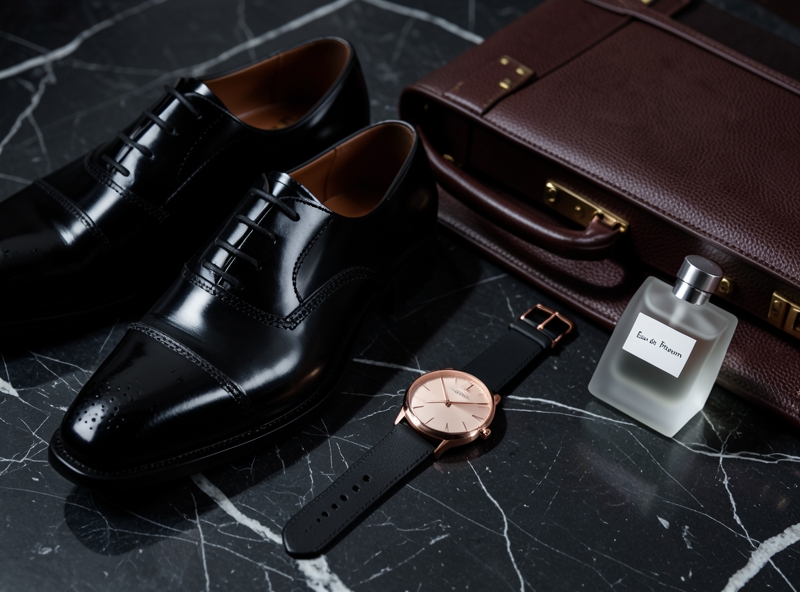
- Dress shoes and high heels: Shoes serve as the "anchor" for the entire outfit. Men should prioritize polished genuine leather Oxfords or Derbies in black or chestnut brown. Women should opt for closed-toe pumps (ideal height of 5 - 7 cm) in neutral shades like black, nude, or cream. Absolutely remove scuffed, worn-down, or dirty shoes from your work wardrobe.
- Watches and handbags: A minimalist leather- or metal-strap watch always signals time mastery. Turn off notification pop-ups on smartwatches during critical negotiations. For handbags, prioritize a structured shape that is spacious enough to hold documents without losing form or sagging.
- Jewelry and fragrance: Strictly apply the "Rule of No More Than 3"—a maximum of 3 metal jewelry pieces on your body (including rings, necklaces, earrings, or cufflinks). Regarding fragrance, choose subtle notes of wood, white amber, or mild musk with a scent radius within an arm's length (0.5m). An overpowering scent will instantly turn you into an "air disaster" in a closed meeting room.
"Perfection does not come from grand gestures; it is crafted from meticulous attention to every fold of your clothing and the smallest accessories you wear."
Silent killers that strip away your professional image:
Even when wearing expensive brands, you can still fail to build trust if you commit the basic wardrobe mistakes below:
| Critical Mistake | Negative Psychological Impact | Comprehensive Solution |
|---|---|---|
| Wrinkled clothing | Creates an impression of carelessness, lack of preparation, and disrespect toward others. | Use a standing garment steamer. Always hang and prepare neatly ironed clothes the night before. |
| Improper fit (Too tight / Too loose) | Clothing that is too tight looks uncomfortable and reveals flaws; overly loose garments look borrowed and lack confidence. | Opt for custom tailoring or hire a professional tailor to adjust shoulders, sleeve lengths, and trouser hems for a perfect fit. |
| Visible underwear lines or colors | Appears offensive and unpolished, distracting your partners' focus. | Use seamless underwear and choose skin-tone nude shades when wearing light-colored outfits. |
| Overly casual style | Ripped jeans, stretched T-shirt collars, or flip-flops will get you labeled as "unprofessional." | Understand the dress code rules of your environment. When in doubt, opt for a style that is one notch more formal. |
Paying attention to details is not vanity; it is the highest-yielding investment strategy for your personal brand. Spending 30 seconds checking your appearance in the mirror before entering any crucial meeting ensures that no minor flaw stands in the way of your success.
5. Conclusion
Recruiters take less than 7 seconds to make a first impression of you—long before any brilliant answer is spoken. Attire has never been a frivolous matter; it is the most powerful non-verbal communication weapon. Every seam, color shade, or crisp fold silently sends a message about the discipline, professional mindset, and personal credibility of a top candidate.
Turning fashion into an ally doesn't mean wearing expensive outfits or chasing fleeting trends. The key lies in understanding the context and aligning values. A polished, well-fitting outfit acts as "mental armor," freeing you from self-consciousness to focus entirely on demonstrating your core competencies.
"Style is not a mask to hide behind in front of recruiters. It is a mirror reflecting professional self-respect and the ability to command the room like an exceptional professional."

To turn your appearance into a tool that translates recruitment opportunities into actual results, reshape your mindset on attire through two contrasting perspectives:
| Conventional Mindset (Reactive Attire) | Breakthrough Mindset (Strategic Style) |
|---|---|
| Dressing forcibly just to "please" the interviewer's eye. | Using attire to trigger intrinsic confidence. |
| Chasing luxury brands while lacking proper fit. | Prioritizing a perfect fit and meticulous attention to every detail. |
| Diluting personal identity in dull uniforms. | Expressing personal credibility and sophistication through fabric and color. |
Stop treating interview outfit preparation as an administrative formality. This is your very first round of negotiation with the company. By presenting an aesthetically refined image and absolute respect for the meeting, you have already gained 50% of the upper hand.
Building authentic confidence starts with feeling comfortable and proud in the clothes you wear. Step into the interview room with the mindset of a problem solver, where attire is no longer a barrier, but the perfect launching pad to win over even the toughest hiring managers.