1. The Humidity Challenge: The Invisible Enemy of Homes in Hot Climates
In journeys along the S-shaped land, from ancient garden houses in the old capital of Hue to modern townhouses in Saigon, I have recognized a common "breath" of the tropical monsoon climate: humidity. Humidity is not just numbers on a hygrometer; it is a vivid entity, creeping into every brick gap and wood grain. In architectural anthropology, a house is considered a living organism, and humidity is the foreign element that constantly tests the endurance of that entity. In Vietnam, with average annual humidity levels frequently exceeding 80%, we are living in a giant "water tank" invisible to the naked eye.
"Humidity in a hot climate home is like an uninvited guest, bringing abundance to the surrounding flora while silently stripping away the splendor of the walls and the fresh breath of the inhabitants."
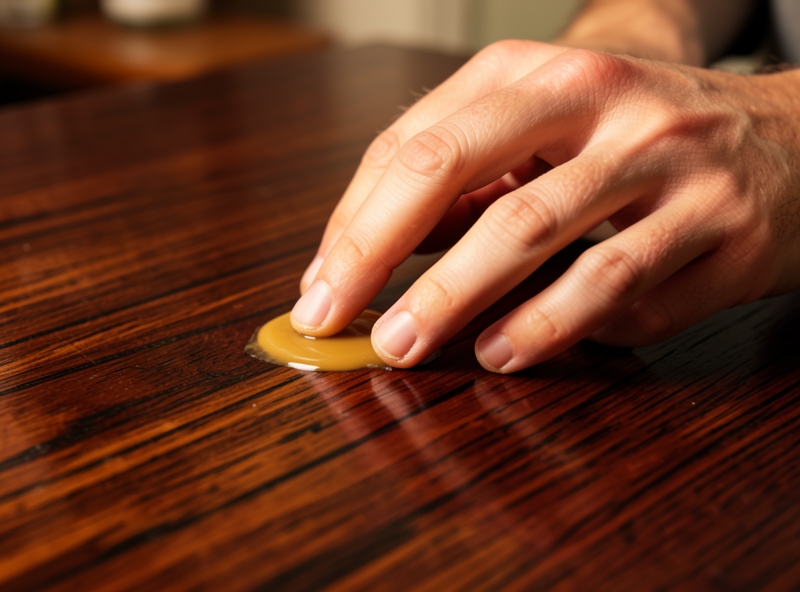
The devastation of humidity begins with seemingly minor but systematic aesthetic symptoms. Yellow stains and patches of green moss appearing on walls are not just issues of color; they are signs of biological invasion. As mold begins to proliferate, it secretes enzymes that break down chemical bonds in paint and mortar, leading to peeling and blistering. For wooden structures – the soul of traditional architecture – high humidity is the leading cause of rot, reducing load-bearing capacity and turning precious furniture into ruins after just a few rainy seasons.
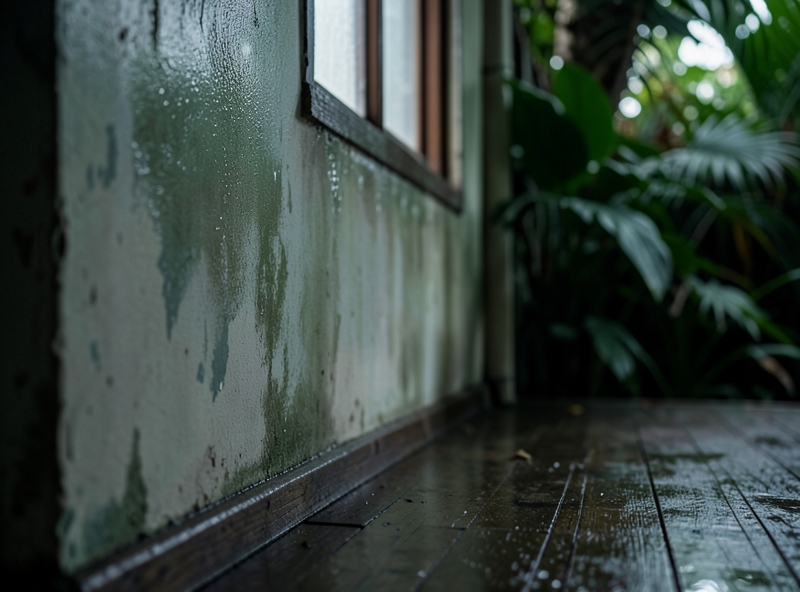
Even more concerning than material damage is the direct impact on the health of residents. Mold and fine dust particles trapped in humid air are the source of a range of respiratory problems. Tiny fungal spores, invisible in the air, cause allergies, asthma, and skin diseases when inhaled into the lungs. In the communities I have observed, houses lacking natural light and ventilation always have significantly higher rates of members with chronic illnesses. This is no longer a matter of a few dirty corners; it is a story of quality of life and human safety.
| Impacted Object | Negative Manifestations | Long-term Consequences |
|---|---|---|
| Building Structure | Peeling paint, wall seepage, cracked mortar. | Reduced building lifespan, expensive overhaul costs. |
| Wood & Fabric Interior | Wood rot, mold on sofa surfaces and curtains. | Damage to items, causing a characteristic musty smell. |
| Human Health | Allergies, allergic rhinitis, shortness of breath, skin fungus. | Weakened immune system, especially in children and the elderly. |
We often have the habit of dealing with mold through temporary solutions: applying a new coat of paint, using temporary cleaning agents, or turning on a dehumidifier only when the walls are wet. However, from a sustainability perspective, controlling humidity requires a systematic and in-depth strategy. It must be a combination of understanding wind direction, natural ventilation techniques, and the application of advanced waterproofing materials. Instead of just "firefighting" when an incident occurs, homeowners need to establish an indoor ecosystem capable of self-regulating and resisting moisture intrusion from the start.
2. Decoding the Principle of Condensation and Mold Formation
Don't be quick to blame the quality of the wall paint or the humid weather when you see patchy walls. In reality, your home is a victim of a basic physics experiment that you have failed to control. To treat the "illness," first stop listening to advertisements for miraculous air purifiers and look directly at the nature of the dew point.
Imagine the air as a sponge. At a certain temperature, this "sponge" can only hold a maximum amount of water vapor (saturation humidity). When a stream of hot, humid air touches a surface with a temperature lower than the dew point, it is forced to "squeeze" out the excess water. The result is tiny droplets of water settling – the phenomenon of condensation. In tropical countries, the massive temperature difference between the 20°C air conditioning inside and the 90% humidity outside creates thermal "dead spots" at aluminum window frames, wall corners, or positions lacking insulation materials.
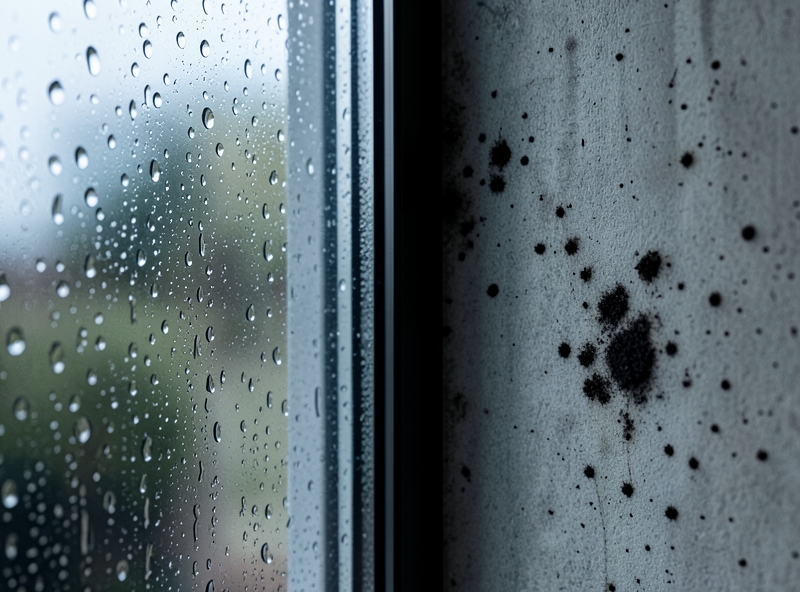
"Mold does not naturally arise from filth; they are opportunists waiting for the cooling of surfaces to turn moisture into a source of life."
After water condenses, the worst-case scenario begins: the appearance of mold. Mold spores are actually always present in the air, but they need a "perfect combo" of conditions to break out, which you often inadvertently provide:
- Relative Humidity: Simply maintaining it above 60% for 48 hours activates the mold's growth mode.
- Organic Food Sources: Plaster, wallpaper, dust, or even the coat of water-based paint that the seller claims is "anti-mold" but actually contains plenty of easily decomposable organic compounds.
- Stagnation: Hidden corners behind wardrobes or under beds are places with poor air circulation, making the dew point easy to reach and maintain longer.
| Factor | Risk Threshold | Actual Consequence |
|---|---|---|
| Air Humidity | > 70% | Wall surfaces start to "sweat," feeling sticky. |
| Temperature Difference | Δt > 5°C | Local condensation at thermal bridges (window frames, column corners). |
| Water Stagnation Time | 24 - 48 hours | Fungal spores germinate and form a network of filaments (mycelium). |
Many people mistakenly believe that opening windows wide when it's humid will help "evaporate" water, but in reality, you are inviting liters of additional moisture into the house to continue condensing on the cool walls left by the air conditioner. Understanding this principle helps us realize that: Mold prevention is not about cleaning up those black patches, but about managing the temperature difference and thoroughly controlling humidity at contact points.
3. Ventilation Techniques: The "Natural Lung" System for the Home
In the philosophy of minimalist living, living space is defined not only by tangible objects but also by the atmosphere we breathe every day. A house that knows how to "breathe" not only brings relaxation but is also a sustainable, cost-effective way to protect the building structure and family health.
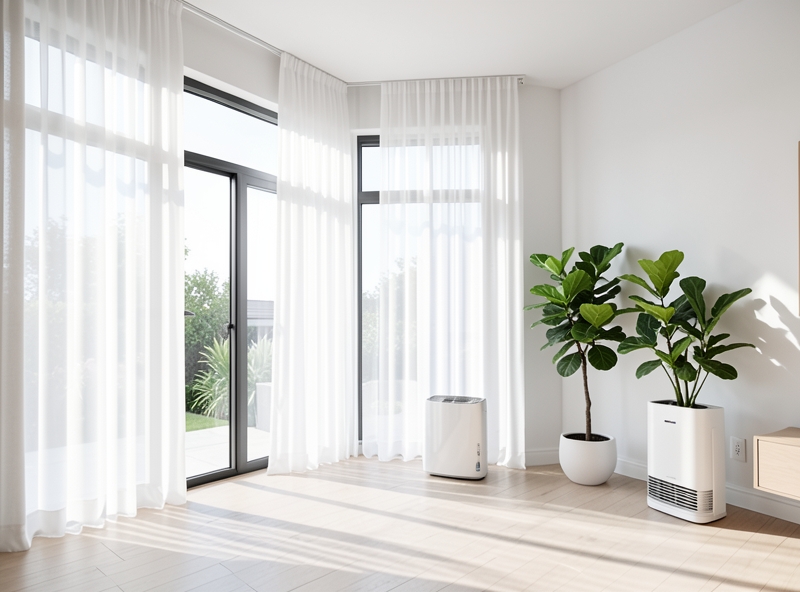
Natural ventilation (passive) is the core solution for maintaining the freshness of the home. The most important technique is cross-ventilation. By opening windows or doors on two opposite or perpendicular sides, you create a pressure difference, allowing cool breezes to enter and pushing hot air and musty odors out. Instead of installing too many power-consuming cooling devices, understanding wind direction and arranging furniture for openness is an expression of smart consumption.
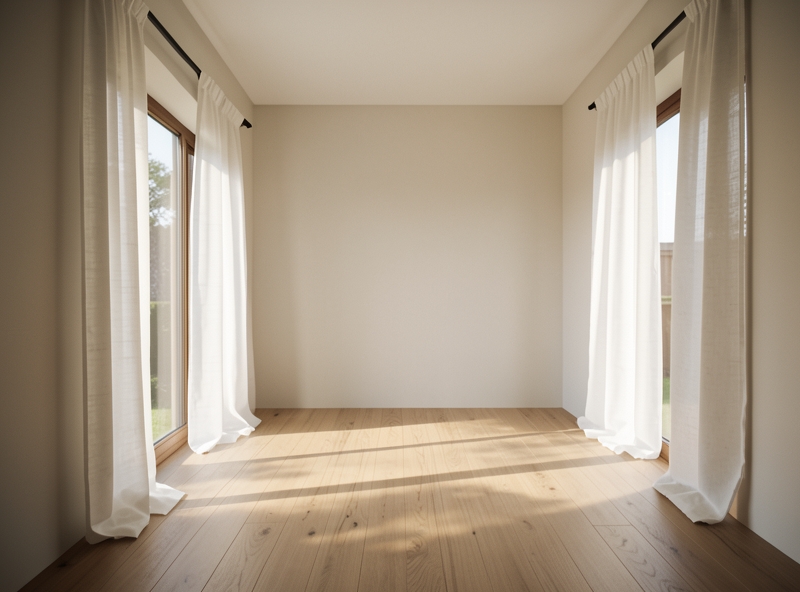
For tube houses or narrow spaces, utilizing skylights and vents is the optimal solution. Skylights operate on the principle of temperature: lighter hot air rises and escapes through the top of the well, creating suction for cool air from lower floors to flow in. This is a natural "respiratory system" that helps minimize dependence on air conditioners.
"True comfort does not come from expensive equipment, but from how we harmonize with natural light and air."
However, we need to be mindful in regulating airflow depending on the weather. A common mistake many families make is opening windows wide during humid weather in hopes that the wind will dry the house. In reality, this action allows outside moisture to flood in faster, condensing on floor and wall surfaces, causing damage to furniture. During these days, keep the house dry by closing doors and using only specialized dehumidifying measures.
| Method | Main Function | Notes from a Minimalist Lifestyle |
|---|---|---|
| Passive Ventilation (Windows, Vents) | Fresh air circulation, natural heat reduction. | Top priority, zero operating costs. |
| Forced Ventilation (Exhaust Fans) | Handles odors and humidity in kitchens and bathrooms. | Use only when absolutely necessary to save energy. |
| Skylights / Ventilation Pipes | Creates vertical convection for townhouses. | One-time investment, long-term utility value. |
In sensitive areas such as the kitchen and bathroom, where odors and moisture accumulate, installing forced ventilation fans is a necessary investment. Instead of letting mold ruin the interior and cause expensive repairs, an exhaust fan with appropriate capacity will keep the space dry, protecting the core values of the home. Choose low-noise devices so as not to affect the peace of daily life.
4. Natural Moisture-Absorbing Materials and Surface Structural Solutions
In the philosophy of minimalist living, the choice of construction materials goes beyond aesthetics to focus on sustainable interaction with the environment. Instead of relying on energy-consuming electronic devices, we can leverage the natural "breathing" properties of traditional materials to regulate humidity, creating a balanced and tranquil living space.
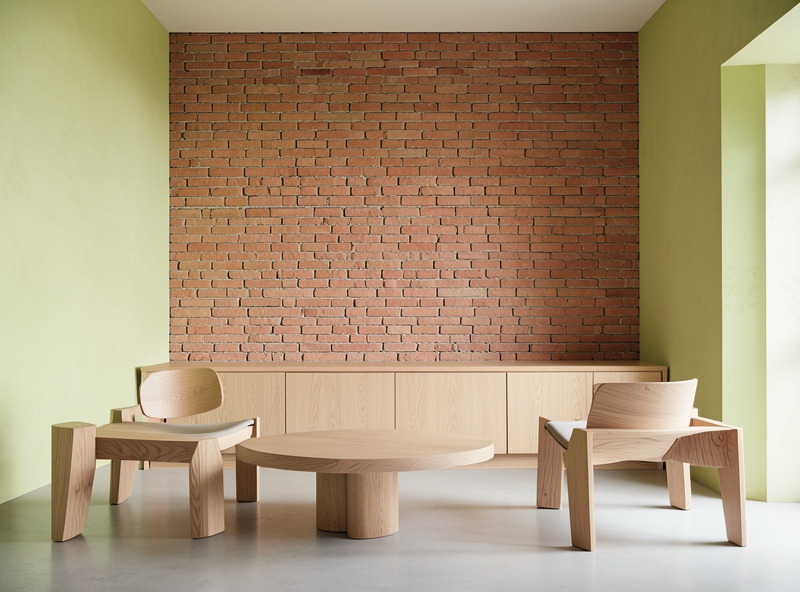
Materials such as fired clay bricks, lime, and plaster possess special capillary structures, allowing them to absorb water vapor when humidity is high and release it back when the air is dry. In particular, silicate-based paint – an inorganic paint capable of deep penetration into the surface – does not create a sealed plastic film like conventional paints, helping walls maintain their natural gas exchange capacity and preventing mold at its roots.
| Material Type | Moisture Regulation Mechanism | Core Values |
|---|---|---|
| Fired clay bricks | Natural capillary systems absorb excess water vapor. | Sustainable, rustic, and good heat dissipation. |
| Lime & Plaster | Naturally antibacterial, excellent surface moisture control. | Air purifying, safe for health. |
| Silicate-based paint | Chemically bonds with the surface, no gas-blocking film. | Easy vapor escape, prevents peeling. |
In addition to raw construction materials, prioritizing furniture made from natural wood or plant fibers such as rattan, bamboo, and seagrass is a smart choice. Wood not only brings visual warmth but also acts as an auxiliary "lung," helping to stabilize the microclimate in the room. These items become more spiritually valuable the longer they are used, helping us move away from a lifestyle of fast consumption and waste.
"A truly peaceful home is where every material has the ability to self-balance and move in rhythm with nature."
Regarding structure, a fundamental solution often overlooked is external wall insulation. By installing insulation on the outside of the surrounding walls, we keep the internal wall surface temperature stable, preventing it from dropping excessively during cold or humid weather. This eliminates the temperature differential – the main cause of water vapor condensation (sweating) on walls. Investing once in the surface structure will help save on operating and maintenance costs for the home over many decades, moving towards a peaceful life less dependent on machinery.
5. Supporting Technologies and Lifestyle Habits to Combat Humidity
Never let your home fall into a "passive" state before humidity. In the battle against the destruction of mold and bacteria, discipline in habits and wisdom in applying technology are your ultimate weapons. If you want to protect your living space, you must act decisively and systematically starting now!
Modern technology was created to serve people, but you must know how to control it most effectively. Don't just turn on a device and leave it there. Master the parameters to optimize performance and save electricity.
| Device | Optimal Mode | Achieved Effectiveness |
|---|---|---|
| Air Conditioner | Dry Mode (Water Drop) | Dehumidifies quickly, maintains dryness without causing excessive cold. |
| Dehumidifier | Auto 50-60% | Maintains the ideal humidity threshold for health and furniture. |
| Smart Sensors | Real-time Alerts | Monitor indices continuously via Smartphone for timely intervention. |
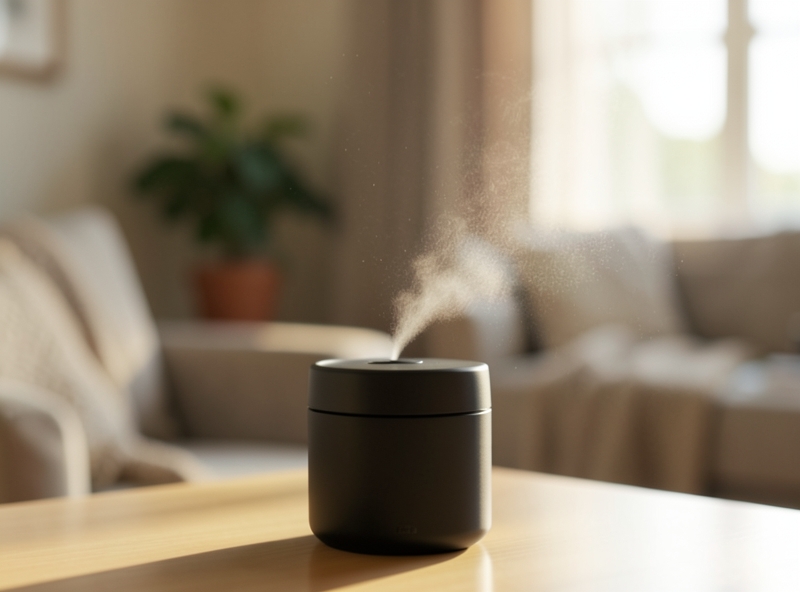
Using the air conditioner in Dry mode is a lifesaver during days of peak extreme humidity. However, if you want a more specialized and energy-efficient solution, invest in a dedicated dehumidifier. This is an investment in health, not a luxury expense!
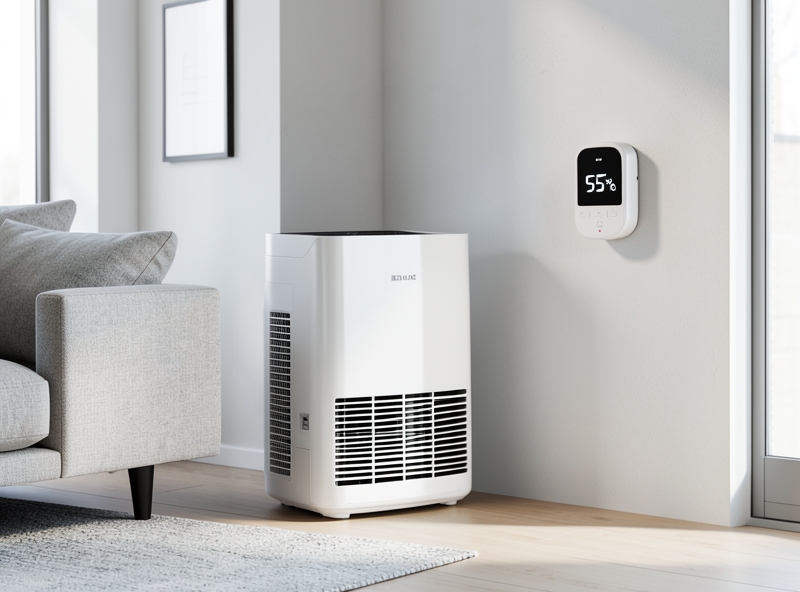
"The difference between a clean house and a moldy house lies in the discipline of the owner. Don't wait until the walls start sweating to take action."
Besides technology, lifestyle habits are your second line of defense. All mechanical efforts will be meaningless if you still maintain bad habits that aid humidity. Establish a strict living routine:
- Absolutely do not hang wet clothes indoors: Damp clothes are a massive source of moisture release. If you don't have a dryer, only hang clothes in well-ventilated balcony areas.
- Activate the range hood 100% of the cooking time: Steam from cooking can increase the humidity of the entire house in just a few minutes. Don't be lazy!
- Periodically inspect for leaks and seepage: Once a month, check wall corners, ceilings, and water pipes. Detect early, fix cheaply. If you leave it too late, you will pay the price with the entire structure.
Finally, bring sensor technology into your life. Owning smart humidity sensors helps you receive immediate notifications when humidity exceeds the allowed threshold (usually above 70%). This allows you to command the dehumidifier to operate remotely, ensuring the house is always in its perfect state before you return home.
Action Plan:
- Step 1: Buy at least 1 hygrometer (or smart sensor) immediately to place in the bedroom and living room.
- Step 2: Establish the habit of turning on the range hood and opening the kitchen window while cooking.
- Step 3: On days when humidity is >80%, turn on the dehumidifier or the air conditioner's Dry mode for at least 2-3 hours per day.
- Step 4: Inspect all faucets and pipe joints in the house this weekend to eliminate the risk of silent leaks.
6. Conclusion
The journey to find balance in a living space is not merely a battle against steam condensation, but a subtle dialogue between humans and the laws of nature. From limestone houses standing tall in the Mediterranean sun and wind to the wide-open eaves of the tropics, our ancestors passed down the codes of survival through the way they mastered humidity. Moisture control, therefore, becomes an art of living, where an understanding of physics blends with architectural aesthetics.
"A sustainable home is not a closed fortress, but an entity that breathes rhythmically with heaven and earth."
To preserve original beauty and protect the health of family members, a moisture control strategy should be built upon four core pillars:
- Mastering physical laws: Understand the movement of airflow and dew points to intervene at the right time and place, rather than just dealing with the symptoms of the problem.
- Prioritizing natural breathing: Utilize air convection as a purifying therapy, helping the space stay dry without over-relying on machinery.
- Choosing smart materials: Use materials with "breathable" capabilities or advanced surface technologies to prevent the penetration of mold from deep within the structure.
- Establishing a scientific lifestyle: Maintain small but regular daily habits, creating a solid protective barrier for the home against weather fluctuations.

When these principles are implemented synchronously, the home is not only a safe shelter for health but also a work of art that endures through time. A dry, fresh-smelling space is the foundation for aesthetic values to be honored and for family memories to be preserved most fully. Mastering humidity, ultimately, is the way we respect life and cherish every breath within our home.