1. Overview of Essential Oils in Herbs and the Art of Flavoring
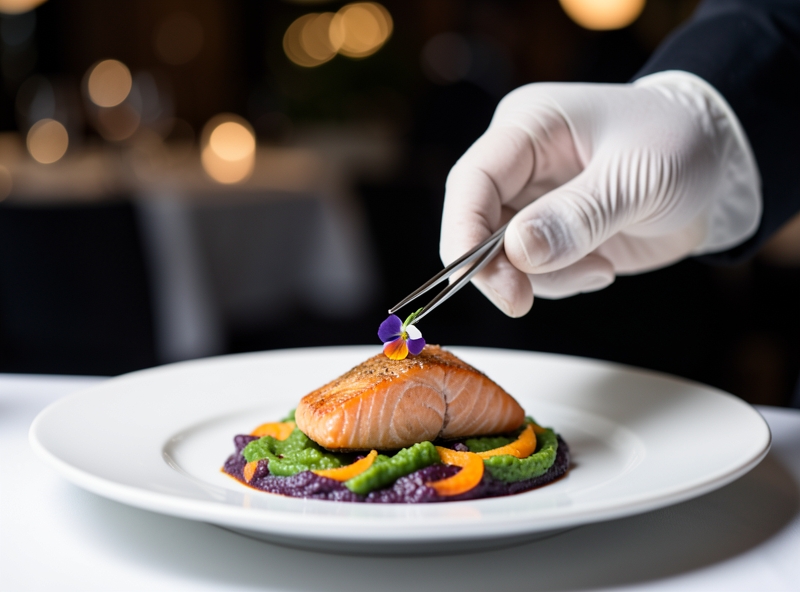
Have you ever wondered why, with the exact same sprig of rosemary or basil leaf, a Michelin-starred chef's dish explodes with tenfold the flavor of a home-cooked meal? The difference lies not in the quantity of ingredients, but in how they control herbal essential oils—that extremely delicate "soul" of flavor that easily vanishes if handled incorrectly.
The essence of essential oils in herbs consists of Volatile Organic Compounds (VOCs) such as terpenes, aldehydes, and phenols. These are microscopic molecules that freely escape into the air, coming into direct contact with the olfactory system and stimulating up to 80% of human taste perception. Without essential oils, herbs are reduced to mere plant fiber and a monotonous, harsh bitterness.
"Cooking with herbs is not simply dropping greens into a pot, but a precise, second-by-second effort to release and lock in aromatic molecules before they evaporate into thin air."
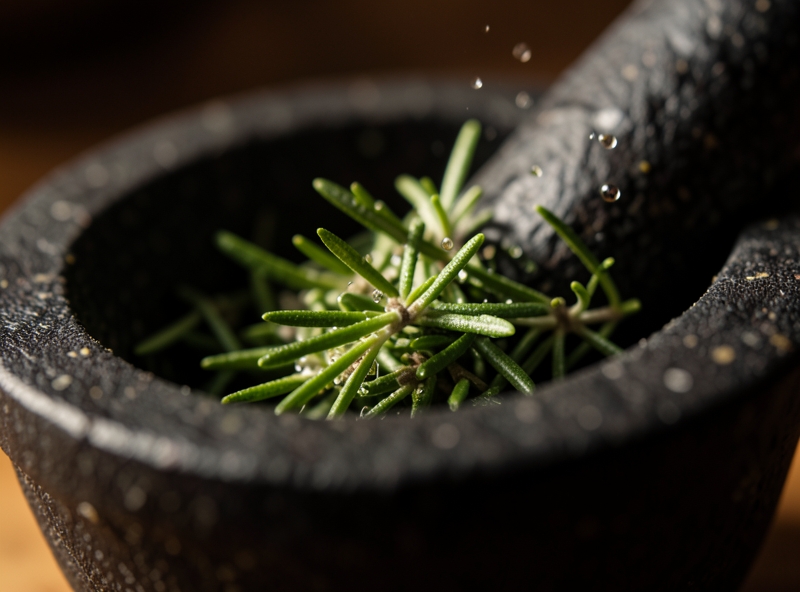
The greatest challenge for cooks lies in the extremely unstable nature of essential oils. Excessively high temperatures break down their chemical structure, turning delicate aromas into burnt, pungent odors. Cooking for too long causes flavor molecules to evaporate along with steam. Conversely, without sufficient mechanical action or appropriate heat, plant cell walls fail to rupture, trapping all the essence inside.
| Herb Group | Key Essential Oil Compounds | Volatility Characteristics | Optimal Release Techniques |
|---|---|---|---|
| Woody Herbs (Rosemary, Thyme, Bay leaf) |
Pinene, Cineole, Thymol | Heat-tolerant, heavy molecules, less volatile at room temperature. | Extracted using heat and fats (searing, slow simmering). |
| Soft Herbs (Basil, Cilantro, Mint, Tarragon) |
Linalool, Estragole, Menthol | Highly heat-sensitive, decomposes and evaporates instantly. | Add at the last minute, gently bruise, or use fresh. |
Another key principle: Herbal essential oils are hydrophobic but dissolve well in fats and alcohol. To lock in flavor, understanding how to use solvents—such as olive oil, butter, animal fat, or alcohol—as a "cage" to trap aroma molecules is crucial. Mastering the fine line between activating and destroying essential oils is the turning point that elevates culinary skills to a professional level.
2. The Role of Fat: The Perfect Solvent for Extracting Essential Oils
Have you ever wondered why, despite adding plenty of thyme, garlic, or chili to a boiling pot of soup, the aroma disappears after just a few minutes and the dish still lacks depth? The most common mistake home cooks make is believing that water can fully convey flavor. The truth is: most aromatic molecules in herbs are completely insoluble in water. Fat is not merely an ingredient to keep food from sticking or to add calories; it is an ultimate chemical solvent capable of extracting, amplifying, and preserving the soul of a dish.
Every herb and spice—from garlic, ginger, and lemongrass to thyme, rosemary, or cinnamon—contains volatile aromatic compounds (terpenes, esters, aldehydes). Biochemically, these compounds are hydrophobic (water-repelling) and lipophilic (fat-loving). When herbs are dropped into a boiling water environment, aromatic molecules are repelled and evaporate with the steam in an instant. Conversely, when brought into contact with fat molecules, these compounds find an ideal environment to bind and dissolve completely.
"Fat acts as a molecular trap. It embraces volatile essential oils, slows down their rate of evaporation, and evenly distributes the spectrum of flavors across every taste bud upon tasting."
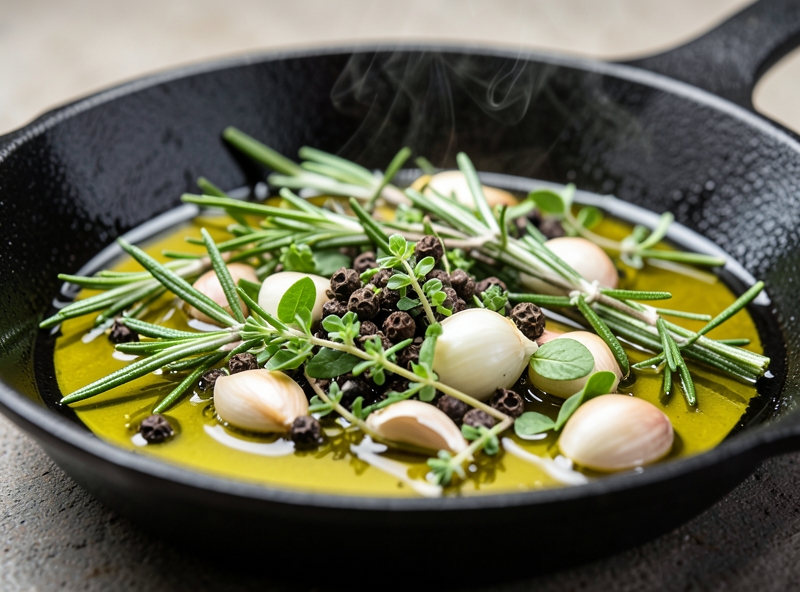
To master the art of professional seasoning, you need to thoroughly understand the three-step mechanism through which fat transforms raw flavor compounds into an elevated taste experience:
- Dissolution: Under moderate heat, plant cells burst, releasing essential oils. Fat immediately breaks through the hydrophobic barrier and dissolves these aromatic molecules.
- Absorption: Every fat structure possesses a unique flavor-carrying capacity. Dairy butter contains milk proteins that help trap both hydrophilic and lipophilic flavors; animal fat possesses deep penetrative ability; while neutral vegetable oils highlight the original herbal flavor without harshness.
- Retention: By encapsulating aromatic molecules within triglyceride chains, fat prolongs flavor retention on the palate, keeping taste from deteriorating over long cooking processes.
Fully exploiting the solvent role of fat requires precise temperature control. The two core techniques applied by every executive chef include:
1. Blooming Technique (Flash-extracting in hot fat): Dropping dry spices or hardy herbs (such as peppercorns, cinnamon, dried chili, or garlic) into fat at temperatures ranging from 120°C to 140°C for about 30–60 seconds. This temperature activates a mild Maillard reaction and allows essential oils to "bloom" into the oil without burning or turning bitter.
2. Infusion Technique (Low-heat steeping): Ideal for tender fresh herbs (such as basil, parsley, or dill). Steeping herbs in warm fat at temperatures of 60°C – 80°C over an extended period. This method preserves the vibrant natural green color and delicate grassy notes sensitive to high heat.
| Fat Type | Optimal Extraction Temperature | Suitable Herbs / Spices | Resulting Flavor Profile |
|---|---|---|---|
| Extra Virgin Olive Oil | 60°C – 80°C (Slow extraction) | Rosemary, Thyme, Garlic, Sage | Rich herbal aroma, subtle natural astringency, retains full antioxidant properties. |
| Unsalted Butter | 90°C – 110°C (Melting) | Sage, Garlic, Parsley, Lemon zest | Rich, creamy, brown butter with intense nutty aromas integrated. |
| Poultry Fat / Lard | 120°C – 130°C (Sautéing / Sizzling) | Shallots, Lemongrass, Ginger, Dried chili | Deep richness, lingers on the palate, aroma stays the longest on the tongue. |
| Neutral Seed Oils (Canola, Sunflower) | 130°C – 140°C (Blooming) | Star anise, Cloves, Peppercorns, Chili powder | Highlights pure spice flavor without being overpowered by the base oil. |
By shifting your mindset—viewing fat as a flavor carrier rather than just a non-stick agent—you gain full control over the richness and longevity of flavor in every recipe. Always begin cooking by allowing herbs to interact with fat before adding water-based ingredients.
3. The Impact of Temperature: Controlling Heat to Effectively Activate Essential Oils
Have you ever wondered why, with the exact same amount of herbs, a dish sometimes radiates a restaurant-quality rich aroma, but other times tastes bland or gives off a harsh, bitter smell? The answer lies not in your seasoning skill, but in the thermal dynamics mechanism when heat acts on plant essential oil sacs.
In their natural state, aromatic compounds such as terpenes, esters, and aldehydes are trapped inside microscopic structures called glandular trichomes or epidermal cells of herbs. Temperature acts as a mechanical key: as heat increases, water molecules inside the cells expand, creating pressure that ruptures cell membranes while liquefying the dense lipid layer to release essential oils dissolved into the carrier (cooking oil or fats in general).
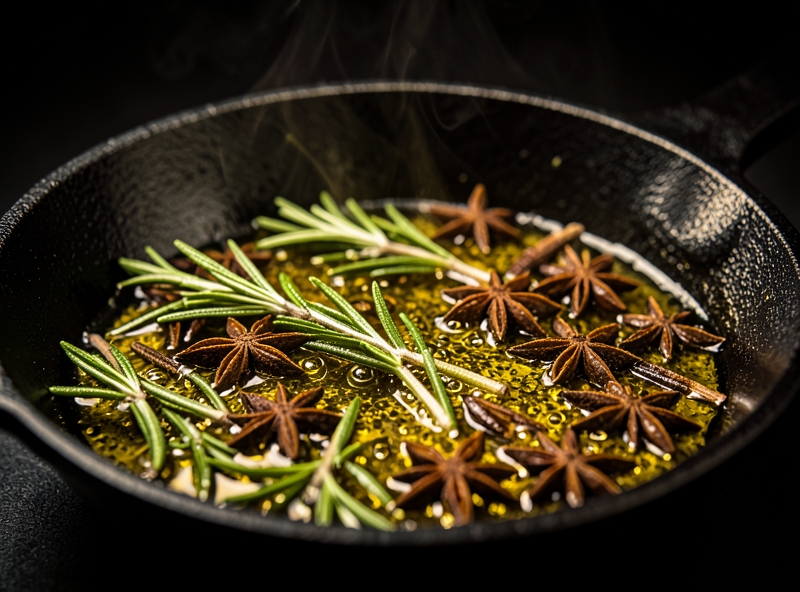
However, each group of ingredients requires a completely opposite heat strategy. Applying heat at the wrong time will denature or evaporate all precious aroma molecules.
| Analysis Criteria | Dried Herbs | Fresh Herbs |
|---|---|---|
| Structural Characteristics | Cellular tissue is dehydrated, lignified, and essential oils are concentrated deep inside. | Cellular tissue is succulent, containing many volatile low-molecular-weight compounds. |
| Heat Application Strategy | Requires a long extraction time and a stable temperature (70°C - 90°C) in a fat medium to break structural bonds. | Extremely sensitive to heat. Should be added at the end of cooking (after turning off the heat or with gentle heating for under 30 seconds). |
| Typical Examples | Star anise, cinnamon, cloves, bay leaves, dried thyme, dried rosemary. | Basil, cilantro, mint, dill, tarragon. |
Besides timing, the smoke point of the dissolving medium is the fine line between a culinary delight and a kitchen disaster. Botanical essential oils are extremely sensitive organic compounds. When the oil temperature exceeds the threshold (usually above 180°C for delicate essential oils), pyrolysis occurs immediately.
- Destruction of aromatic compounds: Double bonds in terpene molecules break, turning pleasant aromatic compounds into acrid-smelling vapors.
- Formation of bitter substances: Burnt essential oils produce acrolein and free radicals with a harsh, acrid taste, masking all delicate flavor layers of the dish.
- Control technique: Always start the "blooming" process (extracting aroma in oil) at a medium-low temperature (120°C - 140°C) using high smoke point oils before increasing the heat for subsequent cooking steps.
"Temperature is a double-edged sword in the kitchen: At the right level, it transforms essential oils into a symphony of aromas; overcooked, it turns nutrients into a toxic bitterness."
By mastering heating rates and the biological properties of each herb group, you gain full control over the flow of aroma, turning every recipe into a standard masterpiece of taste.
4. Combining Pre-treatment, Heat, and Fat in Practical Cooking
Why do your dishes often lack depth of flavor even when seasoned correctly according to the recipe? The greatest tragedy in home cooking is that over 80% of aromatic compounds are trapped inside plant cells and are completely insoluble in water. If you simply throw spices into boiling water, you are wasting the full potential of your ingredients. To maximally activate flavor molecules, you must precisely apply the trio of techniques: Mechanical action to break down cells - Fat as an extraction solvent - Controlled heat activation.
Every mechanical preparation step is not merely about making ingredients smaller, but a biological structural intervention to control the release rate of essential oils:
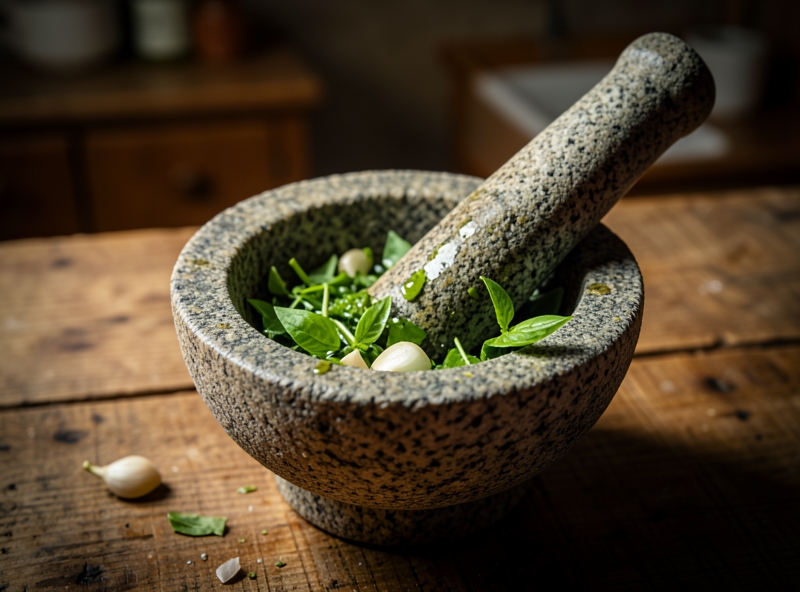
- Crushing & Bruising: Applying direct pressure to tear vacuole cell walls without snapping fibrous strands. This technique helps release volatile essential oils without making the dish bitter. Best suited for lemongrass, ginger, pungent alliums, and herb stems.
- Fine Chopping to Maximize Surface Area: Cutting ingredients into extremely small pieces increases the surface area in contact with fat by 200–300%. When garlic cells are completely ruptured under the knife blade, the enzyme alliinase instantly converts alliin into allicin—the compound that creates its signature pungent flavor.
After mechanically breaking down the structure, ingredients should immediately be introduced to a fat medium through the Blooming (Sautéing to extract flavor in warm fat) technique. Fat acts as a trap that locks in aromatic molecules that would otherwise easily evaporate at high temperatures.
A Precise 4-Step Process for Practicing the Blooming Technique:
- Step 1 - Choose the Right Fat: Use a fat with an appropriate smoke point or high neutral fat content, such as vegetable oil, lard, ghee, or extra virgin olive oil, depending on the dish's characteristics.
- Step 2 - Initial Heat: Heat the fat over low to medium heat, precisely between 120°C - 140°C. Never let the oil smoke, as high heat breaks down aromatic bonds and causes bitterness.
- Step 3 - Add Ingredients & Observe: Add the mechanically prepped spices into the fat. The perfect blooming time lasts only 30 to 90 seconds. Observe tiny bubbles forming around the ingredients, the oil lightly changing color, and an aroma filling the kitchen.
- Step 4 - Kill Heat at the Right Moment: As soon as the aroma reaches its peak, immediately pour in liquids (broth, tomato sauce, cooking wine) or the main ingredients to lower the skillet's temperature and halt scorching.
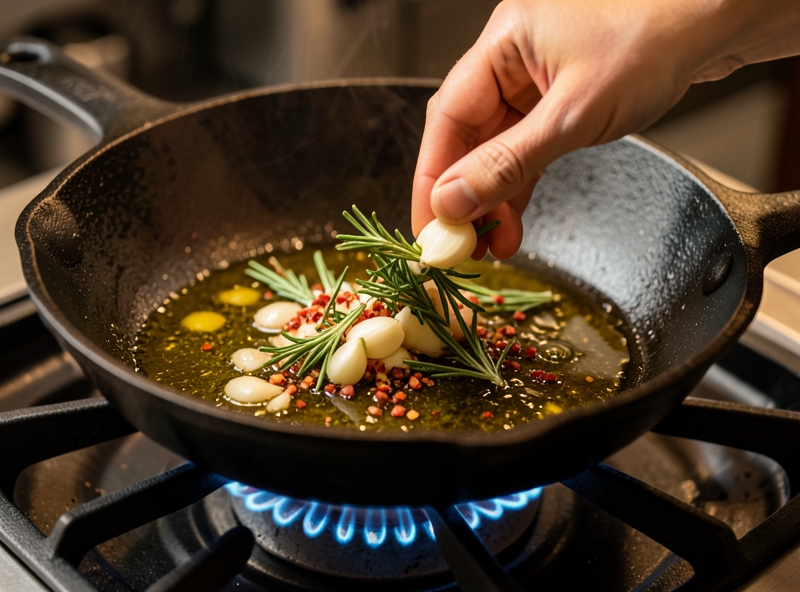
The application of heat and fat cannot be one-size-fits-all for every ingredient. You must accurately classify the biological structure of herbs to determine the timing and processing technique:
| Classification Criteria | Hard/Woody Herbs | Soft/Tender Herbs |
|---|---|---|
| Typical Examples | Rosemary, Thyme, Sage, Bay leaf. | Basil, Cilantro, Mint, Parsley. |
| Structural Characteristics | Thick fibrous tissue, high cellulose content, essential oils concentrated in dense resin form. | Thin cellular tissue, high water content, highly volatile essential oils. |
| Mechanical Preparation Technique | Strip leaves, bruise whole sprigs, or finely chop with salt to break down the protective coating. | Slice gently with a very sharp knife to avoid bruising and blackening the leaves; do not crush beforehand. |
| Heat & Fat Method | Blooming from the Start: Add to fat at the beginning of cooking. Can withstand high heat and long simmering times. | Finish at the End: Coated with light fat (cool olive oil). Add only after turning off the heat or during the final minute. |
"Heat activates and releases aroma into the air, but fat is what retains, locks in, and fully delivers that flavor to every tastebud on your tongue."
By mastering the synergistic relationship among mechanical prep, solvent fat, and temperature control, you move beyond merely following existing recipes. You are mastering the chemical reactions inside the pan, turning the simplest ingredients into an extraordinary explosion of flavor.
5. Conclusion
The difference between a dish that is merely "edible" and a sensory-exploding culinary masterpiece does not lie in extravagant ingredients or expensive spices. Have you ever wondered why you followed every measurement in a recipe to the letter, yet the final dish still lacked deep, well-rounded layers of flavor? That boundary is defined by your ability to master three core variables: flavor-carrying fat, transformation temperature, and the timing of releasing herb essential oils.
"A recipe gives you the wooden frame, but the technique of controlling fat, temperature, and herbs is the brushstroke that breathes 'soul' into turning food into art."
In reality, cooking is a sophisticated sequence of chemical reactions. Understanding the true nature of each technique will help you completely break free from relying on rigid recipes and confidently create on your own:
| Technical Pillar | Common Mistakes | Key to Elevation (Pro Tip) |
|---|---|---|
| Fats | Using the wrong smoke point; viewing fat merely as a non-stick agent for the pan. | Turn fat into a flavor-dissolving solvent. Choose the right butter or vegetable oil to dissolve fat-soluble flavor compounds, allowing the delicious taste to linger longer on the palate. |
| Temperature | Using heat that is too high causing bitter burning, or heat that is too low causing food to leach water. | Accurately activate the Maillard reaction (140°C - 165°C). Create a crispy golden-brown crust alongside hundreds of new aromatic compounds without adding bitterness or losing interior moisture. |
| Herb Timing | Adding all herbs into the pot right from the beginning of cooking. | Categorize by leaf structure. Woody herbs (thyme, rosemary) require simmer time to release essential oils; soft-leaf herbs (basil, parsley, dill) should only be added in the final 30 seconds or after turning off the heat to prevent thermal destruction of delicate aromas. |
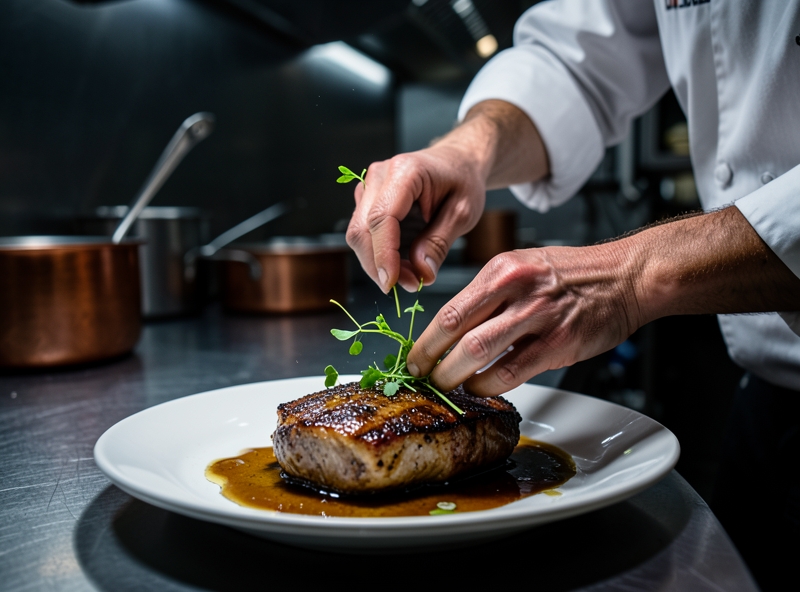
When you clearly understand the mechanism: using the right fat to transport flavor, maintaining precise temperature to lock in moisture and reinforce structure, along with choosing the golden timing for herbs to burst with flavor and aroma—you hold the master key to the kitchen.
Start observing meticulously every sizzle in the pan, sensing the rising steam, and listening to the transformation of ingredients second by second. Mastering these three principles will turn every home meal into a refined, professional, and inspiring culinary experience.