
1. The Power of Reviews: When Real Experience Becomes the Ultimate Marketing Weapon
Are you burning thousands of dollars on flashy advertising campaigns only to see your conversion rates remain stagnant? The harsh truth is: customers have become immune to corporate self-promotion. They no longer believe in sparkling banners or "leading" promises written by professional copywriters. In a world flooded with information, the only thing that can break through a buyer's defensive wall is validation from people just like them.
This is the context that gave birth to the era of dominance for User-Generated Content (UGC) marketing. This concept does not represent expensive PR articles, but rather raw reviews, unedited product photos, or genuine feedback from past customers. For small businesses with tight budgets, UGC is not just a free marketing channel, but the core survival weapon that helps level the playing field against corporate giants.
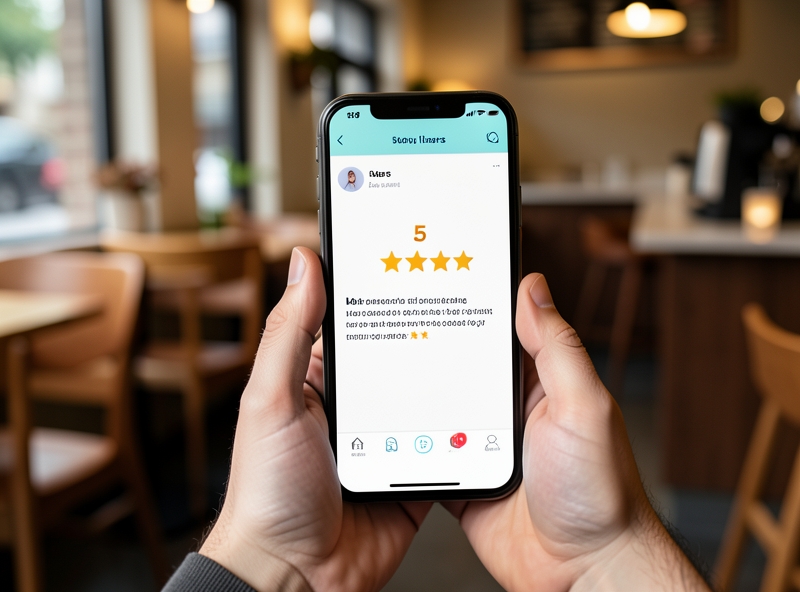
Consumer behavior studies have revealed telling statistics about the power of "reviews":
- 93% of consumers admit that online reviews directly determine whether they will spend money on a purchase.
- Displaying real reviews on product pages helps increase conversion rates by up to 270% compared to pages with "blank" feedback information.
- Customers are willing to spend 31% more on brands that have positive reviews from the community.
"In the small business game, trust is the currency with the highest denomination. Reviews from past customers are the tool that guarantees the value of that currency."
To understand why shifting focus from traditional advertising to optimizing real-life experiences brings superior performance, look at the effectiveness comparison table below:
| Comparison Criteria | Paid Advertising (Paid Ads) | User-Generated Content Marketing (UGC) |
|---|---|---|
| Investment Cost | Increases continuously over time; stop spending money, and you stop getting customers. | Minimal, accumulating sustainable value over time. |
| Trust Level | Low. Users tend to ignore or doubt it. | Extremely high. Customers trust "real people, real results." |
| Conversion Rate | Low average (usually ranging from 1% - 3%). | Outstandingly high (average increase of 161% when accompanied by UGC). |
| Virality Potential | Limited to the set budget and target customer base. | Automatically spreads without limits through organic sharing. |
Looking at that reality, ignoring the power of online reviews means small businesses are depriving themselves of their greatest sales opportunity. Customers do not buy your product; they buy the results and peace of mind that previous buyers have experienced and confirmed.
2. Strategies to Encourage Customers to Actively Leave Positive Reviews
Over 90% of consumers have a habit of reading online reviews before deciding to spend money, but the harsh reality is: Customers only actively seek out the review section when they are... angry. A bad experience prompts people to write negative feedback three times faster than a great experience. For small businesses, passively waiting for natural 5-star reviews to appear is a fatal mistake. You must proactively design an automated feedback trigger journey, turning silent customers into your most enthusiastic brand ambassadors.
To solve this puzzle, businesses need to focus on three core pillars: eliminating operational barriers, capturing the psychology of timing, and the art of stimulating through practical benefits.
Eliminate All Barriers Using Technology
Laziness is a human instinct. If customers have to go through more than three steps to leave a review, you have failed. Streamline the process to the absolute minimum:
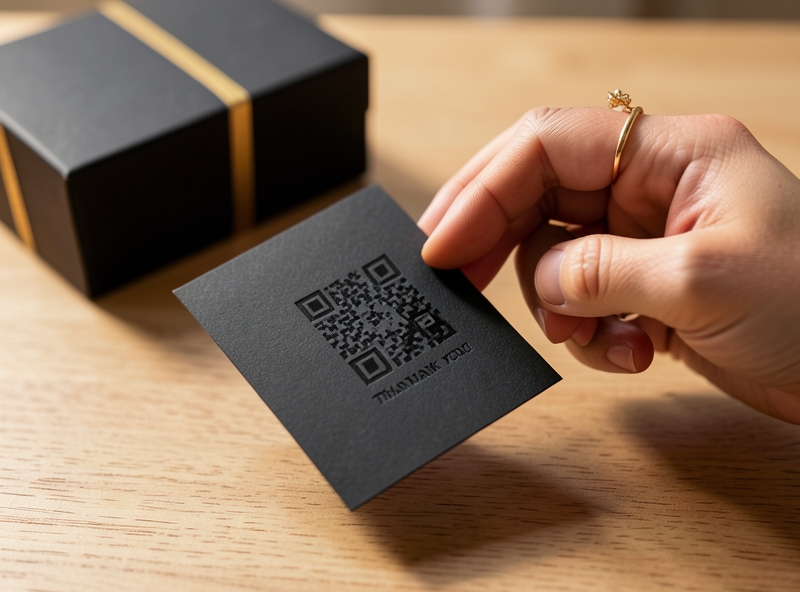
- Use dynamic QR codes on packaging: Print an eye-catching QR code on thank you cards or product labels. When scanned, customers are instantly redirected straight to your Google Business review page or e-commerce platform without any intermediate search steps.
- Direct links (Deep Link) in messages: Instead of sending a homepage link, send a link that leads straight to the review composition box with a pre-selected 5-star rating. With just one tap, the review is completed.
Measure the "Golden Window" to Knock on Customers' Doors
Asking for reviews at the wrong time is a disaster. Sending an invitation too early when they haven't had a chance to experience the product will cause annoyance; sending it too late when the excitement of unboxing has cooled down will only meet with indifference. Two golden windows you must exploit include:
- Right after receiving the goods from 2 to 24 hours: This is when the customer's excitement level (endorphins) peaks. Take advantage of the "unboxing moment" immediately to ask for their first impressions of delivery speed, packaging, and product feel.
- Right after successfully resolving a complaint: It sounds paradoxical, but when an issue arises and is resolved quickly and satisfactorily, customer satisfaction levels often skyrocket compared to normal. This is when they are ready to give you a 5-star review for customer service that exceeded expectations.
"Customers don't hate leaving reviews, they just hate cumbersome processes and insincere appeals."
| Comparison Criteria | Traditional Approach (Low Efficiency) | Optimized Strategy (High Efficiency) |
|---|---|---|
| Outreach Message | "Please give us a 5-star rating to receive a gift." (Bribery-oriented, unnatural) | "Share your real experience to help us improve our product." (Emphasizes the customer's role) |
| Request Channel | Automated mass emails sent one week after purchase. | Personalized messages via Zalo/SMS with direct links immediately after the order status is marked "Successful". |
| Incentive Mechanism | No rewards or generic, hard-to-apply discounts. | Reward membership loyalty points or send exclusive discount codes for the next purchase. |
The Art of Personalizing Calls to Action and Smart Incentives
Formulaic, industrial calls to action are often filtered out by customers' brains. Infuse your words with the sincerity of a genuine small business. Instead of sending emails from a "no-reply" address, send thank-you letters signed directly by the founder or the staff member who directly supported that order. Address customers by name, mention the specific product they chose, and express that their opinion truly carries weight for the survival of a small brand.
In addition, apply the value exchange mechanism (Win - Win) cleverly. Don't ask them to work for free. Give them a small surprise gift such as an in-depth user guide e-book, automatic loyalty points accumulated into their member account, or an exclusive discount code for their next order. When customers feel respected and see tangible benefits, they won't hesitate to spend 30 seconds writing the most genuine compliments for you.
3. The Art of Handling Negative Feedback: Turning Challenges into Score-Winning Opportunities
A 1-star review appearing on Google My Business or a Fanpage can immediately trigger a red alert status for a small business owner. The natural reaction is to defend oneself, make excuses, or worse, engage in a back-and-forth argument with the customer. But this is the fastest "fatal mistake" that kills a brand. For a small business where marketing resources are limited, how you respond to a public complaint is the free PR campaign that brings the highest conversion efficiency – or conversely, the end of reputation accumulated over many years.
Modern customers are smart enough to understand that no product or service is 100% perfect. What they actually observe and evaluate is the brand's attitude and problem-solving capability when an incident occurs. A subtle, transparent crisis management process not only retains the angry guest, but is also a magnet attracting hundreds of other potential customers who are quietly observing from behind.

A 3-step process to turn defeat into victory when facing 1-2 star reviews
To avoid being swept away by a spiral of negative emotions, businesses need to operate a standardized code of conduct, acting based on reason and maximum empathy:
- Step 1: Super-fast response with a receptive spirit (Immediate cooling down). The golden rule is to respond within 2-4 business hours. Delay equals indifference. The opening sentence absolutely has no room for defensiveness. Start by thanking them for their feedback and offering a sincere apology for the imperfect experience. Use the formula: "Thank you for your feedback. We sincerely apologize for the poor experience you encountered at...".
- Step 2: Offer a specific corrective solution (Substantive action). Customers do not need empty apologies or automated templates. They need solutions. Propose a satisfactory compensation plan right in the reply comment: free replacement of a new product, a refund, or sending a special service voucher for the next experience. All costs incurred in this step should be considered as the Customer Retention Cost.
- Step 3: Move the deep dialogue to a private channel. After showing goodwill and offering a preliminary solution in the public space, tactfully redirect the detailed exchange via direct message (Inbox) or hotline call to protect customer information and easily negotiate. Write: "To support you in the best and fastest way, we have sent a private message/beg to be allowed to contact via phone number...".
"The way a small business handles mistakes defines their brand personality. Transparency and professional pride are always more persuasive than any flashy advertising campaign."
| Comparison factor | Amateur reaction (Eliminating opportunities) | Professional handling (Building trust) |
|---|---|---|
| Response speed | Silent for many days, hoping the post drifts away or trying to delete the review. | Publicly respond within 2-4 hours of receiving the information. |
| Language & Attitude | Blaming customers, explaining objective reasons, using controversial words. | Active listening, taking responsibility on the business side, mild and receptive attitude. |
| Handling solution | Only make general promises to "learn from experience" without any specific follow-up action. | Offer a clear compensation plan (refund, replacement, free service upgrade). |
| Effect on observers | New buyers leave because they see the brand as irresponsible and inaccessible. | New buyers trust to spend money because they see the brand is reputable and takes responsibility to the end. |
Turning crisis into leverage to persuade new customers
An interesting truth in modern shopping behavior: Customers tend to look for and read the worst reviews before deciding to buy. They want to know what the worst-case scenario is and how the business will handle it. Therefore, a transparently and kindly resolved negative response is the most convincing evidence of your superior customer service.
When potential buyers see how you are willing to admit mistakes, correct them, and generously compensate old customers, all trust barriers and doubts will be completely erased. They understand that, even if an unexpected incident occurs when they make a purchase, their rights are always absolutely guaranteed by a brand with heart and vision.
4. Optimize and Amplify Quality Reviews to Attract New Customers
Many small businesses are making a fatal mistake: putting effort into collecting 5-star reviews and then letting them "die clinically" on third-party platforms. Accumulating reviews without reusing them is like digging up gold only to bury it back in the ground. In a landscape where advertising costs are skyrocketing and consumer trust has hit rock bottom, authentic reviews from past customers are the ultimate conversion weapon to help you smash the defensive barriers of new customers.
To maximize the value of this priceless resource, you need to proactively integrate them into the customer journey through the three strategic steps below.
Place Social Proof at "Decision Touchpoints" on the website
Many business websites only display reviews on a separate "Testimonials" page – a place that almost no one visits. If you want to increase conversion rates, you must place Social Proof at the most sensitive locations, where customers are hesitating between "buy" or "exit".
- Homepage: Place a slider right under the Hero Section (top of the page message) containing the 3 most outstanding reviews, focusing on the actual results that the product/service delivers.
- Checkout Page: This is where "buyer's remorse" appears most strongly. Insert a short review about post-purchase satisfaction right next to the "Checkout" button or under the order summary to reinforce final trust.

Turn raw reviews into "viral" media content
A pure text review is very easy to scroll past. Upgrade these feedbacks into visual Customer Success Stories to share on social media channels.
- Design Quote Cards: Use design tools to turn a valuable review sentence into a professional brand image, highlighting the customer's previous pain points and the magical transformation after using your product.
- Produce Short-form Videos: Take screenshots of complimentary messages from customers or stitch together voice chats (with permission) combined with fast transition effects to create highly authentic short videos for Reels, TikTok, or Shorts.
Use reviews as core material for paid advertising
Don't try to praise yourself in advertising campaigns. Let your past customers do the selling for you. Advertising campaigns using user-generated content (UGC) always have a 400% higher click-through rate (CTR) and half the cost per conversion compared to traditional ads.
"Customers don't buy your product. They buy the results that others have achieved when using that product."
| Comparison Factor | Traditional Ads (Talking about yourself) | Review-based Ads (Social Proof Ads) |
|---|---|---|
| Core Message | "Our product is the best, the cheapest." | "I had suffered from insomnia for 3 years until I tried this product..." |
| Trust Level | Low (Customers are always wary of ads). | High (Real experiences from real people). |
| Cost Efficiency | Expensive due to having to test multiple message variations. | Optimized quickly by hitting pain points and empathy. |
By continuously optimizing and amplifying quality reviews, you not only create a natural credibility loop but also build a solid competitive barrier that price-competing rivals can never replicate.
5. Summary
Many small business owners are falling into the trap of "burning money" on flashy marketing campaigns while forgetting the leaky bamboo basket at the bottom. Customers flock in but quietly slip away, leaving cold 1-star reviews on digital platforms. The bitter reality from those on the front lines proves: Any pinnacle marketing strategy will become meaningless if the business lacks a solid foundation from within.
Practical marketing does not lie in fancy advertising words, but is the most honest mirror reflecting the operational capacity of the system. When the product reaches maturity in quality and customer service touches emotions, each positive customer review will automatically become the most powerful natural marketing weapon.

To reshape your management mindset, look at the core differences between the two operational schools of thought below:
| Comparison Factor | "Hunting" Mindset (Short-term) | "Nurturing" Mindset (Sustainable) |
|---|---|---|
| Budget Focus | Pouring 90% into paid ads to constantly find new customers. | Allocating evenly to product upgrades, staff training, and experience optimization. |
| Handling Bad Feedback | Evading, deleting posts, or arguing directly with customers. | Listening, thoroughly correcting mistakes, and turning crises into process improvement opportunities. |
| Role of Reviews | A tool to temporarily polish profiles with fake seeding. | An early warning system and an invaluable brand asset. |
Businesses cannot control 100% of what customers say about them, but they can completely control how they respond and improve based on that feedback. Treating review management as a daily Standard Operating Procedure (SOP) is a mandatory transformation for any manager who wants to go the distance.
"The root of every 5-star review does not lie in tech tricks, but in an uncompromising commitment to product quality and kindness in customer service."
Stop looking for shortcuts or rapid growth formulas that lack a foundation. Start by standardizing your service quality today, turning every current customer into a voluntary brand ambassador, and letting the resonance of their satisfaction do the marketing for your business.