1. The Reality of E-commerce Packaging Waste: Heavy Pressure on the Environment
Every "Buy Now" click from consumers is unintentionally triggering a silent crisis behind each package. The rapid boom of the e-commerce industry brings unparalleled convenience, but at the same time, it drags a flood of packaging waste onto waste treatment systems every day. Behind the exciting "unboxing" experience are alarming figures of single-use plastic and paper waste generated continuously without stopping.
The combination of cardboard boxes, bubble wrap, and meters of plastic tape has created a destructive trio for the environment. To protect a small palm-sized item from impact during transport, packers often have to use a volume of cushioning material many times the actual volume of the product. Most of this packaging ends its short life cycle in landfills or, worse, leaks into the ocean, where it takes hundreds of years to decompose into highly toxic microplastics.
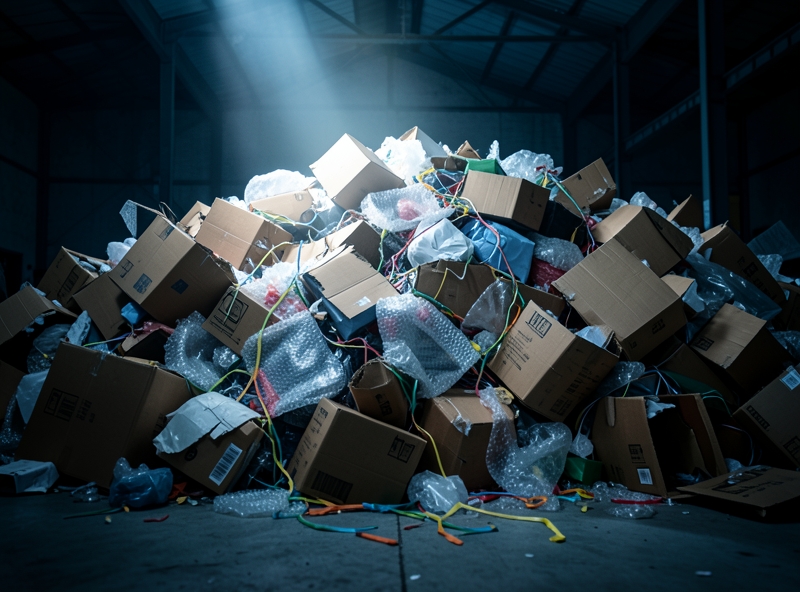
The current waste treatment infrastructure is completely overloaded by the growth rate of online shopping. Plastic tape tightly adhering to cardboard boxes ruins the recyclability of high-quality paper pulp, while ultra-light bubble wrap takes up a huge volume of space, making collection and sorting extremely costly and inefficient. This reality demands a serious look at the structure of the modern supply chain.
| Type of Packaging Material | Natural Decomposition Time | Actual Recyclability | Level of Environmental Impact |
|---|---|---|---|
| Cardboard box (with plastic tape attached) | 2 - 5 months (if free of plastic) | Low (due to adhesive contamination) | Medium |
| Bubble wrap (LDPE) | 500 - 1000 years | Very low (high collection costs) | Very high |
| Plastic tape (OPP/PVC) | Hundreds of years | Non-recyclable | Extremely high |
"The convenience of online shopping should not be traded for the planet's future. When packaging waste exceeds nature's self-healing capacity, Green Logistics is no longer a branding choice, but has become a matter of survival for businesses."
The deadlock of traditional disposal methods has opened up a single revolutionary way out: Green Logistics. This is the trend of integrating eco-friendly solutions into the entire process from packaging and warehousing to last-mile delivery. By optimizing box sizes, replacing plastics with biodegradable materials, and adopting circular packaging models, Green Logistics is the golden key that helps businesses both reduce operating costs and relieve the suffocating pressure on the global ecosystem.
2. Classification and challenges of processing the 'trio' of packaging waste: Carton, bubble wrap, and plastic tape
Every successful online order delivered to you is a "triumph" of the logistics industry, but at the same time, it is a life sentence for the environment if the packaging "trio": carton boxes, bubble wrap, and plastic tape are not processed correctly. We often mistakenly believe that throwing everything into the recycling bin means we have fulfilled our duty to protect the planet. The harsh reality is much worse than that. When these three materials are forced together into a rudimentary processing system, they create a dead-end "waste vortex," where one material directly destroys the regenerative capacity of the other.
| Packaging Material | Technical Characteristics | Recycling Bottleneck | Environmental Toxicity Level |
|---|---|---|---|
| Carton Box | Natural cellulose fibers, highly biodegradable, recyclable up to 5 - 7 times. | Completely loses its value if contaminated with grease, chemicals, or tightly stuck with plastic tape. | Low when decomposing naturally, but generates significant methane emissions if buried in anaerobic conditions. |
| Bubble Wrap / Plastic Bag | Flexible, lightweight LDPE (Low-Density Polyethylene) plastic, completely waterproof. | Extremely light weight but bulky volume, easily jamming automated waste sorting systems. | Takes 500 to 1000 years to break down into microplastics, poisoning soil and groundwater sources. |
| Traditional Plastic Tape | BOPP plastic film combined with an extremely strong wet acrylic adhesive layer. | Almost impossible to recycle; the adhesive sticks tightly to the carton paper fibers, destroying the pulp structure in the hydro pulper. | Creates inseparable mixed waste, which can only be incinerated or permanently buried. |
Let's look closely at the reality of each material to see the severity of the issue. Carton boxes are naturally the "champion" of environmental friendliness due to their high recyclability. However, their ideal life cycle is often cut short right from the warehousing and transportation stages. Just a grease stain, a trace of leftover food, or worse, strips of BOPP plastic tape wrapped all over, and that box is immediately rejected from the clean paper recycling line and pushed straight to the landfill. The adhesive residue from traditional tape, when entering the hydro pulper, turns into "stickies", clogging filters and ruining the entire batch of new recycled paper.
Meanwhile, bubble wrap (cushioning bags) is another nightmare for waste treatment plants. Made from LDPE plastic, they are theoretically recyclable. But in reality, the cost of collecting, cleaning, and compressing these empty bags is many times higher than the value of the recovered virgin plastic resin. As a result, millions of tons of bubble wrap are discharged into the environment every year, gradually breaking down under sunlight into extremely toxic microplastics that sneak into the human food chain.
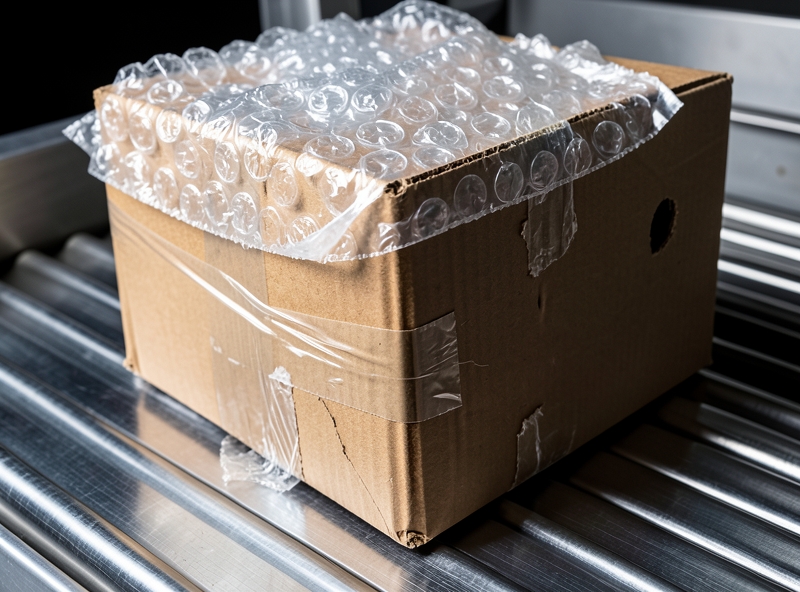
"The bottleneck of the recycling chain does not lie in the lack of technology, but in the physical conflict between the packaging materials that come together in a single order."
The packaging waste problem cannot be solved by relying solely on individual awareness. This is an equation that requires a synchronized solution from both sides: sellers and buyers. Sellers cannot continue to mindlessly wrap dozens of layers of plastic tape around a carton box just to lazily ensure shipping safety. They need to proactively shift to smarter solutions such as water-activated paper tape (gummed paper tape), tape-free self-locking carton boxes, or honeycomb paper to replace plastic bubble wrap.
On the other hand, buyers need to break the habit of "throwing everything into one bag." Spending 10 seconds to completely peel off the plastic tape from the carton box and deflate the air in the bubble wrap before sorting is the decisive turning point that saves a new life cycle of waste. When and only when both ends of the consumption chain meet at the common ground of responsibility, the packaging waste "trio" will have a chance to be reborn, restoring the original green to the environment.
3. Green Packaging Strategies for Businesses and Online Sellers
Every package sent out is a moment where a brand stands before the "judgment" of the new generation of consumers. Packaging is no longer merely a physical protective layer; it has become the most direct physical touchpoint reflecting a business's development philosophy. Continuing to abuse single-use plastic means shutting oneself out of modern consumer trends and facing a silent boycott from customers who are willing to pay more for responsible brands.
To solve the difficult puzzle between operational costs and sustainability goals, sellers need highly actionable solutions that can be measured by concrete financial figures, rather than empty slogans.
| Comparison Criteria | Traditional Packaging Model | Optimal Green Solution | Real Efficiency for Businesses |
|---|---|---|---|
| Tape Material | OPP plastic tape (hard to decompose, hinders carton recycling) | Water-activated paper tape (Gummed tape) | Absolute anti-theft, 100% recyclable carton boxes |
| Oversized Packaging Bags | Regular PE plastic bags (persist for hundreds of years) | Biodegradable bags (cornstarch) or Kraft paper bags | Decompose completely in 180 days, elevating brand value |
| Carton Box Space | Using one box size for all orders, stuffing with bubble wrap | Multi-size carton box system "tailor-made" for products | Reduces cushioning materials by 80%, optimizing dimensional shipping fees |
| Packaging Lifecycle | Single-use and then discarded into the environment | Take-back policy, reward points for returning old boxes | Saves up to 40% on the cost of purchasing new carton packaging |
The first breakthrough step starts with a small detail but has the highest frequency of appearance: packaging tape. Replacing plastic tape with water-activated paper tape (gummed tape) is a revolution in both economics and security. The natural starch-based adhesive on paper tape is only activated when in contact with water, creating a strong molecular bond that fuses directly to the carton fibers of the box. This completely eliminates product theft during transport because the tape cannot be peeled off without leaving a large tear on the box. At the same time, recycling plants can directly process the entire carton box without spending time and labor stripping away the sticky plastic adhesive layer as before.
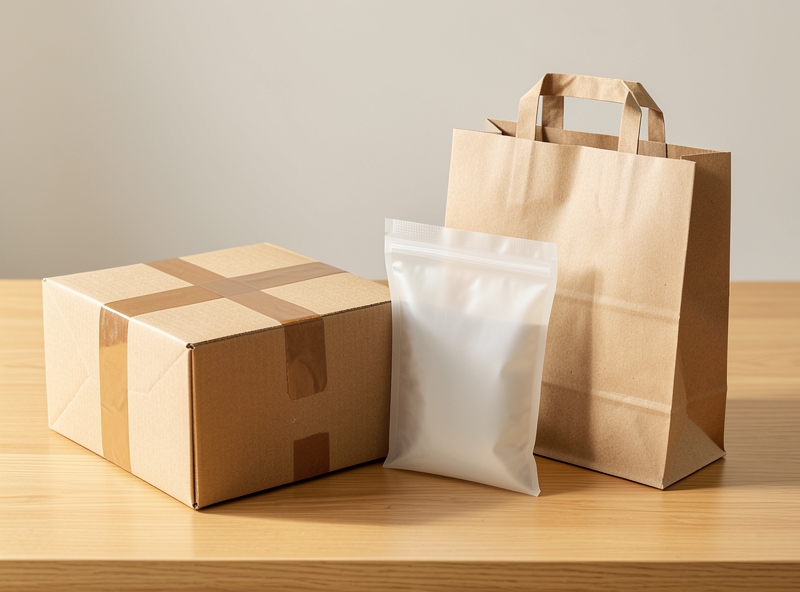
For fashion and accessory items, eliminating traditional plastic bags to switch to fully biodegradable bags (certified OK Compost Home) or high-weight Kraft paper bags is an essential path forward. These bags made from cornstarch or PLA bioplastic are capable of decomposing completely in home composting environments without leaving behind toxic microplastics. This is a major plus point that helps businesses build solid trust with consumers.
"Green packaging is not an additional expense, but a strategic investment that helps businesses increase brand value and optimize operating costs in the long run."
In reality, many businesses are wasting thousands of dollars every month just to "ship air." Using a single carton size for many different product sizes forces packing staff to stuff a large amount of bubble wrap to prevent impact. By optimizing carton box sizes into 3 to 5 standard size categories that perfectly match best-selling product groups, businesses can eliminate up to 80% of the need for cushioning materials. The reduced dimensional weight of the package significantly optimizes last-mile logistics costs.
Finally, the circular loop will truly close when businesses proactively implement a take-back and reuse policy for old boxes. By offering membership reward points or direct discount codes for the next order when customers return intact carton boxes, businesses not only save huge costs on purchasing new packaging but also build a loyal customer base deeply connected to the human values the brand pursues.
4. Guide for Consumers on Recycling and Disposing of Order Packaging at Home
Every online order brings a few minutes of excitement during unboxing, but immediately following is a "battlefield" of plastic bags, bubble wrap, and cardboard boxes occupying your living space. Throwing everything directly into the general trash not only wastes resources but also unintentionally extends the decomposition lifecycle of plastics by hundreds of years in landfills. Turning your home into a link in the circular economy is not as complicated as you think. With just a few small changes in your packaging disposal habits below, you can reduce up to 80% of e-commerce waste discharged into the environment.
| Packaging Type | Obstacles to Recycling | Optimal Disposal Solution at Home |
|---|---|---|
| Cardboard Boxes | Adhesive plastic tape, metal staples. | Cut the tape, remove staples, flatten for storage or donation. |
| Bubble Wrap | Bulky, difficult to decompose naturally. | Keep intact, roll up to reuse as protective wrapping for fragile items when moving. |
| Poly Mailers | Hard adhesive seal strip, thermal labels. | Cut off the adhesive and paper label parts, collect with clean plastic bags for specialized recycling. |
Free Up Space: Properly Disposing of and Donating Cardboard Boxes
Cardboard boxes have the highest recycling rate, but only when they are processed according to the correct technical standards. Leaving a bulky empty box intact as it enters the collection process increases transport costs for recycling facilities by five times due to the large volume of trapped air.
- Cut and Separate Tape: Use a utility knife to slice along the joints. Absolutely remove all plastic tape and shipping labels stuck to the box surface. The acrylic adhesive from tape is the number one enemy that ruins recycled paper pulp batches.
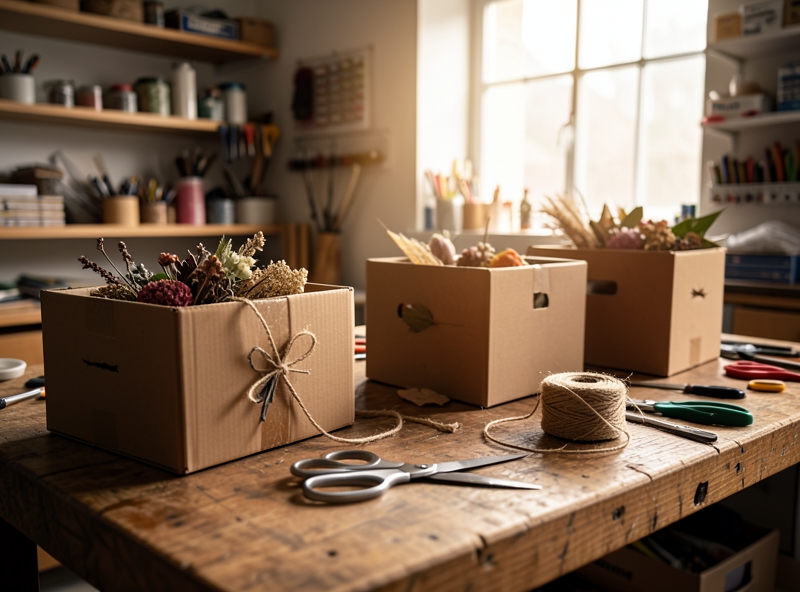
- Flat-packing Technique: Flatten all sides of the box completely. Stack them on top of each other and secure them with a piece of jute twine or old fabric cord. This saves 90% of storage space on your balcony or in your storage room.
- Second Life Cycle: Instead of selling them as scrap for a low value, accumulate 10-15 flat cardboard boxes and donate them to small online shops in your neighborhood, or bring them to drop-off points of green shipping providers so they can reuse them directly for subsequent orders.
"Reusing an old cardboard box directly saves 100% of the energy and water required to crush and recycle it into a brand new box."
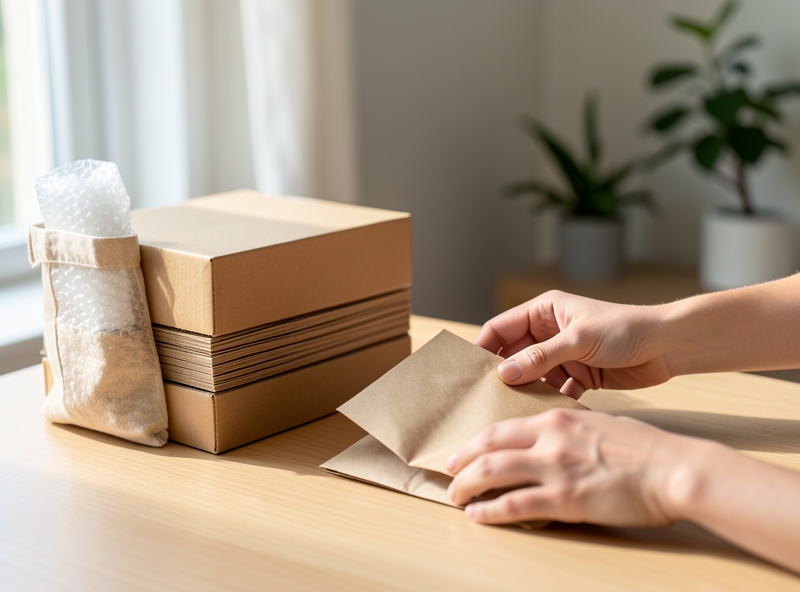
Transform Bubble Wrap into a Household Helper
Bubble wrap is a flexible LDPE plastic that is extremely difficult to decompose but possesses incredible physical durability. Do not rush to throw it away after a single use. Keep this wrap by rolling it up gently to avoid popping the air bubbles, secure it with a rubber band, and store it in a large woven fabric bag.
When you need to pack items for shipping, protect glassware and ceramics during a house move, or wrap around balcony plants to keep them warm in winter, this is the perfect cushioning material that you do not need to spend a penny to buy new. You can even line the bottom of handbags or DIY floats with a layer of bubble wrap to keep their shape highly effectively.
3-Step Process for Sorting Packaging Waste at Source
The success of the waste circular chain depends entirely on sorting actions right in your kitchen. Packaging waste contaminated with organic impurities (such as food scraps, grease) will be immediately rejected for recycling and forced directly to incinerators or landfills.
- Step 1 - Clean and Dry: For plastic wraps or molded plastic containers holding food, wash off all grease stains with eco-friendly dish soap and dry completely before placing them in the recycling collection bin.
- Step 2 - Sort into Rigid and Flexible Materials: Separate the paper group (cardboard, thermal paper receipts, kraft paper bags) from the flexible plastic group (plastic bags, bubble wrap, air pillows). Never stuff plastic bags inside cardboard boxes when discarding them.
- Step 3 - Check Recycling Codes: Look for the triangular symbols with numbers from 1 to 7 on the bottom of the packaging. Numbers 1 (PET), 2 (HDPE), and 5 (PP) are the plastics with the highest recycling value and are always prioritized at collection stations.
5. Conclusion
Every time you click "Buy Now", it triggers a massive shipping journey, leaving a deep carbon footprint on the planet. E-commerce is convenient, but that convenience comes at the cost of millions of tons of plastic packaging waste and shipping emissions every day. Green logistics is no longer just a glossy cape for businesses to use for media campaigns (greenwashing). It is an imperative survival revolution, where economic efficiency must go hand in hand with ecological responsibility.
Thoroughly solving the problem of packaging waste and shipping emissions cannot rely on any single effort. It is an integrated puzzle that requires a solid three-legged stool:
- The State (Creating the legal framework): Enacting strict regulations on limiting non-biodegradable plastic waste, applying reasonable carbon taxes, and creating tax incentive mechanisms for pioneering businesses investing in smart warehousing, renewable energy, and circular supply chains.
- Businesses (Technical solutions and optimization): Completely replacing single-use packaging materials with biodegradable or reusable packaging. Actively applying AI algorithms to optimize delivery routes, transitioning to autonomous electric vehicle fleets, and redesigning reverse logistics processes for efficient packaging recovery.
- Consumers (Awareness and practical action): Willingness to change mindless convenient shopping habits. Choosing sellers with environmental commitments, accepting slightly longer delivery times to optimize vehicle trips, or paying a small fee for green packaging solutions.
"Sustainability does not come from a small group of people practicing green living perfectly. It comes from millions of consumers and tens of thousands of businesses making green transitions, even through small but consistent actions."
The transition journey from a linear economic model of "take - make - waste" to a circular economy in e-commerce is a long and challenging road. But when the three pillars of State, Business, and Consumers align in the same direction, we can fully create a future where technological development and natural prosperity are no longer opposing poles.