1. What is greywater and why do households need to reuse it?
Every time you flush the toilet with clean, drinking-standard water, you are directly throwing money out the window and accelerating the depletion of the planet's most precious resource. Most of us run our homes in an incredibly wasteful way by using the same high-quality water source for all household needs, from eating and drinking to scrubbing floors and watering plants.
To optimize costs and create a truly sustainable lifestyle, the first step is to clearly understand and accurately classify the water sources in your home. Not all wastewater discharged from daily life is useless waste.
| Water Classification | Source of Generation | Level of Contamination | Potential for Reuse |
|---|---|---|---|
| White Water (Clean Water) | Municipal water supply, filtered well water. | No contamination (safe for direct drinking). | Reserved for drinking, cooking, and direct bathing. |
| Greywater | Bathtubs, showers, bathroom sinks, washing machines. | Low to medium (only contains mild detergents, dead skin, hair). | Very high (after passing through a simple filtration system). |
| Blackwater | Toilets, kitchen sinks (contains food grease and pathogens). | Extremely high (contains bacteria and harmful pathogens). | Cannot be reused directly at the household level. |
As such, greywater is non-fecal household wastewater (which does not come into contact with toilet waste). The key point that makes greywater a forgotten "gold mine" is that the decomposition rate of organic impurities within it is extremely fast. If treated properly on-site, this water source is completely safe to reuse for auxiliary purposes.
Pressure from skyrocketing water bills, combined with prolonged droughts and localized freshwater shortages, is turning greywater reuse from a "lifestyle choice" into an economic survival requirement. Let's look at the facts: on average, a person consumes about 150 - 200 liters of water per day, and more than 60% of that water is discharged as greywater.
"Discharging greywater directly into the sewer is a double financial waste: you pay for the incoming clean water and you pay the fee for outgoing wastewater treatment, when you could completely reuse it to water plants or flush toilets."
Taking full advantage of greywater from washing machines, bathtubs, and sinks brings immediate, outstanding benefits:
- Directly cut up to 40% of monthly water bills for households thanks to a closed recycling loop.
- Relieve pressure on the urban drainage system, reducing localized flooding and overloading at centralized wastewater treatment plants.
- Nourish a sustainable landscape: Greywater contains small amounts of phosphorus and nitrogen (from biodegradable soaps), acting as an excellent source of micronutrients for garden plants when irrigated under soil mulch.
The shift to a sustainable lifestyle does not begin with macroscopic ideas. It starts right at the drainpipe under your sink. Actively managing greywater is the smartest solution to protect your family's wallet from future cost fluctuations.
2. Popular Greywater Filtration Solutions and Technologies Today
Every day, hundreds of liters of water from sinks, showers, and washing machines drain away wastefully, accompanied by skyrocketing water bills and the guilt of those pursuing a sustainable lifestyle. You are flushing this precious resource directly away, only to use drinking-grade tap water just to flush toilets or water the garden. To end this unreasonable waste, owning an appropriate greywater filtration system is no longer a luxury choice, but a strategic step for a smart lifestyle.
Depending on your budget, land area, and reuse needs, you can choose one of the three outstanding greywater filtration technologies below to turn domestic wastewater into a powerful regenerative resource.
DIY Sand & Gravel Filters
If you need a low-cost, easy-to-install, and immediately operational solution for agricultural watering or woody ornamental plants, the multi-stage coarse filtration system is the answer. The operating mechanism of this system relies entirely on gravity and the physical dirt-trapping capacity of natural material layers.
- Large gravel layer (bottom): Plays the role of supporting the system and creating space for filtered water to drain out easily without causing outlet clogging.
- Quartz sand layer (middle): Retains suspended particles, lint from washing machines, hair, and small organic plaques.
- Activated carbon layer (top): The core component that helps adsorb chemicals, excess soap, treat odors, and significantly improve water clarity.
This system requires you to replace the sand and activated carbon layers periodically (every 3 to 6 months) to avoid filter clogging and the buildup of odor-causing bacteria. Water after passing through this system needs to be used immediately within 24 hours to avoid re-contamination.
Constructed Wetlands
For those who own spacious garden spaces and want to create a natural circular ecosystem, the artificial wetland system is a masterpiece of biotechnology. This method utilizes the symbiotic power between soil, microorganisms, and aquatic plants such as organic decomposition, heavy metal absorption, and thorough treatment of Nitrogen and Phosphorus compounds in laundry water.
Greywater is channeled through a filter basin planted with deep-rooted and highly efficient water-filtering plants such as reeds, cattails, or water hyacinths. Here, the layer of microorganisms attached to the plant roots will decompose harmful organic substances into nutrients for the plants to absorb. As a result, you get a lush green garden landscape and a natural source of clean water to re-irrigate the entire garden without worrying about chemicals affecting the soil.
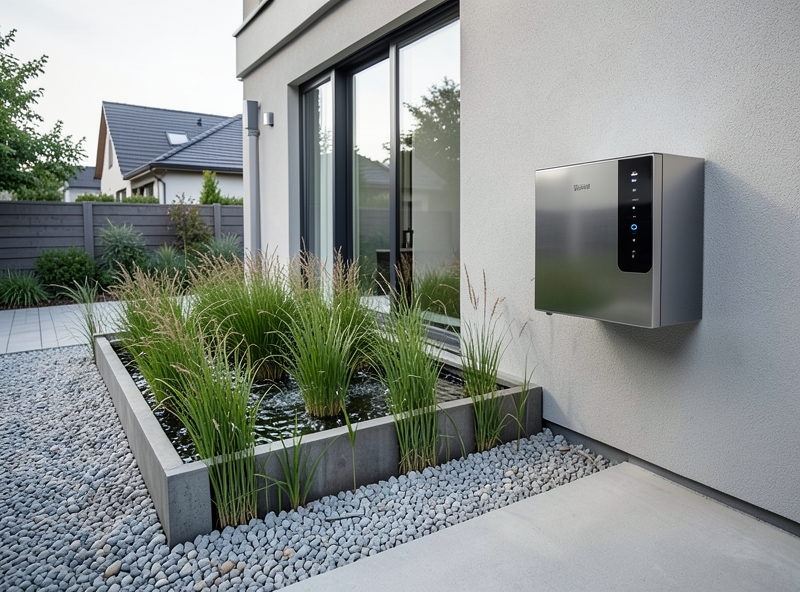
High-Tech Filtration Equipment Integrated with MBR/Nano Membranes and UV Rays
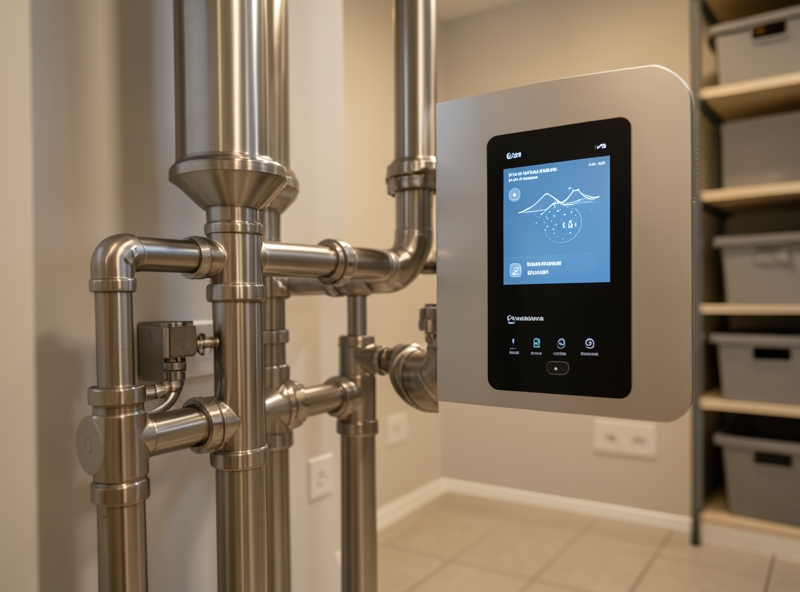
When land area is limited and water reuse quality requirements are at their strictest – such as feeding water back to toilets, washing machines, or car washes – compact high-tech filtration devices are the optimal solution. These are fully automated systems, neatly integrated into the home's technical cabinet.
This superior closed treatment process includes:
- MBR (Membrane Bioreactor) or Nano membrane technology: Completely removes microscopic particles, bacteria, viruses, and dissolved chemical compounds that conventional filters are helpless against.
- Ultraviolet (UV) disinfection system: Destroys 99.9% of pathogens and harmful bacteria without using chlorine chemicals, ensuring the filtered water is absolutely safe when in direct contact with human skin.
Although it has a higher initial investment cost, this system operates extremely durably, automatically backwashes the membrane, and saves up to 40% of monthly clean water consumption for the entire household.
| Comparison Criteria | DIY Coarse Filtration | Biological Filtration (Wetlands) | High Technology (MBR/Nano + UV) |
|---|---|---|---|
| Investment Cost | Very low (A few hundred thousand VND) | Medium (Landscape construction cost) | High (Specialized imported equipment) |
| Area Requirement | Very small (Only needs a balcony/rooftop corner) | Large (Needs spacious garden space) | Small (Neatly installed in the technical room) |
| Output Water Quality | Low (Only used for watering woody plants) | Medium - Fair (Watering vegetables, washing yards) | Excellent (Reuse for toilets, washing machines) |
| Maintenance Frequency | Frequent (Manual material replacement) | Low (Periodic plant pruning) | Automated (Annual periodic maintenance) |
"Investing in a greywater filtration system is not simply about saving money on your monthly bills. It is a strong commitment to a responsible lifestyle, where every drop of water is cherished and continuously regenerated."
3. Guide to Safely Reusing Greywater for Daily Activities
Every time you flush the toilet or watch the wastewater from your washing machine drain away, you are directly wasting dozens of liters of clean water and "burning" money in vain. Greywater – the wastewater from showers, sinks, and washing machines – accounts for up to 50-80% of a household's domestic wastewater. Recirculating this water source is not only an act of environmental protection, but also a smart financial solution that helps you immediately cut up to 40% of your monthly water bill.
"Greywater is not waste; it is a misplaced resource. Smart water management begins with changing our definition of cleanliness."
To begin your journey towards a truly green lifestyle without any hygiene risks, you need to clearly understand the scientific formula for classifying and repurposing water below:
| Greywater Source | Optimal Collection Method | Safe Practical Application |
|---|---|---|
| Washing machine discharge (especially rinse water from cycles 2 and 3) | Direct the washing machine's drain hose into a large storage container (with a lid). | Use for flushing toilets, scrubbing bathroom floors, or cleaning the yard. |
| Water from washing vegetables and rinsing rice | Place a large basin under the sink to manually catch water during food preparation. | Water young plants, ornamental flowers, or moisten garden soil before sowing seeds. |
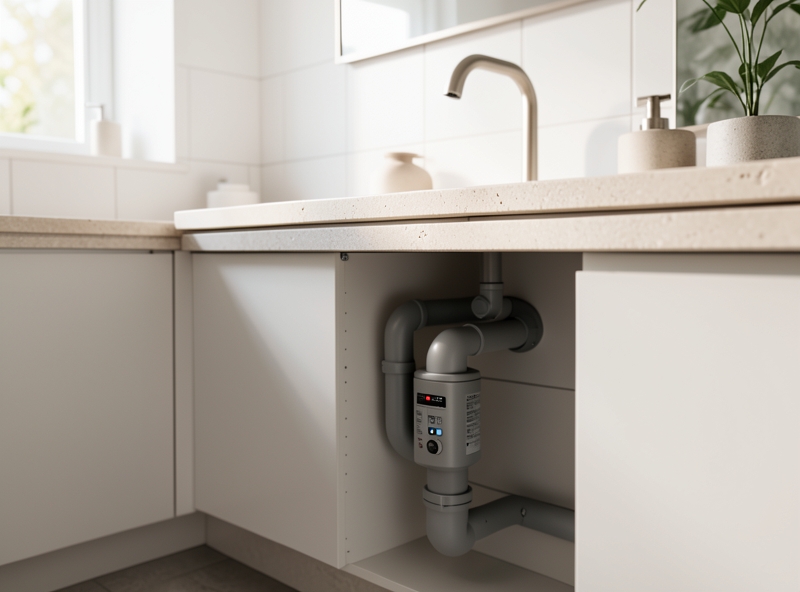
| Water from bathroom sinks and showers | Install a simple diverter valve under the sink drain pipe to direct water into a storage bucket. | Clean balconies, wash car tires, or clean gardening tools. |
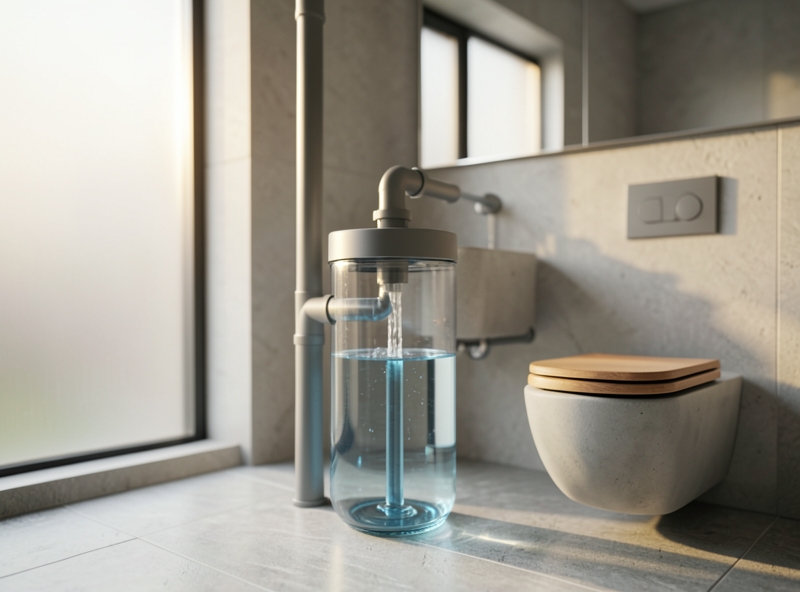
However, the line between "smart reuse" and "cross-contamination" is extremely thin. To absolute protect the health of yourself and your family, you must strictly comply with the following three biosafety principles:
- Never store greywater for more than 24 hours: Unlike regular rainwater, greywater contains dead skin cells, organic matter, and mild cleaning chemicals. This is an ideal breeding ground for bacteria and pathogens to grow and cause foul odors after just a few hours. Collect and use it within the day.
- Principle for watering leafy vegetables: Never water greywater directly onto the leaves or stems of raw vegetables or short-day leafy greens. Greywater is only safe when watered directly at the roots of woody fruit trees, ornamental plants, or green lawns.
- Use a primary filter: Always place a mesh filter bag (or fine mesh filter sock) at the collection inlet of the washing machine water to trap lint, hair, and debris before storage. This helps prevent clogging of the toilet flush valve or the accumulation of unsightly dirt.
4. Outstanding Economic and Environmental Protection Benefits
Every month, when holding your utility bill, have you ever wondered what percentage of that money is being wasted in vain through the gaps of old living habits? Green living is not a luxury trend or a far-fetched theory. This is a pragmatic economic equation that brings immediate double returns: directly cutting household operating costs and creating a shield to protect the natural ecosystem.
By switching to smart water-saving solutions such as installing low-flow aerator nozzles, using dual-flush toilets, and reusing greywater for watering plants and cleaning, households can immediately reduce their monthly water bills by 30% to 50%. This is a massive figure when multiplied over years and decades.
| Consumption Category | Traditional Model (Wasteful) | Green Living Model (Optimized) | Economic & Environmental Efficiency |
|---|---|---|---|
| Faucets & Showers | 12 - 15 liters/minute (No aerator) | 5 - 6 liters/minute (Integrated aerator technology) | Saves up to 60% of clean water consumption |
| Toilet Flushing System | 9 - 12 liters/flush (Single flush) | 3 - 4.5 liters/flush (Dual flush, ultra-saving) | Reduces wastewater pressure by more than 50% |
| Rainwater & Greywater Treatment | Discharged directly into the public drainage system | Collected and coarsely filtered for watering plants and washing yards | Self-sufficient watering source, reduces urban flooding load |
"Water conservation is no longer a voluntary choice; it is the smartest and sharpest personal financial strategy to protect your family against the wave of global resource inflation."
The impact of this journey does not stop at your wallet. When each household actively reduces water consumption and harvests rainwater on-site, we are directly reducing the tremendous pressure on the urban drainage system during peak storm seasons, effectively preventing localized flooding.
In particular, reducing excessive water extraction is the only antidote to protect deep underground aquifers - an invaluable resource that is being depleted and severely polluted. At the same time, less wastewater discharged into the environment means minimizing operating energy for massive chemical treatment plants. Your family's ecological footprint will be minimized to the utmost, shaping a civilized, responsible, and proud lifestyle.
5. Conclusion
Every drop of water that slips down the drain when you bathe or do laundry is a direct wasted cost from your wallet. Continuing to discharge greywater (domestic wastewater not containing toilet waste) not only drains household budgets but also accelerates the global water scarcity crisis. Owning a home greywater filtration system is no longer a luxury "experimental" option, but has become an inevitable trend to shape a truly sustainable lifestyle.
"Investing in a greywater recycling system is the fastest way to cut up to 40% of clean water bills, while building a resource-independent shield for your home against all climate variations."
To optimize economic efficiency and operation, households need to proactively choose solutions that fit their actual scale of use. Let's look at the clear differences below:
| Comparison Index | Traditional Model (No Greywater Filtration) | Modern Model (Integrated Greywater Filtration) |
|---|---|---|
| Clean Water Consumption | 100% wasted for both toilet flushing and watering plants. | Outstanding savings thanks to reusing shower and laundry water. |
| Monthly Water Bill | Increases steadily according to progressive tariffs. | Minimized to the maximum, kept at the lowest floor level. |
| Real Estate Value | Ordinary, with no technological highlights. | Increased value by meeting green, smart building standards. |
Without needing macro changes, the green living journey starts with controlling the outlet water source right at your home. Proactively installing a suitable greywater filtration system today is the smartest financial decision to protect your family's wallet and construct a solid sustainable future.