1. Trends in Protecting Green Gardens with Homemade Biological Pesticides
In the context of booming urban farming and home gardening, the overuse of chemical pesticides is no longer the preferred choice for savvy gardeners. Instead, a "green revolution" is taking place right in the kitchen: utilizing natural compounds to control pests. This is not merely a passing trend, but a pragmatic approach based on the principles of ecological balance and user health protection.
| Comparison Criteria | Chemical Pesticides | Homemade Biological Pesticides |
|---|---|---|
| Safety | Chemical residues, hazardous to young children and pets. | Absolutely safe, no withdrawal period required. |
| Environmental Impact | Pollutes soil and water sources; kills beneficial insects. | Rapidly biodegradable; preserves natural enemies (bees, ladybugs). |
| Cost | Expensive, dependent on commercial products. | Inexpensive, maximizes the use of daily household waste. |
| Treatment Effectiveness | Fast-acting but easily leads to pesticide resistance. | Slower-acting but sustainable, less likely to cause resistance. |
The key to this method lies in exploiting the natural biochemical properties of plants. Rather than radical extermination through toxic mechanisms, homemade solutions primarily operate on the principles of inhibiting the nervous system, destroying the chitin shell, or simply repelling pests with extreme flavors and scents.
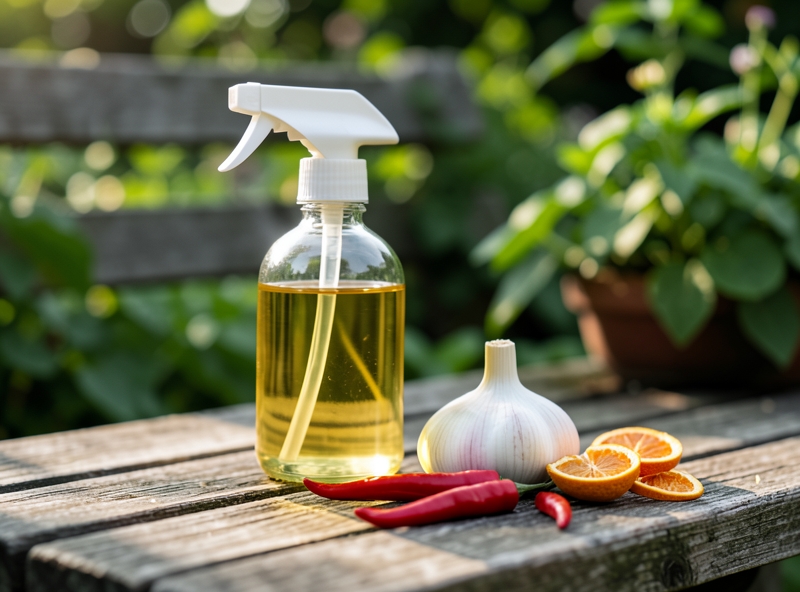
Applying kitchen waste to garden management brings high practical value due to the availability of ingredients:
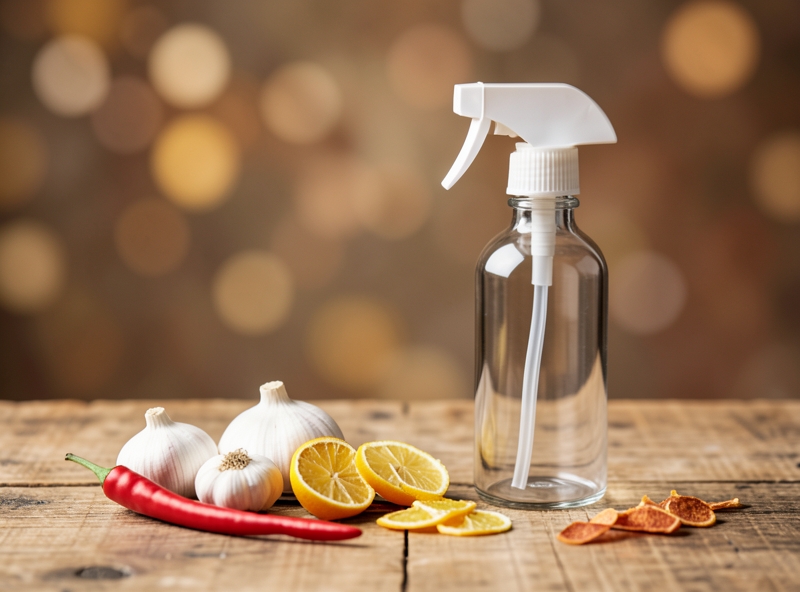
- Garlic and Chili: Contain Allicin and Capsaicin active ingredients with strong antibacterial properties, causing burning sensations and repelling brown planthoppers, leaf-eating caterpillars, and red spider mites.
- Orange and Citrus Peels: Limonene essential oil extract is the nemesis of soft-bodied insects like mealybugs. This active ingredient destroys their outer protective layer, causing dehydration and death.
- Ginger and Alcohol: Create an antiseptic environment, preventing the growth of mold and potential pathogens in the soil.
"Using homemade biological pesticides is not just a way to protect plants; it is a solution for re-establishing a harmonious relationship between humans and nature right within our living spaces."
However, gardeners must realistically acknowledge that these solutions evaporate quickly and are easily washed away by rain. Therefore, practical application requires persistence in periodic spraying and close monitoring of pest density. This is a trade-off well worth it to achieve a clean, green space where harvested food meets organic standards and is safe for every family member.
2. Powerful Garlic and Chili Aphid Control Formula
In urban farming, using chemical pesticides often raises concerns about health and living space pollution. The alternative solution from a mixture of garlic and chili is not just a folk remedy but actually a "biological weapon" with a clear scientific basis, providing rapid aphid elimination while ensuring absolute safety.
Below is the optimal formula trusted by gardening experts to wipe out mealybugs, aphids, and red spider mites:
- Garlic (100g): Prioritize aged garlic for the highest natural antibiotic concentration.
- Fresh Chili (100g): Use spicy varieties like Thai chilies or bird's eye chilies to ensure maximum Capsaicin levels.
- Dish Soap (10ml): Acts as a wetting agent and breaks down the aphid's waxy coating.
- Clean Water (1 liter): Used to blend and soak the initial mixture.
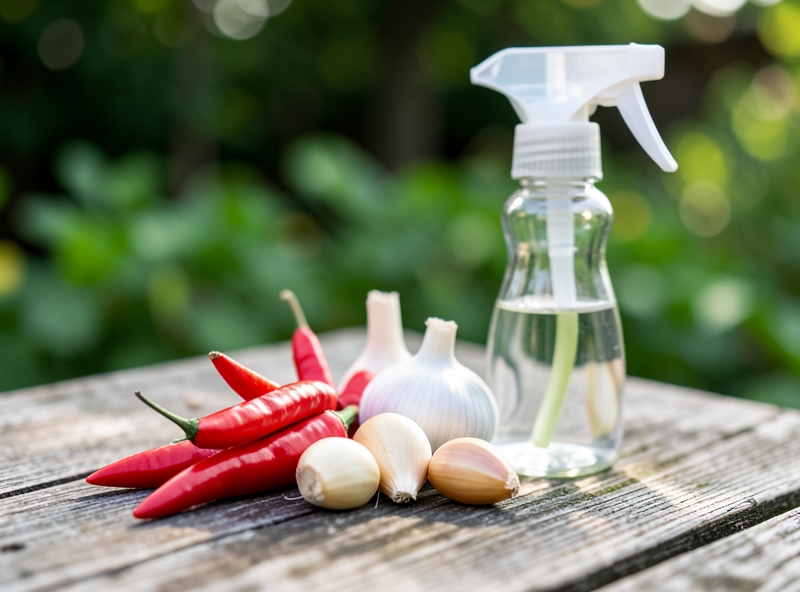
Processing Procedure and Practical Application
To achieve the highest eradication efficiency, the process needs to strictly follow the soaking time:
- Blending: Place garlic and chili in a blender with 500ml of water. Blend thoroughly until very smooth so the active ingredients are fully released.
- Soaking: Pour the mixture into a sealed container and leave it in a cool place for about 24 hours. This process helps Allicin and Capsaicin dissolve maximally into the water.
- Filtering: Use a fine cloth to filter out all residue to avoid clogging the spray bottle during use.
- Diluting: Before spraying, dilute the collected concentrate with 2 liters of clean water and stir in the dish soap.
"Dual-action mechanism: Allicin acts as a powerful antibiotic that repels insects, while Capsaicin causes direct burning to the aphid's body, making them lose their ability to cling and eventually die."
| Main Ingredients | Action Mechanism | Key Advantages |
|---|---|---|
| Allicin (Garlic) | Creates an unpleasant odor, inhibiting the aphid's nervous and respiratory systems. | Long-lasting repellent effect, preventing re-infestation. |
| Capsaicin (Chili) | Causes cell membrane burns, destroying the insect's protective shell. | Fast-acting, immediate effect upon contact. |
| Dish Soap | Reduces surface tension, helping the solution cover the entire aphid body. | Increases adhesion on plant leaves, prolonging the duration of action. |
In terms of practicality, this formula has extremely low costs and easily accessible ingredients. However, users should note to spray during the cool late afternoon to avoid burning leaves under harsh sunlight. Since this is a biological pesticide, its environmental persistence is lower than chemical drugs; therefore, it is necessary to re-spray after 3-5 days to completely eliminate newly hatched aphid colonies.
3. Using Orange Peels to Eliminate Spider Mites and Soft-Bodied Insects
In modern organic farming, orange peels are not merely organic waste but a source of raw material containing powerful insecticidal active ingredients. The key component creating this value is d-Limonene. From a scientific perspective, Limonene is a terpene solvent capable of directly dissolving the protective waxy layer (cuticle) on the bodies of spider mites and other soft-bodied insects such as aphids and mealybugs. When this protective shell is destroyed, the insects lose their ability to control moisture, leading to acute dehydration and rapid death.
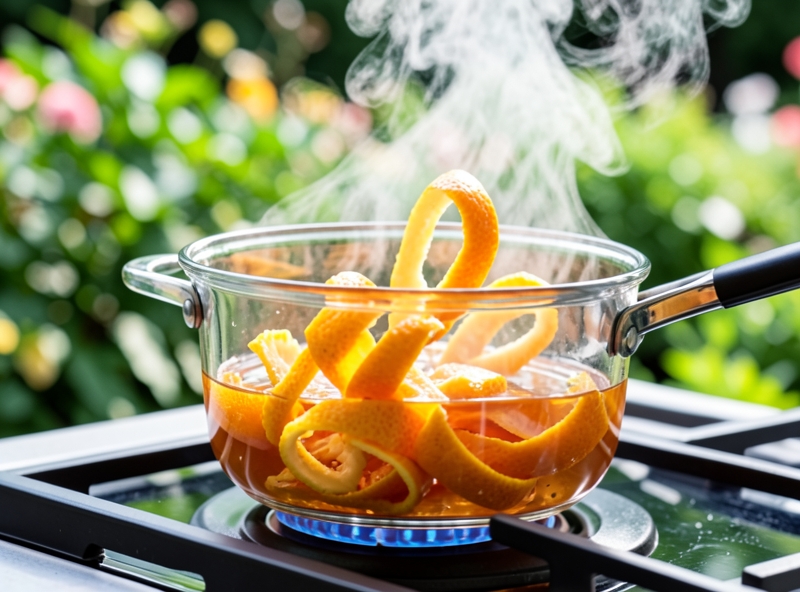
Self-producing insecticidal solutions from orange peels offers high practical value: low cost, absolute safety for the applicator, and no chemical residues left on agricultural products. There are two common extraction methods that achieve the highest efficiency:
- Boiling Method (Fast Extraction): Use approximately 200g of finely chopped fresh orange peels, boiled with 1 liter of water for 15 minutes. Heating helps break down the oil glands more quickly.
- Hot Water Soaking Method (Preservation Extraction): Place orange peels in a container, pour 100°C boiling water over them, and seal tightly for 24 hours. This method helps retain volatile compounds without them being decomposed by prolonged high temperatures.
"Limonene is non-toxic to mammals but acts as a neurotoxin to many types of insects upon direct contact, making it a perfect biological weapon for urban gardens."
However, practicality in gardening requires precision in dosage to avoid thermal shock or leaf burn (phytotoxicity). Orange essential oil is acidic and has strong cleaning properties; therefore, dilution is mandatory before large-scale application.
| Application Parameters | Ratio/Instructions | Technical Notes |
|---|---|---|
| Dilution Ratio | 1 part concentrate : 10 parts clean water | Should add 1-2 drops of organic dish soap to act as an emulsifier. |
| Spraying Time | Cool afternoon or early morning | Avoid spraying during intense sunlight as the essential oil can cause sunburn on leaves. |
| Frequency | Every 2-3 days | Repeat spraying is necessary to eliminate newly hatched spider mite egg clusters. |
Analyzing fairly, the only disadvantage of this method is its poor stability under sunlight. The orange peel solution decomposes quickly, so gardeners need to be persistent with periodic spraying instead of expecting immediate effects like organophosphate chemical pesticides. This is a worthy trade-off to maintain a sustainable garden ecosystem and ensure family health safety.
4. Instructions for Proper Use and Storage of Biological Pesticides
The effectiveness of biological pesticides lies not only in their active ingredients but also depends heavily on cultivation techniques and the gardener's understanding of biological characteristics. Unlike chemical pesticides, which have an immediate and extremely strong impact, biological preparations often have poor stability against environmental factors such as temperature and sunlight.
The timing of spraying is a prerequisite factor, determining 70% of success. Experts recommend performing it only in the early morning (before 8:00 AM) or late afternoon (after 4:00 PM). Spraying under intense sunlight not only causes rapid evaporation of active ingredients but also creates a lens effect, causing severe leaf scorch. Particularly, with pesticide lines containing bacteria (such as Bt) or antagonistic fungi, UV rays in sunlight will kill beneficial microorganisms before they have a chance to attack pests.
"In urban agriculture, the most common mistake is spraying as soon as pests are spotted without regard for environmental temperature, leading to thermal decomposition of the pesticide before it can take effect."
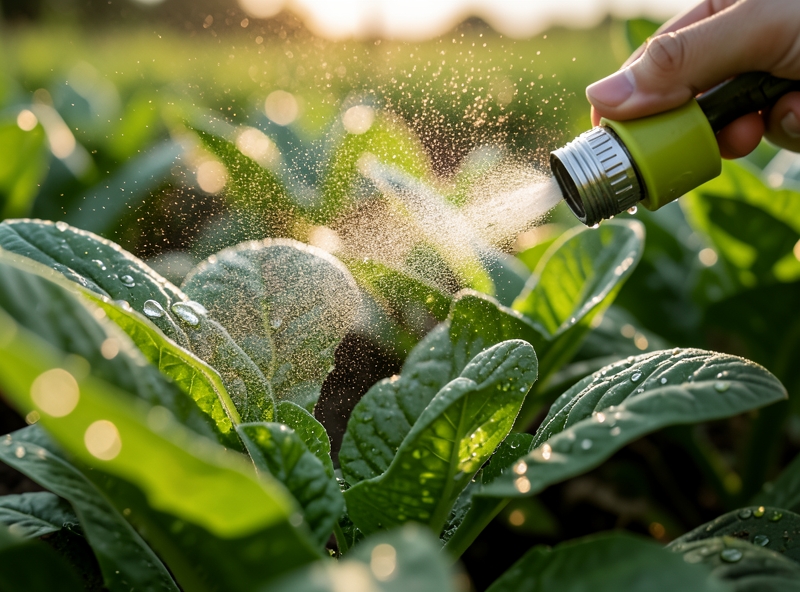
A practical procedure that smart gardeners always apply is small-scale testing. Before mass spraying for an entire high-value ornamental garden, select 2-3 plants or a few branches to test spray. Observe the plant's reaction within 24 - 48 hours. If there are no signs of wilting, leaf margin burn, or abnormal color changes, then proceed with large-scale spraying. This helps eliminate risks caused by plants being sensitive to certain natural extract ingredients.
Regarding storage, diluted pesticide solutions (especially homemade ones from ginger, garlic, chili, or microbial preparations) are easily oxidized and lose activity at room temperature. To optimize costs and efficiency, you should note:
- Use within the day: It is best to mix only enough for one use. Pesticide solutions left overnight at room temperature often ferment, produce foul odors, and reduce toxicity against pests.
- Cold storage: If there is leftover, transfer the pesticide into a dark bottle, seal tightly, and store in the refrigerator's cool compartment (temperature from 4-10°C). This method helps maintain the activity of enzymes and microorganisms for about 3-5 days.
- Avoid direct light: Always place the pesticide in a dark, cool place if cold storage is not available.
| Criteria | Correct Implementation | Value Brought |
|---|---|---|
| Spraying Time | Early morning or late afternoon. | Avoids leaf burn, maintains microbial activity. |
| Spraying Scope | Small-scale testing before wide application. | Ensures safety for sensitive plant species. |
| Storage | Refrigerator cool compartment, dark bottles. | Extends the lifespan and potency of the pesticide. |
Adhering to these technical principles not only helps protect crop health but also optimizes investment costs for the garden, ensuring a living environment that is always green and safe.
5. Frequently Asked Questions (FAQ)
During the transition from chemical care methods to organic farming, gardeners often face certain technical hurdles. Below is a pragmatic analysis based on the most common questions.
Can homemade pesticides kill plants?
Yes, if used at the wrong concentration or applied at the wrong time. Ingredients such as acetic acid in vinegar, the heat of chili (capsaicin), or the alkalinity of soap, if too concentrated, will "burn" the leaf epithelium and break down the plant's natural protective layer. The most common mistake is spraying at midday under the sun, which causes water droplets to act like lenses focusing light, leading to severe plant tissue damage.
| Ingredient | Main Risk | Safe Solution |
|---|---|---|
| Garlic, chili | Causes burns on young leaves, repels even beneficial natural enemies. | Dilute at a 1:50 ratio and test on a small area. |
| Orange, lemon peels | High acidity affects the pH of the leaf surface. | Use extracted essential oils or steep thoroughly. |
| Dish soap | Strips the protective wax layer off leaves, causing dehydration. | Only use highly biodegradable types without harsh detergents. |
How often should herbal pesticides be sprayed?
Unlike chemical pesticides which have long residual effects, homemade remedies evaporate and decompose very quickly under UV rays. To achieve optimal performance, the spraying frequency should be based on specific goals:
- Prevention: Periodically every 7-10 days. This is enough time to maintain a scent that repels harmful insects before they have a chance to lay eggs.
- Treatment (When pests are present): Every 2-3 days for 2 consecutive weeks. The goal is to break the insect's growth cycle from the egg stage to the larvae stage.
"In organic farming, consistency is more important than intensity. A regular spraying schedule has higher protective value than overdosing in a single application."
Can ingredients like garlic, chili, and orange peel be mixed together?
Mixing these is not only possible but encouraged to create a "multi-layered" defense mechanism. Each ingredient takes on a different chemical role in affecting the nervous system or the outer shell of insects:
- Garlic: Contains Allicin, which has antibacterial and antifungal properties and creates a repellent odor.
- Chili: Capsaicin causes direct irritation to the digestive system and sense of touch of rodents and leaf-eating caterpillars.
- Orange peel: Contains the active ingredient Limonene, which can dissolve the waxy shells of aphids and red spider mites, causing them to dehydrate and die.
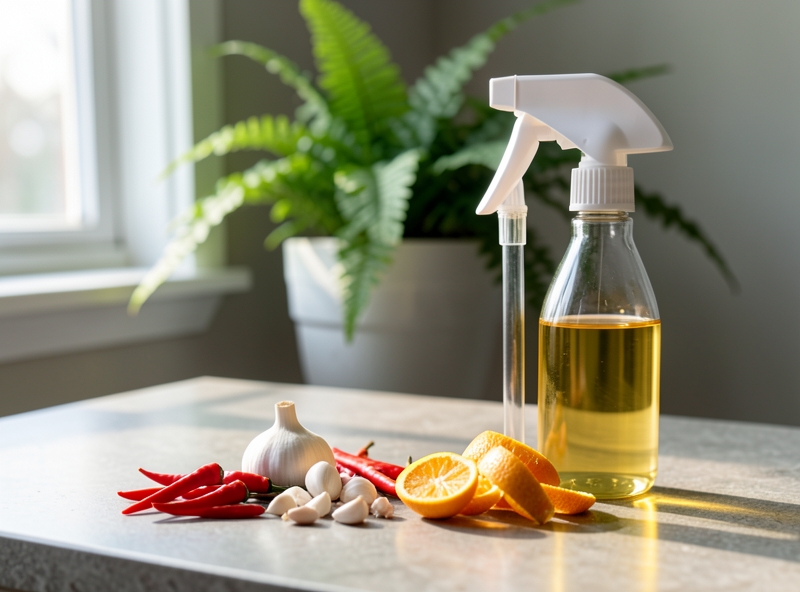
However, a practical note when mixing: This mixture needs to be filtered carefully through a fine cloth to avoid clogging the nozzles of electronic or manual sprayers - a common technical issue that causes frustration for gardeners.