1. The Importance of Oral Hygiene for Pets
Most pet owners today are often preoccupied with fancy outfits or expensive "organic" kibble, forgetting that inside the mouths of their dogs and cats lies a "bacteria den" silently Ravaging their health. Alarming statistics show that over 80% of pets over the age of 3 suffer from oral diseases. This figure is not merely a statistic from toothpaste companies to scare consumers, but it reflects the negligence in current standard pet care routines.
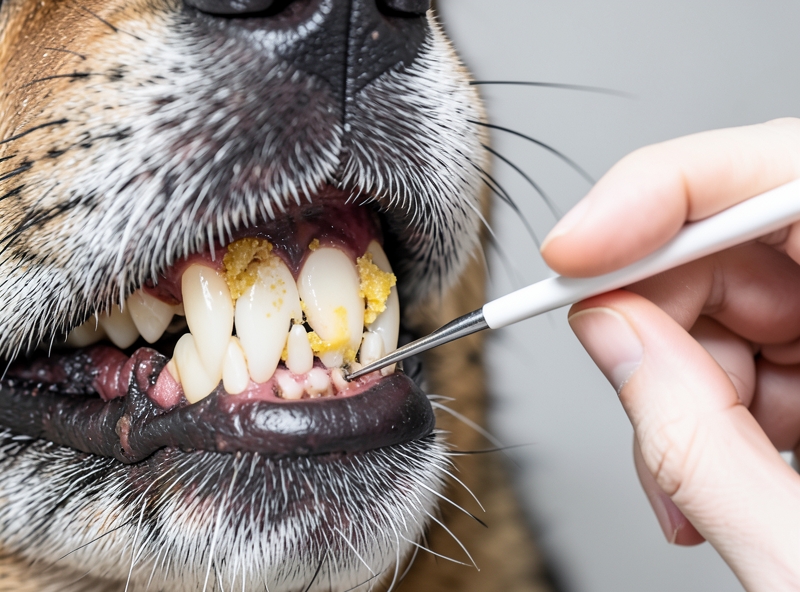
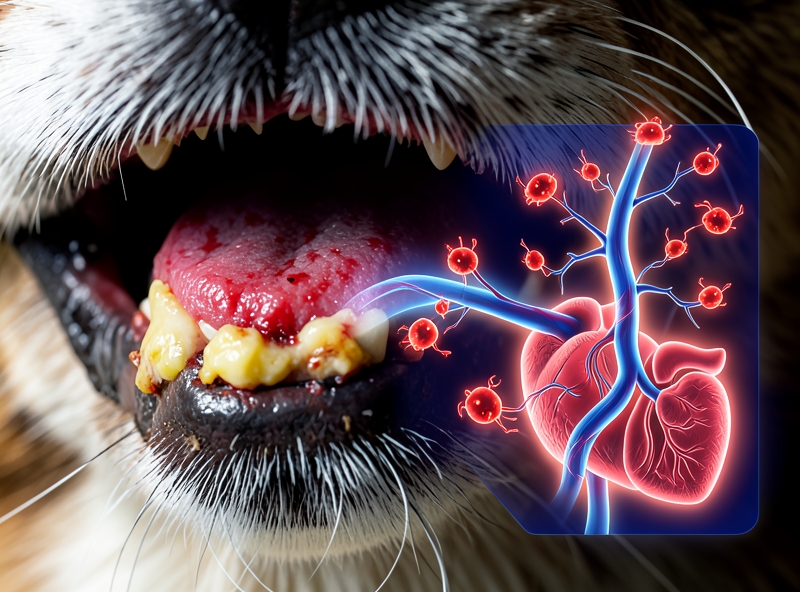
Do not be mistaken that "dog and cat breath is naturally smelly." That is not a species characteristic; it is the smell of decay from leftover food and long-term bacterial accumulation. Oral hygiene is not just for aesthetic purposes or so that owners can comfortably "kiss" their pets without holding their breath. In reality, the oral cavity is the gateway to the circulatory system. When gums are inflamed and bleeding, bacteria easily enter the bloodstream, directly attacking the heart, liver, and kidneys—internal organs that have no defense against the relentless onslaught from oral infections.
"A decayed tooth might not kill a pet immediately, but the decline in organ function caused by oral bacteria will certainly shorten their lifespan tragically."
| Factor | Misconception | Scientific Reality |
|---|---|---|
| Breath | Dogs and cats naturally have bad breath. | Bad breath is an early sign of gingivitis or periodontal disease. |
| Diet | Eating dry kibble alone keeps teeth clean. | Kibble only partially helps reduce plaque and cannot replace brushing. |
| Consequences | Only results in toothaches and tooth loss. | Causes sepsis, heart failure, and a severe reduction in lifespan. |
If you are truly pragmatic and want to save costs, learn to pick up a toothbrush before having to take your pet for tooth extraction surgery or chronic kidney failure treatment. Regular oral care is the smartest investment to protect overall health and prolong the time spent with your four-legged friends, rather than wasting money on ineffective functional foods.
2. The Link Between Gum Disease and Dangerous Internal Organ Pathologies
Never mistakenly believe that oral disease stops at mere aches or bad breath. The reality is far harsher: the mouth is a gateway, and when gums are inflamed, this gateway becomes a deadly security breach. When pets experience gingivitis, the gum tissues become fragile, swollen, and easily damaged. Here, ruptured capillaries create a "highway" for bacteria accumulating in plaque and tartar to directly enter the circulatory system.
"Gingivitis is not a localized issue; it is a bacterial invasion into the pet's entire living system."
Once they have entered the bloodstream, bacteria do not just travel passively; they actively attack target organs with high blood flow, causing irreversible damage. This is where discipline in oral care becomes the boundary between life and death.
| Target Organ | Pathogenic Mechanism | Clinical Consequences |
|---|---|---|
| Heart | Bacteria attach to heart valves, causing inflammation and the formation of vegetations. | Infective endocarditis, congestive heart failure, heart valve regurgitation. |
| Kidneys | Immune complexes and bacteria cause blockages in the blood filtering units (Nephrons). | Glomerulonephritis, chronic kidney failure (especially common in senior cats and dogs). |
| Liver | Bacterial toxins trigger a systemic inflammatory response, causing liver cell degeneration. | Hepatitis, impaired detoxification function, formation of liver scarring (Cirrhosis). |
This destruction occurs silently. Your pet cannot cry for help when their kidneys begin to fail or their heart valves start to leak. When clinical symptoms such as loss of appetite, fatigue, or edema appear, often 75% of these organs' functions have already been destroyed. Delaying oral cleaning is a compromise with terminal illnesses.
ACT NOW - DISCIPLINE IS SURVIVAL:
- Check immediately: Lift your pet's lip. If you see bright red gums or a red line near the base of the teeth, bacteria have already begun to enter the blood. Don't wait another second!
- Establish a 24h cleaning schedule: Brush your pet's teeth once every day. Plaque bacteria harden into tartar in just 24-48 hours. Don't give them the chance to petrify.
- Regular blood tests: For pets over 5 years old with underlying oral disease, ask your veterinarian to perform liver and kidney function tests every 6 months to detect early internal organ damage.
- Specialized intervention: If tartar has already formed, a toothbrush is no longer effective. Take your pet for professional ultrasonic scaling immediately to eliminate bacterial reservoirs before they "migrate" to the heart.
3. Medical-Grade Teeth Brushing Guide for Pets
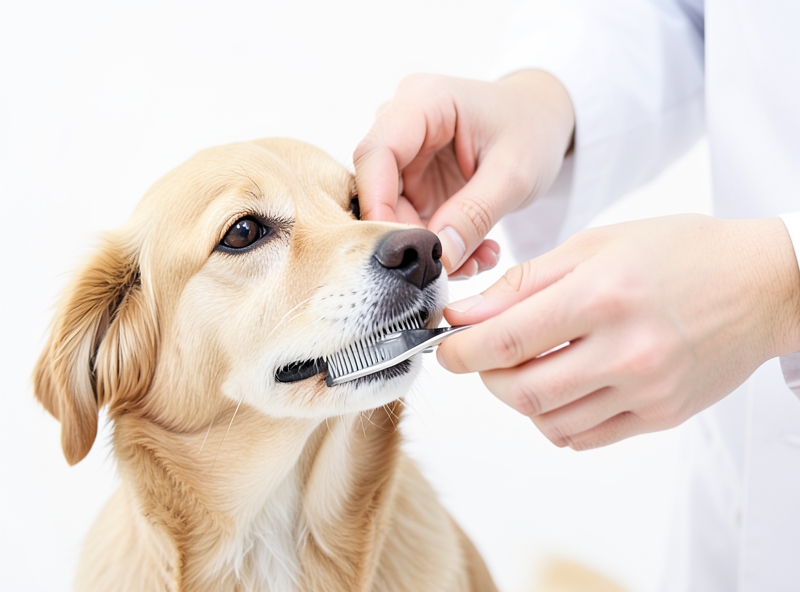
Most pet owners often daydream about their pets sitting still and enjoying the process like in those random commercials online. In reality, if you rush at their mouths with a toothbrush without preparation, the only results you'll get are scratch marks and panic. "Medical-grade" brushing isn't just a fancy slogan; it is strategic persistence to avoid spending millions later for a veterinarian to deal with a mess of tartar and gingivitis.
The silliest and most dangerous mistake is using human toothpaste for pets. Foaming agents (SLS) and especially Xylitol or Fluoride in human toothpaste are toxins that cause liver failure and seizures in dogs and cats. You need a specialized toolkit: a small-headed toothbrush (or a finger brush) and enzymatic toothpaste with meat or malt flavors – the only things that get pets to "cooperate" instead of resisting.
| Criteria | Human Tools (Avoid) | Pet Tools (Standard) |
|---|---|---|
| Toothpaste | Contains Fluoride, Xylitol (Causes poisoning). | Natural enzymes, swallowable, meat/fish flavor. |
| Toothbrush | Bristles too hard, large head causes gum damage. | Ultra-soft bristles, angled design suitable for narrow jaws. |
"Don't try to clean the entire set of teeth in the first 30 seconds. The goal isn't immediate cleanliness, but to ensure the pet doesn't view the toothbrush as an eternal enemy."
To achieve optimal results without causing psychological trauma to both human and animal, follow this 3-stage adaptation process:
- Stage 1: Taste and Familiarization (Days 1-3): Let your pet lick a bit of toothpaste off your finger. Let them understand this is a treat, not medicine. Once they like the flavor, use your finger to gently rub their gums so they get used to the sensation of being touched in the oral area.
- Stage 2: Tool Introduction (Days 4-7): Let the pet see the brush, apply toothpaste to it, and let them lick it off. At this step, keep the pet in a comfortable sitting position, from behind or the side—never confront them head-on as it creates a threatening pressure.
- Stage 3: Circular Brushing Technique: Gently lift the upper lip, place the brush at a 45-degree angle to the gum line. This is where plaque accumulates the most. Brush gently in circular motions or vertically from the gums down to the teeth. Focus on the outer surface of the upper molars – the area most exposed to salivary glands and prone to tartar formation.
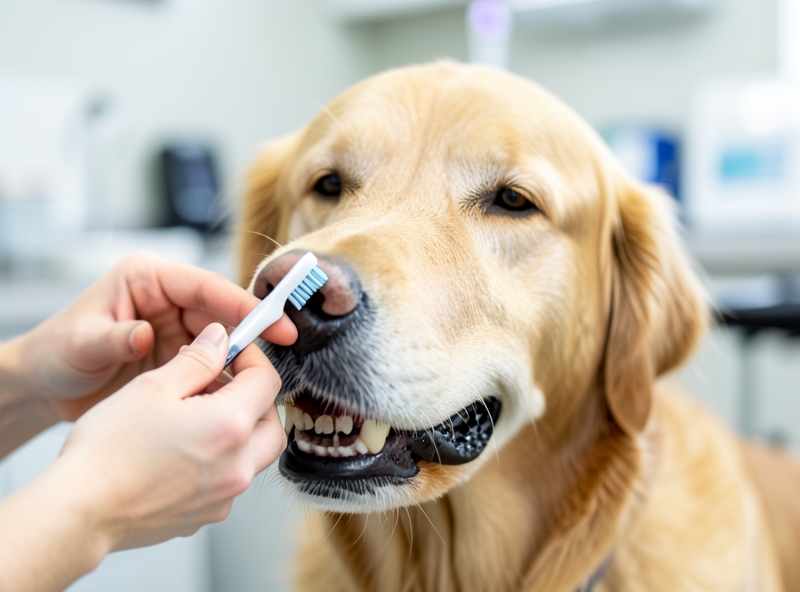
When performing, remember to hold the toothbrush loosely, do not use heavy pressure. A pet's natural reflex is to try to close their mouth; you don't need to try to pry their jaws open. In fact, most gingivitis-causing plaque is located on the outer surface of the teeth, where they touch the cheeks. Just lift the lip and brush along that area to complete 80% of the oral health protection task.
Of course, no technique is a "miracle" if you only do it whenever you feel like it. A medical-grade routine requires consistency at least 3 times a week. If you cannot be persistent, it's best not to expect fresh breath or a healthy set of chewers from your pet.
4. Alternative Solutions and Effective Dental Cleaning Aids
If putting a toothbrush into your pet's mouth is as difficult as trying to crack a multi-layered security system, don't worry! We always have clever "patches" and alternative solutions. This is where biotechnology and materials engineering take center stage, helping maintain the oral health of your "bosses" without having to go through stressful struggles.
First, let's talk about Dental Chews – a type of "hardware" designed with a special physical structure. Instead of just being regular food, these chews have a fiber density and toughness carefully calculated so that when the pet bites down, the friction force automatically sweeps away plaque in the most hard-to-reach locations. This is an extremely effective mechanical friction self-cleaning mechanism.
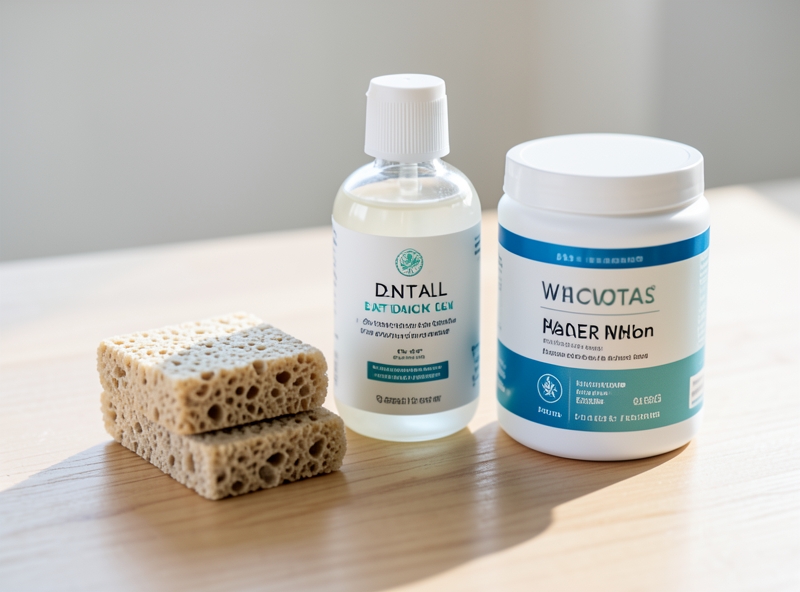
Next are No-brush Enzymatic Gels. This is truly an achievement in biochemistry! This type of gel works based on catalytic enzymes (such as Protease or Glucose Oxidase) that help break down the bacterial biofilm structure. You only need to apply a small amount to the gum area, and the pet's saliva system will act as a "solvent" to disperse the enzymes throughout the oral cavity, helping to neutralize odor-causing compounds automatically.
"Using supportive solutions is not just an alternative, but also a redundancy layer that helps continuously control bacteria 24/7 in the pet's oral cavity."
An extremely convenient "set-and-forget" solution is Water Additives. The active ingredients in the solution (usually containing zinc gluconate or safe bacterial inhibitors) alter the pH environment in the mouth, making it difficult for bacteria to adhere and form tartar. Finally, we cannot forget Specialized Dental Diets. These kibbles are usually larger and have a special "fiber matrix" structure, forcing the pet to chew thoroughly, thereby creating a scrubbing effect similar to a natural toothbrush.
| Solution | Primary Mechanism | Convenience Level | Target Effectiveness |
|---|---|---|---|
| Dental Chews | Mechanical Abrasion | High | Physical plaque removal |
| Enzymatic Gel | Enzymatic Action | Medium | Bacterial biofilm destruction |
| Water Additive | Chemical Inhibition | Very High | Prevention of new tartar formation |
| Dental Diet Kibble | Fiber Matrix | High | Dental hygiene through chewing |
However, pet-loving "geeks" should note: although these solutions are extremely powerful, they work best when combined (stacking). Coordinating mechanical action from dental chews and biochemical action from enzymatic gels will create a solid defense barrier, keeping your pet's dental system in a "stable" state and avoiding system errors (such as gingivitis or tooth loss) in the long run.
5. Frequently Asked Questions (FAQ)
Hello friends! As a companion to our little "bosses," I understand that dental care can sometimes leave us feeling as flustered as the first time we held a toothbrush. Think of your pet's mouth as the front door of your house. If this door isn't swept, dirt (plaque) will accumulate, eventually forming stubborn rust (tartar) that affects the entire home. Below are the questions I most frequently receive from pet "parents."
How often should I brush my pet's teeth?
Ideally, once a day. Just imagine, if we only brushed our teeth once a week, how "fragrant" would our breath be? Bacteria in a pet's mouth grow very quickly; it only takes 24-48 hours for plaque to start hardening into tartar. If your schedule is too tight, try to maintain at least 3 times a week. This is like sweeping the house daily to avoid having to overhaul the entire building because of encrusted dirt.
What are the signs that a pet needs professional scaling at a clinic?
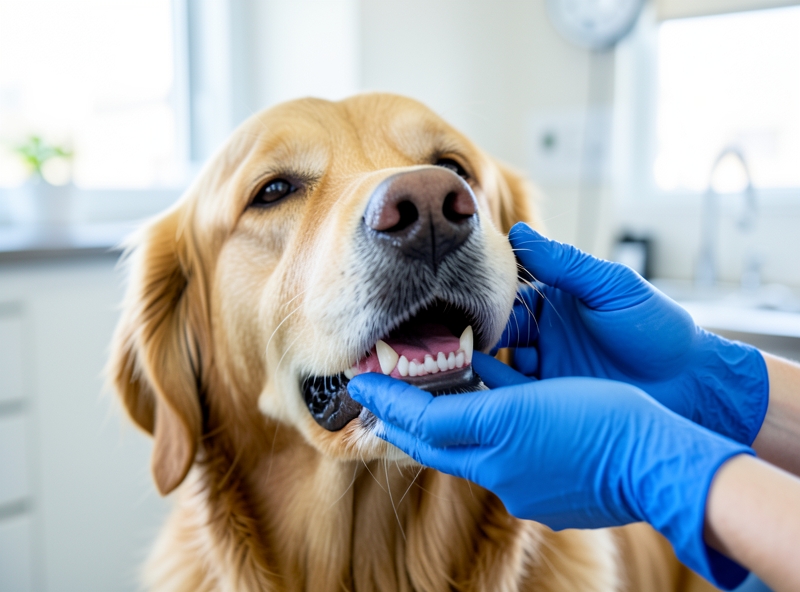
When the "rust" layer has attached too firmly, a soft toothbrush at home becomes useless. You need to take your baby to the vet when you see these "red flag" signs:
- Extremely foul breath (no longer just the smell of regular food).
- Red, swollen gums that bleed easily when touched or when the pet chews on toys.
- Dark brown or yellow deposits, hard as stone, near the gum line.
- Difficulty eating, skipping meals, or chewing only on one side of the jaw.
- Unusual or excessive drooling.
Should I give my pet real bones to clean their teeth?
This is a common misconception but carries many risks. Using real bones to clean teeth is like using a rock to scrape a smudge off a glass door – the smudge might go away, but the glass is very likely to break. Real bones, especially cooked ones, are very brittle and easily splinter into sharp pieces that can puncture the intestines or break the pet's teeth. Instead, use specialized dental chews designed with specific elasticity and structure to safely remove plaque.
| Method | Advantages | Notes |
|---|---|---|
| Manual Brushing | Deepest clean, highly cost-effective. | Requires patience and training from a young age. |
| Dental Chews | Pets love them, reduces stress. | Need to choose the right size to avoid choking. |
| Breath Gel/Spray | Convenient, quick. | Only helps reduce odor, does not replace brushing. |
"Dental care is not just about a beautiful smile or fresh breath; it is a shield protecting your pet's heart, liver, and kidneys from bacterial attacks originating in the oral cavity."
Remember, the overall health of your four-legged friend starts with what happens between their teeth. A small daily hygiene habit will save you from massive medical bills and, more importantly, extend the happy time you spend with your little friend.