1. Overview: The Rise of Circular Fashion Under the Pressure of Fast Fashion
Every second that passes, a truckload of clothes is landfilled or incinerated. This staggering figure is the hidden cost behind cheap items labeled "trendy." The Fast Fashion industry has manipulated consumer behavior with strategies launching dozens of "micro-seasons" each year, turning personal closets into suffocating mini landfills. Consumers are trapped in an endless loop: buying continuously, wearing a few times, discarding, only to face the feeling of having "nothing to wear."
The ecological collapse alongside the figure of 92 million tons of textile waste each year has dealt a heavy blow to the consciousness of a new generation of consumers. The traditional textile industry consumes immense water resources and accounts for 10% of global carbon emissions. Facing the planet's survival pressure and the awakening of fashion enthusiasts, the waste-based business model is gradually losing its dominant reign.
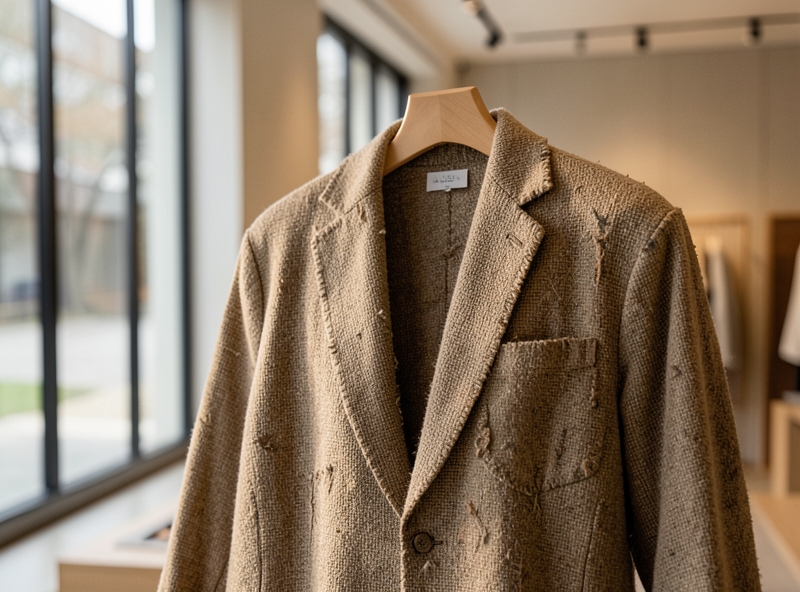
This is the tipping point for the Circular Economy in fashion. This model shatters the linear "Take - Make - Waste" model that revealed too many flaws, replacing it with a closed loop: Regenerate - Reuse - Recycle. Products are designed from the start never to become waste.
"Circular fashion is not a short-term trend, but a revolution redefining luxury: True value lies in the lifecycle of a product, not in the frequency of buying new."
This shift is redefining the value of pre-owned fashion. The concept of "secondhand clothing," once associated with scarcity or hygiene risks, is now transformed into a pinnacle of aesthetic expression. Vintage, Archive items, or Upcycled products are sought after as masterpieces with stories and unique identities that industrial assembly lines can never replicate.
| Comparison Criteria | Fast Fashion (Linear Fashion) | Circular Fashion |
|---|---|---|
| Design Philosophy | Short lifecycle, cost-optimized, poor quality for quick degradation. | Durable, easily disassembled, optimized for recyclability and repair. |
| Business Model | Sell as much as possible (maximizing consumption volume). | Rental, resale, repair services, and product take-back. |
| "Pre-owned" Positioning | Waste, products losing value once off the shelf. | Assets with accumulating value, highly heritage-focused and personalized. |
| Environmental Impact | Resource depletion, microplastic pollution, massive carbon emissions. | Minimizing waste to zero, circulating water and energy resources. |
Pursuing a circular style extends beyond saving the environment. It is a strategic move to elevate your personal fashion taste:
- Embrace a Curated Wardrobe mindset: Curate a closet of timeless pieces that are versatile to style instead of chasing fleeting trends.
- Hunt for unique value: Uncover Vintage and Archive treasures to build a distinctive look, completely eliminating the risk of wearing the same outfit as someone else.
- Optimize long-term costs: Transform your shopping mindset by calculating Cost Per Wear (CPW) instead of looking at the initial price tag.
The pressure from fast fashion has reached its limit. Circular fashion emerges not merely as an alternative, but as the only way forward to redefine personal style in a smart, civilized, and sophisticated manner.
2. The Art of Upcycling: Rebirthing and Elevating Garment Value Through Alteration
An overflowing closet, yet you still struggle every morning with the question, "What should I wear today?" Millions of items quickly fall into "oblivion" after just a few wears due to being out of style or lacking a unique touch. The fast-fashion trend has produced countless cookie-cutter products, diluting the wearer's individuality in mass-produced silhouettes.
Upcycling emerges as the ultimate statement of personalized style. Unlike conventional recycling (breaking down old materials into raw materials), Upcycling preserves the core structure while elevating the aesthetic value of the garment. It is the process of transforming an oversized men's shirt into a trendy form-fitting corset, or converting old denim pants into a streetwear-infused patchwork jacket.
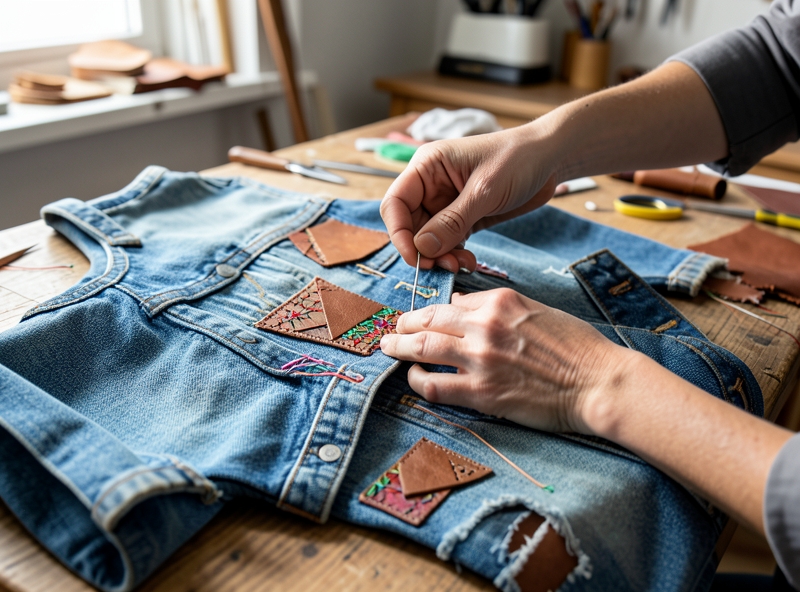
The rise of this trend stems from the desire to **break free from conformity**. When mass-produced garments make everyone look identical, an Upcycled product possesses a **100% uniqueness** score. No industrial assembly line can fully replicate the natural folds, distressing, or spontaneous handcrafted stitching on a shirt redesigned by yourself.
| Original Garment | Upcycling Technique | Elevated Value (Final Product) |
|---|---|---|
| Old distressed/damaged Jeans | Patchwork, hand Sashiko embroidery | Denim Blazer jacket with a unique mixed structure |
| Monochrome Oversized Men's Shirt | Deconstruction, waist-cinch ruching | Edgy Crop-top/Corset infused with Avant-garde style |
| Old stretched-out sweater | Unraveling threads, patchwork weaving with leather/khaki materials | Trendy patchwork scarf or detachable sleeves |
To begin the journey of "rebirthing" your wardrobe, deconstructive thinking (Deconstruction) is the key. You can immediately apply the following personalization methods to transform old clothes into fashion masterpieces:
- Deconstruction and Restructuring: Remove sleeves, lower button plackets, or completely alter shirt hems to create new body proportions.
- Artistic Embroidery Techniques (Sashiko / Embroidery): Turn tears and stubborn stains into visual focal points using contrasting threads.
- Bleach & Dye Effects: Use block bleaching or tie-dye techniques to create material surfaces with Grunge Gothic or Hippie vibes.
"Fads fade, but style is eternal. Upcycling is the bridge that transforms old nostalgia into a timeless fashion language."
Don't be quick to throw away faded or out-of-style items. View your old wardrobe as a **treasure trove of premium raw materials** waiting to be explored. The true value of modern fashion no longer lies in the price tag, but resonates in the **aesthetic vision and personal imprint** you breathe into every fiber.
3. Investing in High-Quality Vintage Fashion: A Sustainable Asset-Building Mindset
A bursting closet, yet you still feel like you have "nothing to wear"? Every fast-fashion piece you bought last week lost 90% of its value the moment you tore off the tag. You are accumulating liabilities, not enhancing your beauty. Amid a global garment industry mired in an overproduction crisis and severe quality decline, high-quality vintage fashion (Archival & High-End Vintage) has moved beyond the concept of "cheap secondhand clothes" to become a safe-haven asset for discerning style connoisseurs.
This is not a cost-saving exercise. This is a strategic shift from wasteful consumption to acquiring assets with aesthetic and tangible value.
| Comparison Criteria | Modern Mass-Produced Fashion | High-End Vintage Fashion (Pre-2000s) |
|---|---|---|
| Core Materials | Synthetic fibers (Polyester, Nylon), thin fabrics, easily deformed after 3 washes. | Natural wool, pure silk, thick and solid selvedge denim. |
| Craftsmanship | High-speed industrial sewing, fused canvas that degrades quickly. | Bespoke tailoring, full canvas construction, meticulous hand-stitching. |
| Uniqueness | Mass-produced, ubiquitous items seen everywhere. | One-of-a-kind or part of discontinued, limited-edition collections. |
| Financial Value | Drops to zero right after leaving the store (Liability). | Holds or appreciates in value over time due to rarity (Asset). |
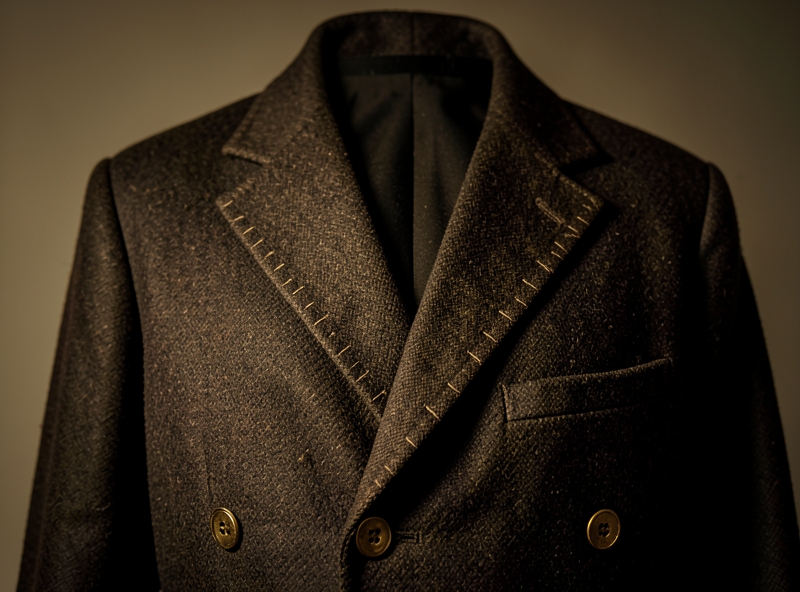
Why can a trench coat from the 1980s cost more than a brand-new coat at a modern luxury store? The answer lies in three timeless pillars of value that today's industrial fashion has intentionally abandoned to maximize profit:
- Timeless Tailoring Techniques: Before the era of cost optimization, ateliers spent hundreds of hours perfecting a single silhouette. Vintage blazers feature full canvas construction made with real horsehair, allowing the garment to mold to the wearer's body and look even better over time. This is something modern fashion's paper-thin fused construction can never achieve.
- Unadulterated Premium Materials: Heavy silk twill, virgin non-recycled wool, or vegetable-tanned leather from the last century possess decades of physical durability. They yield a drape, luster, and depth of color that today's synthetic materials can never replicate.
- Historical Value & the "Archival" Concept: Wearing a piece from Tom Ford’s era at Gucci or 1970s Yves Saint Laurent means wearing a piece of cultural history. This rarity transforms garments into collectible items with high liquidity on international trading platforms.
"The high cost of fast fashion lies in having to replace it constantly. The economy of vintage fashion lies in buying once to last a lifetime."
Investing in vintage does not mean impulsively hoarding old clothes. To turn your wardrobe into a smart investment portfolio, you need a sharp, analytical mindset:
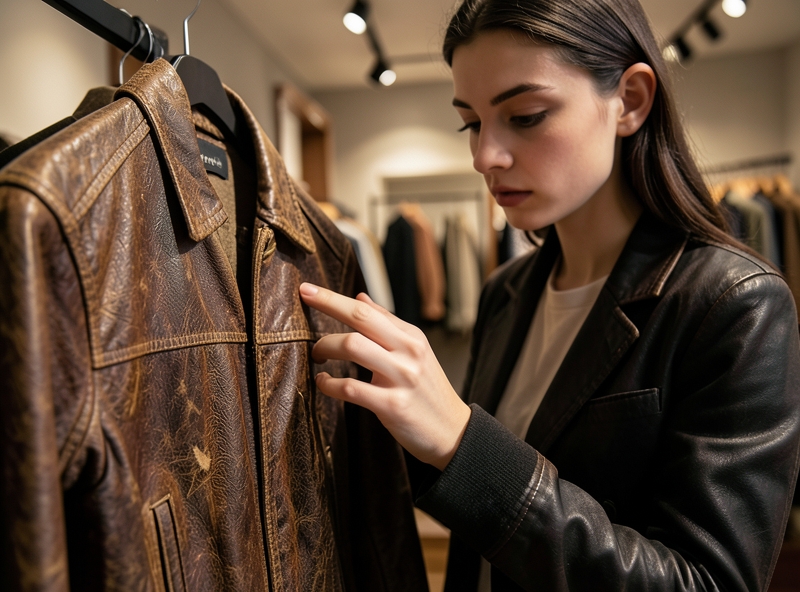
Start by hunting for iconic silhouettes such as biker leather jackets, 90s oversized blazers, or discontinued monogram handbags. Carefully inspect the quality of labels, armhole stitching, and original fabric condition. An authentic vintage piece that retains its precise silhouette not only elevates your distinct taste—making you immune to fleeting trend waves—but also maintains its resale value after years of wear.
Instead of spending 10 million VND on 5 shirts that lose their shape after one season, use that money to own just one vintage masterpiece. That is how you respect your budget, respect the environment, and assert your style at the highest level.
4. The Consumer Psychology Shift of Gen Z and Millennials
The biggest fashion disaster for the younger generation isn't dressing poorly; it's dressing exactly like everyone else. Walking into a room and discovering several people wearing the exact same jacket from a fast-fashion chain is no longer an amusing coincidence—it's a crisis of personal identity. Gen Z and Millennials are actively retreating from the "mass production machine" to dive into the pursuit of character-filled secondhand pieces.
The boom of the secondhand market isn't merely a budget-saving trend. This is a profound consumer psychology revolution, where shopping behavior is redefined through the three core catalysts below.
1. Freedom from "Algorithm Trend Fatigue"
Social media algorithms are forcing consumers to shop at a breakneck speed. Concepts like "Micro-trends" or "Core-culture" (Y2K, Cottagecore, Mob Wife) turn an outfit into aesthetic trash after just a few weeks. This overload triggers a psychological resistance. Gen Z and Millennials turn to secondhand items as a **protective escape for individuality**. Buying a 90s leather jacket or an archive handbag isn't just purchasing an item; it's the act of owning a unique story that cannot be replicated by mass assembly lines.
| Comparison Criteria | Fast Fashion Model | Curated Secondhand Model |
|---|---|---|
| Shopping Motivation | Fear of missing out (FOMO), seeking instant dopamine. | Thrill of the hunt, affirming aesthetic taste. |
| Identity Value | Low – Easy to match others, mass-produced. | Extremely High – Each piece carries a unique mark of time. |
| Emotional Lifecycle | Short – Quickly boring after 3-5 wears. | Long – The more it's worn, the more its emotional and iconic value grows. |
| Psychological Impact | Environmental guilt and financial waste. | Pride in smart and responsible consumption. |
2. Transforming "Environmental Burden" into a New Status Symbol
Climate change awareness has shifted from theory into **real psychological pressure (Eco-guilt)** for young people. They understand that the apparel industry dumps millions of tons of fabric every year. However, instead of giving up the joy of fashion, they redefine luxury. Today, wearing a curated vintage outfit grants far higher social status than carrying an expensive yet generic, trend-chasing handbag.
3. The Rise of the Online Resale Economy: Thrifting as a Game
The emergence of online resale platforms (like Depop, Vestiaire Collective, Poshmark) completed the final puzzle piece in shifting consumer behavior. By digitizing the thrifting experience, these apps transformed what used to be a messy "thrifting crawl" into a **seamless, stylish shopping experience**.
- Lookbook-Quality Interface: Secondhand items are styled, photographed, and personally branded as professionally as luxury fashion houses.
- Flexible Transaction Features: Allowing young people to be both buyers and sellers (Peer-to-Peer), creating a circulating cash flow and a sense of "cost-free consumption."
- Gamification Elements: Snagging a bargain designer item on an app triggers a dopamine rush similar to winning a strategy game.
"Secondhand items are no longer an alternative choice due to financial constraints. Tonight, it is the ultimate statement of fashion savvy, sharp economic thinking, and the courage to reject conformity."
This psychological shift is not temporary. Gen Z and Millennials are forging an era where **personal style is measured by the depth of knowledge** and the ability to preserve authentic value, rather than the price tag on the label.
5. Conclusion
The superiority of fashion does not lie in the "brand new" tag or the thousands of dollars on the bill. It lies in the ownership mindset and the unique personal taste of the wearer. The circular economy has eliminated the era of senseless waste, ushering in a new cycle where reborn fashion becomes the benchmark for class and consumer intelligence.
It is time to completely dismantle the misconception that "using second-hand items implies scarcity." On the contrary, owning and styling pre-owned (curated second-hand) designs is a proud cultural statement. You reject the cookie-cutter nature of fast fashion chains, celebrate timeless elegance, and affirm a proactively green lifestyle.
| Fast Consumption Mindset (Old) | Circular Consumption Mindset (New) |
|---|---|
| Evaluates value through **newness** and **short-term trends**. | Celebrates **sustainable materials**, **design history**, and **personal style**. |
| Emotional shopping, creating **personal inventory pressure**. | Smart investment, optimizing **product lifecycles** and **reuse value**. |
| Drives production models that dump waste into the environment. | Contributes to building a **sustainable fashion ecosystem** and reducing waste. |
"Dressing well is no longer about draping yourself in the latest luxury goods, but about how you breathe new life into existing values. Circular fashion is the pinnacle of sophistication and intelligence."
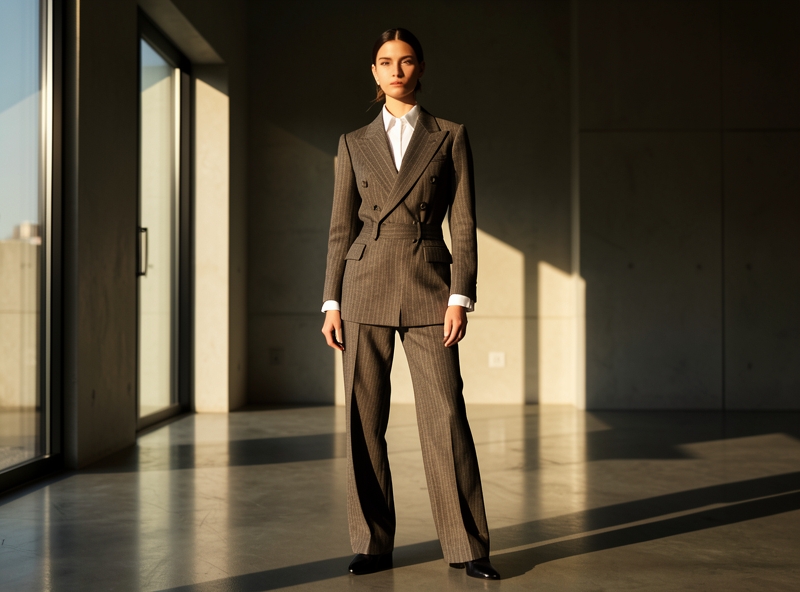
The future of the creative industry does not belong to piled-up warehouses or blind consumption-boosting campaigns. The future belongs to individuals who know how to turn a circular wardrobe into a style legacy.
- True Luxury: Deeply understanding the origin, material, and story behind every fiber.
- Financial Freedom & Taste: Optimizing budgets to own high-end items with strong value retention.
- Personal Statement: Turning every outfit into a clear message of environmental responsibility and modern mindset.
Choosing green and circular fashion is not a compromise. It is an inevitable shift for trendsetters—those smart enough not to follow the crowd and refined enough to shape their own sustainable lifestyle.