1. Overview of Circadian Rhythms and Their Importance to the Body
Do you wake up at 7:00 AM but your mind still feels foggy as if you've just been through a battle? Do you need a third cup of coffee to stay alert at 3:00 PM? The biggest mistake many people make when striving for self-development is focusing entirely on time management, while the real determinant of peak performance is **biological energy management**.
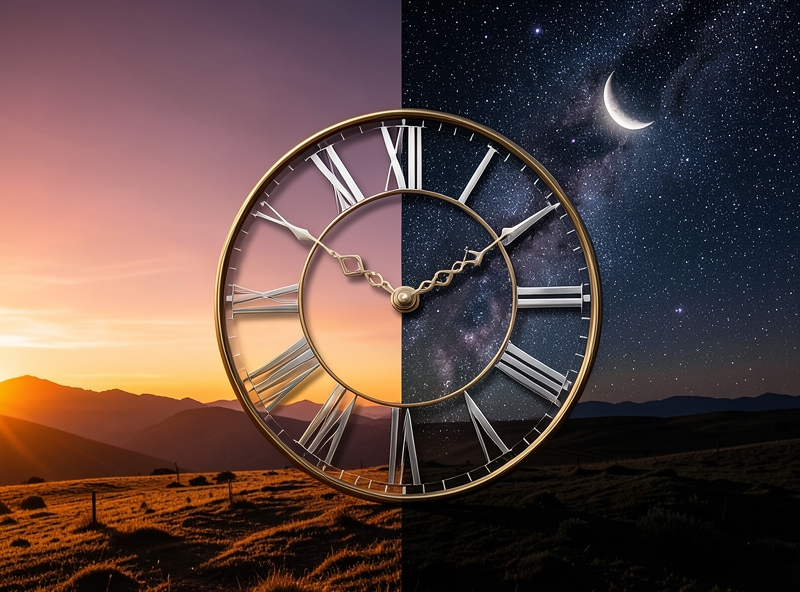
**Circadian Rhythm** is a physiological cycle lasting approximately 24 hours inside the body, acting as an invisible conductor coordinating all biochemical reactions. At the center of the brain, a "master clock" called the **suprachiasmatic nucleus (SCN)** continuously receives light signals from the retina to synchronize the activity of every cell. When natural light appears, the body releases **cortisol** to boost energy and promote focus. Conversely, when darkness falls, **melatonin** is produced to trigger a state of deep recovery and cell regeneration.
"The essence of peak performance does not lie in how many hours you force yourself to work, but in whether you are operating your biological machine in harmony with the natural rhythm of your cells."
However, modern lifestyles are launching a direct "attack" on this biological clock. The explosion of **blue light** from electronic screens, late-night working habits, or shift-work schedules have sent chaotic signals to the brain. The SCN is tricked into thinking "it is still daylight," delaying melatonin production and throwing the body into a state of constant jet lag.
| Biological Factor | In-Sync State (Natural Alignment) | Out-of-Sync State (Modern Lifestyle) |
|---|---|---|
| Cortisol Hormone | Peaks in the morning, creating abundant energy and sharp focus. | Abnormally high at night, causing difficulty sleeping, anxiety, and chronic stress. |
| Melatonin Hormone | Strongly secreted from 9:00 PM, helping you fall into a deep sleep easily to restore the brain. | Suppressed by blue light, leading to fitful, non-restorative sleep. |
| Cognitive Performance | Ability to solve complex problems and creativity reach their maximum levels. | Brain fog, impaired short-term memory, and reduced decision-making ability. |
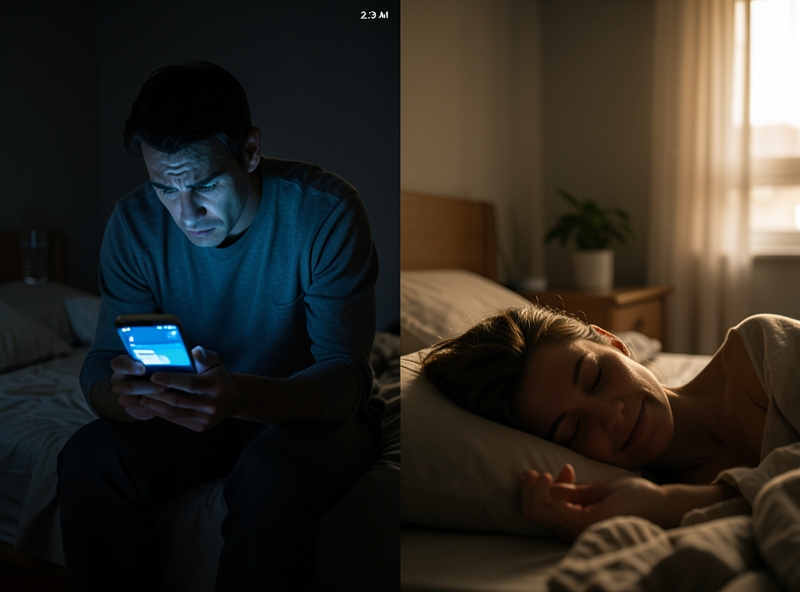
The consequences of prolonged circadian misalignment are far more dangerous than you think. Mentally, it destroys the ability to focus deeply, increases irritability, and pushes you into a cycle of depression and anxiety. Physically, disrupting this natural rhythm directly damages the immune system, causes metabolic disorders, leads to insulin resistance, accumulates excess fat, and increases the risk of cardiovascular diseases. If you are trying to break through your limits but ignoring your circadian rhythm, you are trying to drive a race car that has run out of oil.
2. The Science of Chronotypes: Identifying Your Biological Group
Have you ever forced yourself to wake up at 5:00 AM following the "success formula" of great figures, only to end up with a long, sluggish, debilitating day and a sense of guilt from thinking you lack discipline? The truth is, you are not lazy. You are simply trying to run a biological machine on the wrong time zone.
Science calls this Chronotypes – the internal biological clock determined by genetics (specifically the PER3 gene). It controls the sleep-wake cycle, and the timing when cortisol (which causes alertness) and melatonin (which causes sleepiness) are released. Forcing a night owl to wake up early is like pouring gasoline into a diesel engine: the system will soon break down.
"Trying to change your genetic chronotype is as futile as trying to change your height."

Based on the groundbreaking research of Dr. Michael Breus (a renowned clinical psychologist and sleep expert), humanity is divided into 4 main Chronotype groups. Correctly identifying your group is the ultimate key to unlocking peak performance:
- The Lion Group - Dawn Warriors (Accounts for about 15% of the population): These are people who automatically wake up before 6:00 AM without an alarm. They are bursting with energy in the morning, making their most strategic and clear-headed decisions before lunchtime. However, the Lion's energy drops sharply after 4:00 PM, and they usually go to bed before 10:00 PM. Advice: Save tasks that require deep analytical thinking for the early morning. Avoid meetings or making important decisions in the evening.
- The Bear Group - Solar Cycle (Accounts for about 55% of the population): The vast majority of us belong to this group. The Bear's biological cycle runs perfectly with the sunlight: waking up at dawn and getting sleepy when night falls. They perform at their best from 10:00 AM to 2:00 PM. Bears absolutely need a full 8 hours of sleep to maintain their best state. Advice: Tackle your hardest work in the mid-morning. Stay away from long meetings right after lunch, as this is when Bears are most likely to experience "brain fog."
- The Wolf Group - Night Hunters (Accounts for about 15% of the population): These are people who struggle immensely with standard office hours. Wolves wake up in a groggy state, needing a lot of caffeine to start their day. However, when sunset falls, their brains truly explode with creativity and high concentration. They are most productive from 6:00 PM to midnight. Advice: Design a job that allows for flexible hours. Push creative, writing, and planning tasks to the end of the day instead of trying to do them in the morning.
- The Dolphin Group - Sensitive Sleepers (Accounts for about 10% of the population): A group of people whose brain hemispheres remain in a state of alert even when sleeping. They frequently experience insomnia and are sensitive to noise and light. Dolphins often wake up feeling tired but have an unusual energy peak around mid-day to late evening due to late-rising cortisol. Advice: Focus on resolving important work from 3:00 PM to evening. Use deep relaxation techniques before bed to turn off the brain's "alert" mode.
| Chronotype | Population Share | Peak Performance Window | Biggest Challenge |
|---|---|---|---|
| Lions | 15% | 08:00 - 12:00 | Exhausted at the end of the day, difficult to maintain evening social relationships. |
| Bears | 55% | 10:00 - 14:00 | Prone to a severe energy crash in the early afternoon. |
| Wolves | 15% | 18:00 - 23:00 | Hard to fit into a standard 9-to-5 office environment. |
| Dolphins | 10% | 15:00 - 21:00 | Chronic insomnia, anxiety, easily distracted by the surroundings. |
How to accurately identify your group on your own? Quick-answer these 3 questions without thinking too long:
1. If you were completely free to choose a day without any constraints, what time would you want to wake up to feel most refreshed? (Before 6:00 AM: Lion; 7:00 AM - 9:00 AM: Bear; After 9:00 AM: Wolf; Erratic/inconsistent: Dolphin).
2. At what time of day do you feel your mind is sharpest, able to solve tough problems with ease? (Early morning: Lion; Midday/Early afternoon: Bear; Late evening: Wolf; Scattered and unpredictable: Dolphin).
3. What is your reaction to sleep? (Easy to fall asleep and deep sleep: Bear/Lion; Love staying up late and hate waking up early: Wolf; Hard to fall asleep, very light sleep, and easily startled awake: Dolphin).
Stop trying to "fix" yourself to fit someone else's generic mold of success. When you understand and start to design your work schedule around your biological group, you will not only optimize your productivity but also protect your mental health from chronic burnout.
3. Workflow Organization and Productivity Optimization Strategies According to Chronotypes
Have you ever forced yourself to wake up at 5:00 AM to read books and meditate following the formulas of self-made millionaires, only to end up with a sluggish, low-energy workday? The harsh truth is: Trying to impose a cookie-cutter schedule on your biological body is the fastest way to ruin productivity and lead to burnout. The difference between people who work effortlessly yet achieve outstanding results and those who hustle all day but remain stagnant lies in their ability to master Chronotypes - the body's natural circadian rhythm.
"Working smart is not about squeezing out 8 hours in an office, but about placing your most difficult tasks into your precise biological golden hours."
Every individual possesses a distinct biological clock determined by genetics. Identifying the correct Chronotype group and establishing a personalized task allocation map is the ultimate key to unleashing 200% of your natural work productivity.

| Chronotype Group | "Deep Work" Window (Maximum Focus) | Meeting & Communication Time | Creative Thinking Time | Ideal Rest Time |
|---|---|---|---|---|
| The Lion - Accounts for about 15% of the population, early risers, peak energy in the morning. | 08:00 - 11:00 | 13:00 - 15:00 | 15:00 - 17:00 | 21:30 - 22:00 (Bedtime) |
| The Bear - Accounts for about 55% of the population, operates according to the solar cycle. | 10:00 - 12:00 | 13:30 - 15:30 | 16:00 - 18:00 | 22:00 - 23:00 (Bedtime) |
| The Wolf - Accounts for about 15% of the population, energy bursts in the late afternoon and evening. | 17:00 - 20:00 | 14:00 - 16:00 | 20:00 - 22:00 | 00:00 - 01:00 (Bedtime) |
| The Dolphin - Accounts for about 10% of the population, light sleepers, high intelligence. | 15:00 - 18:00 | 11:00 - 13:00 | 18:00 - 20:00 | 23:30 - 00:00 (Deep relaxation) |
To thoroughly optimize productivity without sacrificing health, immediately apply the practical execution strategies below for each specific group:
- Tactics for The Lion: Make the most of your early morning to tackle the most complex tasks such as strategic planning and heavy data analysis. Absolutely do not schedule meetings first thing in the morning. After 2:00 PM, as your energy gradually decreases, switch to light administrative work or answering emails.
- Tactics for The Bear: This group has the most stable circadian rhythm. Push important meetings to the early afternoon to maintain the best interaction with colleagues. The timeframe starting from 10:00 AM is when your brain is sharpest for critical decisions.
- Tactics for The Wolf: Do not force yourself to "burst" with energy at 8:00 AM. Spend the morning on preparatory tasks and gathering information. Shift all content creation, coding, or design activities to the late afternoon and evening - the time when your cerebral cortex is most active.
- Tactics for The Dolphin: Due to frequently interrupted sleep cycles, you need a slow start to the day. Stay away from tasks that require absolute precision in the early morning. The late afternoon window is when you are most alert to perform deep analytical work or resolve crises.
Forcing yourself to follow a schedule that is incompatible with your biological structure is the root cause of brain fog and chronic procrastination. Proactively redesign your work schedule for next week based on the golden hours mentioned above to feel a noticeable change in your processing speed and overall level of happiness.
4. Lifestyle Habits to Maintain and Protect Your Natural Circadian Rhythm
Do you get a full 8 hours of sleep but still wake up feeling sluggish, with your mind in a fog as if you never closed your eyes? That is not a lack of sleep; it is the phenomenon of social jetlag. When your internal biological clock is out of sync with the Earth's rotation cycle, all your personal development efforts—from studying and working to physical training—will be held back by decreased brain performance.
To reset and protect this invaluable biological machine, you need to immediately apply the scientific intervention strategies below to optimize your energy at the cellular level.
"Circadian rhythm is not a vague theory. It is the core operating system that controls your hormones, body temperature, and peak focus."
To optimize your circadian rhythm, you need to master the four lifestyle pillars below:
- Master light - The brain's activation switch: Light is the strongest signal (zeitgeber) to adjust the biological clock. Get exposure to natural sunlight within the first 30 minutes after waking up. This natural light flow sends signals directly to the suprachiasmatic nucleus (SCN) in the brain, suppressing the sleep-inducing hormone melatonin and activating cortisol to help you feel alert instantly. Conversely, after 9:00 PM, completely block blue light from phone and computer screens. Blue light tricks the brain into thinking it is still daytime, delaying melatonin secretion by 2 to 3 hours, directly destroying deep sleep quality.
- Establish absolute consistency: Sleeping in on weekends is the main culprit behind "Monday jet lag" syndrome. Keep your wake-up time fixed to a single window throughout the week, with a variance of no more than 30 minutes. This consistency helps the body automatically prepare biochemical reactions before you wake up, helping you wake up naturally without the need for a jarring alarm clock.
- Apply chrono-nutrition: Your digestive system also has its own time zone. Metabolism is most active during the day and gradually decreases in the evening. Finish your last meal of the day at least 3 hours before bedtime. Consuming a lot of energy at night forces the stomach and liver to overwork, raising your core body temperature and disrupting the cycle of cell recovery and regeneration during sleep.
- The golden time for sports training: High-intensity exercise in the early morning or late afternoon (from 3:00 PM to 6:00 PM) is when body temperature reaches its peak, making muscles flexible and minimizing injuries. However, avoid heavy workouts within 2 hours before going to bed. Intense exercise close to bedtime increases heart rate, raises body temperature, and stimulates the sympathetic nervous system, leaving you tossing and turning.

Below is a summary table of the daily circadian rhythm optimization roadmap to help you easily track and apply:
| Time Frame | Biological State | Optimal Action |
|---|---|---|
| 06:00 - 08:30 | Cortisol rises, Melatonin secretion stops. | Expose to sunlight for 15-30 minutes, drink warm water. |
| 10:00 - 12:00 | Alertness and ability to focus reach their peak. | Tackle the hardest tasks that require deep thinking. |
| 15:00 - 18:00 | Best muscle and cardiovascular performance. | Work out, engage in physical activity. |
| After 20:00 | Melatonin begins to release. | Dim overhead lights, limit electronic devices, eat a light snack if needed. |
Protecting your circadian rhythm is not about restricting yourself to harsh rules. It is about understanding and aligning with your body's inherent biological rhythm to unlock your full personal development potential.
5. Conclusion
Struggling to wake up at 5 AM following the millionaires' formula, only to end up with exhaustion and persistent headaches? The mistake doesn't lie in your perseverance, but in trying to break the biological clock that is already deeply encoded in every strand of your body's DNA. Forcing yourself into a generic template of success is the fastest way to burnout and long-term performance destruction.
"Peak performance does not come from mimicking other people's habits; it comes from designing a lifestyle that is in harmony with your own natural circadian rhythm."
Personal development is actually a journey of understanding your body's internal operating system. When shifting from a state of "forcing" to "aligning" with your personal biological flow, productivity will automatically be unlocked without painful coercion.
| Comparison Factor | Forced Template (Blind Discipline) | Living by Circadian Rhythm (Natural Optimization) |
|---|---|---|
| Energy Source | Fluctuates erratically, dependent on stimulants. | Stable and abundant during personal golden hours. |
| Mental State | Stressed, constantly feeling guilty when resting. | Deeply focused, relaxed, and clear-minded. |
| Work Efficiency | Completed late, prone to errors due to fatigue. | Reaches "flow" state, processing twice as fast. |
| Sustainability | Easily broken after a few weeks or months of trying. | Becomes a natural lifestyle, maintained for life. |
To optimize your personal circadian rhythm sustainably, the transformation journey needs to focus on three core pillars:
- Identify your chronotype: Understand whether you belong to the Lion group (performing well in the morning), Falcon (afternoon), or Night Wolf (nighttime) to allocate important work to the exact times your brain is sharpest.
- Listen to your body's signals: Record your peak and trough energy levels throughout the day instead of following a rigid, theoretical schedule.
- Establish recovery boundaries: Respect your sleep and short breaks to regenerate energy, viewing rest as a mandatory part of the performance growth process.

Stop comparing yourself to other people's schedules. Personal development is not a self-torturing marathon, but the art of smart energy management. When you learn to live and work in harmony with your own biological rhythm, outstanding performance and long-term, fulfilling quality of life will be the inevitable results.