1. Capsule Wardrobe: A Smart and Sustainable Fashion Solution for Professional Women
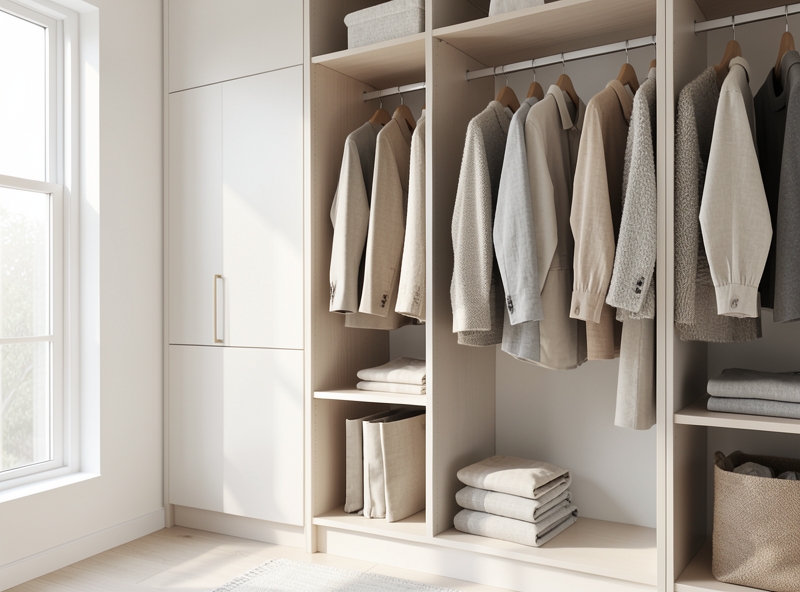
Imagine you are building a server system with ultra-high performance but extremely limited hardware resources. That is exactly the philosophy behind the Capsule Wardrobe. This isn't merely about emotionally cutting down the number of clothes; it is a process of "architectural optimization" for your attire. The term refers to a collection of essential items with high modular design, allowing users to "mix-and-match" to create the maximum number of outfits from a minimum number of items.
"A Capsule Wardrobe is the optimal algorithm for the problem: How to look your best with the fewest resources, while completely eliminating decision latency every morning."
For professional women, implementing the Capsule Wardrobe protocol thoroughly solves the phenomenon of "Decision Fatigue" (exhaustion from having to make too many choices). Instead of scanning through hundreds of bytes of junk data (outdated or ill-fitting clothes) in your closet, you simply access standardized "modules." This significantly reduces "system latency"—the time you spend standing aimlessly in front of your wardrobe each morning.
| Comparison Metrics | Legacy Wardrobe | Capsule Wardrobe (Optimized) |
|---|---|---|
| Data Structure | Chaotic, redundant, filled with junk items. | Streamlined, with high inheritance and compatibility. |
| Retrieval Speed (Choosing outfits) | 15 - 30 minutes (High Latency). | Under 5 minutes (Real-time processing). |
| Operating Costs | Expensive due to impulsive buying. | High ROI (Return on Investment), investing in quality. |
| Sustainability | Low (Fast Fashion causes pollution). | Very high (Long-term use, low emissions). |
In terms of "Fashion Economics," a Capsule Wardrobe is a smart portfolio management strategy. Instead of spreading your budget across 50 cheap, low-end items, you concentrate your capital into 10-15 high-end items with a lifecycle many times longer. This is how we minimize "Technical Debt" for our wardrobes—avoiding the need to constantly repair or replace items that fall apart after a few washes.
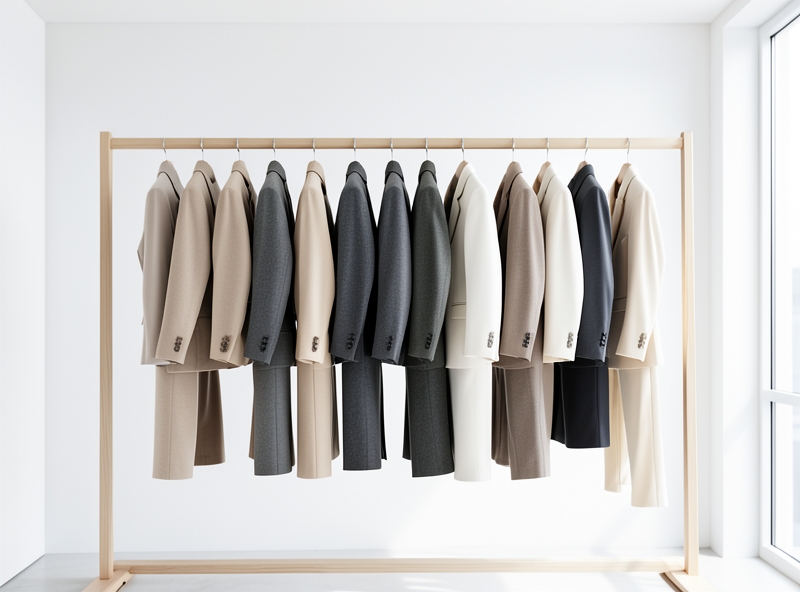
Ultimately, "compressing" your wardrobe is not just a personal solution but also a critical patch for the environment. By prioritizing sustainable consumption, we are directly reducing the "Carbon Footprint" of the garment industry. Each item you choose in a Capsule system typically prioritizes natural, durable materials, helping to reduce pressure on global textile landfills. That is how a fashion "Geek" demonstrates responsibility toward the Earth's ecosystem!
- Resource Saving: Reduce costs for "dead" items that are never worn.
- Enhanced Performance: Always appear with a polished look thanks to thoroughly tested combinations.
- Environmental Protection: Reduce fashion waste and support clean production processes.
2. Selection Criteria for Office Attire Based on the 'Less is More' Philosophy
Hey there, have you ever found yourself standing blankly in front of a cramped wardrobe every morning, only to sigh: "I have nothing to wear"? I’ve been there—back in the days when I'd "close the deal" on every sale and had to buy every new trend. But after several times seeing items worn only once become frayed or go out of style, I realized that true office elegance doesn't lie in owning a lot, but in owning pieces that are "worth every penny." The "Less is More" philosophy is the key to freeing ourselves from the daily pressure of dressing up.
To build a minimalist yet high-end office wardrobe, there are three golden rules that I have distilled over many years of "battling" in the corporate world. Let's sit down, sip some tea, and go through them.
Prioritize "breathable" and durable materials
Just imagine, a shirt made of synthetic nylon (polyester) might look smooth, but after just a few hours of sitting at work or going out for lunch in the sun, sweat becomes sticky and extremely uncomfortable. In contrast, natural materials like cotton, silk, linen, or high-quality wool are like a "second skin."
- Cotton: Excellent absorption, keeping you dry and airy all day long.
- Silk: Creates a soft drape, providing a naturally luxurious look without being ostentatious.
- Linen: Although it wrinkles easily, it's a "stylish" wrinkle—very liberal and cool.
- Wool: A suit or jacket made of sheep's wool not only keeps you warm but also maintains its shape perfectly over many years.
| Criteria | Fast Fashion | "Less is More" Fashion |
|---|---|---|
| Material | Synthetic fibers, stretches quickly, fades easily. | Natural fibers, gets softer with wear, color-fast. |
| Feel | Stuffy, can cause skin irritation when sweating. | Breathable, soft, and gentle. |
| Utility Value | A few months to a year. | Many years, even "timeless." |
Neutral Palette: The Magic of Mix-and-Match
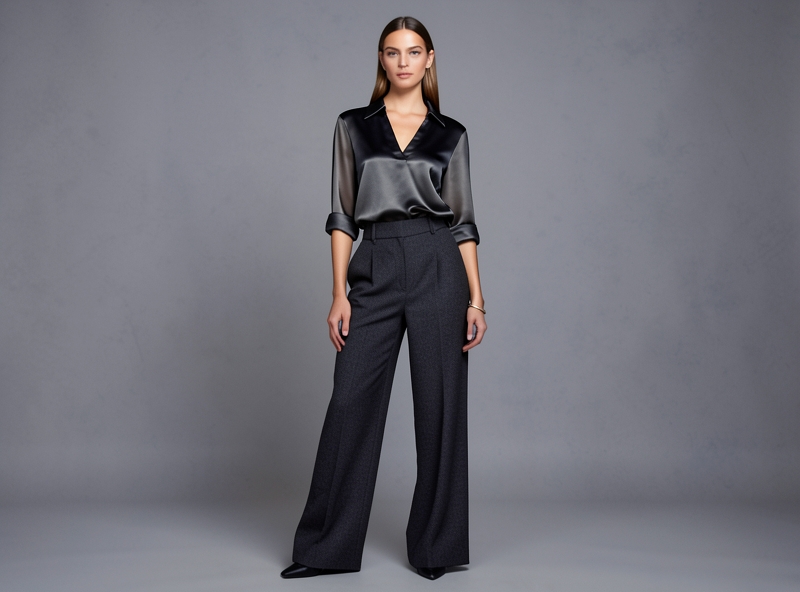
I often compare the neutral color palette of black, white, beige, and navy blue to Lego blocks. When you own these colors, styling becomes effortless because they are surprisingly "compatible" with each other. You can take any pair of navy trousers from your closet and combine them with a white shirt or a beige blazer, and you’ll still look perfectly polished and professional.
"Simplicity is the ultimate sophistication." - Much like how an all-black outfit always creates an aura of power without needing any elaborate accessories.
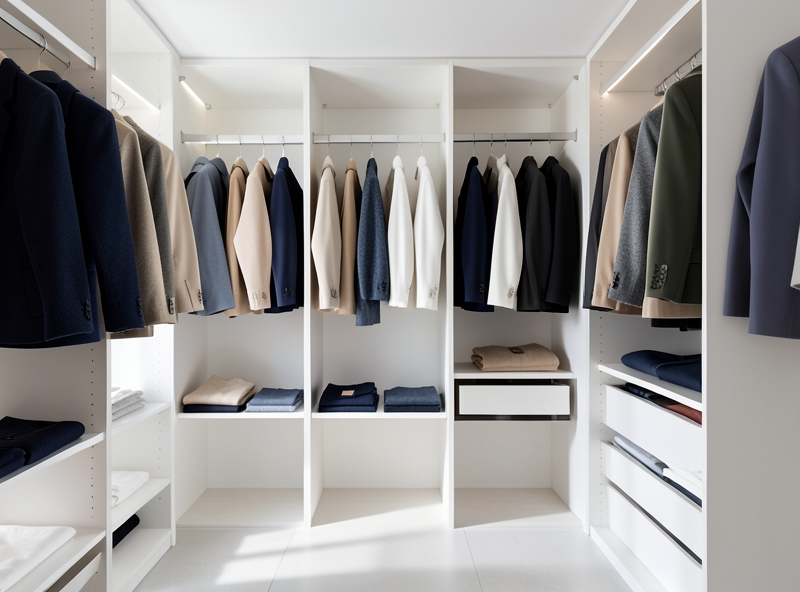
Classic Silhouettes and Perfect Fit
Trends come and go as fast as the wind. Extreme flared pants or oversized padded shoulders might be "hot" this year, but looking back next year, you might find yourself looking ridiculous. The secret here is to stay loyal to the Classic Fit. A blazer that fits well at the shoulders, trousers that hit at the ankle, or a pencil skirt that gently hugs the body's curves will never betray you.
In particular, never be sloppy with fit. No matter how expensive an outfit is, if it looks like you're "swimming in your clothes" or is so tight it's hard to breathe, it's considered a failure. If an off-the-rack item doesn't perfectly match your measurements, don't hesitate to take it to a tailor for minor adjustments at the waist or hem. It is that perfect fit that creates the most expensive and confident look for the wearer.
Believe me, when you start filtering your wardrobe according to these criteria, you will feel your soul lightened. Instead of fumbling with a bunch of cheap clothes, you will confidently step out of the house with a sophisticated look, where every item you wear tells a story of meticulousness and self-respect.
3. List of 15 Basic Items to Build Dozens of Professional Outfits
Imagine your wardrobe is like a kitchen. To cook hundreds of delicious dishes, you don't need every spice in the world, just the highest quality "core ingredients." In fashion, owning the 15 items below is similar to having rice, salt, and cooking oil ready at home – they are the foundation for you to create endless style "menus" every day without ever worrying about going out of fashion.
Below is the list of 15 powerful "pieces" that help you build a professional and confident image:
- 03 Shirts/Blouses: This is the "backbone" of office style. Choose a crisp white shirt (like a blank sheet of paper ready for any idea), a pastel blue one, and a bow-tie or pleated blouse to add a touch of softness.
- 02 Premium T-shirts: Don't underestimate the T-shirt. A thick, well-structured cotton T-shirt in black and white acts as the perfect "base layer." They help soften the rigidity of suits while still maintaining necessary politeness.
- 02 Trousers: One traditional black pair and one in a neutral color like beige or gray. Trousers are like sturdy "pillars," helping to elongate the legs and create an instantly polished look.
- 01 Pencil or A-line Skirt: If trousers represent strength, then a skirt is a graceful "musical note." This silhouette celebrates body lines subtly, suitable for both important meetings and evening parties.
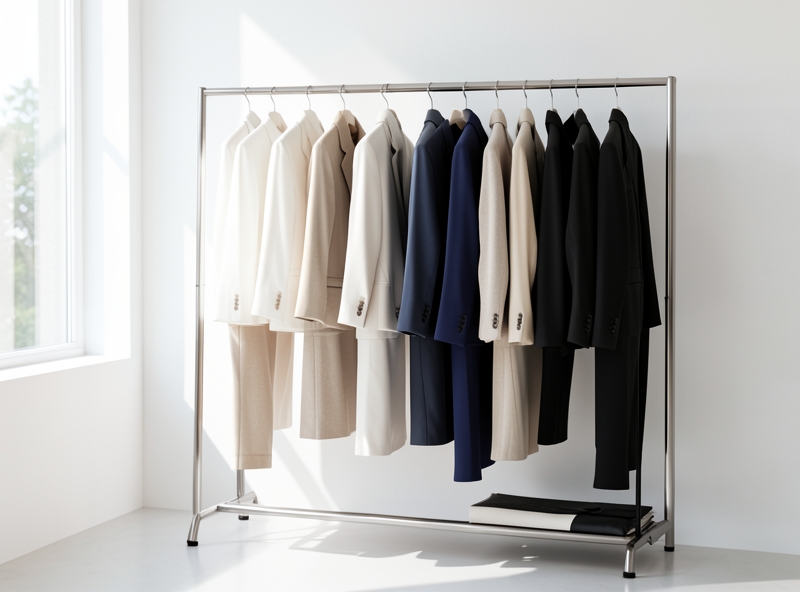
- 02 Blazers/Suits: Think of a Blazer as the "magic wand" of fashion. Just by putting it on, even if you are wearing a T-shirt and jeans, your look immediately switches to "professional" mode. One dark-colored one and one with a plaid pattern or light color is a smart choice.
- 02 Dresses: A Little Black Dress and a wrap dress. They are "lazy" but extremely effective solutions for busy mornings – just put them on and you're ready to shine.
- 03 Essential Pairs of Shoes: High heels (authority), Loafers (classic elegance), and a pair of minimalist white Sneakers (modern dynamism). They are the "set of wheels" that help you move flexibly between different contexts throughout the day.
The role of these 15 items doesn't stop at just looking good. They act as "modules" with the ability to connect infinitely. When items can "talk" to each other in terms of color and style, you will save a lot of time every morning standing in front of the mirror.
| Item | Main Role in Style | Easy-to-understand Metaphor |
|---|---|---|
| Blazer | Creates structure and authority | Modern suit of armor |
| White Shirt | Cleanliness, transparency, and politeness | Crisp blank sheet of paper |
| Loafers | Balance between formal and comfortable | A stylish bridge |
"Professional style does not lie in the number of items you own, but in the ability to manipulate basic pieces to create maximum impact."
By focusing on quality over quantity, these 15 items will help you build a consistent, trustworthy image – much like how a good architect uses standard bricks to build a great structure.
4. Flexible Mix-and-Match Formulas from a 15-Piece Wardrobe
Fashion "experts" often paint a picture of 15 items transforming into 100 outfits. Let's be realistic: mathematically it's possible, but aesthetically, without skill, you'll soon look like someone desperately trying to re-wear old clothes in hopeless ways. The secret lies not in the quantity, but in the "compatibility" of the items when they share the same frame.
| Category | Quantity | Practical Details (Ignore Fading Trends) |
|---|---|---|
| Tops | 6 | 2 button-downs (basic white/blue), 2 thick cotton t-shirts, 1 lightweight sweater, 1 silk camisole. |
| Bottoms | 4 | 1 straight-leg trousers, 1 straight jeans, 1 midi skirt, 1 elegant pair of shorts. |
| Outerwear | 2 | 1 well-structured Blazer, 1 Trench coat or structured Cardigan. |
| Shoes | 3 | 1 pair of minimalist white sneakers, 1 pair of heels/loafers, 1 pair of strappy sandals. |
Don't believe the vibrant palettes on Instagram if you don't want your wardrobe to turn into an uncontrollable mess. To achieve 20-30 outfits without boring repetition, the rule of "reciprocity" must come first. A Blazer isn't just for layering over a shirt for a meeting; it must be "decent" enough to cover a sexy camisole when you need a professional look, and relaxed enough to go with shorts on a weekend afternoon.
"Style doesn't come from how many items you own, but from understanding the limits of each piece and knowing how to 'push' them past those limits with calculation."
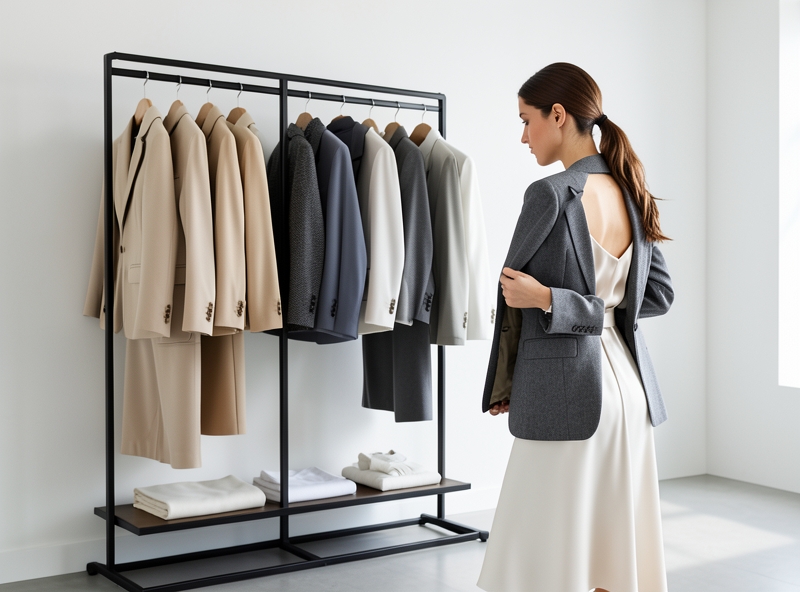
Layering techniques are often overused to the point where it looks like you're wearing your entire wardrobe just to avoid excess baggage fees. Be sensible. A white shirt can be worn under a sweater, or over a t-shirt as a light layer, or even knotted at the waist to change body proportions when paired with a midi skirt. The same goes for accessories – a small leather belt can transform a boxy Blazer into a sophisticated cinched jacket for an evening event.
To transition from Business Casual to street style or light parties, apply the "remove and replace" rule:
- Office: Shirt + Trousers + Blazer + Loafers. A safe look, somewhat rigid but necessary for meetings.
- Street Style: Replace trousers with Jeans, ditch the Blazer, roll up the shirt sleeves, and swap Loafers for Sneakers. Comfort is prioritized without looking sloppy.
- Social Events: Keep the Blazer but wear it over a silk camisole, combined with a midi skirt and heels. The contrast between the sharpness of the blazer and the softness of the silk creates a sophisticated ensemble.
Many fear that 15 items will make their personal image monotonous. In reality, monotony occurs when you are lazy to think, not because of a lack of clothes. When you limit the number of items, you are forced to focus on smaller details: the way you cuff your pants, the opening of a button, or choosing a pair of socks with a subtle color. That is where personal style truly speaks, rather than relying on "instant fashion" items that quickly go out of style.
5. Maintaining and Upgrading Your Capsule Wardrobe Consciously
Building a Capsule wardrobe is only the beginning of your journey toward a minimalist lifestyle. The true value of this style lies in how we care for and treat each item we own. Instead of constantly seeking novelty from the outside, maintaining the longevity of existing garments is how we find peace and appreciate core values.
"Sustainability is not just about what you buy, but also about how you preserve what you have chosen."
Properly preserving clothes is the most practical action to extend product lifespan and minimize fashion waste in the environment. Start by understanding materials: wash with cold water to keep fibers from shrinking, prioritize air drying over high-heat dryers, and only wash when truly necessary. Instead of discarding a shirt just because of a loose thread or a missing button, taking the time to mend not only restores the item's function but also strengthens the bond between the wearer and the garment.
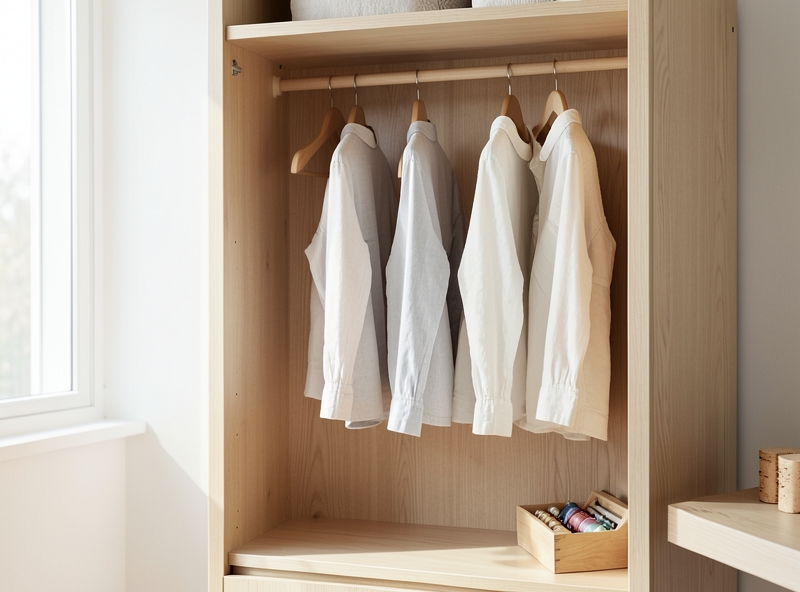
To keep the wardrobe organized and avoid overcrowding, supplementary shopping mindsets must be practiced with mindfulness. The "One In, One Out" rule is an effective filter that helps you carefully consider every new purchasing decision.
- Control quantity: When you want to add a new item, select an old item that is no longer suitable to donate or recycle.
- Prioritize quality: Replace worn-out items with products featuring better materials and more classic silhouettes.
- Repair before replacing: Always ask yourself if an item can be restored through mending before deciding to discard it.
- Periodic decluttering: Spend time each season checking the condition of your wardrobe, ensuring every item is serving your life well.
| Method | Old Mindset (Fast Consumption) | Capsule Mindset (Sustainable) |
|---|---|---|
| Laundry | Frequent machine washing, heavy use of detergents. | Gentle washing, using laundry bags, limiting harsh chemicals. |
| Minor Damage | Discard and buy new immediately. | Repair, sew buttons, or replace zippers. |
| Shopping | Buying trends, buying because of sales. | Buying based on actual needs, following the 1-in-1-out rule. |
Upgrading a wardrobe doesn't necessarily mean buying more; sometimes it's about refining so that existing items become sharper and more suited to your personal evolution. When we focus on functionality and sophistication, the Capsule wardrobe is no longer a limitation but becomes a tool to free the mind, helping you spend more time on things that truly matter in life.
6. Frequently Asked Questions (FAQ)
Based on consumer behavior analysis and data from the sustainable fashion market, here are the answers to the most common variables in shaping personal style.
How can I avoid feeling bored when wearing minimalist clothing (Minimalism)?
Boredom stems from a lack of variation in texture and silhouette. Practical testing shows that changing the proportions between clothing layers or combining fabrics with different light reflectivity (such as silk paired with raw wool) increases the visual effect by 40% without needing additional colors.
| Variation Factor | Visual Impact | Application Method |
|---|---|---|
| Texture | High | Mix coarse, matte fabrics with shiny, smooth fabrics. |
| Proportion | Medium | Oversized tops paired with slim-fit pants or vice versa. |
| Hardware (Accessories) | Low | Focus on block-shaped metal jewelry. |
What is the initial budget to build a quality wardrobe?
Price-Per-Wear (PPW) analysis indicates that the optimal budget for a quality starter wardrobe falls between 15,000,000 VNĐ - 30,000,000 VNĐ. Instead of spreading it thin, focus 70% of the budget on 5 "Core Items": 1 structured coat, 2 pairs of genuine leather shoes, and 2 pairs of pants/skirts with standard silhouettes.
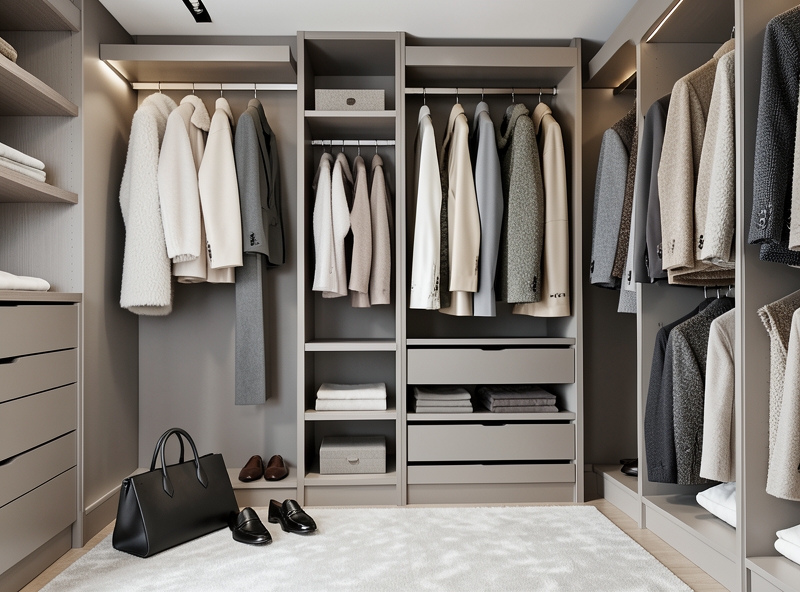
Can I add trend items to a Capsule wardrobe?
Yes, but you must follow the 90/10 rule. Data from image consultants shows that to maintain wardrobe stability, trend items should only account for a maximum of 10% of the total number of items. These items usually have a short lifecycle (under 6 months), so choose small accessories or the color variants of the year to avoid disrupting the sustainable structure of the core clothing system.
"Style is not the sum of trends, but the result of an optimal calculation between utility and personal identity."
- Variable Control: Always check seam quality and fabric composition (prioritizing natural fibers > 60%) before purchasing.
- Measuring Efficiency: Track the frequency of use for each item over 90 days to evaluate the suitability of your chosen style.