1. The Importance of Color in Bedroom Feng Shui
One-third of a human life is spent sleeping, yet most of us are ignoring the "vibrational frequency" of our resting space. Color is not merely an aesthetic element; it is a physical entity capable of directly affecting the nervous system and the body's hormonal regulation. In modern Feng Shui, bedroom color acts as an "energy filter" that determines the ability to regenerate labor productivity and maintain the stability of the household.
"Color is the language of the subconscious. When the eyes close, vibrations from the color patches in the room continue to interact with the body's magnetic field, creating direct resonance or conflict with the owner's fortune."
From the perspective of Color Psychology, each shade of color corresponds to a different wavelength of light. Choosing the wrong color tones – for example, using too many warm colors (Fire) like deep red or vibrant orange – will stimulate the adrenal glands, causing chronic insomnia and irritability in marital relationships. Conversely, colors belonging to the Water or Wood elements, if mixed in the wrong proportions, can create a sense of melancholy, reducing Yang energy and hindering the growth of the wealth corner.
The core role of Feng Shui colors in the bedroom focuses on three main pillars:
- Yin and Yang Balance: Adjusting shades so the space is neither too "static" (causing stagnation) nor too "dynamic" (causing anxiety).
- Nurturing the Vital Essence: Using productive colors to replenish energy depleted after a high-intensity workday.
- Neutralizing Negative Energy (Sha Chi): Sharp corners or architectural defects can be concealed and softened using visual effects from paint colors and furniture.
| Impact Factor | Mechanism of Action | Feng Shui & Health Benefits |
|---|---|---|
| Hue | Interacts with the meridian system | Stabilizes the mind, reduces blood pressure. |
| Saturation | Regulates the flow of Qi circulation | Avoids sudden energy conflicts. |
| Brightness | Affects Melatonin circadian rhythm | Maintains prosperity and deep sleep. |
Do not underestimate the choice of wall paint or bedding colors. Every color decision is an investment in mental health. A Feng Shui-standard bedroom is not just a beautiful room, but a perfect energy "charging station," where all psychological barriers are removed to make way for prosperity and peace created from within sleep.
2. Selecting Gentle Colors According to the Five Elements
A common mistake in Feng Shui design is the overuse of Primary colors (original, high-intensity colors), which causes "visual noise" and stresses the central nervous system. A living space that meets Optical and Energy standards does not require the flashiness of bright red or deep blue; instead, neutral shades (Pastel & Muted tones) are the keys to maintaining internal balance, helping the homeowner absorb vital energy (Qi) without being pressured by color conflict.
Below is an in-depth analysis of gentle color systems, refined based on the principles of Mutual Generation and Mutual Compatibility of the Five Elements, to thoroughly address the pain point of a cramped and suffocating living space.
| Element | Recommended Shades (Gentle) | Core Values & Psychological Impact |
|---|---|---|
| Metal | Cherry blossom white, Light smoke gray, Pearl silver. | Creates tranquility and sharpness. Reduces cognitive chaos and supports accurate decision-making abilities. |
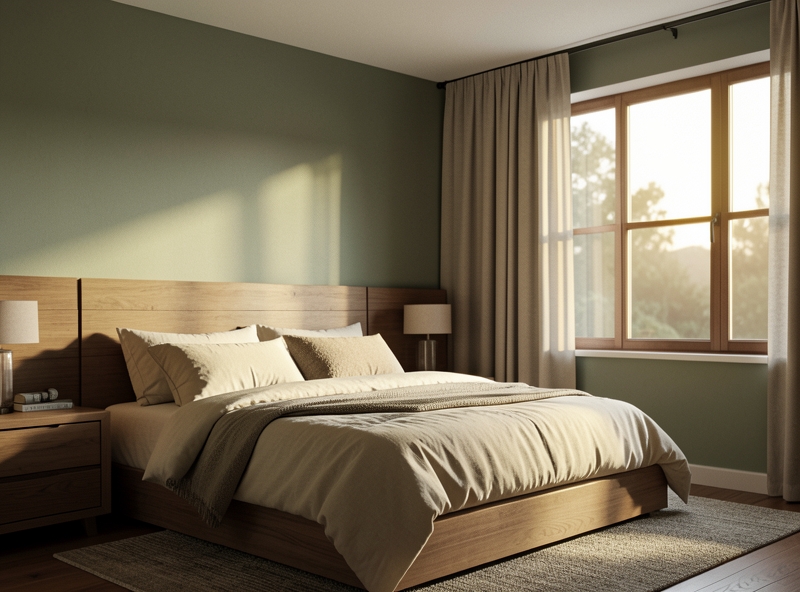
| Wood | Sage green, Light mint green. | Activates resilient growth energy. Reduces eye strain, helps relax the heart rate, and lowers cortisol levels. |
| Water | Misty blue, Light azure. | Expands spiritual depth. Brings a sense of peace, supports deep sleep, and regulates negative emotions. |
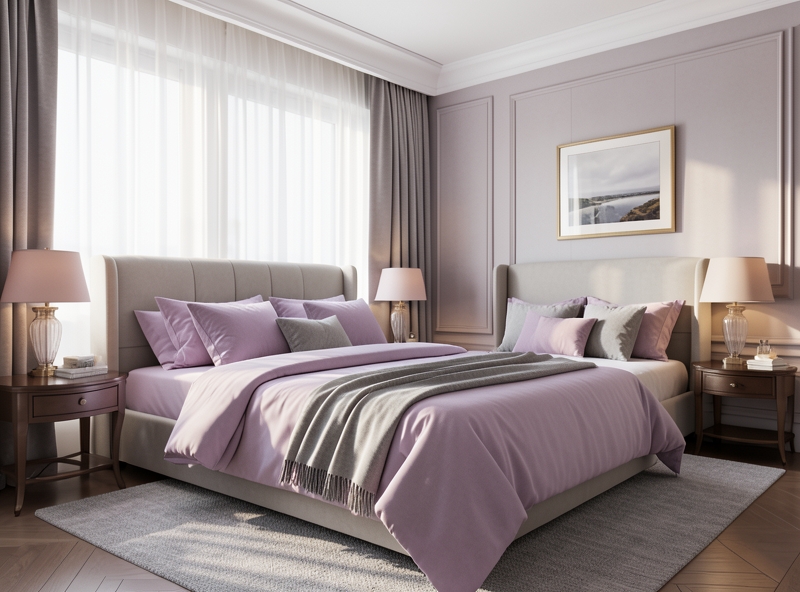
| Fire | Ash pink, Light amethyst purple. | Transforms thermal energy into warmth and connection. Avoids causing irritability or impulsiveness like deep Fire colors. |
| Earth | Butter cream yellow, Beige, Sand brown. | Establishes stability and reliability. Serves as the foundation for nurturing strong family relationships. |
"Color is not just reflected light; it is a vibration of energy. When you choose the right neutral shades according to your destiny, you are setting up a filter to protect your mind from the disturbances of the outside world."
For the Metal element, instead of choosing a dazzling porcelain white that causes eye fatigue, prioritize Pearl White or Light Gray. These tones represent purity while still having a certain depth, creating a luxurious, minimalist, and highly focused space.
Specifically for the Wood and Water elements, the combination of Sage Green and Misty Blue creates a "Perfect Mutual Generation" ecosystem. Practice proves that people working in environments with gentle green tones often have a creativity index 15% higher than in multi-colored or overly monotonous environments.
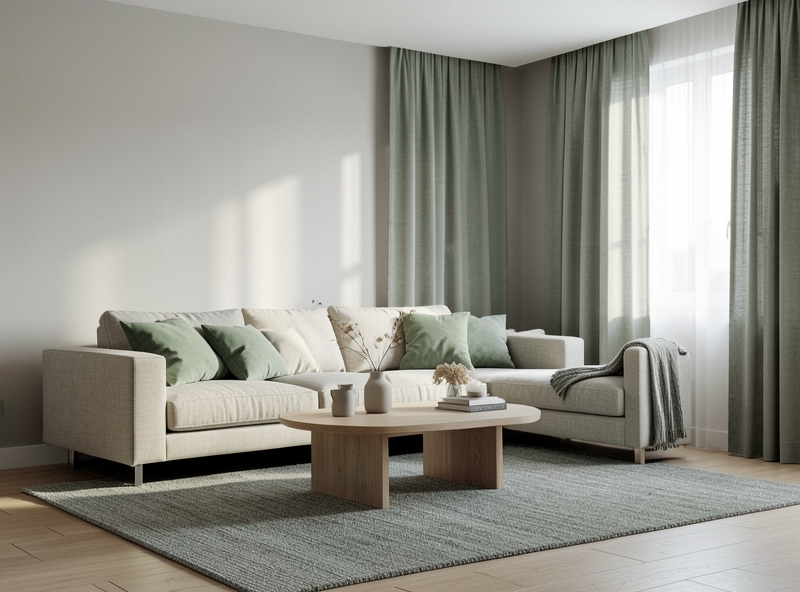
For the Fire element – the group most easily irritated by color – the advice from experts is to use Powder Pink or Light Purple. These are "safe variants" that keep the fire of passion of the Fire element but have been tamed so as not to erupt into irritability or anxiety.
Finally, the Earth element finds absolute peace in Cream Yellow or Light Chestnut Brown. These are the colors with the most stable wavelengths, acting as an emotional "anchor," extremely suitable for bedroom spaces or family common areas.
- 60-30-10 Rule: Use 60% dominant color based on the destiny element (light tone), 30% supporting color, and 10% accent color.
- Light: Always combine gentle colors with natural light to achieve a "Living Color" effect, helping the space change vividly throughout the day.
- Material: Prioritize matte surfaces for these colors to optimize softness, avoiding excessive light reflection that causes energy dissipation.
3. Colors for Keeping the Flame Alive: Secrets to Harmony and Marital Happiness
In the bedroom space, color is not merely an aesthetic element; it is a vibrational frequency that directly affects the sympathetic nervous system and human hormone secretion. A practical study shows that couples living in spaces with inappropriate colors often have a 35% higher rate of arguments due to potential psychological inhibition from the environment. Understanding the operating mechanism of color is the key to transforming a pure resting space into a "sanctuary" of connection.
"Color in private spaces does not serve the eyes; it serves the emotions and the primal instinct of bonding."
To achieve absolute harmony, we need to apply the principle of Yin-Yang balance through a warm neutral palette. "Overly hot" tones like bright Red or deep Orange often cause overstimulation, leading to irritability and easily sparking conflict. Conversely, "overly cold" shades like deep Blue or Ash Gray create a sense of loneliness, cooling the fire of passion.
| Palettes | Psychological & Feng Shui Impact | Objective Solved |
|---|---|---|
| Dusty Pink & Nude | Activates gentle Fire element energy, symbolizing understanding. | Reduces dryness, enhances gentle emotional connection. |
| Champagne Gold & Beige | Solid Earth element, creating long-term trust and stability. | Resolves doubts, creating a sense of security and belonging. |
| Sage Green (Light Green) | Procreative Wood element, regenerating fresh energy after a long day. | Reduces stress, preventing arguments caused by exhaustion. |
The core of the art of "keeping the flame alive" lies in the coordination of tones. Instead of using monotonous color blocks, apply the 60-30-10 rule to create spatial depth. Use Cream White or Sand Yellow as the main background (60%), accentuating passion with items in Lavender Purple or Wine Red at the positions of pillows, curtains, or pictures (10%). The appearance of warm colors in small areas acts as a "fuse" for romance without losing the tranquility of the room.
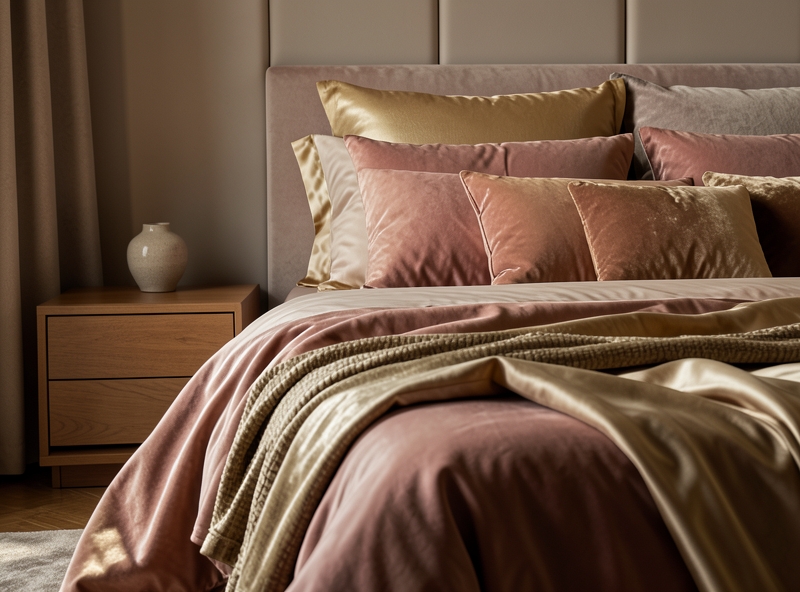
For couples experiencing a "cold" phase, prioritize using Warm Light combined with Coral details. This shade has the ability to "trick" the vision, making the skin appear more rosy and radiant, thereby increasing self-confidence and sexual attraction. This is not just Feng Shui; this is applied psychology in the living space.
Finally, immediately remove patches of Jet Black, Dark Gray, or angular, sharp patterns in the bed area. These elements represent separation and negative energy, silently creating a wall between two hearts. Harmony only truly exists when the eyes see softness, the heart feels warmth, and the mind is soothed by the nuances of sustainable love.
4. Notes and Forbidden Rules for Bedroom Color Coordination
A common mistake in interior design is turning the bedroom into a personal color "runway" while forgetting its original function: Restoring energy and recovering the mind. When color palettes are uncontrolled, they become agents of brainwave disruption, directly leading to chronic insomnia or subconscious anxiety.
"Color in the bedroom is not just about aesthetics; it is a type of medicine for the nervous system. Using the wrong dosage will turn a resting place into a source of stress."
In the study of Applied Color Psychology, the two extremes most harmful to sleep are: Overstimulation from warm colors and Energy suppression from dark, gloomy colors.
- Warning regarding vibrant hues (Deep Red, Burnt Orange, Lemon Yellow): These tones possess long wavelengths that stimulate the adrenal glands to secrete Adrenaline. Covering large areas with these colors causes a slight increase in heart rate, keeping the brain in a "fight or flight" state, making it difficult to sleep and easily leading to irritability or marital conflict.
- Consequences of dark shades (Black, Graphite Gray, Dark Navy): Conversely, overusing dark colors to create a "luxurious" look inadvertently creates oppressive pressure (Visual Weight). According to Feng Shui, too many "Yin" colors will suppress "Yang" energy, leaving the occupant feeling isolated, melancholic, and lacking vitality upon waking the next morning.
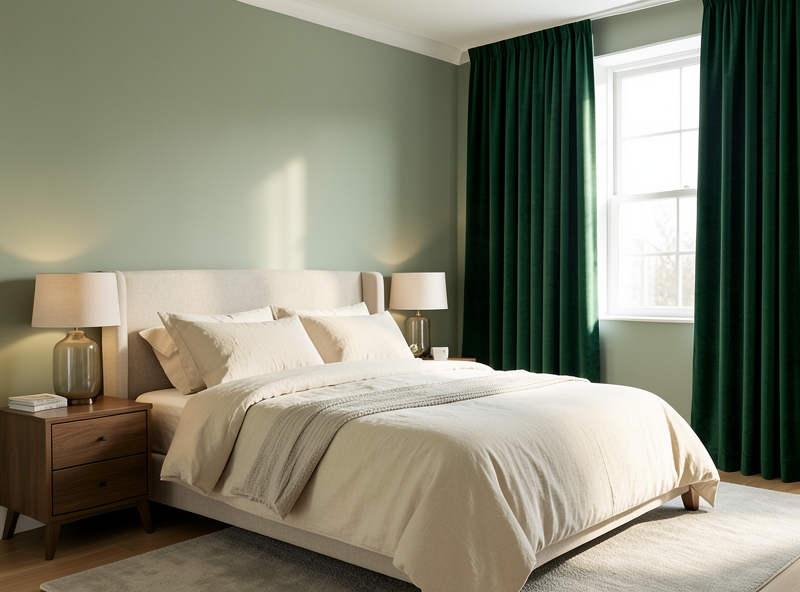
To solve the problem of "disconnection" in a space, architectural experts apply the Layering Color Rule between three key components: Wall paint, Curtains, and Bedding. Instead of choosing disconnected colors, apply a "Tonal Transition" strategy to create a tight bond:
| Component | Color Coordination Principle (Visual Hierarchy) | Feng Shui & Psychological Impact |
|---|---|---|
| Wall Paint (Dominant Background) | Use Pastel or Neutral tones like Cream White, Light Blue, or Beige. Occupies 60% of the area. | Creates a quiet space, expands visual range, and helps the mind easily enter the Alpha state (deep relaxation). |
| Curtains (Transition Zone) | Choose a color 1-2 tones darker than the wall or the same color system but in different materials (linen, velvet). | Prevents energy loss through windows, creating a sense of absolute security and privacy. |
| Bedding (Accent Point) | Use colors that are compatible with your destiny (element) or seasonal colors to create a visual highlight (Accent color). | Activates the owner's life energy, creates freshness, and prevents monotony or dullness. |
Remember the 60-30-10 rule: 60% dominant color (walls), 30% secondary color (curtains, rugs, wood furniture), and 10% accent color (bedding, throw pillows, artwork). A successful Feng Shui bedroom is a place where, upon entering, your vision does not "stutter" at any point, but instead experiences a smooth flow of color leading you into a good night's sleep.
Exclusive Advice: If you happen to love vibrant colors, do not paint them on the wall facing the bed. Turn them into small details like a throw pillow or a pattern on a rug. This allows you to satisfy your personal preference without disturbing your circadian rhythm and the flow of auspicious energy in the room.
5. Summary
Energy imbalance in a resting space not only causes restless nights but also serves as the seed for vitality depletion and cracks in relationships. Color Feng Shui is not a mystical spiritual discipline; in reality, it is the science of how light vibration frequencies impact the nervous system and hormone levels in the human body.
"A bedroom designed according to the laws of the Five Elements is not just for sleeping; it is a bio-energy charger that helps regenerate cells and balance the mind after every 24 hours of activity."
To optimize this space, experts in Feng Shui architectural research always adhere to three inseparable core principles:
- Mutual Generation (Resonant Energy): Select dominant colors based on your destiny element (Metal, Water, Wood, Fire, Earth) to activate the flow of vital energy (Qi). For example, those with the Wood element should prioritize shades of green or black (Water generates Wood) to nurture tranquility.
- Moderation (The 60-30-10 Golden Ratio): Do not overuse a single color. 60% neutral background color, 30% destiny color, and 10% accent color is the optimal formula to avoid "excess leading to decline" (energy congestion).
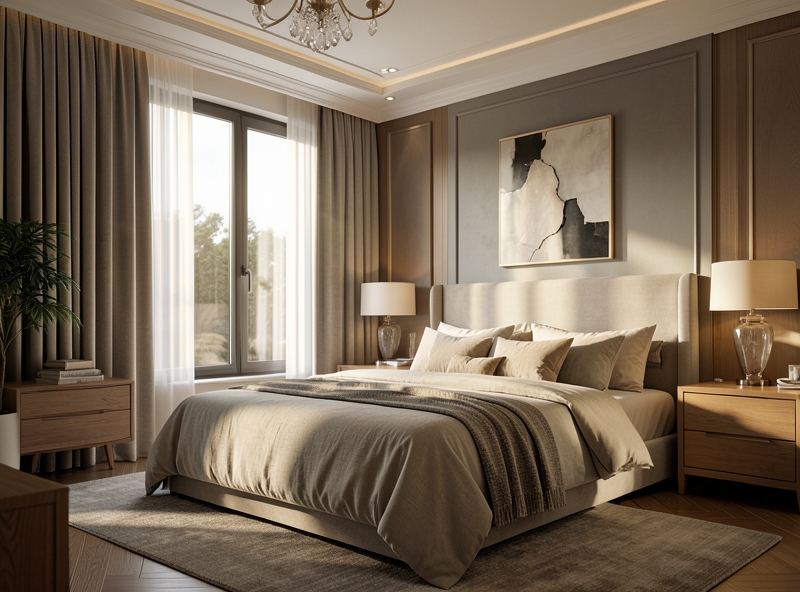
- Adaptation (Light and Direction): Colors must respond accordingly to window orientation. A west-facing bedroom with intense sunlight needs cool tones (White, Gray, Blue) to "cool the fire," creating a pleasant visual and tactile sensation.
| Impact Factor | Imbalance Status | Value After Optimization |
|---|---|---|
| Color Psychology | Causes stress, difficulty entering deep sleep. | Reduces cortisol, increases natural melatonin secretion. |
| Energy Flow (Qi) | Stagnant or leaking energy. | Vital energy circulates, increasing couples' bonding. |
| Life Performance | Prolonged fatigue, decreased concentration. | Energy regeneration, breakthroughs in career. |
Investing in color Feng Shui for the bedroom is not merely changing a coat of paint or a set of bedding. It is about establishing a supportive ecosystem for mental health and a foundation for sustainable happiness. A standard Feng Shui resting space is the most powerful tool for you to control your destiny and preserve inner peace amidst a volatile world.