1. Foam Rolling and Active Recovery Trends in Modern Sports
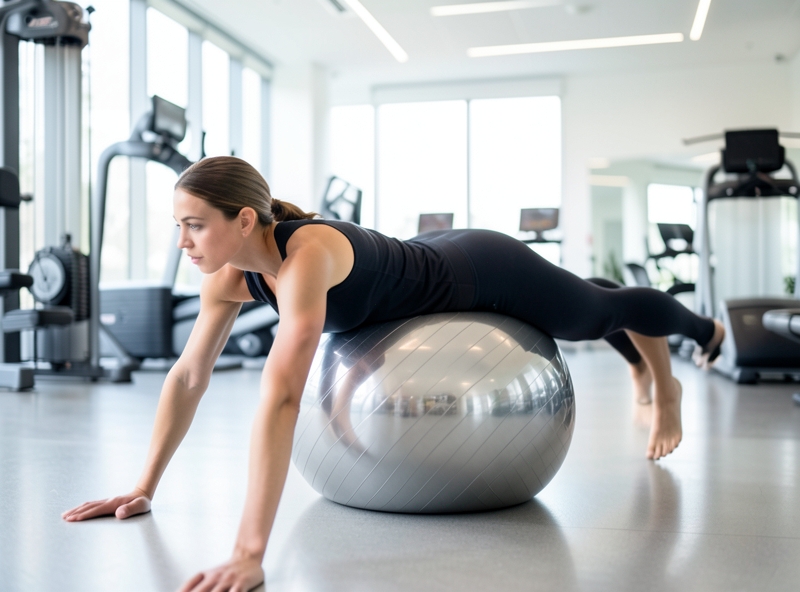
Do you walk out of the gym after a burning session, reward yourself with a day of lounging on the sofa, and believe your muscles are recovering on their own? This is a common mistake that silently ruins your workout performance. Lying still passively does not help muscles repair faster; on the contrary, it causes muscle fibers to "freeze" in a contracted state, accumulating lactic acid and hindering blood circulation.
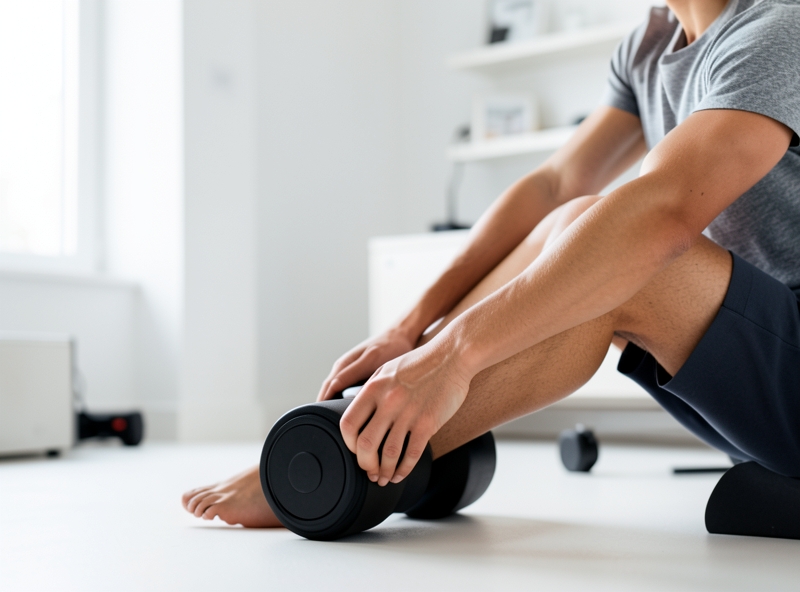
The modern sports world has shifted from "passive rest" to active recovery. Instead of leaving the body to time, professional athletes actively intervene to speed up cell regeneration. Among these, Foam Rolling – a Self-Myofascial Release (SMR) technique – has become an indispensable revolution in the gear bag of anyone serious about physical activity.
| Comparison Criteria | Passive Rest (Only lying/sitting) | Active Recovery with Foam Roller |
|---|---|---|
| Mechanism of Action | Waiting for the body to naturally eliminate toxins (slow). | Applies direct mechanical force, breaking down muscle knots (trigger points). |
| Blood Circulation | Stagnant, low blood flow to the damaged muscle area. | Stimulates the pumping of oxygen-rich and nutrient-rich blood to the muscles immediately. |
| Range of Motion (ROM) | Prone to stiffness, reducing joint flexibility the next day. | Releases the myofascia, maintaining and expanding a flexible range of motion. |
Imagine the fascia wrapping around your muscles is like a nylon mesh. After heavy Squat sets or long runs, this mesh gets twisted and tangled, forming painful muscle knots (trigger points). If you just lie still, these knots will harden. The Foam Roller acts like a rolling pin, "flattening" those knots, restoring the original soft, elastic state to the muscles.
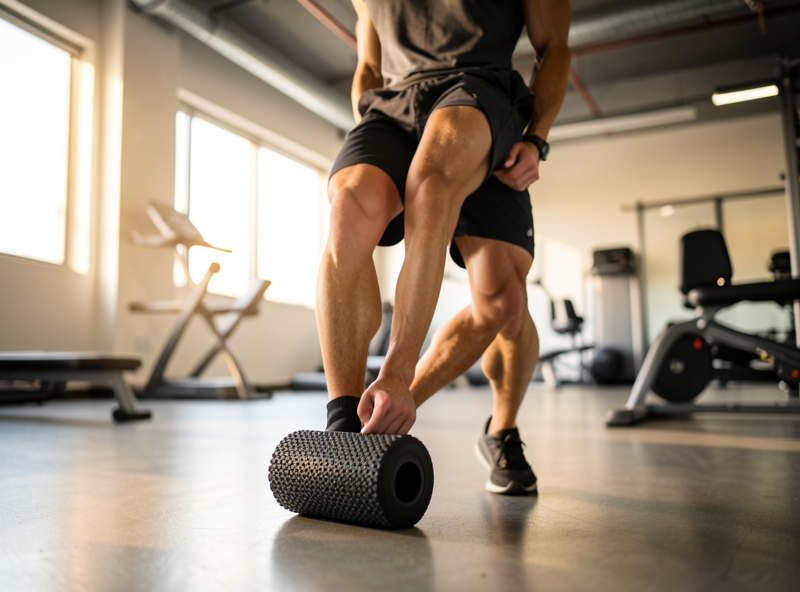
"Muscles do not grow while you workout, they grow when you recover. And active recovery with Foam Rolling is the key to shortening that stagnant time by 50%."
By integrating 10 to 15 minutes of rolling every day, you will receive outstanding benefits that go far beyond standard massage:
- Dispel lactic acid: Speeds up the elimination of byproducts of energy metabolism, minimizing the feeling of soreness the next day.
- Enhance nutrient flow: Pressure from the roller creates a mechanical "pump-and-vacuum" effect, squeezing out old oxygen-poor blood and drawing in new nutrient-rich blood to feed muscle cells.
- Prevent long-term injuries: Relieves force imbalances between muscle groups, preventing postural deviations during high-intensity exercise.
Don't let muscle soreness delay your goals. Switch to active recovery today to feel the relief and lightness in every step of your run and every next set of weightlifting.
2. Scientific Mechanism: What is Myofascial Release?
Have you ever felt your entire body aching, your joints stiff, and your muscles tight like a guitar string about to snap after a high-intensity workout, even though you performed traditional stretching exercises? The real culprit does not lie within the muscle fibers themselves, but deep within a forgotten "biological armor": the Fascia. When this layer is damaged, all your workout efforts are held back by an invisible resistance.
Imagine the fascia as a tight, penetrating, and wrapping plastic wrap that connects all muscles, bones, joints, and blood vessels into a unified network from head to toe. In a healthy state, this layer is hydrated, extremely flexible, and glides smoothly over each other to help you move fluidly. However, under the pressure of overtraining, injury, or poor posture habits, the fascia becomes dehydrated, dry, and stuck together. This phenomenon forms Trigger Points - also known as "muscle knots." These knots not only cause localized pain but also block the flow of nourishing blood, reducing the range of motion and pulling neighboring muscle groups into pain in a domino effect.
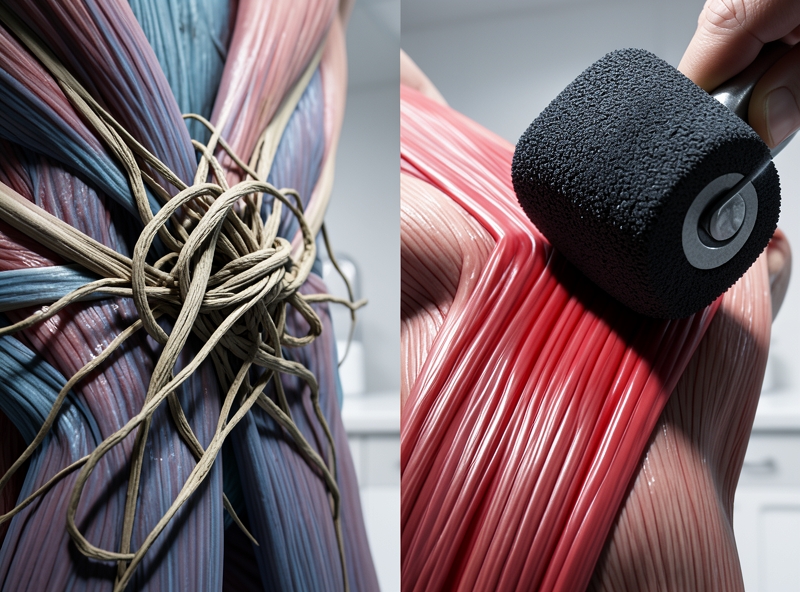
This is where Myofascial Release (MFR) using a foam roller shows its game-changing power. Instead of just passively stretching superficial muscles, the foam roller acts deeply on the movement system through two core scientific mechanisms:
- Autogenic Inhibition: When you press your body weight onto the foam roller at a tight spot, this continuous pressure stimulates the Golgi Tendon Organs (GTO) located at the junction of muscle and tendon. The GTO sends signals to the central nervous system, commanding the contracting muscle fibers to immediately let go and relax.
- Reperfusion and Rehydration: Pressure from the roller acts like a mechanical squeegee. It squeezes out oxygen-poor blood and metabolic waste (lactic acid) accumulated in the stiff tissues. As you roll past, a fresh flow of blood rich in oxygen, nutrients, and water immediately rushes in, "re-inflating" the fascia cells and restoring their inherent flexibility and smooth gliding ability.
"Myofascial release with a foam roller is not simply a relaxing massage. It is a physical intervention process to reprogram the neuro-muscular system, helping to release energy blockages and optimize the body's movement performance."
| Comparison Criteria | Traditional Static Stretching | Myofascial Release |
|---|---|---|
| Target of Impact | Only temporarily lengthens the muscle fiber. | Breaks down knots (Trigger Points) and releases the fascia wrapping the muscles. |
| Biological Mechanism | Mechanical stretching from both ends of the muscle. | Multi-directional pressure combined with direct shear force on adhesion points. |
| Recovery Ability | Little effect on local blood circulation at the knot points. | Powerful reperfusion, accelerating muscle detoxification. |
| Post-performance Feeling | Muscles are stretched, but painful knots may still persist. | Muscles feel weightless, and joint range of motion (ROM) is visibly expanded instantly. |
Using a foam roller regularly is like equipping yourself with a personal physical therapist at home. By actively breaking down blockages and softening the fascia daily, you not only cut off persistent aches and pains but also unlock new movement limits, helping the body recover rapidly after every workout challenge.
3. Increase Blood Circulation and Shorten Muscle Recovery Time
The feeling of stepping out of bed with stiff, aching legs after an intense Leg Day is not just a temporary discomfort — it is the biggest obstacle keeping you from returning to the gym at 100% performance. When muscles are overloaded, muscle fibers develop micro-tears, leading to an inflammatory response and triggering the nightmare known as DOMS (Delayed Onset Muscle Soreness). If you just lie still and "wait" for your body to heal itself, you are wasting golden time to rebuild performance.
Using a foam roller (massage roller) is not simply a relaxation exercise, but a highly scientifically backed method of Myofascial Release. When you roll over knotted muscle bundles, this mechanical pressure acts like a high-thrust piston pump. It squeezes out old, oxygen-poor blood filled with metabolic waste, while paving the way for a rush of fresh blood rich in oxygen, glycogen, and essential amino acids. This localized perfusion accelerates the repair rate of damaged muscle fibers several times over.
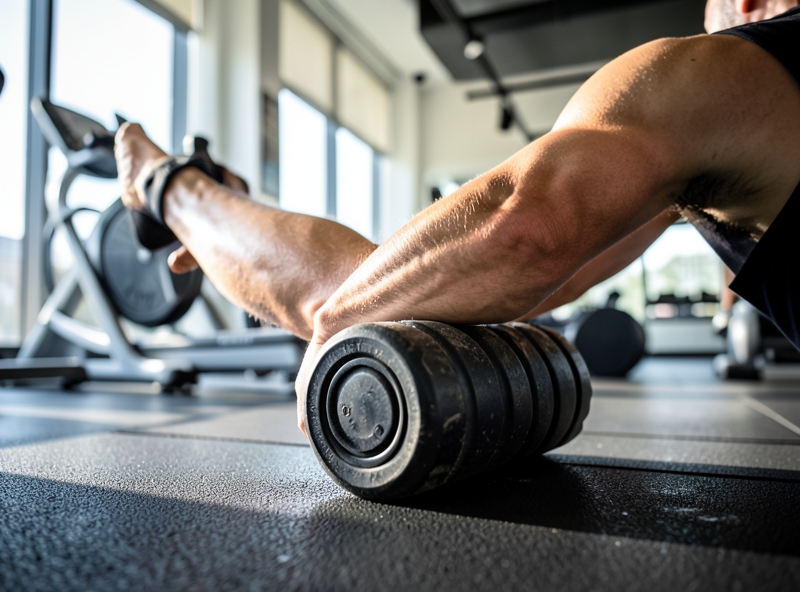
In addition to supplying nutrients, foam rolling is a "scanner" that clears out intracellular waste. After heavy lifting sets or sprints, the body accumulates a large amount of lactic acid, hydrogen ions (H+), and free radicals. These are the main culprits causing burning sensations, muscle fatigue, and inhibiting subsequent muscle contraction. By stimulating the lymphatic system and enhancing venous circulation, this technique helps the body rapidly eliminate these metabolites from muscle tissue, restoring an optimal alkaline state to the cells.
"Actively intervening with a foam roller immediately after a workout helps shorten the recovery cycle from 72 hours to under 48 hours, helping you maintain a high training frequency without worrying about overloading."
To clearly see the difference between active recovery with foam rolling and letting the body recover naturally (passive), look at the comparison table of recovery indicators below:
| Recovery Indicator (After 24 hours) | Passive Recovery (Static Rest) | Active Recovery (Foam Rolling) |
|---|---|---|
| Localized Blood Flow | Normal (Slow) | Increased by 70% - 80% within 30 minutes post-rolling |
| Lactic Acid Elimination Rate | Average | 1.5 times faster |
| Severity of DOMS | Peaks after 24-48 hours | Significantly reduced, muscles are more flexible |
| Range of Motion (ROM) | Restricted due to stiffness | Optimally restored and maintained |
With just 10 to 15 minutes of gentle rolling over major muscle groups after a workout, you are not only soothing immediate soreness but also building a more resilient fitness foundation for tomorrow's session. Don't let pain delay your goals.
4. Medical-Grade Foam Rolling Instructions for Each Muscle Group
More than 90% of gym-goers and runners are destroying their own muscle bundles by clenching their teeth, enduring pain, and vigorously "rolling back and forth" on the foam roller like rolling pastry dough. That is not Myofascial Release; that is self-abuse. Applying brutal force at the wrong angle only triggers the nervous system's protective contraction reflex, causing the muscles to tighten further and damaging small blood vessels.
To achieve maximum recovery efficiency, instant pain relief, and increased range of motion (ROM), you need to apply medical-grade Foam Rolling techniques. Below is a detailed protocol for 4 major muscle groups that are frequently overloaded.
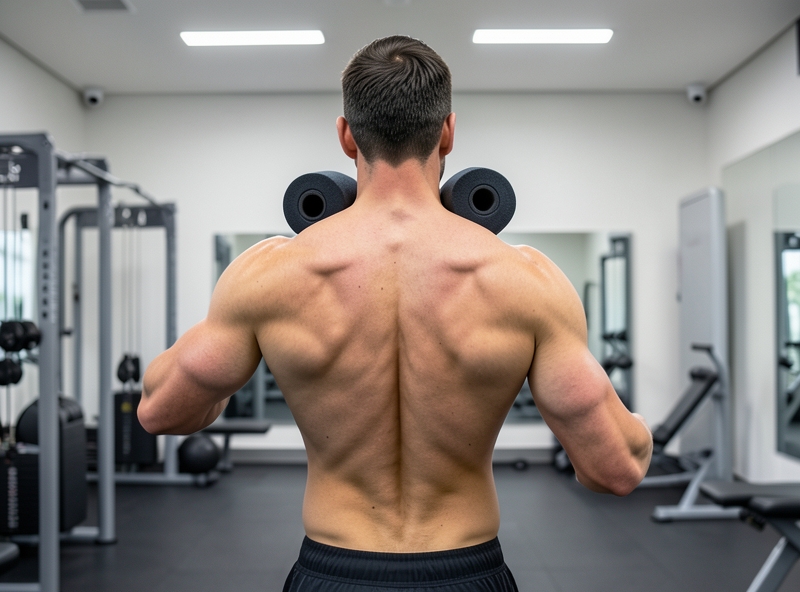
4 Core Muscle Group Target Process
- Quadriceps: Lie face down, place the roller right below your hips, and support your elbows on the floor in a Plank position. Move your body so that the roller slides slowly from your hips down to the upper edge of your kneecap. When you detect a "pain knot" (Trigger Point), stop completely, focus your gravity down, and breathe deeply to allow the nervous system to inhibit the muscle and automatically relax.
- Hamstrings: Sit on the floor, place the roller under your hamstrings, and support yourself with both hands behind to lift your hips off the ground. Roll from the ischial tuberosity down to close to the popliteal fossa. To increase pressure, cross one leg over the other, focusing the force on each thigh.
- Calves: Place the roller under your calves (gastrocnemius and soleus muscles). Similar to the hamstrings, lift your hips and move slowly from below the knee joint down close to the Achilles tendon. Gently rotate your ankle inward and outward to completely release the three calf muscle bands.
- Upper Back: Lie on your back, placing the roller under your upper back (shoulder blade area). Cross your arms over your chest or hug your shoulders tightly to pull your shoulder blades wide apart to the sides, exposing the back groove muscles. Lift your hips and roll from the middle back up to close to the neck.
"Never roll directly on the lower back (lumbar spine). This area does not have a protective rib cage; applying strong force from the roller will directly compress the vertebrae, causing severe lower back muscle spasms and directly threatening the spinal discs."
| Target Muscle Group | Optimal Time | Movement Speed | Breathing & Release Technique | Absolute No-Go Zone |
|---|---|---|---|---|
| Quadriceps (Quads) | 30 - 60 seconds / leg | Extremely slow (1-2 cm/second) | Exhale through the mouth when encountering the most painful point. Gently flex and extend the knee to increase stretch. | Patella (kneecap). |
| Hamstrings | 45 - 60 seconds / leg | Slow, steady | Inhale deeply through the nose, engage your core to stabilize the spine. | Popliteal fossa behind the knee. |
| Calves | 30 - 45 seconds / side | Slow combined with ankle rotation | Breathe deeply using the diaphragm, keep your back straight when lifting hips. | Achilles tendon too close to the heel. |
| Upper Back | 45 - 60 seconds | Slow, controlled by legs | Inhale deeply when leaning back, exhale when curling up. | Lower back area and cervical vertebrae. |
Vital Principles to Avoid Reverse Injury
The effectiveness of Foam Rolling does not lie in how well you clench your teeth to endure pain, but in your ability to control the nervous system. Always keep these three golden rules in mind:
- Do not roll on bones and joints: Foam rolling was created to release soft tissue (muscles and fascia). Pressing directly on the kneecap, spinal processes, or joints will cause periosteum inflammation and serious joint structure damage.
- Super slow speed: If you roll quickly, the pressure receptors in the muscles (Muscle Spindles) will be stimulated suddenly, sending a signal to contract the muscle for natural protection. Move at a maximum speed of 2 cm per second to activate the Golgi tendon organs (GTOs), helping muscles relax deeply.
- Control your breath: Holding your breath is the most common mistake. Shallow breathing or holding your breath will activate the sympathetic nervous system (fight or flight), increasing muscle tension. Conversely, deep inhalations through the nose and slow exhalations through the mouth will activate the parasympathetic nervous system, commanding the muscles to "let go" of accumulated tension.
5. Conclusion
You can spend hours sweating under the barbell and invest large sums of money in expensive supplements, but your athletic performance will still hit a limit simply due to tight and inflexible muscles. The truth is: muscle recovery is what determines 80% of your training results. Foam rolling is not a passing trend, but a scientifically proven Self-Myofascial Release (SMR) method that helps break down trigger points, re-establish original elasticity, and outstandingly enhance blood circulation.
Think of a foam roller as a highly cost-effective "personal physical therapist." Instead of spending a fortune on professional weekly massage sessions, with just 10 to 15 minutes of disciplined daily rolling, you hold the golden key to preventing muscle tears, joint inflammation, and optimizing range of motion (ROM). This is the smartest investment, yielding the highest return on every penny spent that any serious trainee needs to own.
| Comparison Indicator | Training Only (Passive Recovery) | Training + Foam Rolling (Active Recovery) |
|---|---|---|
| Lactic Acid Clearance Speed | Slow (48 - 72 hours causing DOMS soreness) | Fast (Shortens recovery time to under 24 hours) |
| Range of Motion (ROM) | Restricted due to tight muscle bands | Maximized through fascia release |
| Injury Risk | High (Prone to muscle tears due to sudden spasms) | Low (Muscles are flexible and better withstand load) |
Don't wait until muscle spasm pain tortures you to look for a foam roller. Discipline in recovery is just as important as discipline during your workout. Make foam rolling an indispensable ritual before and after exercise to protect your musculoskeletal system sustainably over time.
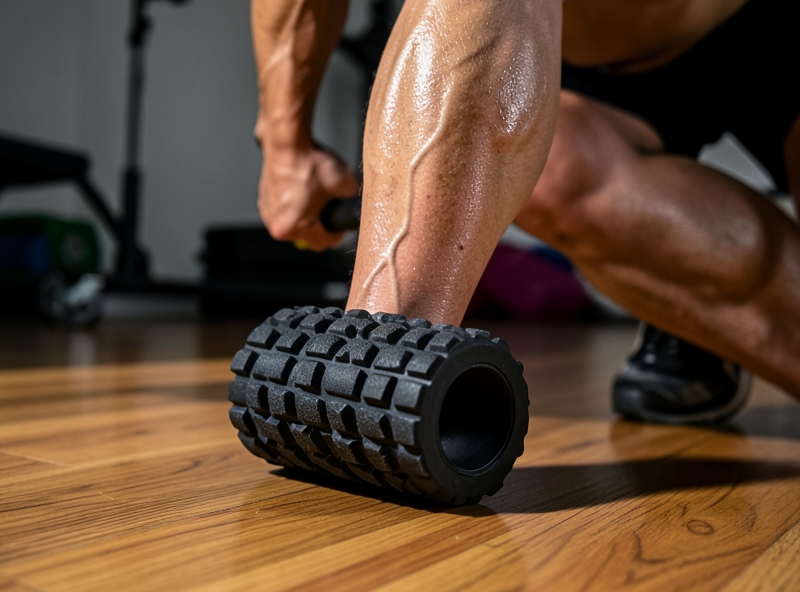
"The peak of performance is not in how much weight you can lift, but in how quickly your body is ready to return to the gym the next day."
Stop mistreating your muscles with continuous days of tension. Start putting the roller on the floor, feel each trigger point release, and unleash the true potential strength in your body starting today.